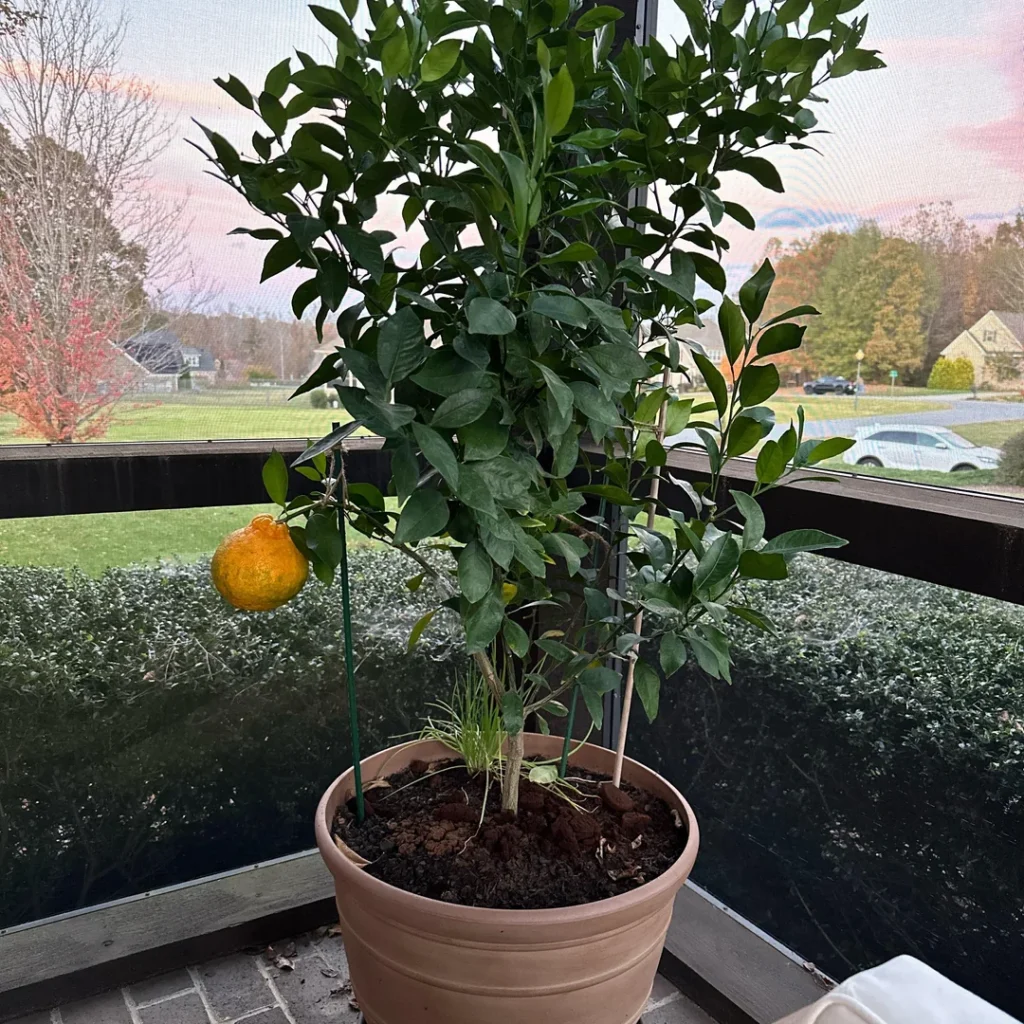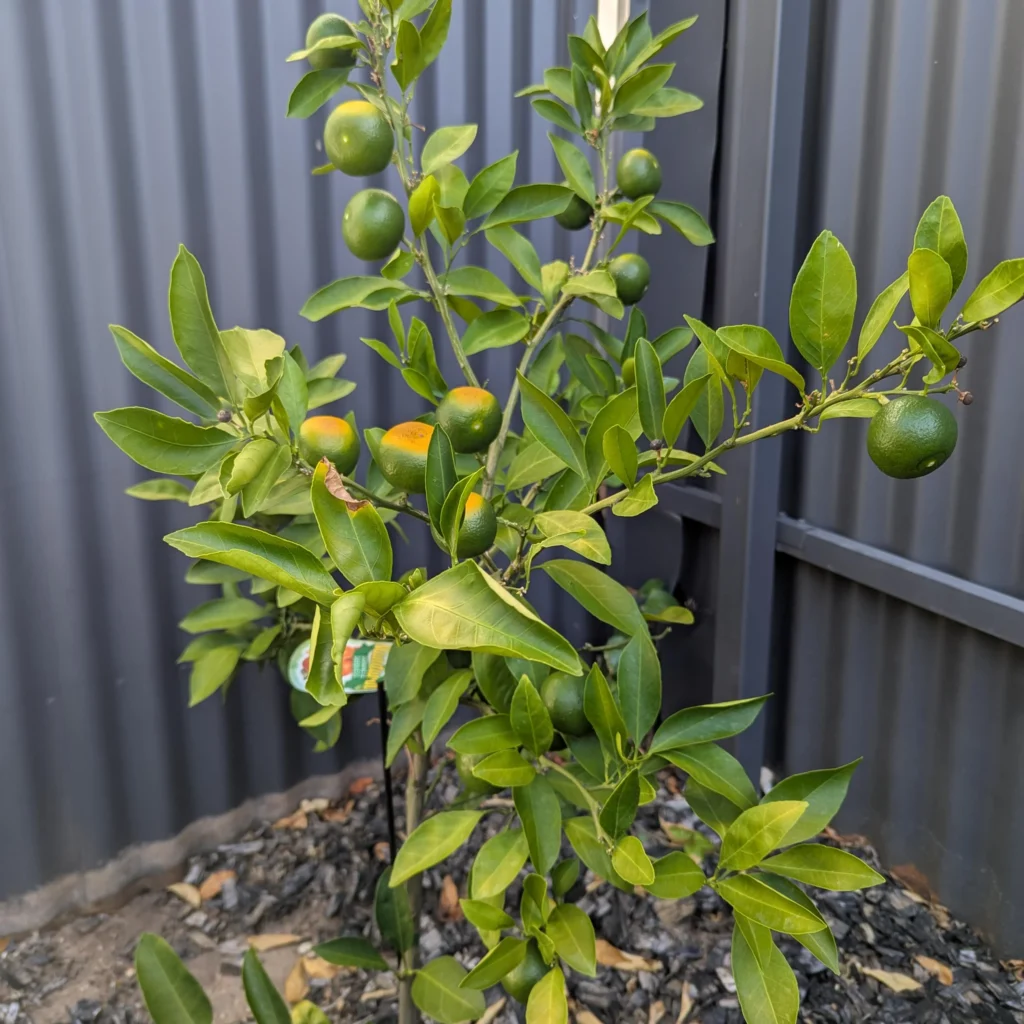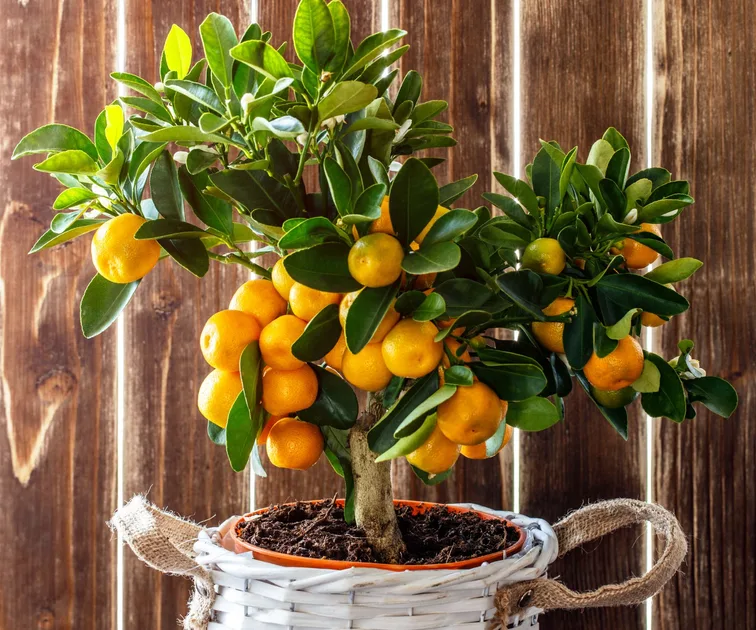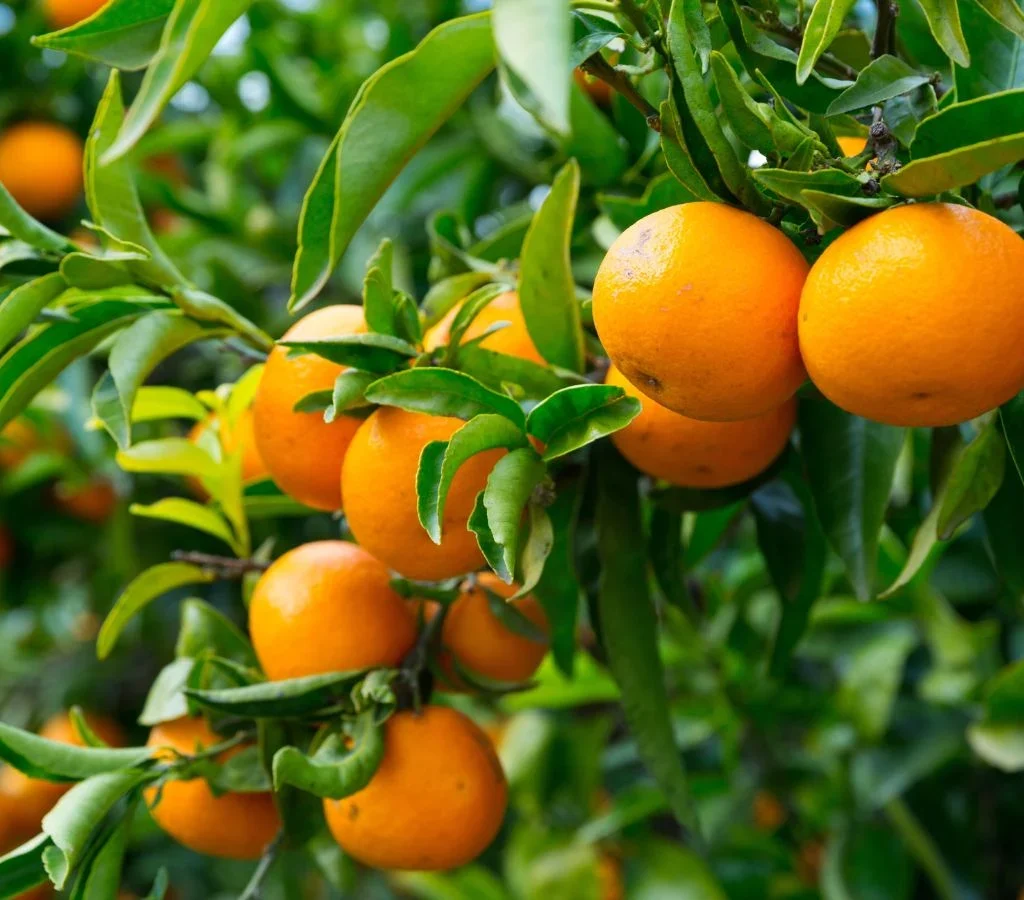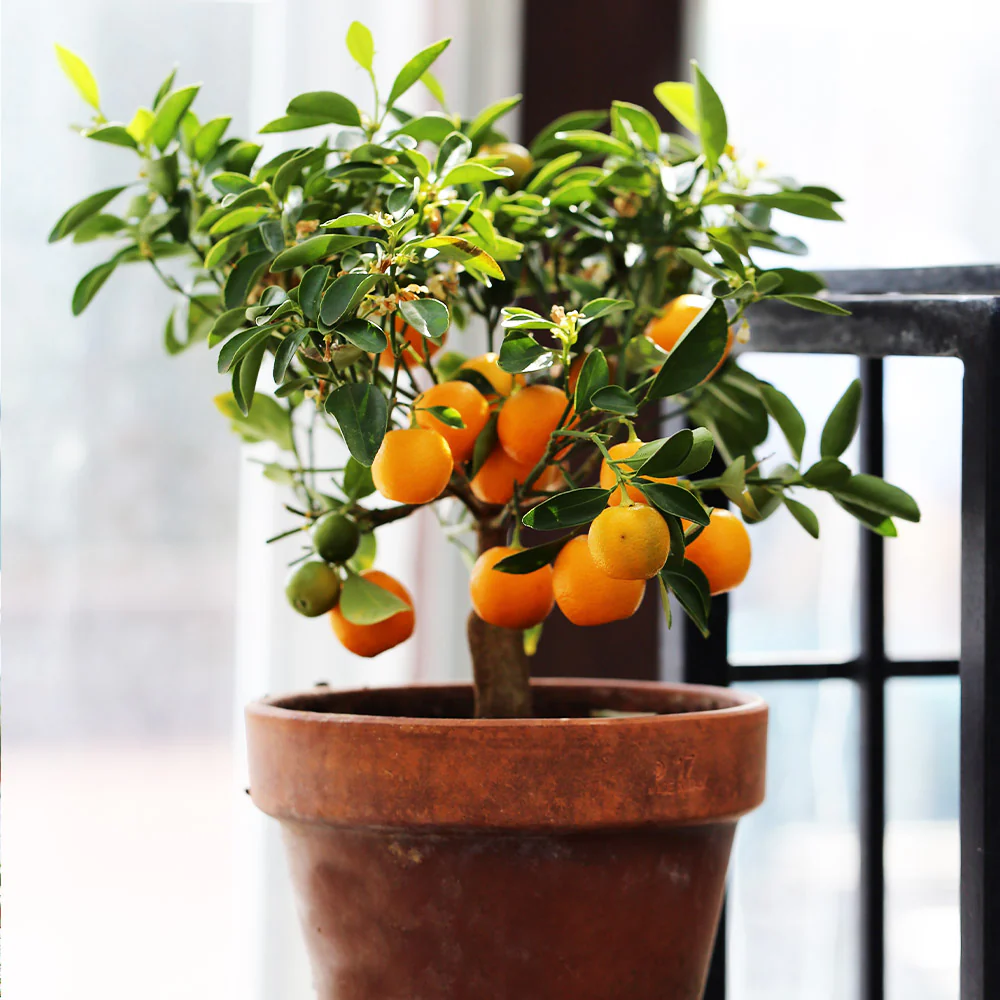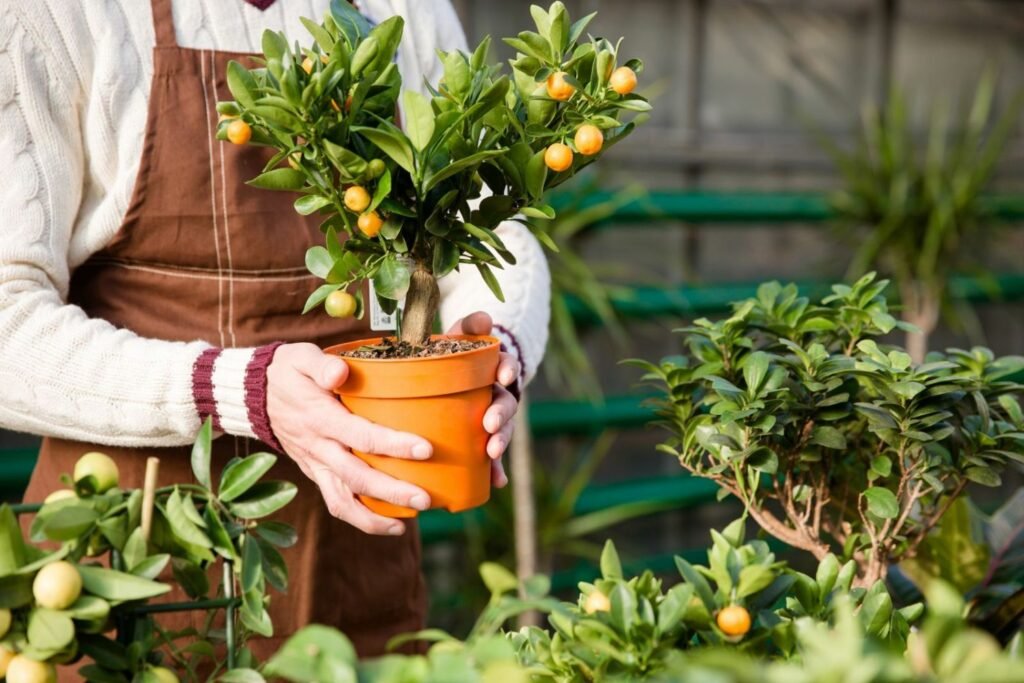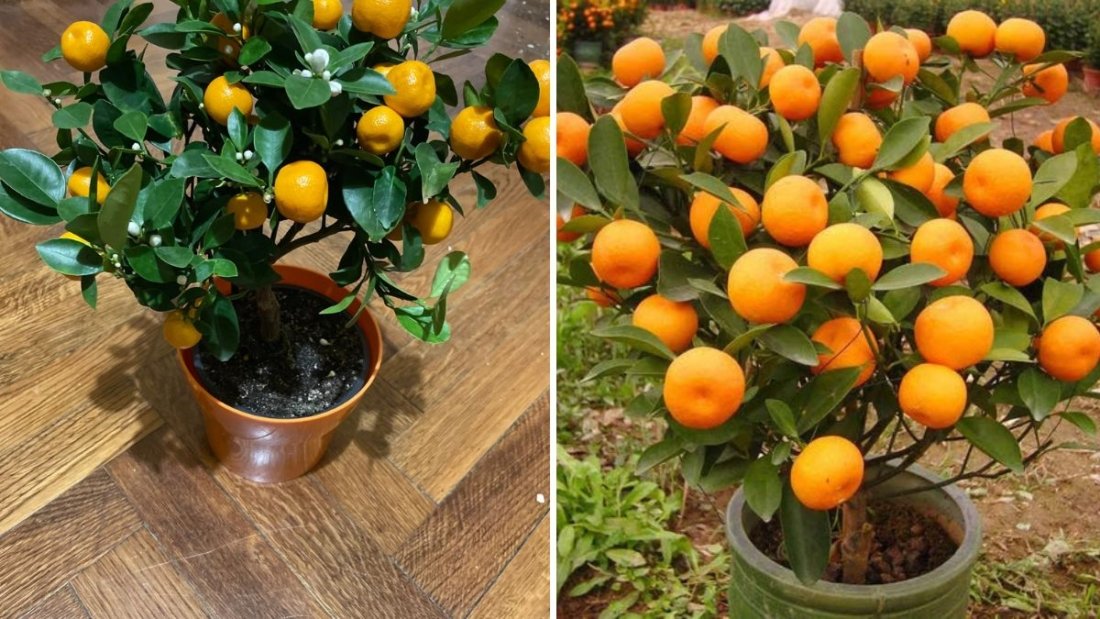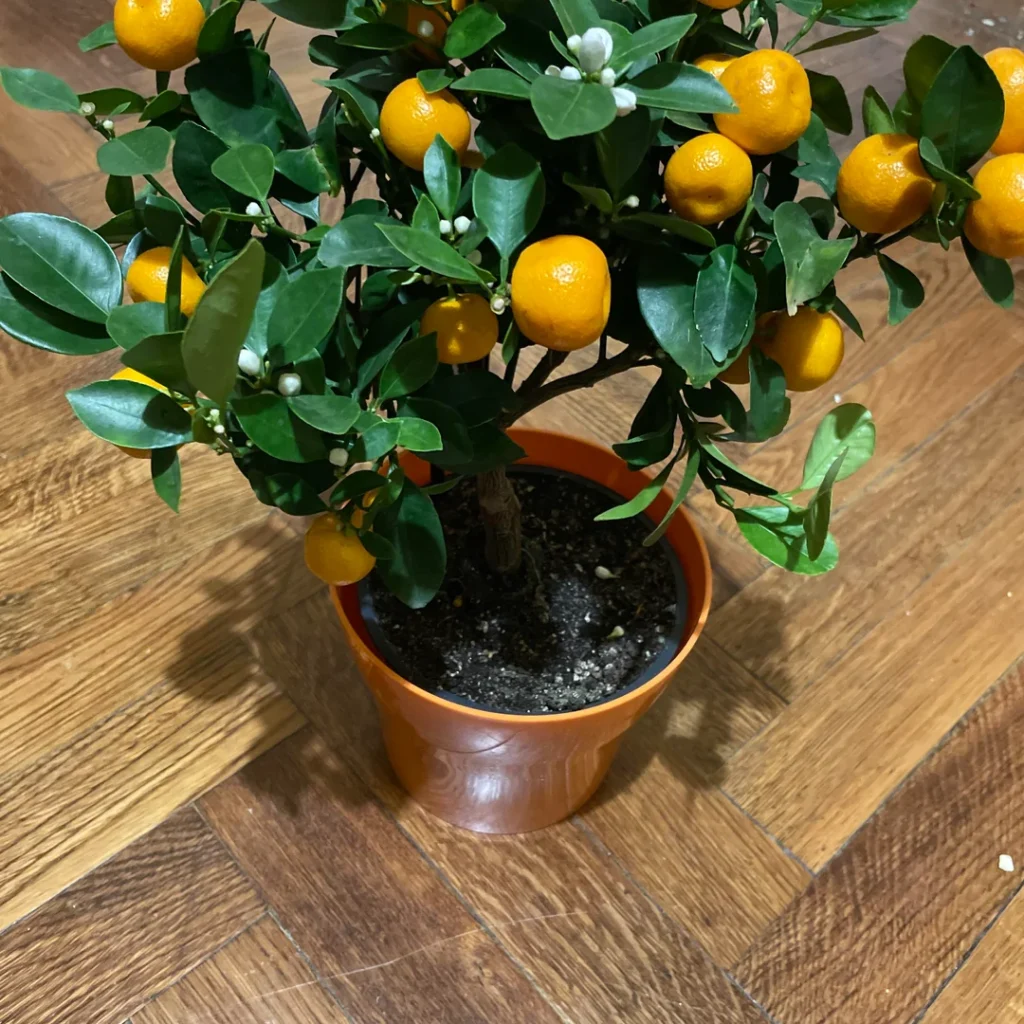
How to Grow a Pomegranate Tree from Seeds: The Secret Powder for 100% Success

How to Grow a Pomegranate Tree from Seeds: The Secret Powder for 100% Success

Growing a pomegranate tree from seeds is a rewarding experience for any gardener. Whether you love the sweet-tart taste of pomegranate arils or want to enjoy its ornamental beauty, you can grow this fruit tree right at home with minimal space. While many people struggle with poor germination, there’s a simple secret to ensure 100% success — using a natural “secret powder” that boosts root and shoot growth. In this guide, we’ll explore step-by-step how to grow a healthy pomegranate tree from seeds using this method, along with tips for care, pruning, and fruiting.


Understanding the Pomegranate Tree
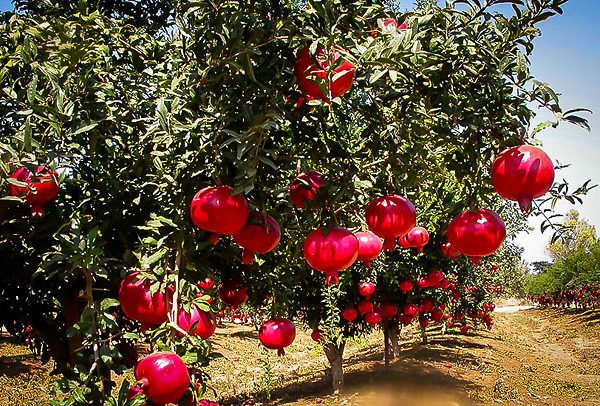
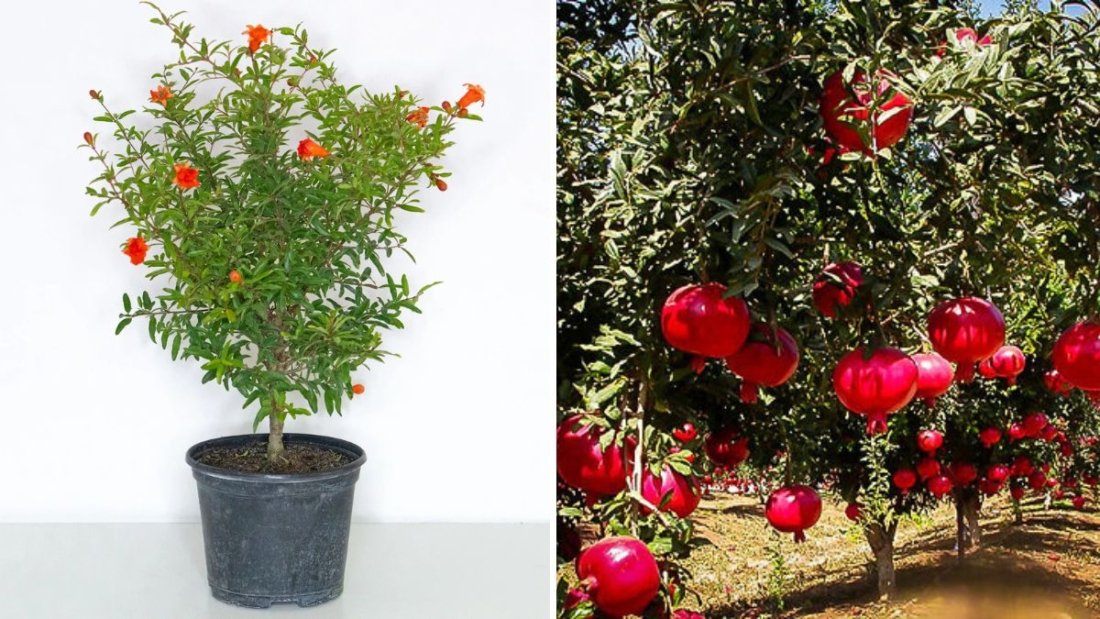
Pomegranate (Punica granatum) is a hardy fruit tree native to warm, arid regions. It thrives in tropical and subtropical climates but can adapt well to containers if cared for properly. The tree produces glossy green leaves, beautiful red flowers, and eventually, the jewel-like fruits that are rich in antioxidants, vitamins, and minerals.

Growing pomegranates from seeds is possible, though patience is key. With the right techniques, you can speed up germination and establish strong seedlings that bear fruit in a few years.


Step 1: Choosing the Right Pomegranate Variety
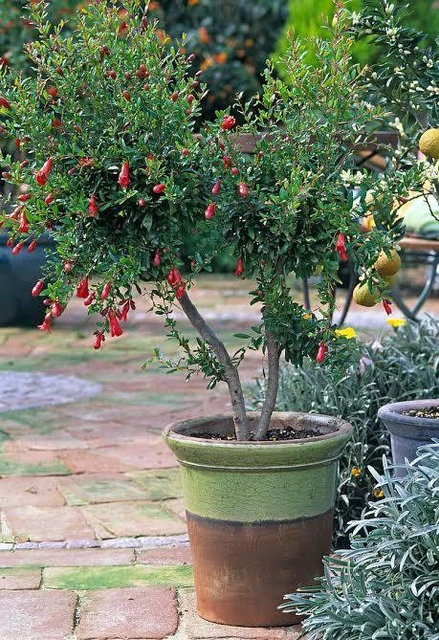
Before starting, choose the right variety for your climate and space:

  • ‘Wonderful’ – The most common and widely grown variety with large, sweet-tart fruits.
  • ‘Nana’ (Dwarf Pomegranate) – Ideal for containers and small gardens.
  • ‘Bhagwa’ – Popular in India for its deep red color and high yield.
  • ‘Ganesh’ – A sweet, soft-seeded variety perfect for eating fresh.

If you’re growing in pots, dwarf or semi-dwarf varieties are best as they stay compact and fruit abundantly.


Step 2: Preparing the Seeds
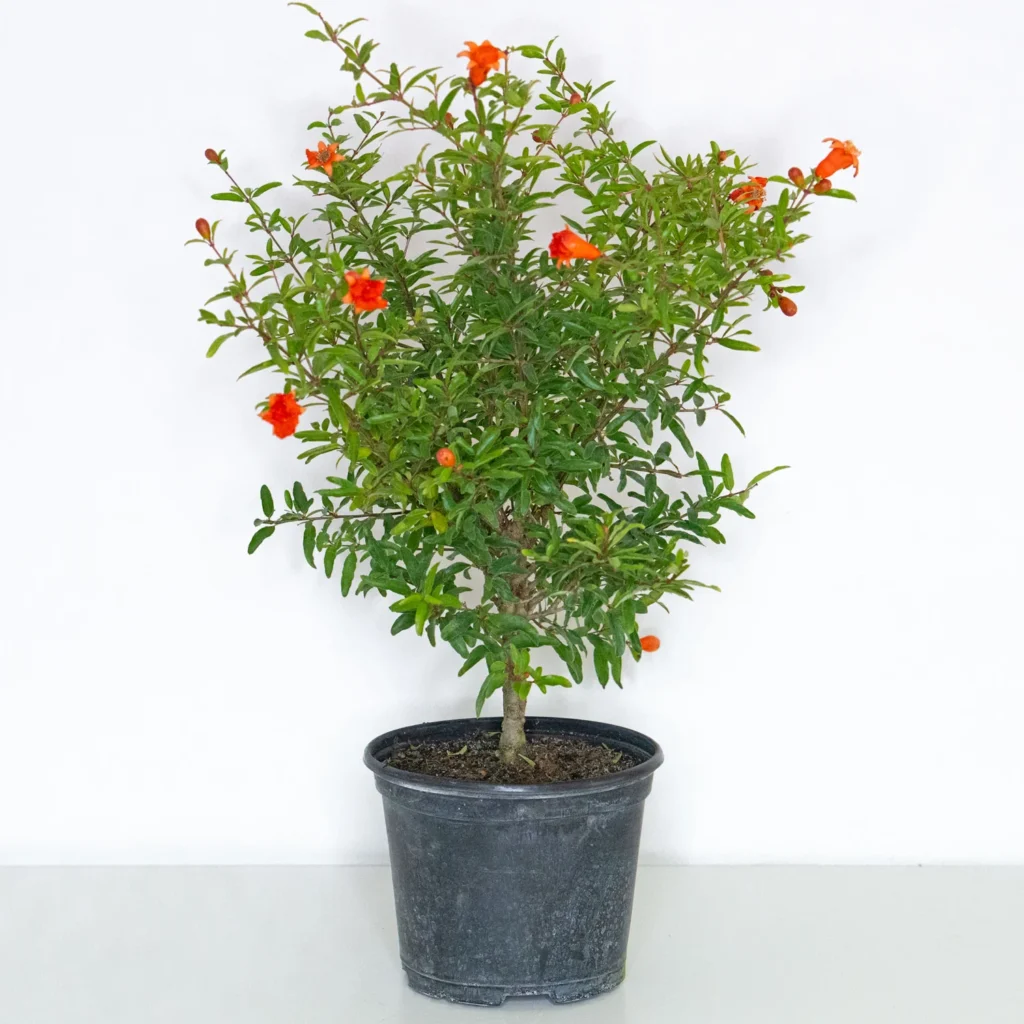
  1. Select a Ripe Pomegranate: Choose a healthy, fully ripe fruit. Avoid damaged or diseased ones.
  2. Extract the Seeds: Gently scoop out the arils (seed pods) and separate the seeds from the juicy pulp.
  3. Clean the Seeds: Rinse them in water to remove any remaining pulp. A sticky coating can hinder germination, so make sure they’re completely clean.
  4. Dry the Seeds: Spread the cleaned seeds on a paper towel and let them air-dry for 1–2 days in a shaded, ventilated area.

Step 3: The Secret Powder for 100% Germination

Here comes the key to success — the secret powder that helps seeds sprout faster and grow stronger. This “secret” isn’t chemical-based; it’s a natural rooting and germination booster made from organic ingredients.

DIY Secret Powder Recipe:

Mix the following ingredients well:

  • 1 tablespoon cinnamon powder (natural antifungal and growth stimulator)
  • 1 tablespoon aloe vera powder (or gel extract, for hydration and root growth)
  • 1 teaspoon seaweed powder or humic acid (optional, for nutrient boost)

Coat the dried seeds lightly in this powder mixture before planting. This not only prevents fungal growth but also activates the seeds’ root hormones for faster sprouting and healthier seedlings.


Step 4: Sowing the Seeds
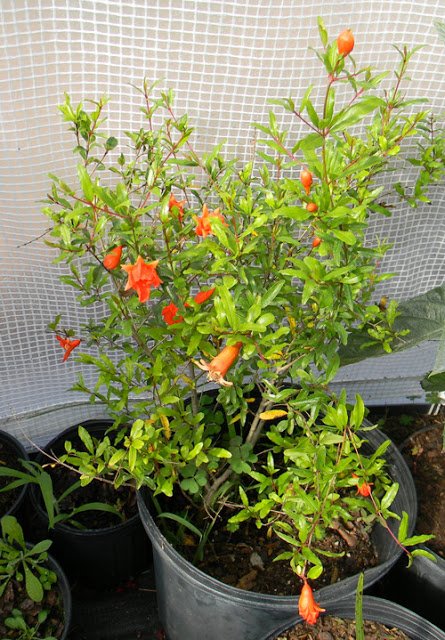
Now that your seeds are prepped and treated, it’s time to plant them.

Materials You’ll Need:

  • Small nursery pots or seed trays
  • Well-draining potting mix (50% garden soil + 25% compost + 25% sand or cocopeat)
  • Spray bottle for watering

Planting Steps:

  1. Fill the pots with the potting mix, leaving about an inch from the top.
  2. Moisten the soil slightly — it should be damp but not soggy.
  3. Place the treated seeds about ½ inch deep in the soil and cover lightly.
  4. Mist the soil with water using a spray bottle.
  5. Cover the pots with a clear plastic wrap or dome to retain humidity.

Place the pots in a warm location with indirect sunlight. Ideal temperature for germination is between 20°C–28°C (68°F–82°F).


Step 5: Germination and Early Care
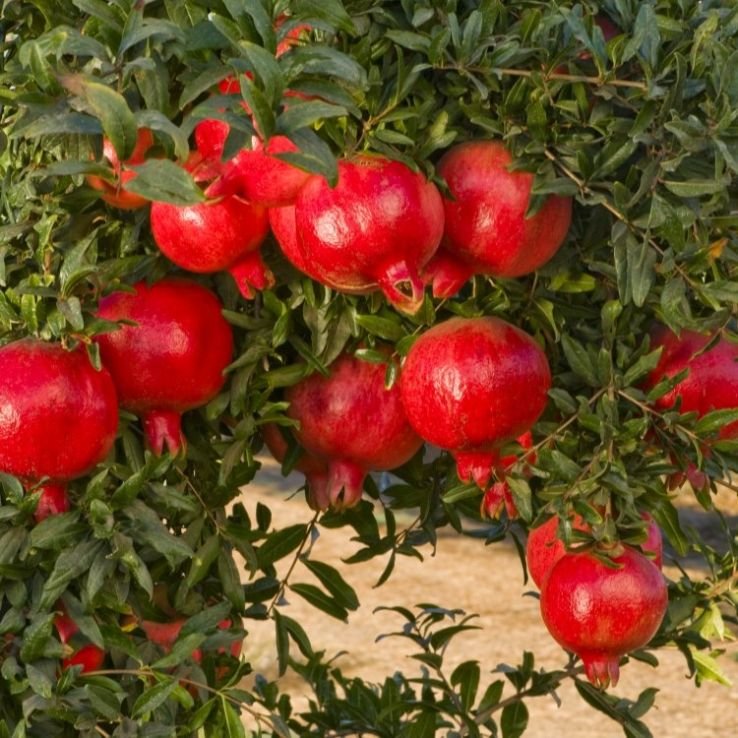
Germination usually takes 3 to 5 weeks, depending on temperature and seed freshness. Once seedlings appear:

  • Remove the plastic cover gradually to harden them off.
  • Keep the soil consistently moist but never waterlogged.
  • Place them where they can receive 4–6 hours of bright sunlight daily.

When the seedlings are about 3–4 inches tall and have a few sets of true leaves, transplant them into larger pots (8–10 inches).


Step 6: Transplanting and Container Setup

If you’re growing the pomegranate in a pot, choose one that’s at least 18–24 inches in diameter with good drainage holes.

Ideal Soil Mix:

  • 40% garden soil
  • 30% organic compost or cow manure
  • 20% sand or perlite
  • 10% cocopeat

This mix ensures proper aeration and nutrient supply for root development.

After transplanting, water the plant well and place it in a sunny spot. Pomegranate trees thrive in full sunlight (6–8 hours daily).


Step 7: Watering and Fertilization

Pomegranates are drought-tolerant but young plants need consistent moisture.

  • Watering: Water every 3–4 days during the initial stage. Once established, reduce watering to once a week. Overwatering can cause root rot.
  • Fertilizer: Use organic compost or a balanced fertilizer (NPK 10-10-10) every 6–8 weeks. During the flowering stage, switch to a phosphorus-rich fertilizer for better blooms and fruiting.

A monthly application of seaweed extract or compost tea can further enhance growth and fruit quality.


Step 8: Pruning and Maintenance

Proper pruning encourages more branches and better fruit yield.

  • Prune your tree lightly after the first year to remove dead or weak shoots.
  • Keep 3–4 strong main stems to form a balanced structure.
  • Regularly remove suckers (shoots from the base) to focus energy on fruiting branches.

You can also train the tree into a bush shape for container growth.


Step 9: Flowering and Fruiting

Your pomegranate tree will start producing flowers in 2–3 years from seed, though some may take longer.

  • Flowers appear in clusters of bright red or orange blossoms.
  • Each flower that gets pollinated can turn into a fruit.
  • Hand-pollination with a soft brush can improve fruit set for indoor or container plants.

Keep the plant in full sunlight and feed it during the growing season for best results.


Step 10: Pest and Disease Control

Watch out for common pests like aphids, whiteflies, and mealybugs.
Natural Remedies:

  • Spray neem oil once every 10–15 days.
  • Use garlic or chili water spray as an organic insect repellent.

Good air circulation and proper watering practices will prevent fungal diseases.


Harvesting and Beyond

Your patience will pay off when you see your first pomegranate fruits — usually 3–4 years after planting from seeds. The fruits are ready for harvest when they develop a deep red color and make a metallic sound when tapped.

Harvest carefully with pruning shears to avoid damaging branches. Store ripe fruits in a cool, dry place or refrigerate them to extend shelf life.


Bonus Tips for Success

  • Sunlight is key: More sunlight = sweeter fruits.
  • Don’t overwater: Pomegranates prefer slightly dry conditions once mature.
  • Mulch the soil: Helps retain moisture and regulate temperature.
  • Use organic boosters: A mix of banana peel compost and bone meal enhances fruit quality.

Final Thoughts

Growing a pomegranate tree from seeds is not just about cultivating a fruit—it’s about nurturing life from a single seed into a thriving, fruitful tree. By using the secret powder (a simple mix of cinnamon and aloe vera), maintaining a healthy growing environment, and showing patience, you can achieve 100% success.

With time, your pomegranate tree will reward you with vibrant blooms and luscious fruits — a living testament to your gardening dedication. Whether in a backyard or balcony pot, this ancient fruit tree brings color, health, and joy to your home garden.
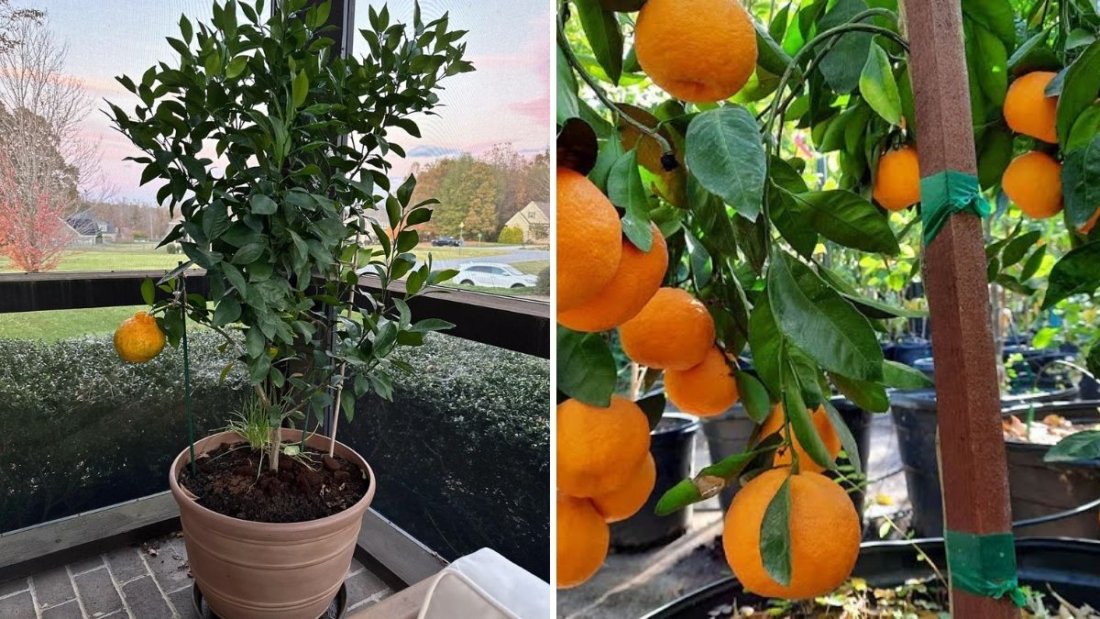
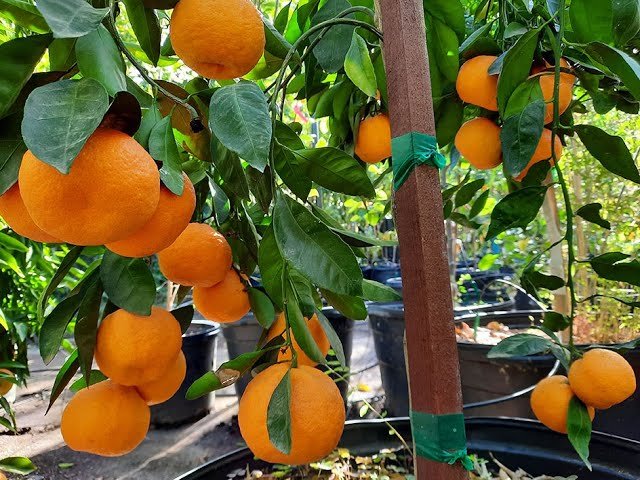
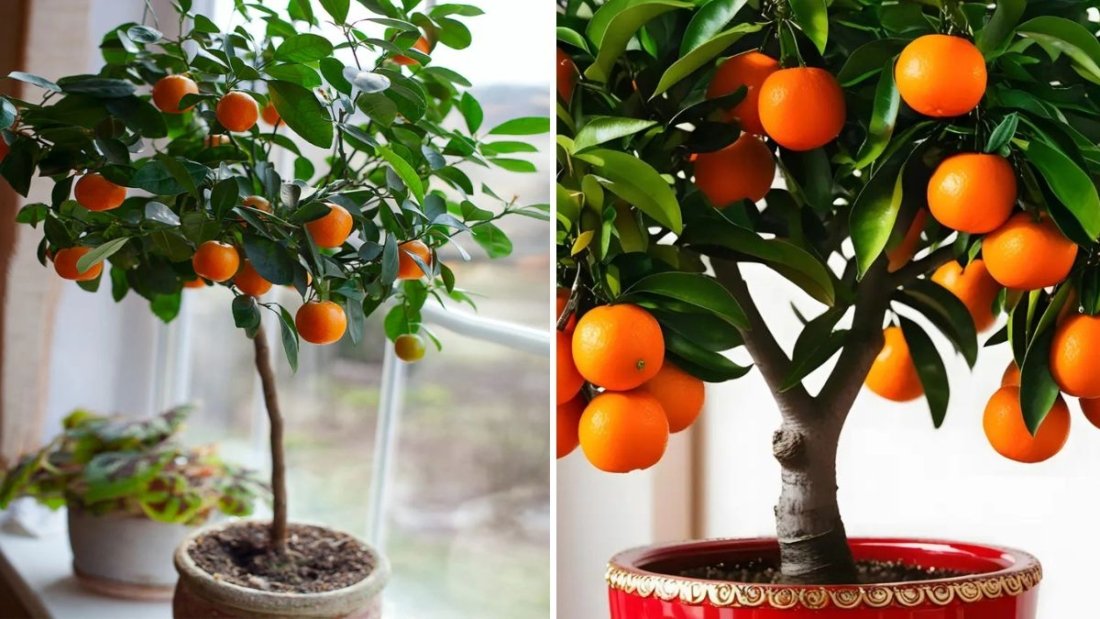
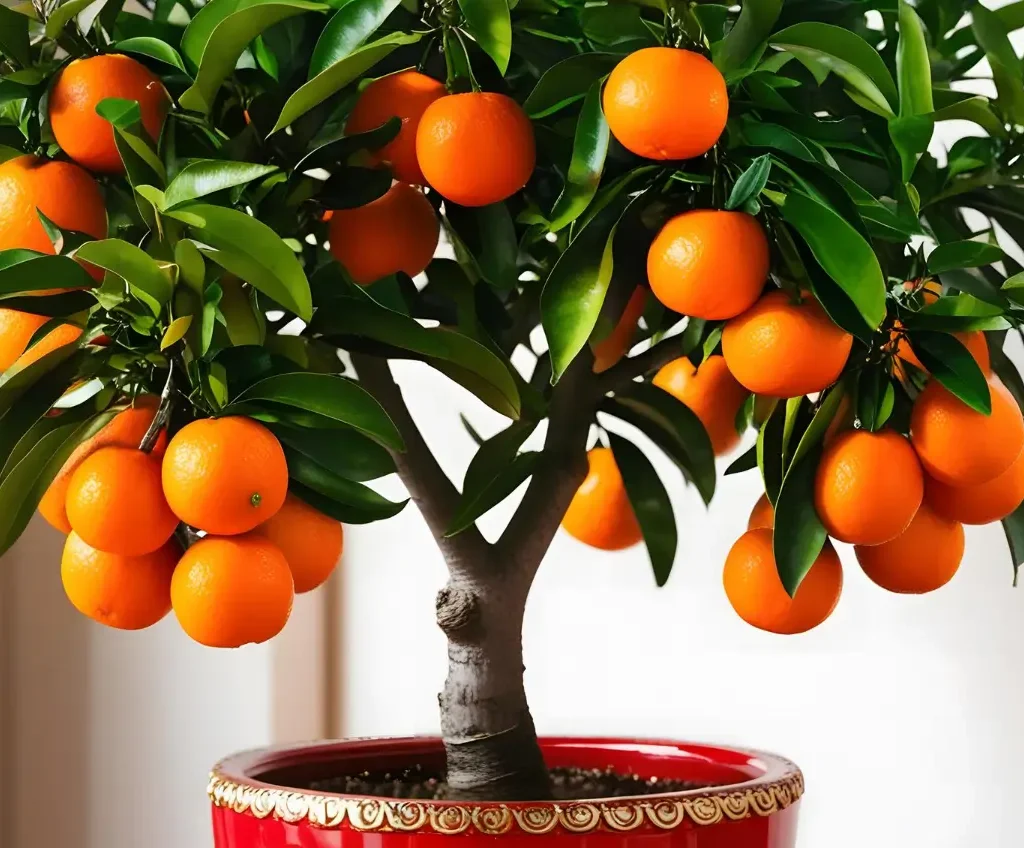
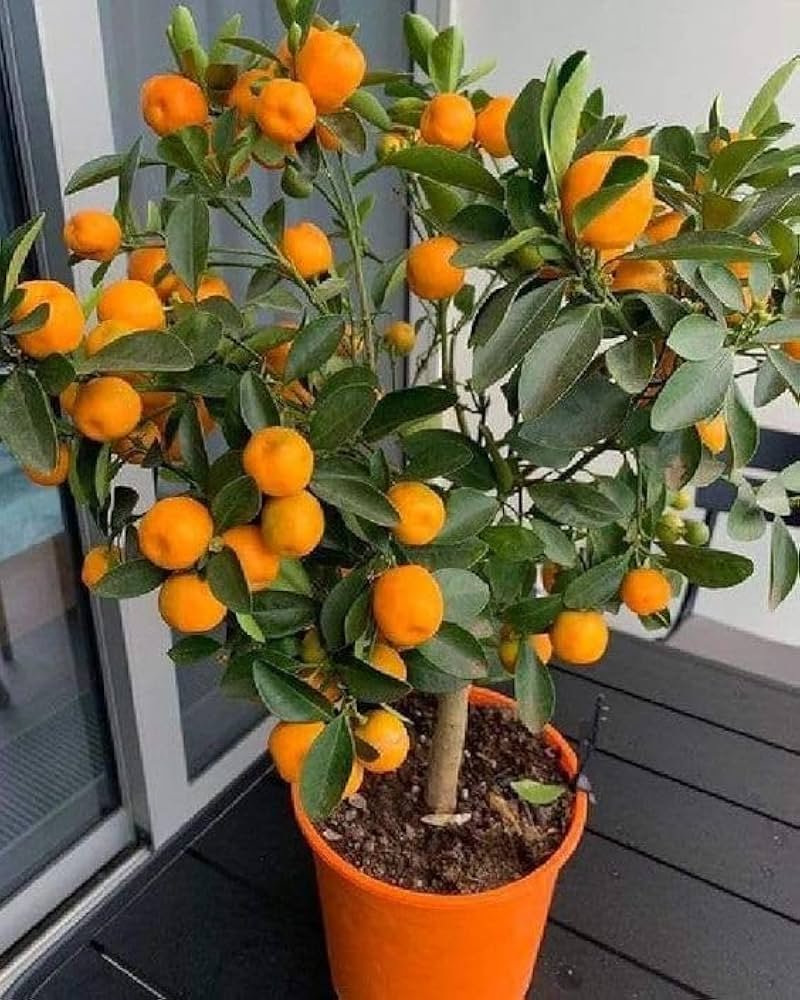
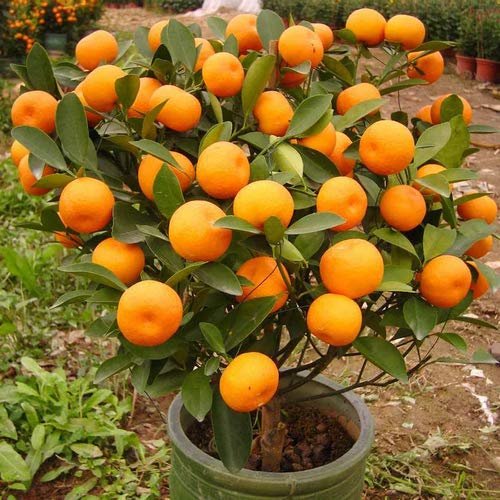
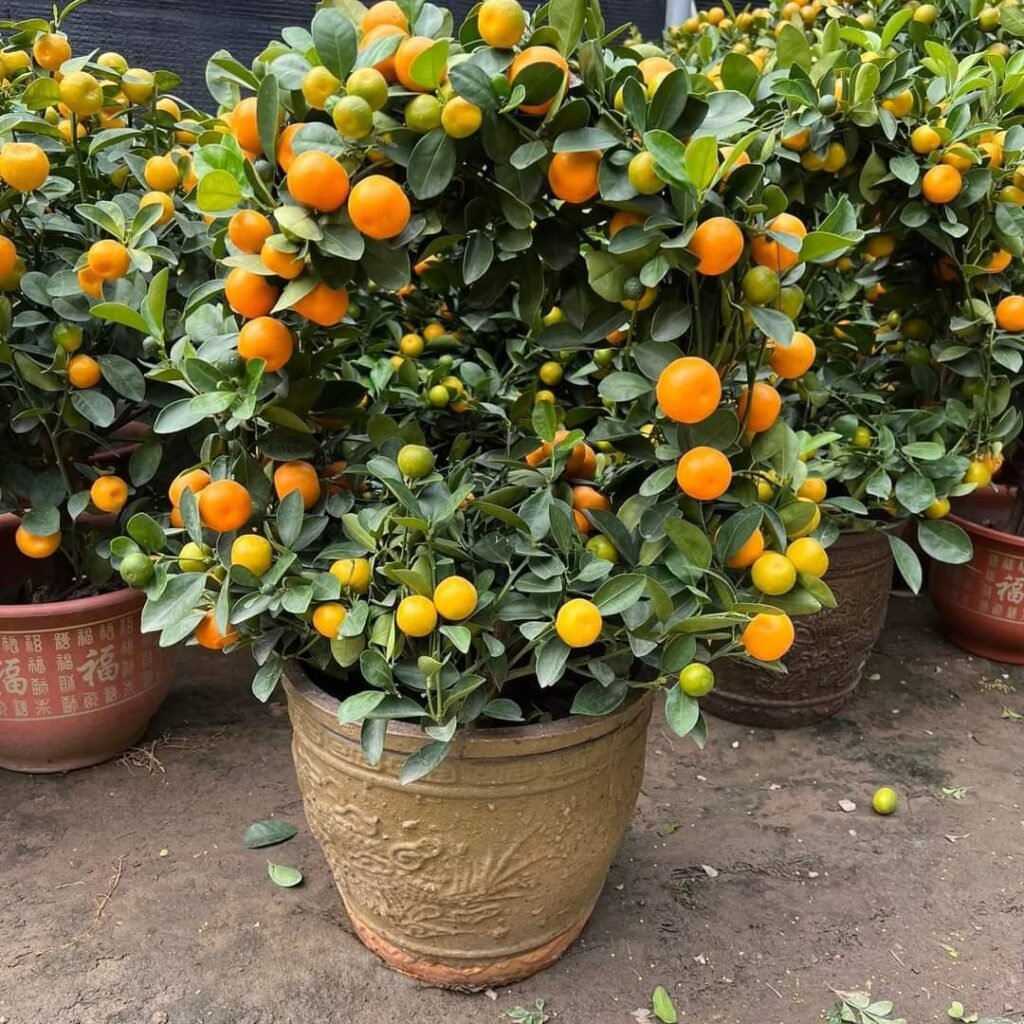
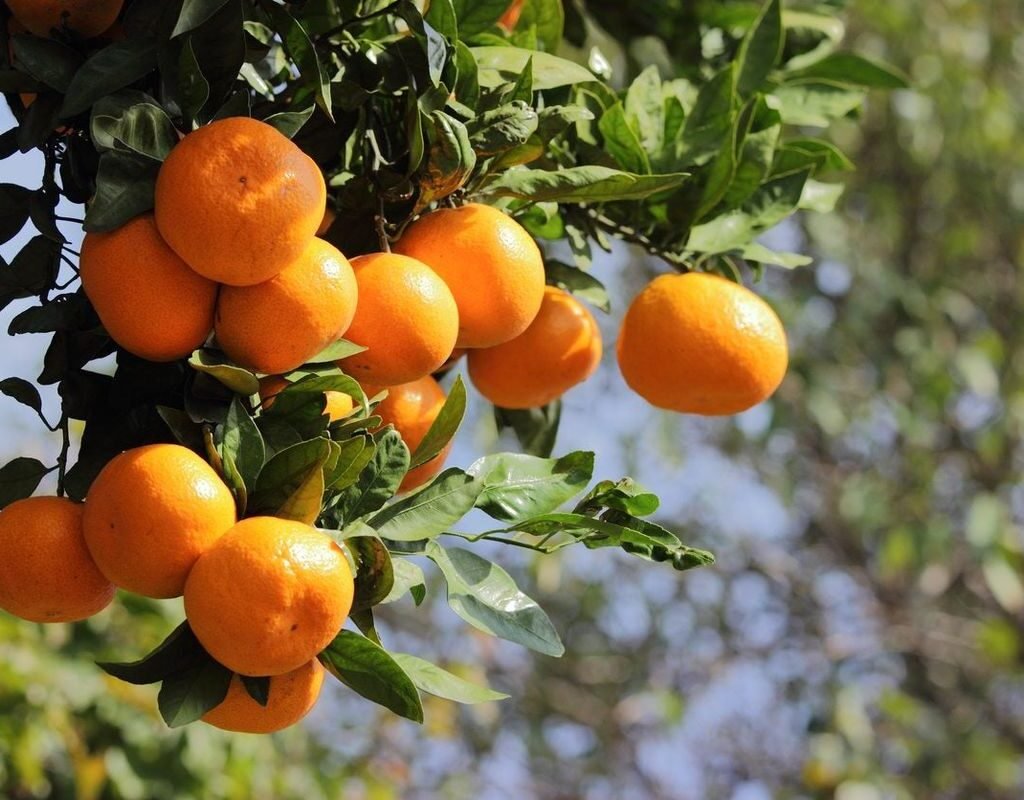
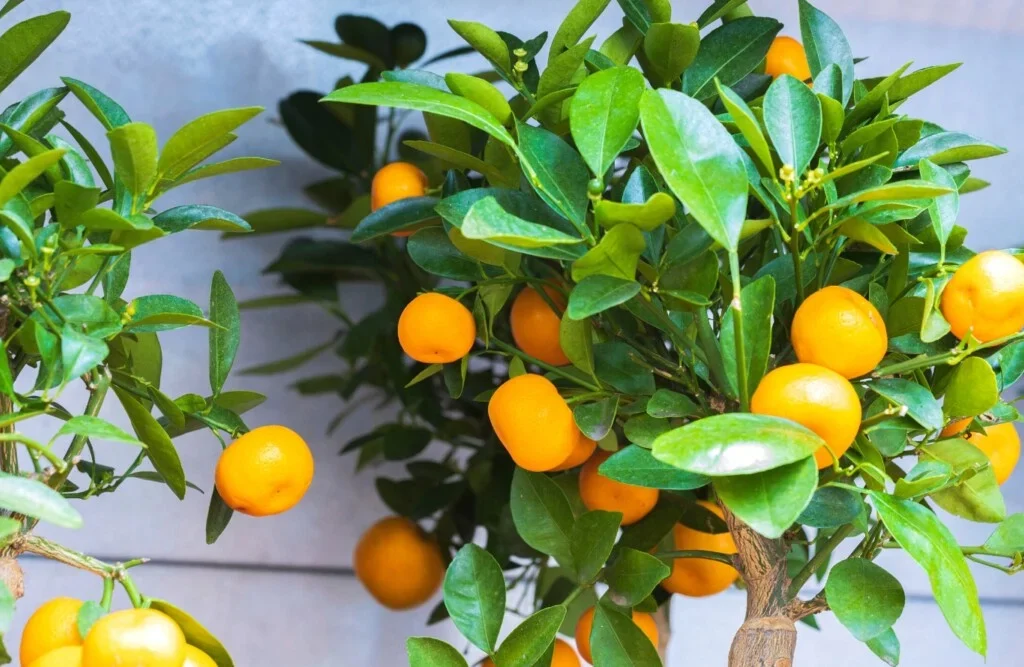
5 Expert Tips to Grow a Ton of Mandarins on One Tree Organically

5 Expert Tips to Grow a Ton of Mandarins on One Tree Organically

There’s nothing quite like the joy of picking juicy, sun-ripened mandarins straight from your own tree. Their sweet aroma, vibrant orange color, and refreshing taste make them one of the most beloved citrus fruits. But did you know that with the right care and organic methods, you can grow a ton of mandarins on a single tree?

Whether you’re growing mandarins in your backyard or in a large container, it’s absolutely possible to achieve heavy fruiting naturally — without using chemical fertilizers or harmful pesticides. In this detailed guide, you’ll learn five proven organic tips to grow a highly productive mandarin tree that will reward you with baskets of sweet, fragrant fruits year after year.


1. Choose the Right Variety and Healthy Plant to Start With

If your goal is to grow an abundantly fruiting mandarin tree, it all begins with selecting the right variety and healthy sapling.

Best Mandarin Varieties for High Yields:

  • ‘Satsuma’ Mandarin: Cold-hardy, early fruiting, and known for its heavy yield.
  • ‘Clementine’ Mandarin: Produces small, seedless, and super-sweet fruits.
  • ‘Dancy’ Mandarin: A popular variety that bears lots of medium-sized fruit.
  • ‘Honey’ or ‘Murcott’ Mandarin: Compact and ideal for containers or small gardens.

Whenever possible, buy a grafted tree from a reputable nursery. Grafted plants mature faster and are more productive than seed-grown trees. Seedlings can take up to 7 years to bear fruit, while grafted mandarins start producing within 2–3 years.

Tip: Before planting, inspect the leaves and stems carefully. Avoid trees with yellowing foliage, pest damage, or signs of rot. A strong, healthy start sets the foundation for a lifetime of abundant harvests.


2. Create the Perfect Growing Environment

Mandarins thrive in warm, sunny conditions, so giving your tree the right environment is crucial for maximizing fruit production.

Soil Requirements

Mandarins prefer well-draining, fertile soil that’s slightly acidic (pH 6–7). To create ideal conditions, prepare the planting area or potting mix with:

  • 1 part garden soil
  • 1 part organic compost or well-rotted cow manure
  • 1 part coarse sand or perlite for drainage

If growing in the ground, choose a location that gets 6–8 hours of sunlight daily and has good air circulation. Avoid waterlogged areas — mandarins hate “wet feet.”

Container Growing Tips

If you’re growing in pots, select a container that’s at least 20–24 inches wide and deep with several drainage holes. Use organic potting mix enriched with compost, coco peat, and bio-fertilizers like neem cake or bone meal.

Pro Tip: Place a layer of pebbles or gravel at the bottom of the pot to improve drainage and prevent root rot.


3. Feed Your Tree Organically for Maximum Fruit Production

The secret to a tree loaded with mandarins is consistent organic feeding throughout the year. Chemical fertilizers can cause nutrient imbalance, while organic matter enriches the soil naturally, enhancing fruit size and sweetness.

Organic Feeding Schedule:

1. Early Spring (Growth Stage):

  • Apply a mixture of vermicompost and cow manure around the base.
  • Add 1 tablespoon of bone meal or fish emulsion to boost nitrogen and phosphorus.

2. Summer (Flowering & Fruit Set):

  • Spray liquid seaweed extract or compost tea every 15 days to strengthen blooms and prevent fruit drop.
  • Mix wood ash or banana peel powder into the soil for natural potassium, which promotes sweeter fruits.

3. Autumn (Fruit Development):

  • Add a handful of organic citrus fertilizer or neem cake powder to maintain nutrient balance.

4. Winter (Dormancy):

  • Limit feeding; apply a light layer of compost to protect the roots.

Bonus Tip: Mulch the base with dry leaves, straw, or coco husk to retain soil moisture, regulate temperature, and encourage beneficial microbes.


4. Master the Art of Pruning and Flower Management

Pruning isn’t just about shaping your mandarin tree — it’s one of the most important steps in promoting heavy fruiting.

How Pruning Boosts Mandarin Yield:

  • It improves air circulation and sunlight penetration.
  • It redirects the plant’s energy from excess branches to fruit development.
  • It reduces disease risks and pest infestations.

Pruning Steps:

  1. Remove any dead, diseased, or crossing branches using sterilized pruning shears.
  2. Cut away suckers or shoots growing below the graft line.
  3. Lightly thin out the inner branches to let sunlight reach the center.
  4. After fruiting season, prune back overgrown shoots by one-third of their length.

Flower Management:
When your mandarin tree blooms heavily, it might produce hundreds of tiny flowers. While it’s tempting to let them all fruit, the tree’s energy can get divided, resulting in small or underdeveloped mandarins.

During early flowering, pinch off some buds, allowing the tree to focus on fewer but larger, juicier fruits. This selective thinning technique ensures higher-quality harvests.


5. Keep It Pest-Free and Healthy — The Organic Way

Even the healthiest mandarin trees can attract pests like aphids, spider mites, and whiteflies. The key to growing a ton of mandarins organically is to prevent infestations naturally — without harming beneficial insects like bees.

Common Mandarin Pests:

  • Aphids: Cause curling leaves and sticky residue.
  • Whiteflies: Drain plant sap, leading to yellowing leaves.
  • Spider Mites: Create webbing on leaves during dry conditions.
  • Leaf Miners: Burrow into leaves, causing tunnels or streaks.

Organic Pest Control Solutions:

  • Neem Oil Spray: Mix 1 tablespoon neem oil with 1 liter of water and a few drops of mild soap. Spray once every 7–10 days on both sides of the leaves.
  • Garlic-Chili Spray: Blend 5 cloves of garlic and 2 chilies with 1 liter of water, strain, and spray as a natural repellent.
  • Insecticidal Soap: Gently wipe affected leaves to remove pests manually.

Encourage beneficial insects like ladybugs and lacewings, which prey on pests naturally.


Bonus: Pollination and Fruit Care Tips

Even though mandarin trees are self-pollinating, boosting pollination can dramatically increase yield.

  • For Outdoor Trees: Attract pollinators by planting bee-friendly herbs like basil, lavender, or marigold nearby.
  • For Indoor or Balcony Trees: Hand-pollinate using a soft brush or cotton swab. Gently transfer pollen from one flower to another.

Fruit Care:
Once fruits start forming, ensure consistent watering. Irregular moisture causes fruit cracking or premature drop. When mandarins begin turning orange, reduce watering slightly to enhance sweetness.


6. Watering for Juicy, Sweet Fruits

Water plays a major role in both fruit size and flavor. Mandarins need regular watering, but too much moisture can suffocate the roots.

Watering Schedule:

  • Spring and Summer: Water every 2–3 days, keeping the top 1–2 inches of soil moist.
  • Fall and Winter: Reduce to once a week or when the soil feels dry.

Avoid overhead watering that wets the leaves; instead, water directly at the base. Always check the soil before watering again.

Pro Tip: Use rainwater or filtered water when possible — mandarins are sensitive to chlorine and salts found in tap water.


7. Harvesting at the Right Time

After months of care, your tree will reward you with bright, orange fruits that signal harvest time.

Signs of Ripeness:

  • The peel turns vibrant orange with no green patches.
  • The fruit feels slightly soft to touch.
  • The fruit emits a sweet citrus fragrance.

Use scissors or pruning shears to cut mandarins from the stem instead of pulling them, which can damage branches.

Harvest Period:
Mandarins typically ripen between November and February, depending on the variety and climate. A single healthy tree can yield 50–100 pounds of fruit annually under good care!


8. Protecting Your Tree During Winter

Mandarin trees love warmth and sunlight but are sensitive to frost. During cold months:

  • Move potted trees indoors or to a greenhouse.
  • Cover outdoor trees with a frost cloth at night.
  • Mulch heavily around the base to protect roots from freezing.

Keep the temperature above 10°C (50°F) for optimal health.


Final Thoughts

Growing a ton of mandarins on one tree isn’t magic — it’s about understanding your plant’s needs and nurturing it with organic care. By following these five proven tips — choosing the right variety, providing nutrient-rich soil, feeding organically, pruning smartly, and protecting your tree naturally — you’ll enjoy massive harvests of sweet, juicy mandarins season after season.

Organic gardening doesn’t just give you healthier fruit; it gives you peace of mind. No chemicals, no artificial boosters — just nature doing its best work with your help.

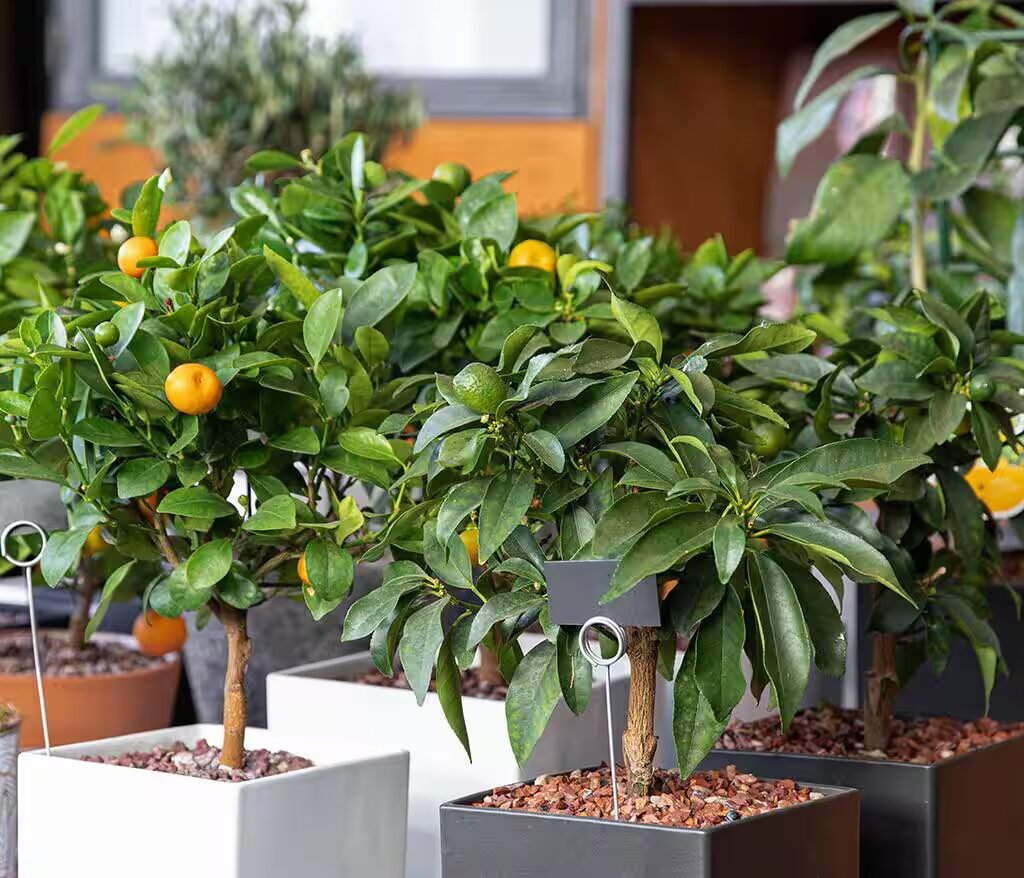
How to Grow Clementine Trees Indoors and Outdoors: A Complete Beginner’s Guide to Sweet Success

How to Grow Clementine Trees Indoors and Outdoors: A Complete Beginner’s Guide to Sweet Success

Clementine trees, with their glossy green leaves, fragrant white flowers, and juicy, seedless fruits, are among the most rewarding citrus trees you can grow. Whether you have a sunny balcony, a cozy living room corner, or a small backyard, these delightful trees can thrive both indoors and outdoors with the right care.

If you’ve always wanted to enjoy the fresh, tangy-sweet flavor of homegrown clementines, this guide will walk you through everything — from planting and soil preparation to watering, pruning, and harvesting. Let’s dive into this detailed beginner’s guide to growing Clementine trees indoors and outdoors successfully.


1. Why Grow Clementine Trees at Home?

Growing your own clementine tree is not just about harvesting delicious fruit — it’s also about adding life and fragrance to your space. Clementine trees are compact, ornamental, and easy to care for, making them ideal for beginners.

Here are some top reasons to grow them:

  • Space-Friendly: Dwarf clementine varieties are perfect for pots or small gardens.
  • Aromatic Appeal: The blossoms release a heavenly citrus fragrance that freshens the air indoors.
  • Year-Round Beauty: Evergreen foliage and colorful fruit make them visually stunning all year long.
  • Homegrown Flavor: Freshly picked clementines are sweeter, juicier, and richer in flavor than store-bought ones.

Whether you’re a city gardener or a countryside grower, a potted clementine tree brings a refreshing burst of sunshine into your home.


2. Choosing the Right Clementine Variety

To ensure success, it’s best to start with a dwarf or semi-dwarf variety suitable for container growing. Popular options include:

  • ‘Clementine de Nules’ – A classic variety with sweet, seedless fruit and compact growth.
  • ‘Algerian Clementine’ – Great for outdoor planting in warmer climates; known for early fruiting.
  • ‘Nules’ – A high-yielding dwarf variety ideal for indoor pots.

Look for grafted trees from a nursery rather than starting from seed — grafted plants produce fruit in 2–3 years, while seed-grown ones may take 6–7 years or more.


3. The Perfect Pot and Location

Clementines grow well in pots as long as you provide good drainage and adequate sunlight.

Pot Requirements:

  • Use a 20–24 inch wide pot with several drainage holes.
  • Choose lightweight materials like plastic, ceramic, or fiberglass for easy movement.
  • Add a layer of pebbles or broken terracotta at the bottom to prevent waterlogging.

Ideal Location:

  • Indoors: Place near a south-facing window where the tree gets at least 6–8 hours of sunlight daily.
  • Outdoors: Position the pot in a sunny spot, sheltered from strong winds.

If you live in a cooler region, you can keep the tree outdoors in summer and move it indoors during winter.


4. Preparing the Right Soil Mix

Clementine trees prefer well-draining, slightly acidic soil (pH 6–7). A good mix ensures the roots stay healthy and oxygenated.

DIY Potting Mix Recipe:

  • 1 part high-quality garden soil or compost
  • 1 part coco peat or peat moss (for moisture retention)
  • 1 part perlite or coarse sand (for drainage)
  • Add a handful of organic compost or citrus fertilizer

Avoid dense, clay-heavy soils that hold water. Good drainage is essential to prevent root rot.


5. How to Plant Your Clementine Tree

Once your pot and soil mix are ready, planting is simple:

  1. Fill the pot halfway with your soil mix.
  2. Carefully place the young clementine tree in the center.
  3. Fill around the roots, keeping the graft line (the swollen joint on the stem) above soil level.
  4. Press gently to remove air pockets.
  5. Water deeply until water flows out of the drainage holes.

Tip: Add a thin mulch layer (like dry leaves or straw) to retain soil moisture and regulate temperature.


6. Watering Schedule

Clementine trees love consistent moisture but dislike sitting in soggy soil. The goal is to keep the soil evenly moist, not wet.

Watering Guidelines:

  • Water every 2–3 days in warm weather.
  • During winter, reduce watering to once a week.
  • Always check the top inch of soil — if it feels dry, it’s time to water.

Avoid overwatering, which causes yellow leaves and root rot. If the leaves droop slightly, that’s a sign the plant needs water.


7. Feeding and Fertilization

To get healthy foliage and sweet fruits, your clementine tree needs regular feeding.

Fertilizer Schedule:

  • Spring: Apply a balanced fertilizer (10-10-10 NPK) every 4–6 weeks.
  • Summer: Use a citrus fertilizer rich in micronutrients like magnesium, zinc, and iron.
  • Fall: Add potassium-rich fertilizer to support fruit development.

Organic options like vermicompost, bone meal, or liquid seaweed extract are also excellent for sustained nutrition.

Tip: Avoid over-fertilizing, as too much nitrogen can encourage leafy growth but reduce fruit yield.


8. Sunlight and Temperature Needs

Clementines are sun-loving plants. Ensure they get at least 6–8 hours of sunlight daily for strong growth and fruiting.

  • Ideal Temperature: Between 15°C and 30°C (59°F–86°F).
  • Winter Protection: If temperatures drop below 10°C (50°F), bring the pot indoors or cover it with a frost cloth.

If growing indoors, supplement natural light with LED grow lights during short winter days.


9. Pollination Tips

Clementine trees are self-pollinating, meaning they can produce fruit without another tree. However, hand pollination can increase yield, especially for indoor plants.

To Hand Pollinate:

  1. Use a soft brush or cotton swab.
  2. Gently collect pollen from one flower and brush it onto another.
  3. Repeat this for several flowers to boost fruit set.

If your tree is outdoors, bees and other pollinators will handle this naturally.


10. Pruning and Maintenance

Pruning keeps your tree healthy, compact, and full of fruit.

When to Prune:

  • Early spring, before new growth begins.
  • After harvesting, to shape the plant and remove old wood.

How to Prune:

  • Remove any dead, damaged, or crossing branches.
  • Trim off shoots growing from below the graft union.
  • Lightly thin out the canopy to improve air circulation.

Regular pruning encourages better light penetration and stronger fruiting.


11. Common Problems and Solutions

Clementine trees are relatively hardy, but they can face a few challenges:

1. Yellow Leaves:

  • Caused by overwatering or lack of nutrients.
  • Solution: Adjust watering schedule and add a citrus fertilizer.

2. Leaf Drop:

  • Often due to sudden temperature changes or low humidity.
  • Solution: Mist the leaves regularly and maintain stable indoor conditions.

3. Pests (Aphids, Spider Mites, Whiteflies):

  • Spray neem oil or insecticidal soap once a week.

4. No Fruits:

  • Caused by insufficient sunlight or nutrients.
  • Solution: Move the plant to a sunnier spot and feed with a potassium-rich fertilizer.

12. Harvesting Your Clementines

Clementine trees generally start bearing fruit 2–3 years after planting (if grafted). The fruits typically mature in late autumn to winter.

Signs of Ripeness:

  • The peel turns bright orange and feels slightly loose.
  • Fruits emit a sweet citrus aroma.
  • When gently tugged, the fruit separates easily from the branch.

Harvest with pruning shears or scissors to avoid damaging branches.

Pro Tip: Leave the fruit on the tree a bit longer for sweeter flavor — they don’t continue ripening after picking.


13. Winter Care for Indoor and Outdoor Trees

Clementines are sensitive to frost. Proper winter care is essential to keep your plant healthy through the cold season.

For Outdoor Trees:

  • Move pots indoors or into a greenhouse if temperatures drop below 10°C (50°F).
  • Wrap pots with burlap or bubble wrap to protect roots.

For Indoor Trees:

  • Place near a sunny window or under grow lights.
  • Reduce watering frequency.
  • Avoid placing near heating vents that can dry out the leaves.

14. Repotting Your Clementine Tree

As your tree grows, repot it every 2–3 years to refresh the soil and allow root expansion.

Steps to Repot:

  1. Choose a new pot 2–3 inches wider than the previous one.
  2. Remove the tree gently and trim any circling roots.
  3. Refill with fresh soil mix and water thoroughly.

Repotting boosts nutrient availability and promotes new growth.


15. Enjoying Your Homegrown Clementines

Once your tree starts fruiting, you’ll enjoy a steady supply of juicy, seedless clementines — perfect for snacking, juicing, or adding to desserts and salads. Homegrown fruits taste richer and fresher than anything you’ll find at the market.


Final Thoughts

Growing clementine trees indoors or outdoors is one of the most rewarding gardening experiences. These cheerful citrus trees add color, fragrance, and freshness to your space while producing delicious fruits with minimal effort.

Remember: give your clementine tree plenty of sunlight, good drainage, consistent watering, and a touch of care, and it will reward you with sweet, fragrant harvests for years to come.

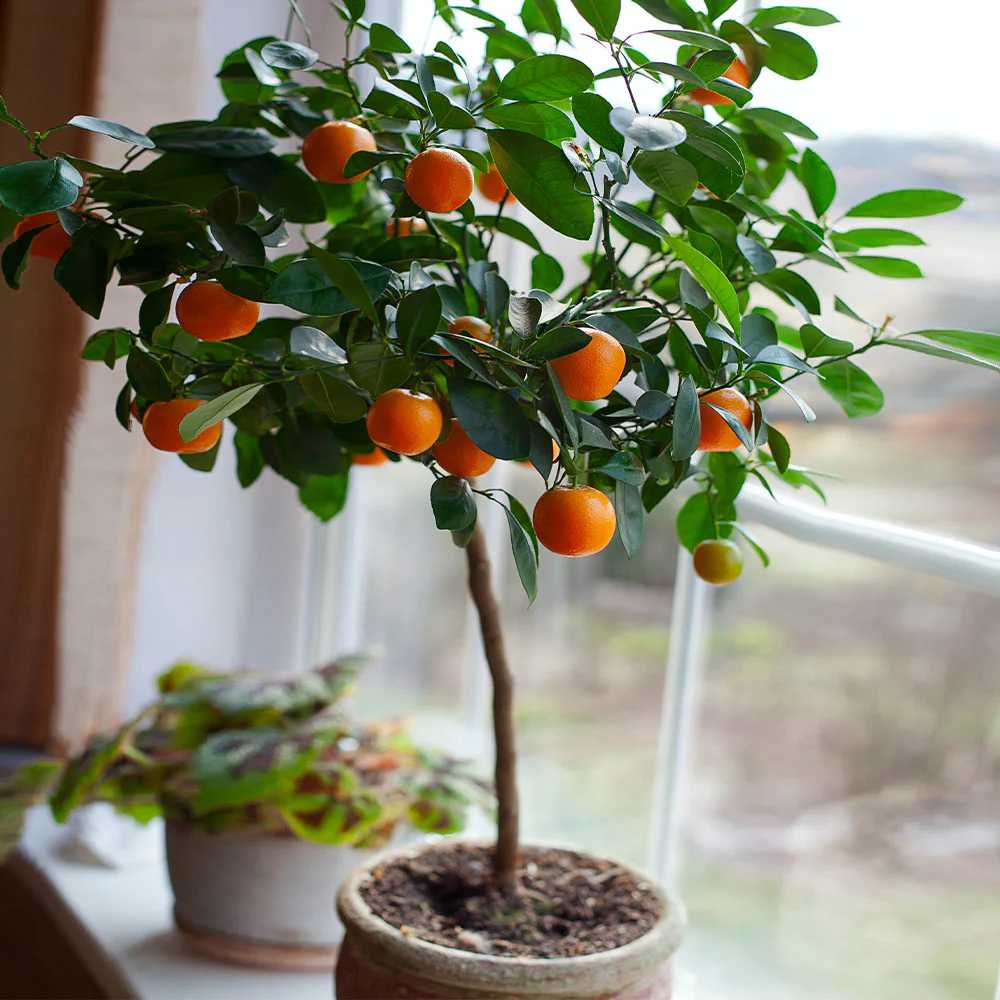
How to Grow Tangerine Fruit in Pots at Home: Easy Steps for a Healthy and Fruity Citrus Tree

How to Grow Tangerine Fruit in Pots at Home: Easy Steps for a Healthy and Fruity Citrus Tree

Growing your own tangerine tree at home is easier than you might think — even if you don’t have a large garden! Tangerines, a sweet and tangy citrus fruit from the orange family, can thrive beautifully in containers when given proper care. Their fragrant blossoms, glossy green leaves, and delicious fruits make them a perfect addition to balconies, patios, or small backyards.

In this detailed guide, you’ll learn everything you need to know about how to grow tangerine fruit in pots at home, from selecting the right pot and soil mix to watering, pruning, and harvesting. Let’s dive into the world of homegrown citrus and discover how you can enjoy fresh, juicy tangerines straight from your own container garden.

1. Why Grow Tangerines in Pots?

Growing tangerines in pots offers flexibility and accessibility for every gardener. Whether you live in an apartment or have limited garden space, container gardening allows you to enjoy the beauty and taste of citrus trees right at home.

Here are some major benefits:

  • Portability: You can easily move your tangerine tree indoors during the winter or place it in sunny spots as needed.
  • Pest Control: Container gardening helps reduce exposure to soil-borne pests and diseases.
  • Space-Saving: Perfect for balconies, patios, or rooftop gardens.
  • Control Over Conditions: You can adjust soil quality, watering, and fertilization more easily than in-ground trees.

2. Choosing the Right Tangerine Variety

When growing tangerines in containers, it’s best to choose dwarf or semi-dwarf varieties that adapt well to limited space. Some of the most recommended types for pot cultivation include:

  • Dancy Tangerine: Known for its rich flavor and easy peeling.
  • Clementine (Mandarin Orange): Small, sweet, and seedless—ideal for beginners.
  • Honey Tangerine (Murcott): Produces juicy and sweet fruits.
  • Sunburst Tangerine: Compact size and high yield, great for containers.

Dwarf tangerine trees usually grow between 4 to 6 feet tall, making them ideal for container gardening.


3. Choosing the Right Pot and Location

A healthy tangerine tree begins with the right container. Here’s what to keep in mind:

  • Size: Choose a pot that’s at least 18–24 inches wide and deep. This size allows proper root development.
  • Material: Use plastic, ceramic, or wooden pots with good drainage holes. Avoid heavy clay pots that retain too much water.
  • Drainage: Ensure at least 3–4 holes at the bottom of the container to prevent root rot.

Location Tip:
Tangerine trees love sunshine. Place your pot where the plant receives 6–8 hours of direct sunlight daily. South- or west-facing balconies and patios are perfect.


4. Preparing the Ideal Soil Mix

The right soil mixture is key for strong root growth and fruit production. Tangerines prefer well-draining, slightly acidic soil.

Best Soil Mix for Tangerines in Pots:

  • 1 part garden soil or compost
  • 1 part coco peat or peat moss
  • 1 part perlite or coarse sand
  • Add a handful of organic compost or well-rotted cow manure

This blend ensures good aeration and moisture balance. Avoid heavy, clay-rich soil that holds excess water.

Pro Tip:
Add a small amount of bone meal or citrus fertilizer when planting to encourage root development and flowering.


5. Planting the Tangerine Tree

Once your soil and pot are ready, it’s time to plant your tangerine:

  1. Fill the pot halfway with the prepared soil mix.
  2. Place the young tangerine sapling (or grafted plant) in the center.
  3. Fill the rest of the pot, covering the roots but keeping the crown just above the soil surface.
  4. Gently press down the soil to eliminate air pockets.
  5. Water thoroughly until excess water drains out from the bottom holes.

If you’re planting from seed, note that grafted plants produce fruit much faster (2–3 years) compared to seed-grown trees (which can take 5–7 years).


6. Watering Your Tangerine Tree

Tangerines love moisture but don’t tolerate soggy roots. The key is consistent but moderate watering.

  • In warm months, water every 2–3 days, ensuring the top inch of soil remains moist.
  • In cooler months, reduce watering to once a week.
  • Always check moisture levels before watering again—use your finger to test the topsoil.

Avoid overwatering, which leads to yellow leaves and root rot. Using a mulch layer of dry leaves or coco husk helps retain moisture and reduce evaporation.


7. Feeding and Fertilizing

To keep your tangerine tree healthy and productive, you need regular feeding.

Fertilizing Schedule:

  • Spring (Growth Stage): Use a balanced fertilizer like 10-10-10 NPK every 4–6 weeks.
  • Summer (Flowering Stage): Apply a citrus-specific fertilizer or liquid seaweed solution.
  • Fall (Fruit Formation): Use a potassium-rich fertilizer to promote sweet, juicy fruits.

You can also add organic compost, banana peel powder, or vermicompost every month for steady nutrient supply.


8. Pruning and Maintenance

Pruning helps shape your tree, improve air circulation, and boost fruit production.

  • Remove dead, diseased, or crossing branches regularly.
  • Pinch off new shoots growing from the base or below the graft union.
  • After fruiting season, prune lightly to maintain a compact shape.

A small pruning session every few months keeps your tangerine tree healthy and manageable in its container.


9. Pollination Tips

Tangerine flowers are self-pollinating, meaning they can produce fruit without a second tree. However, hand pollination can improve yield if you’re growing indoors or in a balcony garden.
To hand pollinate:

  • Use a small, soft brush or cotton swab.
  • Gently transfer pollen from one flower to another.

Bees and butterflies will handle this naturally if your plant is outdoors.


10. Common Pests and Problems

Container-grown tangerines can sometimes face pest issues. Watch for these common problems:

  • Aphids and Whiteflies: Spray neem oil or insecticidal soap.
  • Spider Mites: Mist the leaves regularly and use neem oil.
  • Yellow Leaves: Usually caused by overwatering or nutrient deficiency.
  • Poor Fruit Set: Can result from lack of sunlight or irregular watering.

Keep the leaves clean and inspect your plant weekly to prevent infestations.


11. Harvesting Your Homegrown Tangerines

Depending on the variety, tangerines take about 8–10 months from flowering to harvest.

Signs of Ripeness:

  • The fruit turns bright orange.
  • The peel becomes slightly loose.
  • The fruit gives off a sweet citrus fragrance.

Harvest gently using scissors or pruning shears to avoid damaging the branches. A well-cared-for container tree can produce 20–50 fruits annually, depending on its age and variety.


12. Winter Care for Tangerine Trees

Tangerines are tropical plants and sensitive to frost. During winter:

  • Move your pots indoors or near a sunny window.
  • Maintain temperatures above 10°C (50°F).
  • Reduce watering and avoid fertilizing.
  • Use grow lights if sunlight is limited.

If you live in a frost-prone region, wrap your pots with burlap or place them in a sheltered area during cold nights.


Final Thoughts

Growing tangerine trees in pots at home is a fun and rewarding experience. With a bit of care, you can enjoy the sight of glossy leaves, fragrant blossoms, and juicy, homegrown fruits right on your balcony or patio. The secret lies in sunlight, proper watering, and regular feeding — and your tangerine tree will thank you with a generous harvest.

So, why wait? Start your citrus journey today and watch your container garden come alive with the vibrant colors and aroma of sweet, tangy tangerines.

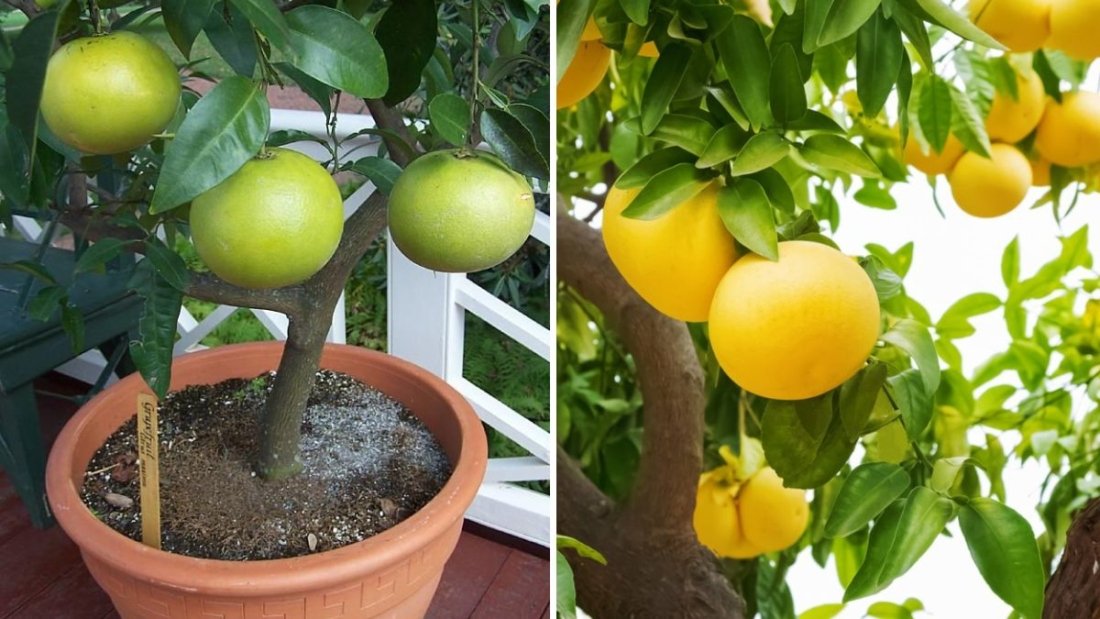
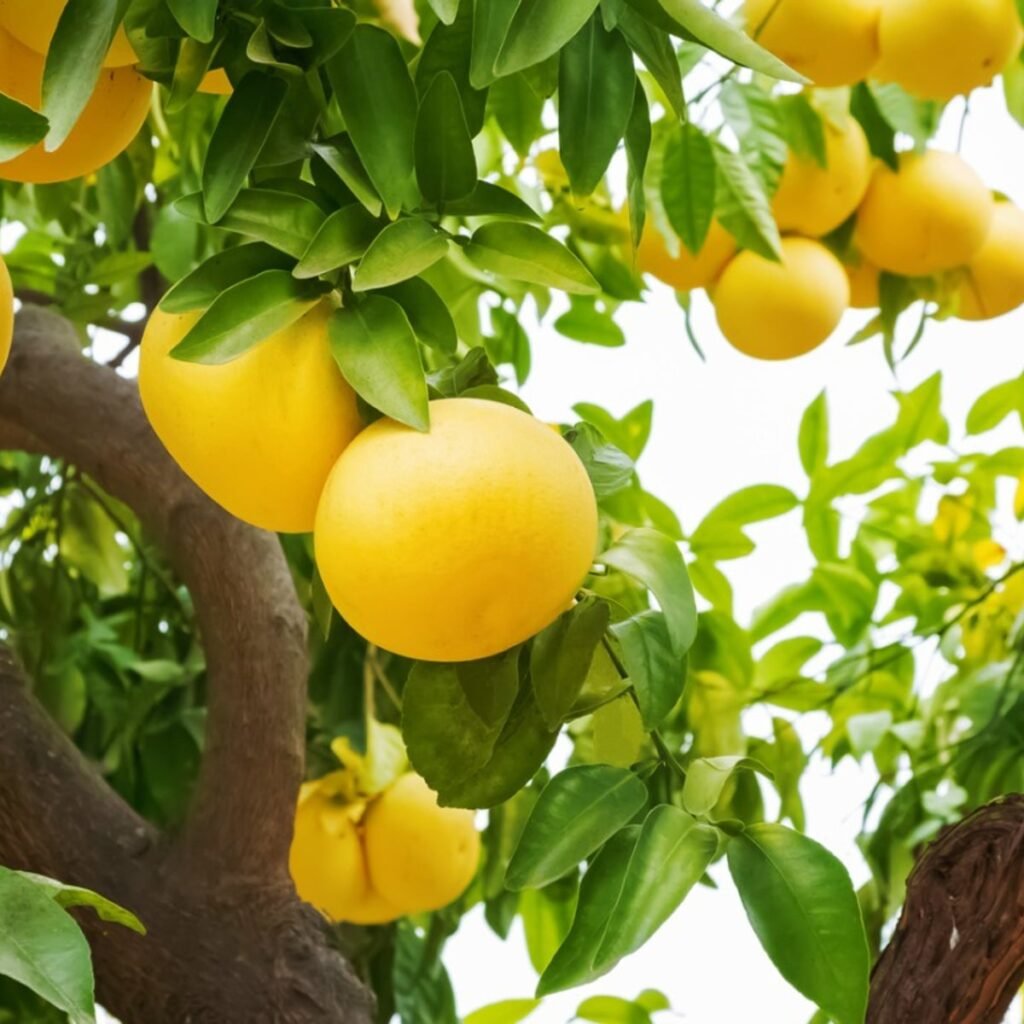
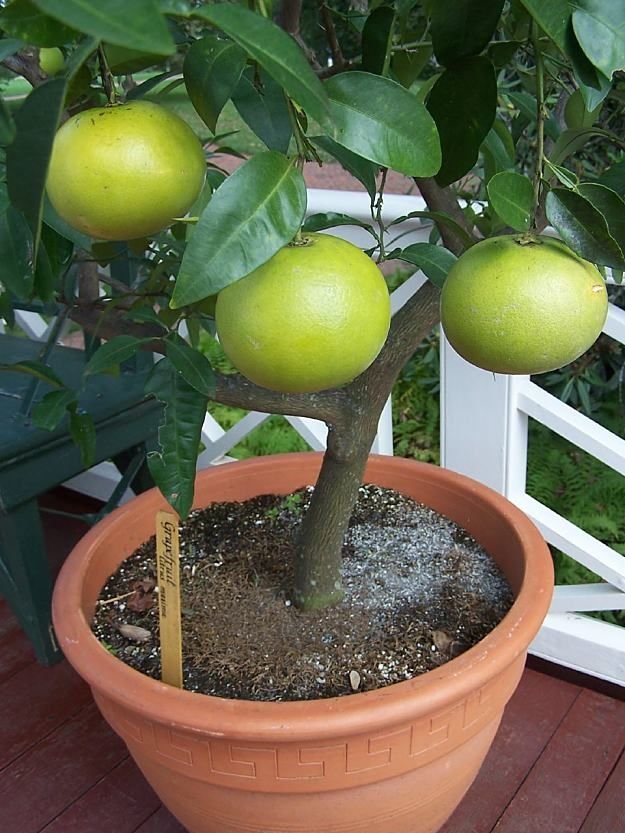
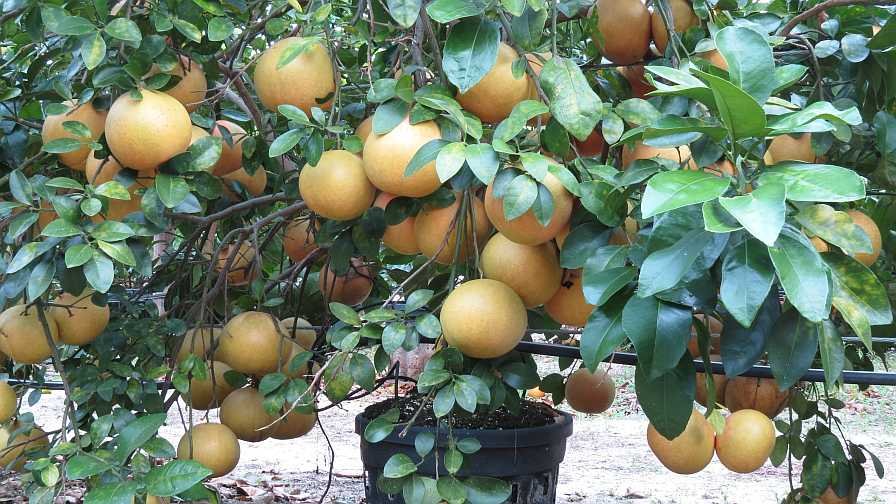
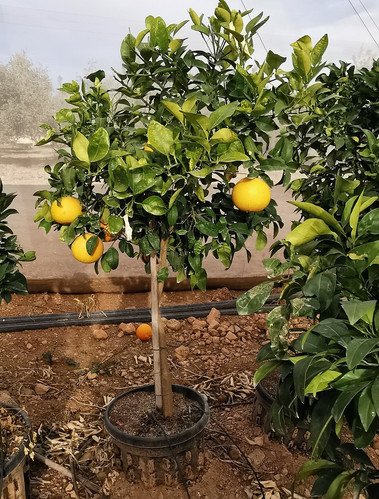
You’ll Be Surprised to See How Easy It Is to Grow a Grapefruit Tree in a Pot Full of Fruits

You’ll Be Surprised to See How Easy It Is to Grow a Grapefruit Tree in a Pot Full of Fruits

Have you ever dreamed of picking fresh, juicy grapefruits right from your balcony or patio? You might think that growing such large citrus fruits requires a big garden, but you’ll be surprised to learn that growing a grapefruit tree in a pot is not only possible—it’s also incredibly rewarding.

With the right container, soil, and care, you can enjoy your own compact yet highly productive grapefruit tree that bears beautiful fruits year after year. This detailed guide will show you exactly how to grow a grapefruit tree in a pot—just like the one in the YouTube video “You’ll Be Surprised to See How I Grow a Grapefruit Tree in a Pot Full of Fruits.”


Why Grow a Grapefruit Tree in a Pot?

Grapefruit trees are typically large and can grow up to 20 feet tall in the ground. However, when grown in pots, they adapt beautifully to smaller spaces, staying compact while still producing abundant fruit.

Here’s why container-growing is a fantastic idea:

  • Perfect for small spaces: You can grow them on balconies, patios, or rooftops.
  • Easily movable: Move your tree to catch the best sunlight or protect it from frost.
  • Faster fruiting: Container-grown trees tend to mature and bear fruit earlier with proper care.
  • Better control: You can control soil type, water, and nutrients easily.

1. Choosing the Right Grapefruit Variety

The first step is to select a dwarf or semi-dwarf variety—these are best suited for container growing and still produce full-sized fruits.

Popular container-friendly varieties include:

  • ‘Duncan’: Classic, juicy, and slightly tart.
  • ‘Ruby Red’: Sweet and seedless with pink flesh.
  • ‘Oro Blanco’: Mild, low-acid fruit with pale yellow flesh.
  • ‘Marsh Seedless’: Easy to peel and rich in flavor.

Look for a grafted tree from a reputable nursery. Grafted plants grow faster, resist diseases better, and produce fruit within 2–3 years.


2. Choosing the Right Container

The container is the foundation of your tree’s success.

  • Size: Start with a pot that’s at least 18–24 inches deep and wide. As your tree grows, transplant it into a larger one (up to 30–40 gallons).
  • Material: Clay, ceramic, or high-quality plastic pots work well. Ensure there are multiple drainage holes to prevent root rot.
  • Drainage Layer: Add small stones, gravel, or broken terracotta pieces at the bottom of the pot before filling with soil.

A pot with good drainage ensures that excess water doesn’t accumulate, keeping your grapefruit’s roots healthy.


3. Preparing the Perfect Soil Mix

Grapefruit trees thrive in well-draining, slightly acidic soil (pH 5.5–6.5).

Here’s a great potting mix recipe for citrus:

  • 2 parts high-quality potting soil
  • 1 part perlite or coarse sand (for drainage)
  • 1 part compost or well-rotted manure (for nutrients)

Mix thoroughly and fill the pot, leaving about 3 inches of space from the top to allow for watering.


4. Planting Your Grapefruit Tree

Now it’s time to plant your tree!

  1. Gently remove the tree from its nursery pot, being careful not to damage the roots.
  2. Place it in the new pot, ensuring the root ball is slightly above the soil line to prevent rot.
  3. Fill in the sides with your prepared soil mix, firming gently around the roots.
  4. Water deeply until water drains from the bottom holes.

If you’re planting a young cutting, ensure at least one node is under the soil surface.


5. Sunlight Requirements

Like all citrus trees, grapefruit needs plenty of sunlight to grow and produce fruit.

  • Ensure your tree gets at least 6–8 hours of direct sunlight daily.
  • If growing indoors, place it near a south-facing window or use grow lights to supplement natural light.
  • Rotate the pot occasionally so all sides receive even sunlight exposure.

A lack of sunlight can result in fewer fruits and slower growth.


6. Watering the Right Way

Consistent watering is crucial for container-grown citrus trees—but too much or too little can be harmful.

  • Water deeply whenever the top 2 inches of soil feel dry.
  • In hot weather, this might mean watering every 2–3 days.
  • Reduce watering in winter, but never let the soil completely dry out.
  • Always ensure excess water drains freely.

To maintain humidity, especially indoors or during dry months, mist the leaves occasionally or place a tray of water near the pot.


7. Feeding Your Grapefruit Tree

Grapefruit trees are heavy feeders, especially in pots where nutrients can leach out quickly.

Use a balanced citrus fertilizer rich in nitrogen, iron, magnesium, and micronutrients.

  • Fertilize every 4–6 weeks from spring through late summer.
  • Stop feeding in winter when growth slows down.
  • You can also apply liquid seaweed or compost tea monthly for added nutrients.

If you notice yellowing leaves, it’s a sign your tree needs more nutrients, especially nitrogen or iron.


8. Pruning and Shaping Your Tree

Regular pruning helps your tree stay compact, healthy, and productive.

  • When to prune: Late winter or early spring before new growth starts.
  • How to prune:
    • Remove any dead, weak, or crossing branches.
    • Trim back long shoots to maintain shape.
    • Cut off suckers growing from below the graft line.

Good pruning encourages air circulation and better sunlight penetration—key factors for abundant fruiting.


9. Pollination Tips

Grapefruit trees are self-pollinating, meaning one tree can bear fruit on its own. However, more pollination means more fruit.

If growing indoors where bees can’t reach the flowers, you can hand-pollinate using a soft paintbrush or cotton swab. Gently brush the inside of one flower and transfer the pollen to another.

This simple trick can significantly increase your fruit set!


10. Protecting Your Tree from Pests and Diseases

Common pests include aphids, spider mites, scale insects, and whiteflies.

Here’s how to control them naturally:

  • Wipe leaves with a soft cloth dipped in mild soapy water.
  • Spray with neem oil once every two weeks during pest infestations.
  • Keep the plant clean and remove any fallen leaves from the pot.

Avoid overwatering, as soggy conditions can lead to fungal infections like root rot.


11. Winter Care and Temperature Management

Grapefruit trees prefer warm temperatures between 20°C and 32°C (68°F–90°F).

If you live in a region with cold winters:

  • Move your potted tree indoors or to a sheltered spot before the first frost.
  • Keep it in a bright, warm area away from cold drafts.
  • Reduce watering slightly during the winter months.
  • Use a humidifier or misting bottle to maintain humidity levels.

12. Flowering and Fruiting Stage

Your grapefruit tree will start flowering in spring, filling your space with a sweet, citrusy fragrance.

Once pollinated, the flowers will develop into small green fruits that gradually grow larger and turn golden or pink, depending on the variety.

Patience is key—grapefruits take 8–12 months to mature after flowering. However, once they ripen, they’ll stay on the tree for several weeks, allowing you to harvest gradually.


13. Harvesting Your Homegrown Grapefruits

The best part of growing your own grapefruit tree in a pot is the harvest!

  • Fruits are ready when they turn fully yellow or pink (depending on variety) and feel heavy.
  • Taste one before picking the rest—grapefruits get sweeter the longer they stay on the tree.
  • Use pruning shears or scissors to cut the fruit off cleanly, avoiding damage to the stem.

Homegrown grapefruits are juicier and more flavorful than store-bought ones, plus they’re free from chemicals and pesticides.


14. Common Problems and Solutions

ProblemPossible CauseSolution
Yellow leavesOverwatering or nutrient deficiencyAdjust watering; apply citrus fertilizer
No flowers or fruitLack of sunlight or pruningMove to sunnier spot; prune lightly
Leaf dropSudden temperature changes or low humidityKeep stable temperature and mist leaves
Small fruitsInconsistent watering or poor feedingMaintain regular watering and fertilization schedule

15. Repotting for Continued Growth

As your tree matures, it will eventually outgrow its container. Every 2–3 years, repot it into a slightly larger pot with fresh soil.

  • Trim 10–20% of the old roots if necessary.
  • Replace the old soil with a fresh, nutrient-rich mix.
  • Water deeply and allow the plant to settle before fertilizing again.

This ensures your tree remains healthy and productive for many years.


Final Thoughts

Growing a grapefruit tree in a pot may sound challenging, but with the right care and patience, it’s surprisingly easy—and incredibly satisfying. From a small potted plant, you can enjoy a lush green tree covered with blossoms and eventually, large, juicy fruits that taste far superior to anything from the market.

Whether you’re gardening on a sunny balcony, rooftop, or small backyard, a potted grapefruit tree brings both beauty and bounty to your space.

So, follow these simple steps, give your citrus tree a little love, and soon you’ll be proudly showing off your own grapefruit tree full of fruits—grown right in a pot!

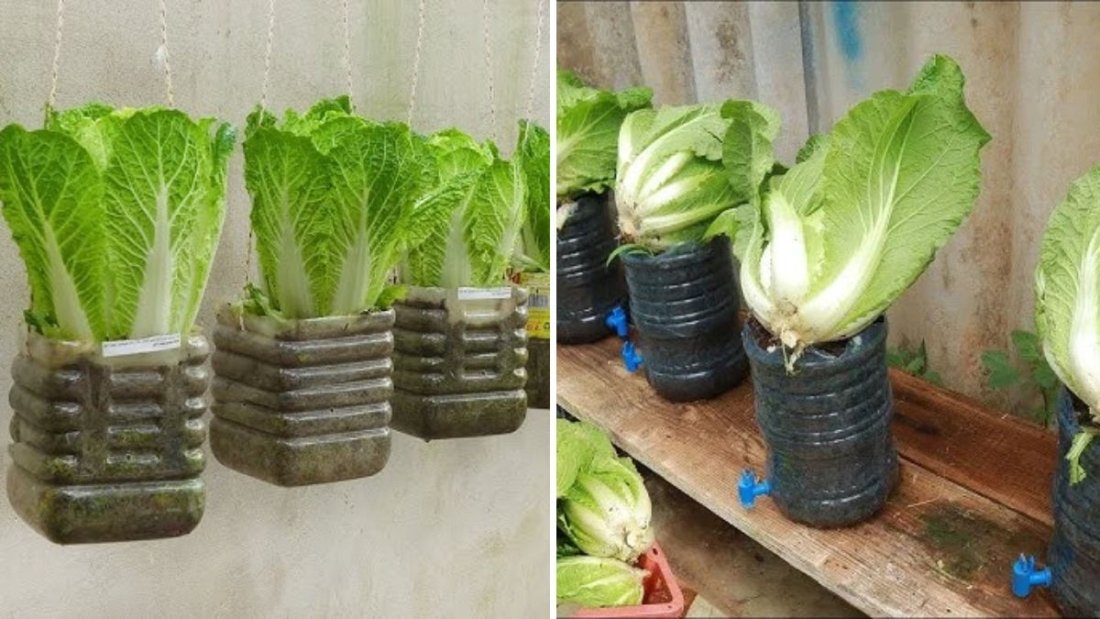
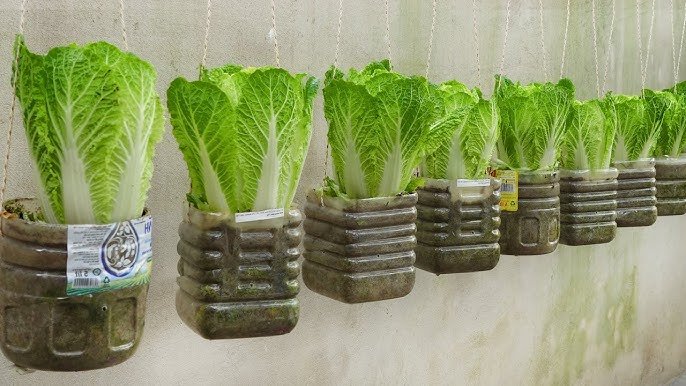
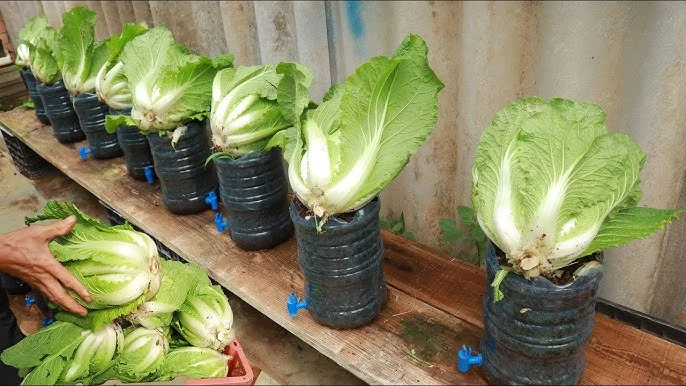
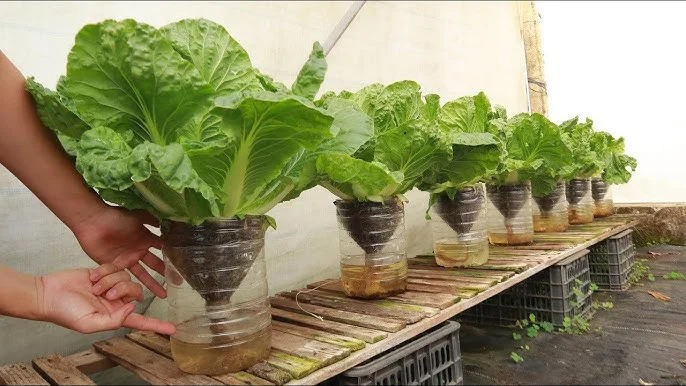
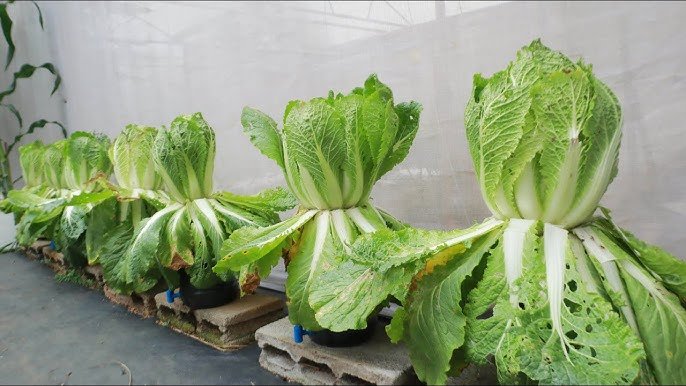
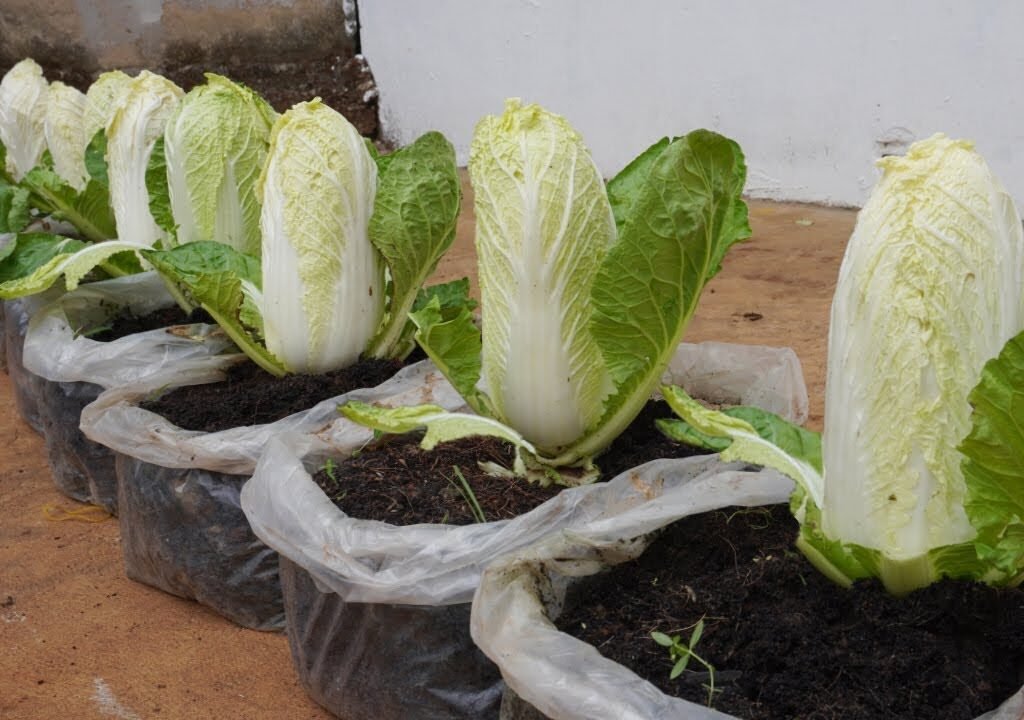
Innovative Way to Grow Napa Cabbage in Plastic Bags: Fast-Growing, Easy, and Perfect for Small Spaces

Innovative Way to Grow Napa Cabbage in Plastic Bags: Fast-Growing, Easy, and Perfect for Small Spaces

Growing your own fresh vegetables doesn’t always require a big garden or fancy equipment. In fact, with a bit of creativity, you can grow nutritious greens right on your balcony, terrace, or backyard using simple household items. One of the best examples is growing Napa cabbage (Chinese cabbage) in plastic bags — a smart, space-saving, and fast-growing technique that’s gaining popularity among home gardeners.

This method combines the principles of container gardening with the natural adaptability of Napa cabbage, allowing even beginners to enjoy crisp, tender leaves in just a few weeks. Whether you’re a seasoned gardener or a first-time grower, this easy and effective technique will help you harvest healthy, delicious cabbages from the comfort of your home.

In this detailed guide, we’ll cover everything you need to know — from selecting seeds and preparing plastic bags to maintaining, harvesting, and enjoying your fresh Napa cabbage crop.


Why Grow Napa Cabbage in Plastic Bags?

Napa cabbage (Brassica rapa subsp. pekinensis), also known as Chinese cabbage, is a cool-season vegetable loved for its sweet, mild flavor and tender texture. It’s an essential ingredient in many Asian dishes, such as stir-fries, soups, and kimchi.

Here’s why growing Napa cabbage in plastic bags is such a great idea:

  • Space-saving: Perfect for urban gardening or small spaces.
  • Mobility: You can easily move the bags to catch sunlight or protect them from harsh weather.
  • Low cost: Plastic bags are cheap or easily recycled from packaging.
  • Water-efficient: Plastic helps retain soil moisture and reduces evaporation.
  • Faster growth: Controlled soil conditions promote quick root development and healthy growth.

This innovative approach is practical, sustainable, and surprisingly productive — making it an excellent solution for gardeners with limited space or budget.


Choosing the Right Variety of Napa Cabbage

For plastic bag gardening, select compact or fast-maturing Napa cabbage varieties. Some excellent choices include:

  • ‘Michihili’ – A long, slender variety that matures quickly (around 60 days).
  • ‘Monument’ – Produces dense, upright heads ideal for smaller containers.
  • ‘Blues’ – Resistant to bolting and adaptable to various climates.
  • ‘China Express’ – Compact, crisp, and perfect for urban setups.

Choose a variety that matches your local climate — cooler regions will favor spring or autumn planting, while warmer areas can grow it almost year-round with partial shade.


Materials You’ll Need

To get started with growing Napa cabbage in plastic bags, you’ll need just a few simple items:

  • Large plastic bags (preferably 5–10 liters capacity)
  • Potting mix (or garden soil enriched with compost)
  • Napa cabbage seeds
  • A watering can or spray bottle
  • Organic fertilizer (like compost, vermicompost, or liquid seaweed)
  • A sharp object (like a knife or stick) for drainage holes

Optional: Mulch, shade net, and natural pest repellents (like neem oil).


Step 1: Preparing the Plastic Bags

The key to success is ensuring proper drainage and aeration in your plastic bags.

  1. Choose sturdy bags that can hold soil without tearing. Reused rice sacks or fertilizer bags are ideal.
  2. Make drainage holes at the bottom and sides using a knife or scissors to prevent waterlogging.
  3. Fill the bags with potting mix — about two-thirds full. A good mix would be:
    • 40% garden soil
    • 40% compost or organic manure
    • 20% coco peat or sand (for aeration)
  4. Moisten the soil lightly before planting to help seeds germinate faster.

Tip: If you’re using black plastic bags, line the inner surface with a light-colored cloth or reflective sheet to prevent overheating in direct sunlight.


Step 2: Planting Napa Cabbage Seeds

You can start Napa cabbage from seeds directly in the plastic bag or transplant seedlings later.

Direct Sowing Method:

  • Make small holes (¼ inch deep) in the center of the bag.
  • Drop 2–3 seeds per hole and cover lightly with soil.
  • Mist the surface gently with water.
  • After germination (5–7 days), thin out weaker seedlings, leaving only the strongest one per bag.

Transplanting Method:
If you’ve started seeds in trays, wait until seedlings have 3–4 true leaves before transplanting them into bags. Carefully handle the roots to avoid shock.


Step 3: Ideal Growing Conditions

Napa cabbage thrives in cool, moist environments with moderate sunlight.

  • Temperature: 13°C–24°C (55°F–75°F) is ideal.
  • Sunlight: 4–6 hours of direct sunlight per day. If it’s too hot, provide partial shade.
  • Watering: Keep the soil consistently moist but not waterlogged. Water deeply every 2–3 days.
  • Humidity: Slightly humid conditions promote lush leaf growth.

Place the plastic bags in an area that receives morning sunlight and afternoon shade to avoid heat stress.


Step 4: Feeding and Care

To achieve fast growth and healthy cabbages, proper nutrition is essential.

Fertilization Schedule:

  1. At 2 weeks: Apply diluted organic liquid fertilizer or compost tea.
  2. At 4 weeks: Add vermicompost or well-rotted manure around the base.
  3. Every 10–15 days: Feed with a nitrogen-rich organic fertilizer to encourage leafy growth.

Mulching:
Cover the soil surface with straw, dried leaves, or coco husk to retain moisture and reduce temperature fluctuations.

Weeding:
Occasional weeding may be necessary, though plastic bags typically reduce weed growth significantly.


Step 5: Pest and Disease Management

Napa cabbage can be prone to common brassica pests like aphids, caterpillars, and flea beetles. But growing in plastic bags naturally reduces pest problems since the plants are elevated and more isolated.

Natural Pest Control Tips:

  • Spray neem oil solution (5 ml per liter of water) weekly as a preventive measure.
  • Use garlic or chili spray to repel insects naturally.
  • Remove damaged or yellowing leaves promptly.
  • Encourage beneficial insects like ladybugs and lacewings in your garden.
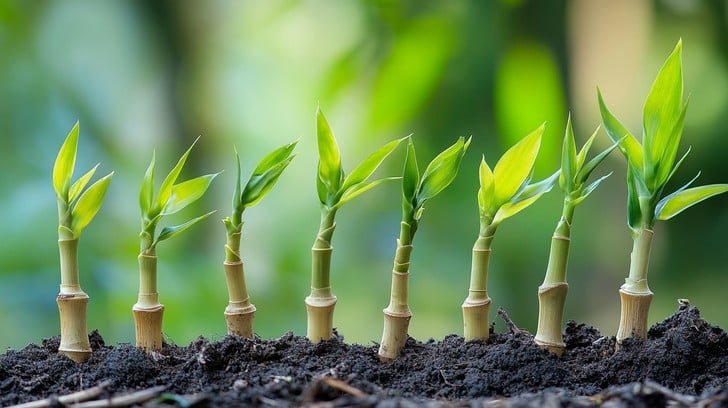
Keep an eye on leaf undersides, as that’s where pests usually hide. Healthy soil and regular watering go a long way in keeping plants strong and pest-resistant.


Step 6: Promoting Faster Growth

The secret to fast-growing Napa cabbage lies in consistent care and nutrient balance. Here are a few pro tips to accelerate growth:

  1. Consistent Moisture: Napa cabbage has shallow roots that dry out easily. Keep the soil evenly moist.
  2. Temperature Control: During hot days, move the bags to a shaded area.
  3. Frequent Feeding: Small, regular doses of organic fertilizer yield better results than large infrequent ones.
  4. Loose Soil: Occasionally loosen the top layer of soil to improve aeration and root activity.
  5. Spacing: If you’re growing multiple bags, keep at least 12–15 inches between them for air circulation.

Under optimal conditions, you can expect your cabbage heads to mature within 60–70 days.


Step 7: Harvesting Napa Cabbage

Knowing when and how to harvest Napa cabbage is key to enjoying crisp, tender leaves.

When to Harvest:

  • Most varieties are ready 60–80 days after planting.
  • Harvest when the head feels firm and compact when gently squeezed.
  • Avoid waiting too long — over-mature heads may split or turn bitter.

How to Harvest:

  • Cut the head off at the base using a sharp knife.
  • Leave the outer leaves and root system in the bag — they can sometimes regrow smaller side heads.
  • Clean gently to remove soil and old leaves.

You can store harvested Napa cabbage in a refrigerator for up to 2 weeks.


Step 8: Reusing the Soil and Bags

After harvesting, don’t throw away your growing setup! The soil and bags can be reused with a bit of care.

  • Remove old roots and refresh the soil with compost before planting again.
  • Rotate crops by planting leafy greens like lettuce or spinach next to prevent nutrient depletion.
  • Clean the bags with mild soap and water to prevent disease buildup.

Reusing materials not only saves money but also reduces plastic waste — making your gardening method more eco-friendly.


Benefits of This Plastic Bag Growing Method

This creative gardening method offers multiple benefits:

  • Cost-Effective: Uses recycled materials and requires minimal investment.
  • Portable: Easy to move, rotate, or rearrange for light and temperature control.
  • Low Maintenance: Reduced weeds, less water loss, and cleaner produce.
  • Year-Round Potential: You can grow indoors or outdoors depending on the season.
  • Eco-Friendly: Encourages reuse of plastic and promotes sustainable urban farming.

This approach allows anyone — even apartment dwellers — to grow nutritious vegetables without traditional land or garden beds.


Final Thoughts

Growing Napa cabbage in plastic bags is an excellent example of modern, practical urban farming. It proves that you don’t need vast farmland or expensive materials to produce fresh, healthy vegetables. With just a few recycled bags, some good soil, and regular care, you can enjoy crunchy, homegrown cabbage within two months.

This fast-growing, easy-to-manage technique not only provides fresh food for your table but also contributes to a more sustainable lifestyle. Whether you’re planting for personal use or small-scale sales, this innovative method is efficient, eco-friendly, and highly rewarding.

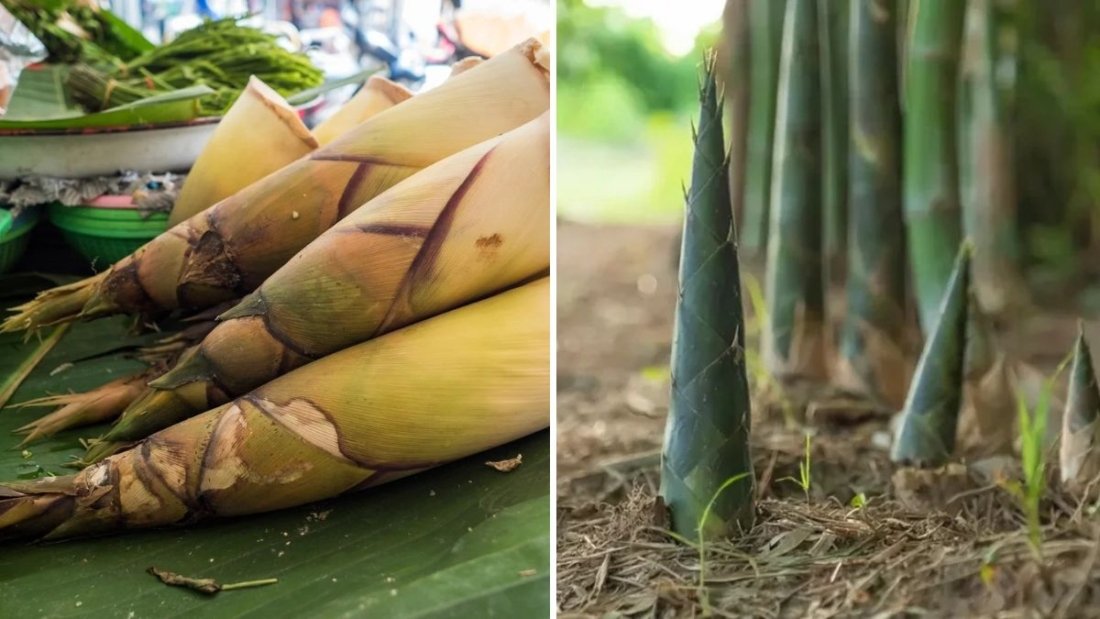
How to Grow Bamboo to Harvest Fast Bamboo Shoots: An Easy and Effective Agriculture Technology Guide

How to Grow Bamboo to Harvest Fast Bamboo Shoots: An Easy and Effective Agriculture Technology Guide

Bamboo is one of the fastest-growing and most versatile plants on Earth. From construction and furniture to food and paper, it serves countless purposes. But beyond its industrial uses, bamboo shoots are also a popular edible delicacy—rich in nutrients, low in fat, and loved in Asian cuisines. Growing bamboo for edible shoots can be a profitable and sustainable venture, especially if you use modern agricultural techniques to boost yield and growth speed.

In this detailed guide, we’ll explore how to grow bamboo for fast bamboo shoot harvests using simple yet effective agricultural methods. Whether you’re a home gardener or an aspiring bamboo farmer, these insights will help you cultivate a thriving bamboo plantation that produces tender, market-ready shoots in record time.


Understanding Bamboo: The Basics

Before diving into growing techniques, it’s essential to understand bamboo’s nature. Bamboo is a type of perennial grass, not a tree. It grows from underground rhizomes that spread horizontally and produce new shoots vertically. These shoots can grow several feet in a single day under ideal conditions.

There are two main types of bamboo:

  1. Clumping Bamboo (Sympodial) – Grows in tight clusters and spreads slowly. Best for small gardens or controlled cultivation.
  2. Running Bamboo (Monopodial) – Spreads aggressively through long underground rhizomes and covers large areas quickly. Ideal for commercial cultivation of shoots and poles.

For edible shoot production, species like Bambusa vulgaris, Dendrocalamus asper, and Phyllostachys edulis (Moso bamboo) are widely preferred due to their fast growth and tender shoots.


Choosing the Right Bamboo Variety

Selecting the right bamboo variety depends on your climate, soil, and purpose. For fast-growing edible shoots, consider these top options:

  • Bambusa vulgaris – A hardy species that grows quickly in tropical climates and produces large, tender shoots.
  • Dendrocalamus asper – Known for its thick, edible shoots and high yield; popular in Southeast Asia.
  • Phyllostachys edulis (Moso Bamboo) – Ideal for subtropical regions; valued both for timber and edible shoots.
  • Bambusa balcooa – Excellent for commercial use, as it produces high biomass and edible shoots.

Choose disease-resistant varieties with good shoot quality, depending on your local climate.


Site Selection and Soil Preparation

Bamboo thrives in sunny, well-drained, and nutrient-rich soil. Select a site that receives at least 6–8 hours of sunlight daily. Avoid waterlogged areas, as excessive moisture can rot the rhizomes.

Soil Preparation Steps:

  1. Clear the Area: Remove weeds, debris, and stones.
  2. Test the Soil: Bamboo prefers slightly acidic to neutral soil (pH 5.5–7).
  3. Add Organic Matter: Incorporate compost or well-rotted manure to improve fertility and soil texture.
  4. Loosen the Soil: Deep tilling helps aerate the soil and encourages root and rhizome growth.

A raised bed or gently sloping area ensures proper drainage and healthy root development.


Propagation: Planting Bamboo

Bamboo can be propagated through seeds, cuttings, or rhizome divisions, but for faster growth and uniformity, rhizome planting or culm cuttings are preferred.

Planting Steps:

  1. Spacing: Maintain a spacing of about 5–8 feet (1.5–2.5 meters) between plants to allow adequate growth and air circulation.
  2. Dig Holes: Create holes 1.5–2 feet deep and wide enough for the rhizome or root ball.
  3. Add Compost: Mix organic manure or compost into the hole before planting.
  4. Planting Depth: Place the rhizome horizontally with buds facing upward and cover lightly with soil.
  5. Watering: Water immediately after planting to help the rhizomes settle and establish.

In large-scale cultivation, bamboo is often planted in rows to make harvesting easier and ensure uniform spacing.


Watering and Irrigation Techniques

Bamboo loves moisture but dislikes standing water. Consistent irrigation is key to promoting rapid shoot growth.

  • Early Stage (First 3–6 months): Water every 2–3 days to keep the soil moist.
  • After Establishment: Once established, bamboo can tolerate short dry periods but will benefit from deep watering once or twice a week.
  • Drip Irrigation System: For commercial plantations, using a drip irrigation system ensures efficient water use and delivers nutrients directly to the roots.

Avoid overwatering, especially in clay soils. Proper drainage is essential to prevent rhizome rot.


Fertilization for Fast Growth

To harvest bamboo shoots quickly, consistent feeding is crucial. Bamboo responds well to nitrogen-rich fertilizers that promote leaf and shoot development.

Recommended Fertilizer Plan:

  • At Planting Time: Mix compost or organic manure into the soil.
  • After 2–3 Months: Apply nitrogen fertilizer (such as urea or ammonium sulfate).
  • Annual Feeding: Add a balanced NPK fertilizer (10-10-10 or 12-8-12) during the growing season.
  • Organic Boosters: Use liquid seaweed extract, vermicompost tea, or farmyard manure to enhance soil fertility naturally.

Mulching with organic matter like straw, dried leaves, or bamboo leaves helps retain soil moisture and adds nutrients as it decomposes.


Managing Weeds and Pests

Weeds can compete for nutrients, slowing down bamboo growth. Regular weeding, especially during the early growth stage, is essential. Mulching helps suppress weeds naturally.

Common Pests:

  • Bamboo borers and aphids can attack shoots and leaves.
  • Termites may damage the culms and roots.

Control Methods:

  • Use neem oil or organic insecticidal sprays.
  • Encourage beneficial insects like ladybugs.
  • Avoid chemical pesticides near edible shoots.

Maintaining healthy soil and moisture levels naturally prevents most pest problems.


Promoting Fast Bamboo Shoot Growth

If you want to harvest bamboo shoots quickly, focus on stimulating rhizome activity. Healthy rhizomes produce more shoots, which grow rapidly under optimal conditions.

Pro Tips for Faster Growth:

  1. Regular Watering: Keep the soil evenly moist but not soggy.
  2. Frequent Feeding: Apply organic fertilizers monthly during the growing season.
  3. Sunlight: Ensure full sun exposure for maximum photosynthesis.
  4. Mulching: Retains moisture and stabilizes soil temperature.
  5. Pruning: Remove old or damaged culms to encourage new shoot emergence.

With proper care, bamboo can produce harvestable shoots within 6–12 months after planting, depending on the variety and growing conditions.


Harvesting Bamboo Shoots

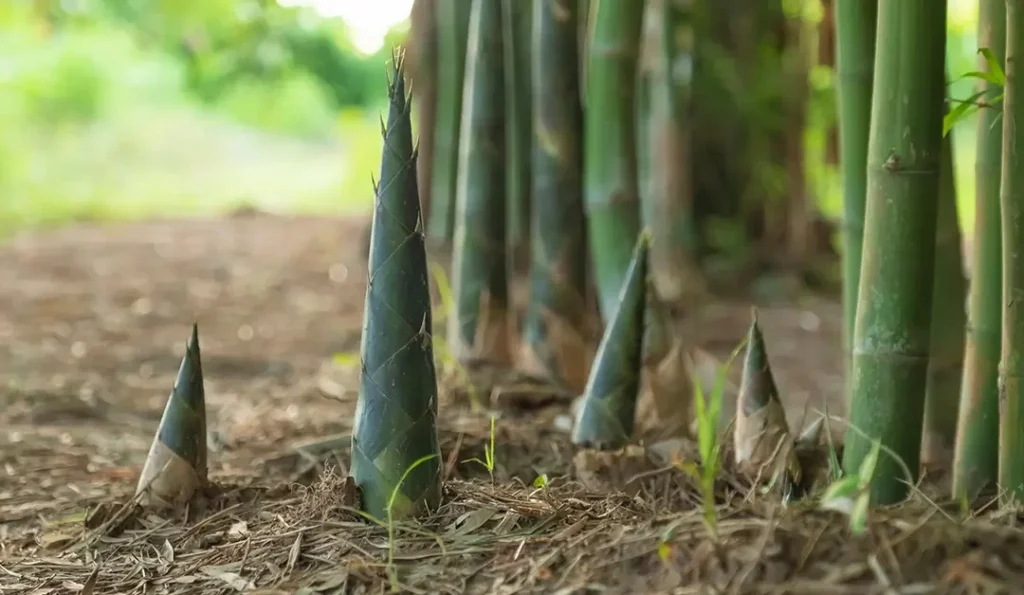
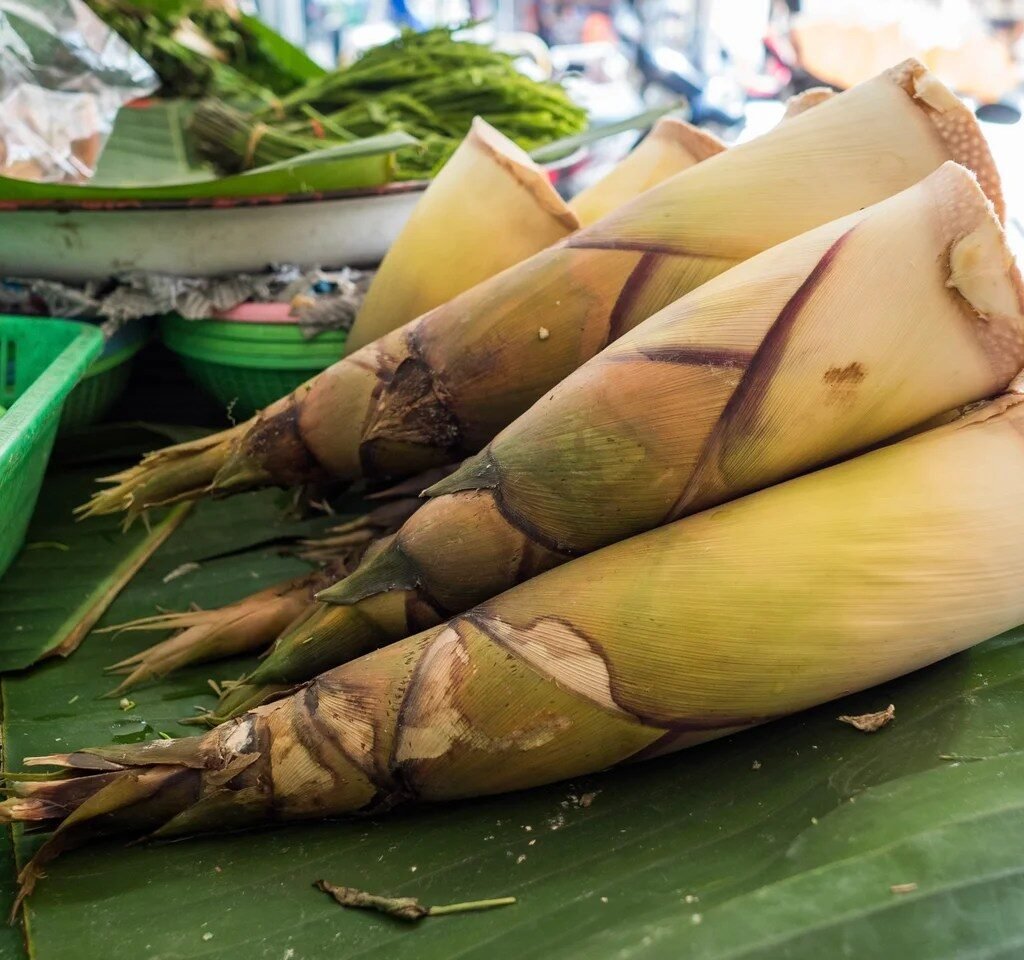
Bamboo shoots are usually ready for harvest when they reach 6–12 inches (15–30 cm) in height, before the outer sheath hardens.

Harvesting Process:

  1. Timing: Harvest in early morning or late evening when temperatures are cooler.
  2. Tools: Use a sharp knife or spade to cut the shoot from the base without damaging surrounding rhizomes.
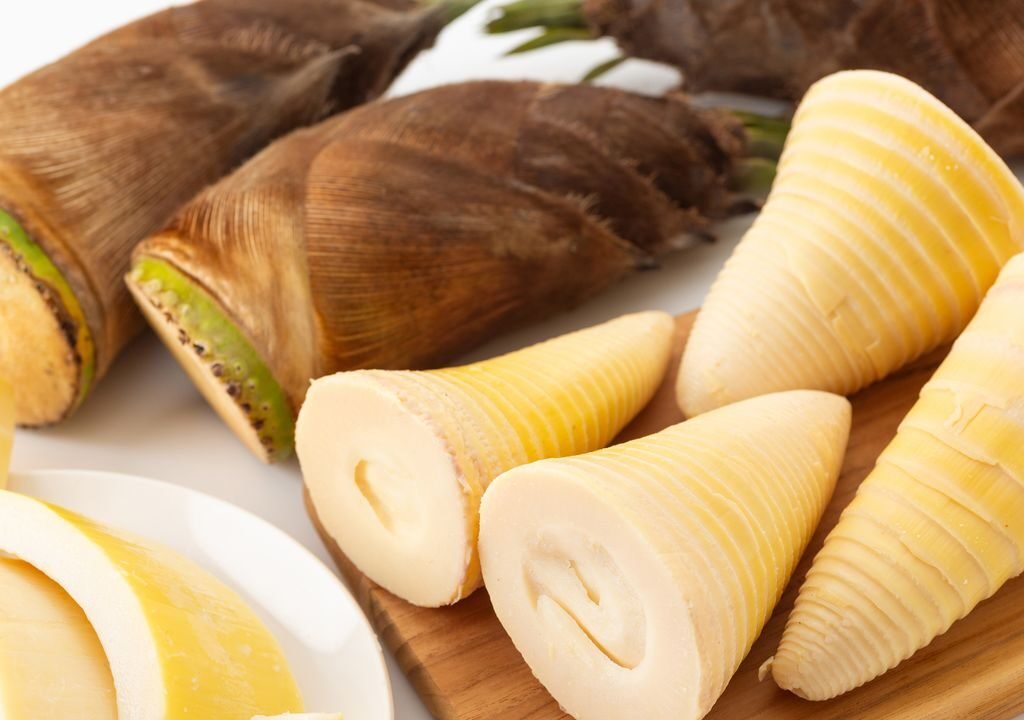
  3. Handling: Gently remove soil and peel the outer layer before consumption or sale.

Regular harvesting encourages the plant to produce more shoots, leading to continuous yield throughout the growing season.


Post-Harvest Handling and Uses

Fresh bamboo shoots can be consumed immediately or processed for longer storage.

Post-Harvest Steps:

  • Wash the shoots thoroughly.
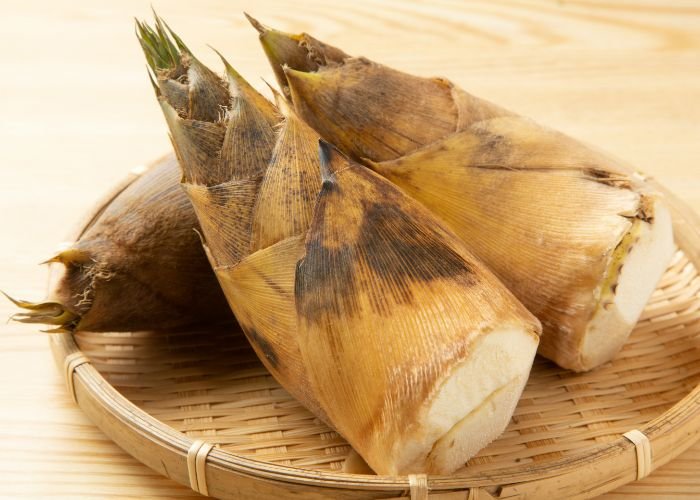
  • Remove the tough outer sheath.
  • Boil or blanch before cooking to remove natural bitterness.
  • For commercial sales, shoots can be vacuum-sealed, canned, or pickled.

Bamboo shoots are rich in fiber, potassium, and vitamins, making them a valuable health food. They’re widely used in stir-fries, soups, and curries, particularly in Asian cuisine.


Sustainable Bamboo Farming Practices

Bamboo is one of the most eco-friendly crops you can grow. It absorbs carbon dioxide, improves soil structure, and prevents erosion. To make your cultivation even more sustainable:

  • Avoid synthetic chemicals and use organic fertilizers.
  • Rotate bamboo with other crops to maintain soil health.
  • Harvest selectively to allow continuous regrowth.
  • Recycle bamboo waste into compost or mulch.

Sustainable farming not only protects the environment but also increases the long-term profitability of your bamboo plantation.


Final Thoughts

Growing bamboo for fast bamboo shoot harvests is a rewarding venture that combines modern agriculture technology with natural efficiency. With the right bamboo variety, good soil management, and consistent care, you can start harvesting tender shoots within a year.

Whether you’re cultivating bamboo for home use, small-scale sales, or commercial purposes, this resilient plant offers immense potential. By applying the easy and effective techniques shared above, you can enjoy fast-growing, high-yield bamboo shoots that benefit both your garden and your livelihood.

How to Grow Alfalfa Sprouts in 3 Easy Steps: A Complete Beginner’s Guide to Fresh, Nutritious Sprouts at Home

How to Grow Alfalfa Sprouts in 3 Easy Steps: A Complete Beginner’s Guide to Fresh, Nutritious Sprouts at Home

Growing your own food doesn’t always require a big garden or even soil. One of the easiest and most rewarding ways to enjoy homegrown nutrition is by sprouting seeds right in your kitchen. Alfalfa sprouts, in particular, are one of the simplest and fastest to grow—ready in just a few days and loaded with nutrients that can boost your health in incredible ways.
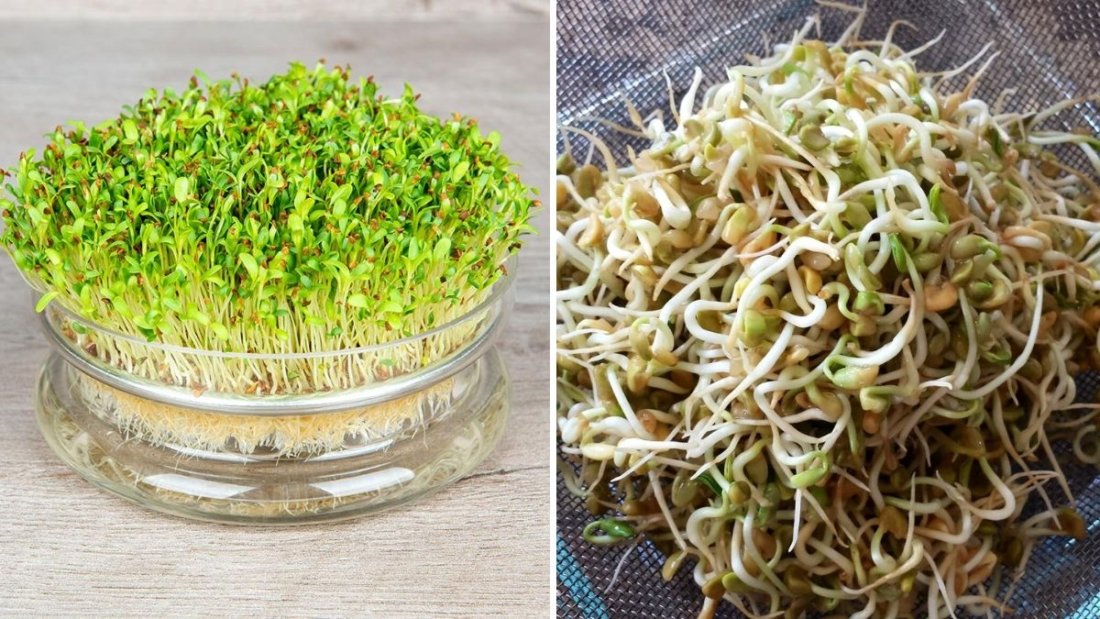
In this blog post, inspired by the video “How To Grow Alfalfa Sprouts – 3 EASY Steps!”, we’ll walk you through the complete process of growing fresh, crunchy alfalfa sprouts at home using nothing more than a few basic supplies. You’ll learn how to choose the right seeds, the proper soaking and rinsing method, and how to harvest them safely for delicious, nutrient-rich meals.

Let’s dive into the easy, three-step method to grow perfect alfalfa sprouts!


Why Grow Alfalfa Sprouts?

Before we jump into the growing steps, it’s worth understanding why alfalfa sprouts are so popular among home gardeners and health enthusiasts.

Alfalfa (Medicago sativa) is a legume that’s been cultivated for thousands of years as both livestock feed and a human superfood. When sprouted, its seeds transform into delicate, crunchy shoots packed with vitamins, minerals, and antioxidants.

Here are a few reasons you’ll love growing alfalfa sprouts:

  • Nutrient-Rich: Alfalfa sprouts contain vitamin A, C, E, and K, along with folate, calcium, magnesium, and iron.
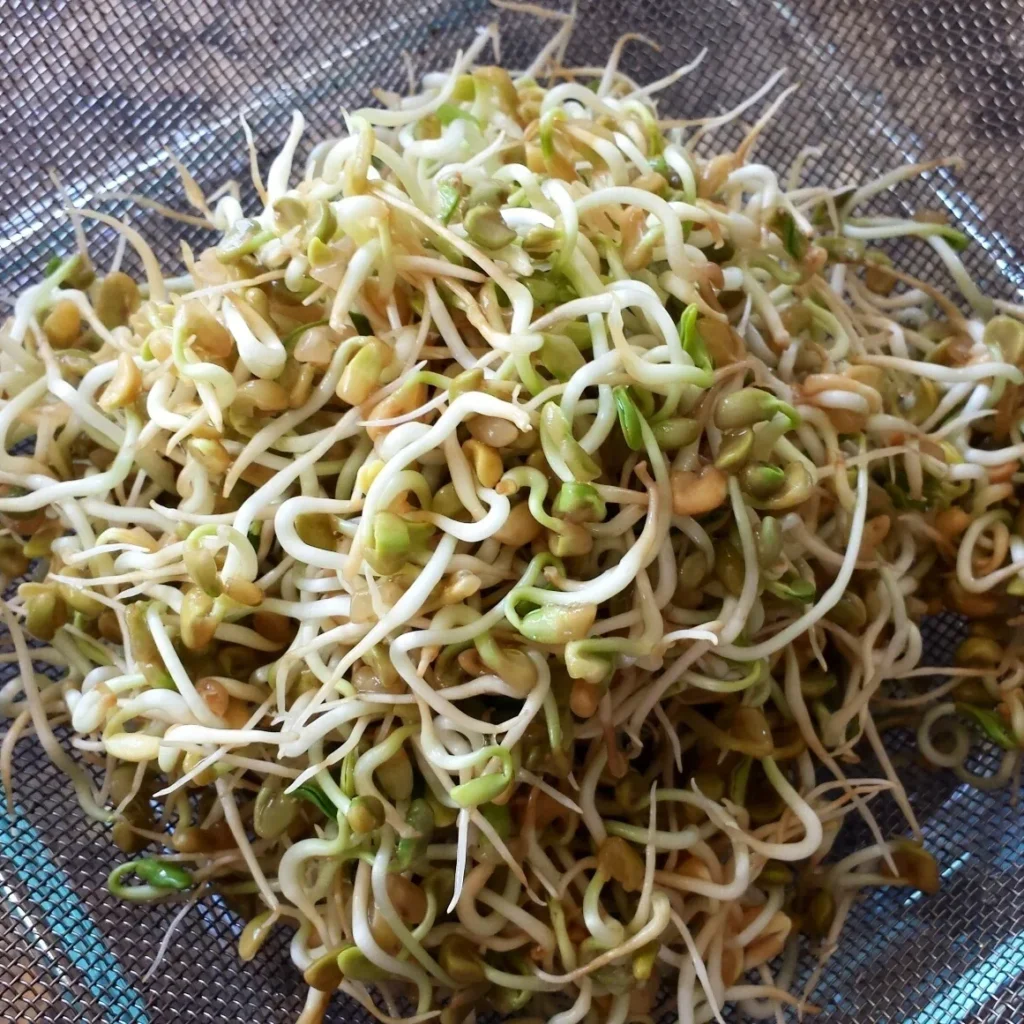
  • Low-Calorie Superfood: They add nutrients and crunch without extra calories—perfect for salads, sandwiches, or smoothies.
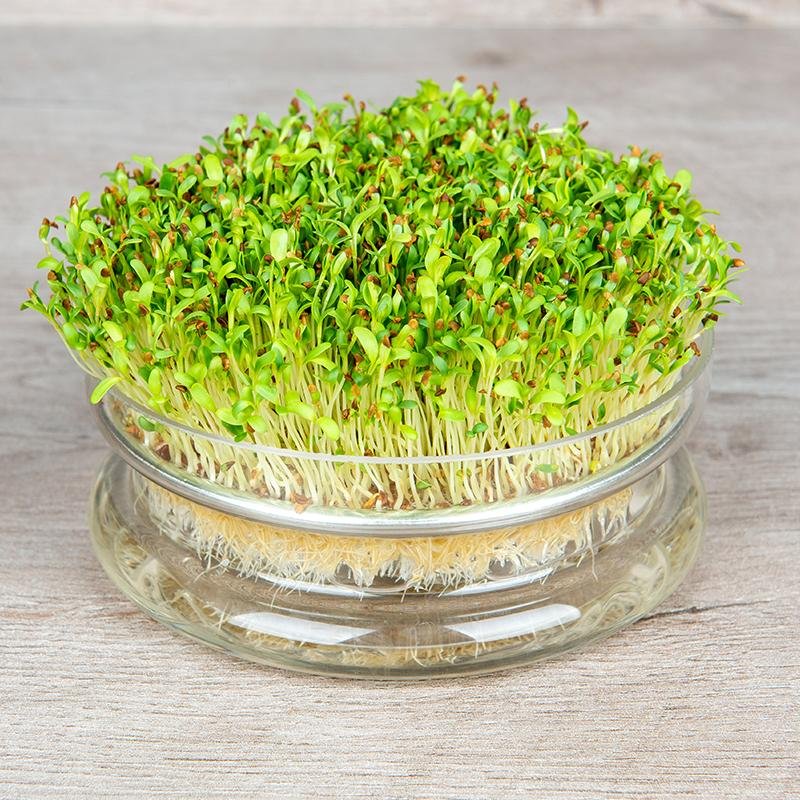
  • Fast Growth: You can harvest alfalfa sprouts in as little as 4–6 days.
  • Space-Saving: No soil, no garden—just a jar, some seeds, and water.
  • Affordable & Fresh: A small packet of seeds can yield several batches of sprouts at a fraction of store-bought prices.

Step 1: Soaking the Alfalfa Seeds

The first and most important step to successful sprouting is soaking the seeds. This helps soften their hard outer shell and activates the germination process.

What You’ll Need:

  • 2 tablespoons of organic alfalfa seeds
  • A wide-mouth glass jar (quart-sized works best)
  • A sprouting lid or cheesecloth and a rubber band
  • Filtered or clean water

Step-by-Step Soaking Process:

  1. Measure and Add Seeds:
    Start with about two tablespoons of alfalfa seeds. This may not seem like much, but they’ll expand significantly as they sprout.
  2. Add Water:
    Pour about two cups of cool, clean water into the jar. Swirl the seeds gently to rinse away any dust or debris.
  3. Soak Overnight:
    Let the seeds soak for about 8–12 hours at room temperature. This overnight soak gives them enough time to absorb water and begin sprouting.
  4. Drain and Rinse:
    After soaking, drain the water using your sprouting lid or cheesecloth. Rinse the seeds again with fresh water and drain thoroughly. Make sure no standing water remains—too much moisture can lead to mold growth.

Tip: Place your jar upside down at an angle in a bowl or dish rack to ensure excess water drains completely.


Step 2: Rinse and Drain Daily

Now comes the exciting part—watching your alfalfa seeds come to life! Over the next few days, your seeds will sprout and grow tiny white shoots.

Daily Care Routine:

  1. Rinse Twice a Day:
    Rinse your seeds every 8–12 hours with cool water. Swirl them around gently to ensure all seeds get moistened, then drain thoroughly.
  2. Keep Them Aerated:
    Store the jar upside down at a slight angle to allow good airflow and drainage. This prevents mold and ensures even sprouting.
  3. Avoid Direct Sunlight:
    Place your sprouting jar in a warm, bright location but out of direct sunlight. Indirect light is perfect for steady growth.
  4. Observe Growth:
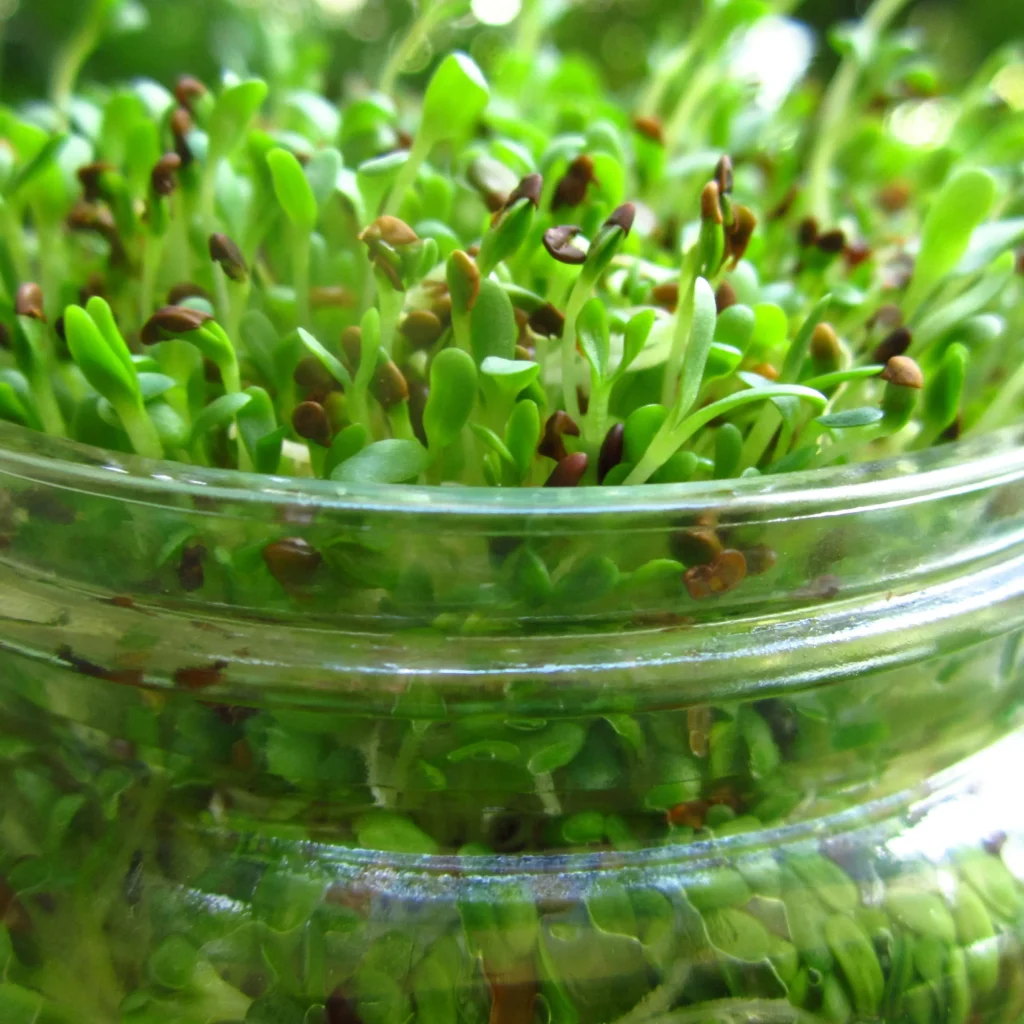
    Within 2–3 days, you’ll notice tiny white tails emerging. By day 4 or 5, the sprouts will start greening up and filling the jar beautifully.

Pro Tip: The key to healthy sprouts is keeping them moist but not waterlogged. Excess moisture is the most common reason sprouts fail or develop odor.


Step 3: Green and Harvest Your Sprouts

When your alfalfa sprouts are about 1–2 inches long, they’re almost ready to eat. The final step is “greening” them—exposing them to indirect sunlight so they develop chlorophyll and that vibrant green color.

How to Green and Harvest:

  1. Expose to Light:
    Place the jar near a bright window (no direct sun) for about half a day to encourage the sprouts to turn green.
  2. Final Rinse:
    Give them one last rinse to remove seed hulls and ensure they’re fresh and crisp.
  3. Drain Well:
    Shake off as much water as possible and let them sit for about an hour to dry slightly before storing.
  4. Transfer to a Container:
    Once dry, move your sprouts into an airtight container or zip-lock bag. Store them in the refrigerator, where they’ll stay fresh for up to 5–7 days.

Tip for Cleaning Hulls:
Fill a bowl with water and gently swirl your sprouts. The lighter seed hulls will float to the surface and can be skimmed off easily.


How to Use Alfalfa Sprouts

One of the best things about alfalfa sprouts is their versatility. Their light, nutty flavor and crisp texture make them perfect for all kinds of dishes. Here are a few delicious ways to enjoy them:

  • Salads: Add them fresh for a crunchy texture and nutrition boost.
  • Sandwiches and Wraps: Layer them with veggies or meats for added freshness.
  • Smoothies: Blend a handful into your green smoothie for an extra nutrient punch.
  • Soups: Use as a garnish to add a fresh, raw element to hot soups.
  • Stir-Fries: Toss them in at the end for a light, crisp addition.

Health Benefits of Alfalfa Sprouts

These tiny greens are more than just a garnish—they’re a powerhouse of nutrition. Here’s what makes them so good for you:

  1. Rich in Antioxidants:
    Help fight free radicals and support cellular health.
  2. Excellent Source of Vitamins:
    Especially vitamins C and K, which boost immunity and bone strength.
  3. Digestive Support:
    High enzyme content aids digestion and nutrient absorption.
  4. Heart Health:
    Alfalfa sprouts contain compounds that may help lower cholesterol levels.
  5. Weight Management:
    Low in calories but high in nutrients, they make an ideal addition to any weight-loss-friendly diet.

Safety Tips for Sprouting

While sprouting is easy and rewarding, it’s important to follow good hygiene practices to keep your sprouts safe to eat:

  • Always use clean jars and utensils.
  • Rinse with clean, filtered water—avoid contaminated sources.
  • Store sprouts in the fridge and consume within a week.
  • Avoid slimy or foul-smelling sprouts, as they may indicate spoilage.
  • If you have a weakened immune system, consider lightly steaming the sprouts before eating.

Troubleshooting Common Sprouting Issues

Even though growing alfalfa sprouts is simple, a few problems can occur if conditions aren’t ideal. Here’s how to fix them:

  • Mold Growth:
    Usually caused by poor drainage or lack of airflow. Rinse more frequently and ensure your jar drains fully.
  • Unpleasant Odor:
    This indicates bacterial growth. Discard the batch, clean your jar, and start over with fresh seeds.
  • Uneven Sprouting:
    Shake the jar gently after each rinse to distribute seeds evenly.
  • Dry Seeds:
    If sprouts look dry or slow-growing, increase rinsing frequency or move to a slightly warmer area.

Final Thoughts

Growing alfalfa sprouts at home truly couldn’t be easier. With just three simple steps—soak, rinse, and harvest—you can enjoy a continuous supply of fresh, nutrient-packed greens right from your countertop. They’re quick to grow, delicious to eat, and bring a sense of self-sufficiency and freshness to your kitchen.

Once you’ve mastered alfalfa sprouts, you can experiment with other varieties like mung beans, broccoli sprouts, or lentil sprouts. Each brings its own flavor, texture, and health benefits.

So grab a jar, some seeds, and a bit of patience—you’ll be enjoying your very first batch of homegrown alfalfa sprouts in less than a week!

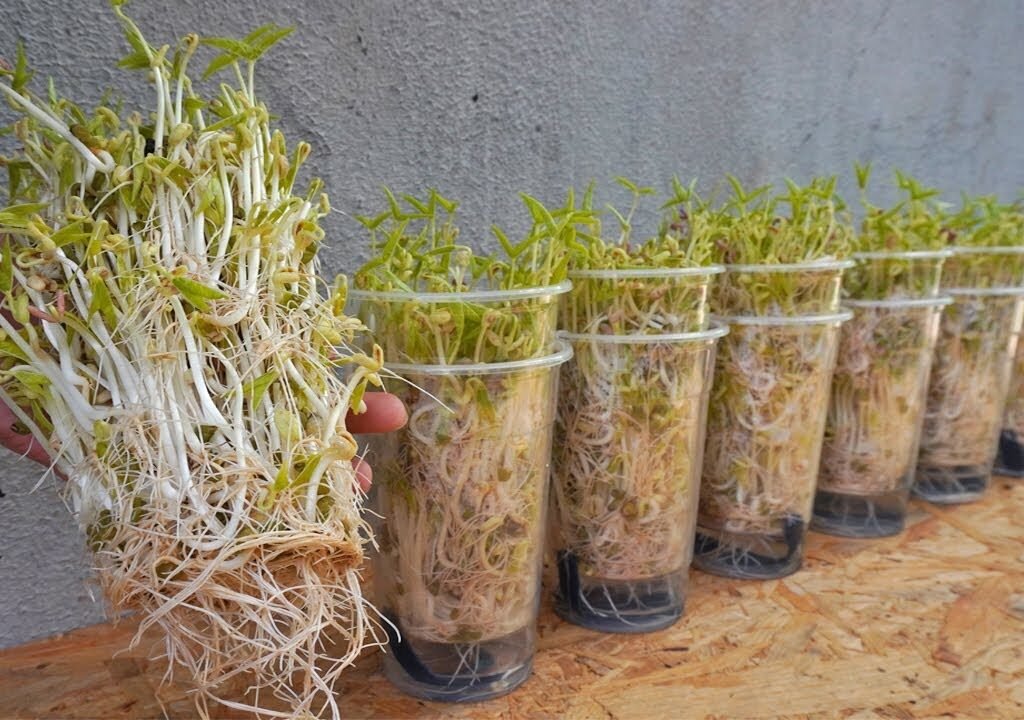
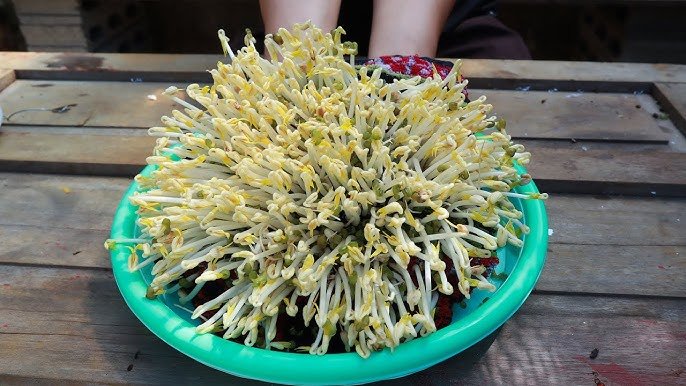
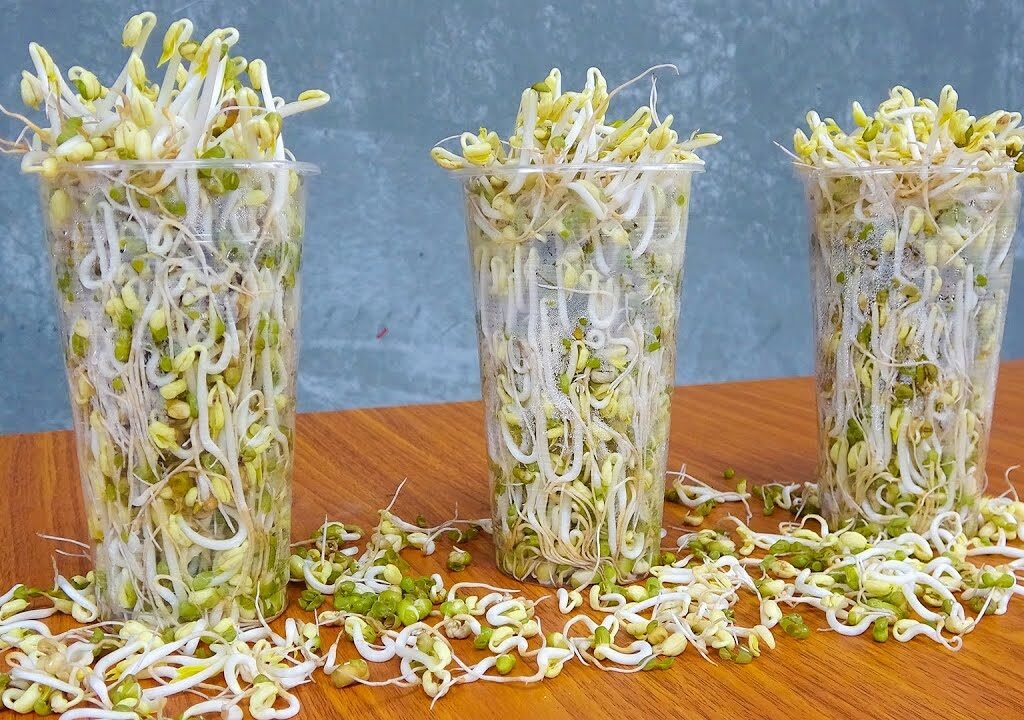
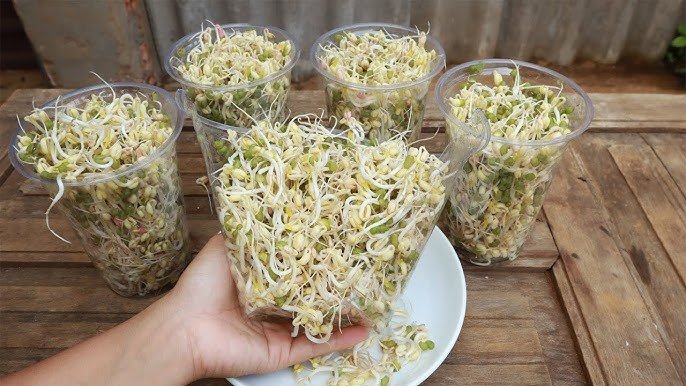
How to Grow Mung Bean Sprouts in Plastic Cups: The Easiest Way to Get Fresh, Crunchy Sprouts at Home!

How to Grow Mung Bean Sprouts in Plastic Cups: The Easiest Way to Get Fresh, Crunchy Sprouts at Home!

Growing your own mung bean sprouts at home is one of the simplest, healthiest, and most rewarding gardening projects you can do — even without soil or a garden! All you need are some mung beans, a few plastic cups, and water. In just a few days, you can enjoy fresh, crisp, and nutrient-packed sprouts that are perfect for salads, stir-fries, or snacking.

Inspired by the video “How To Grow Mung Bean Sprouts In Plastic Cups | Easy Way,” this guide will show you step-by-step how to grow mung bean sprouts easily in plastic cups, along with tips to ensure you get long, white, and crunchy sprouts every time.


Why Grow Mung Bean Sprouts at Home

Mung bean sprouts (also known as green gram sprouts) are a superfood packed with vitamins, minerals, and plant-based protein. They’re low in calories, high in fiber, and incredibly rich in antioxidants.

Health benefits include:

  • Boosting immunity and metabolism
  • Improving digestion
  • Supporting heart health
  • Enhancing skin and hair health
  • Aiding in weight management

When you grow them yourself, you get chemical-free, fresh, and highly nutritious sprouts that taste much better than store-bought ones. Plus, it’s an eco-friendly way to reuse old plastic cups and reduce waste.


What You’ll Need

You don’t need any special equipment. Here’s what you’ll need to get started:

Materials:

  • 2–3 tablespoons of mung beans (per cup)
  • 2 or more clean plastic cups (medium or large size)
  • A piece of cotton cloth or paper towel
  • A rubber band or string
  • A small bowl of water

Optional: A dark cabinet or corner for growing the sprouts

Tip: Choose good-quality mung beans meant for sprouting — they should be clean, whole, and untreated. Avoid beans that are split or have been stored for too long, as they may not sprout well.


Step 1: Soak the Mung Beans

Soaking is the most important step in sprouting because it “wakes up” the dormant seeds and triggers germination.

Instructions:

  1. Rinse the mung beans thoroughly in clean water to remove any dust or debris.
  2. Place them in a bowl and add enough clean, room-temperature water to cover the beans by about 2 inches.
  3. Let them soak for 8–12 hours or overnight.

By morning, the beans will have swollen and softened — a clear sign they’re ready for the next stage.

Pro tip: Avoid soaking them for more than 12 hours; over-soaking can cause them to ferment or develop an unpleasant odor.


Step 2: Prepare the Plastic Cups

While your beans are soaking, prepare the plastic cups for sprouting.

How to prepare:

  1. Take two cups per sprouting batch.
  2. In one cup, make 3–4 small holes at the bottom for drainage and airflow.
  3. Keep the second cup without holes — this will collect excess water.
  4. Place the cup with holes inside the cup without holes (like a double cup setup).

This simple method keeps your sprouts moist but prevents them from sitting in stagnant water, which could cause rot.


Step 3: Add the Beans to the Cup

After soaking, drain the beans and rinse them again with fresh water.

Steps:

  1. Place a damp paper towel or cotton cloth at the bottom of the inner cup.
  2. Spread the soaked mung beans evenly over it.
  3. Cover the top of the cup with another damp paper towel or cloth to maintain humidity.
  4. Secure it with a rubber band or string to hold it in place.

Keep the cup setup in a dark, warm location — like inside a cupboard or under the sink. Mung bean sprouts grow best in the dark because light makes them green and bitter.


Step 4: Watering and Care

Your sprouts need moisture but not too much water. The key is to keep them damp, not soggy.

Daily routine:

  1. Twice a day (morning and evening), remove the cover and rinse the beans gently with fresh water.
  2. Allow excess water to drain out through the holes.
  3. Replace the damp cloth and return the cup to its dark place.

This keeps your sprouts fresh, prevents mold, and encourages healthy growth.


Step 5: Watching the Sprouts Grow

Within 24–36 hours, you’ll notice small white roots emerging from the mung beans. Over the next few days, they’ll continue to grow rapidly.

Growth timeline:

  • Day 1: Tiny roots appear.
  • Day 2: Sprouts begin to lengthen.
  • Day 3: Fully grown, crunchy sprouts ready to harvest!

For best results, keep the environment warm (around 25–30°C or 77–86°F). Cooler temperatures may slow down the sprouting process.


Step 6: Harvesting Your Mung Bean Sprouts

After 3–4 days, your mung bean sprouts should be long, white, and thick — perfect for eating!

How to harvest:

  1. Remove the cover and gently lift the sprouts from the cup.
  2. Rinse them under cool running water to remove any seed coats or leftover hulls.
  3. Drain thoroughly.

You can now enjoy your homegrown mung bean sprouts fresh or store them for later.

Storage tip: Keep them in an airtight container in the refrigerator for up to 3 days. For longer storage, wrap them in a paper towel before refrigerating to absorb excess moisture.


Step 7: How to Use Your Fresh Sprouts

Mung bean sprouts are incredibly versatile and can be added to a variety of dishes for a crunchy texture and nutritional boost. Here are a few ideas:

  • Salads: Toss them with chopped veggies, olive oil, and lemon juice.
  • Stir-fries: Add them at the end of cooking for a fresh crunch.
  • Soups: Sprinkle raw sprouts over hot soups before serving.
  • Sandwiches and wraps: Add them for a light, crispy bite.
  • Smoothies: Blend a handful for an extra protein kick.

Lightly blanching them for 10–15 seconds can also make them safer to eat while keeping the crunch.


Step 8: Troubleshooting Common Problems

Even though growing mung bean sprouts is easy, a few issues can arise if conditions aren’t right. Here’s how to fix them:

1. Sprouts turning brown or mushy:

  • Cause: Too much water or poor drainage.
  • Fix: Make sure excess water drains out and reduce watering frequency.

2. Sprouts have a bad odor:

  • Cause: Overcrowded beans or not rinsing often enough.
  • Fix: Use fewer beans per cup and rinse twice daily.

3. Sprouts are short or thin:

  • Cause: Low humidity or too much light.
  • Fix: Keep the cup in a dark, humid environment.

4. Mold growth:

  • Cause: Lack of airflow.
  • Fix: Remove moldy beans immediately and ensure holes allow air circulation.

Remember, cleanliness is key. Always wash your hands, beans, and cups thoroughly before and during sprouting.


Step 9: Why the Plastic Cup Method Works So Well

This plastic cup sprouting method is simple, space-efficient, and highly effective — perfect for urban gardeners and small households.

Benefits include:

  • Uses recycled materials
  • Requires no soil
  • Takes very little space (even fits on a kitchen shelf!)
  • Easy to rinse and drain
  • Produces clean, tangle-free sprouts

The dual-cup setup mimics professional sprouting jars but costs almost nothing to make. It’s an excellent DIY solution for anyone looking to grow fresh food indoors.


Step 10: Expanding Your Sprouting Adventure

Once you’ve mastered mung beans, you can try sprouting other seeds using the same method! Some easy and nutritious options include:

  • Lentils
  • Chickpeas
  • Alfalfa
  • Fenugreek
  • Black beans

Each variety has a unique flavor, texture, and nutritional profile. Experiment and create your own mix of sprouts for salads or snacks!


Final Thoughts

Growing mung bean sprouts in plastic cups is one of the easiest, fastest, and most satisfying ways to produce healthy food at home. In less than a week, you can turn a handful of beans into a bowl of fresh, crunchy sprouts — all without soil, sunlight, or fancy equipment.

It’s a great beginner-friendly project for anyone looking to eat healthier, live more sustainably, or introduce kids to the joy of growing food.

So don’t throw away those old plastic cups — give them new life by growing your own mung bean sprouts! With just water, beans, and a little care, you’ll be amazed at how easy it is to harvest fresh, delicious, and nutrient-rich sprouts right in your kitchen.


How to Grow Yardlong Beans in Old Plastic Cans for an Amazing Harvest!

How to Grow Yardlong Beans in Old Plastic Cans for an Amazing Harvest!

Growing yardlong beans (also called asparagus beans or snake beans) doesn’t require a big garden space or fancy equipment. In fact, with a few old plastic cans, some rich soil, and proper care, you can grow these long, crunchy, and delicious beans right at home — even on your balcony or terrace! In this guide, we’ll show you how to grow yardlong beans in old plastic containers and get amazing results, just like in the inspiring video titled “You’ll Be Surprised How I Grow Yardlong Beans in Old Plastic Cans! Amazing Results!”


Why Yardlong Beans Are Perfect for Small Spaces

Yardlong beans (Vigna unguiculata subsp. sesquipedalis) are a tropical legume known for their vigorous vines and impressive bean pods that can reach up to 3 feet long. They thrive in warm climates and are excellent for container gardening because

  • They grow vertically, saving horizontal space.
  • They produce a continuous harvest for weeks.
  • They fix nitrogen in the soil, improving soil fertility.
  • They are easy to grow even for beginners.

If you live in an apartment, have limited garden space, or want to recycle old plastic containers, yardlong beans are an ideal choice.


Step 1: Choosing the Right Containers

The key to growing yardlong beans successfully in old plastic cans is choosing containers of the right size and preparing them properly.

Container Requirements:

  • Size: Each can should be at least 12–15 inches deep and 10–12 inches wide. Yardlong beans develop deep roots, so depth is important.
  • Drainage: Drill 5–6 holes at the bottom of each can for proper drainage. Yardlong beans don’t like waterlogged soil.
  • Material: Any sturdy plastic container will work—old paint buckets, oil cans, or water jugs can be repurposed.

Before planting, wash the containers thoroughly and ensure there are no residues of chemicals or oils.


Step 2: Preparing the Perfect Soil Mix

Yardlong beans prefer loose, fertile, and well-drained soil. For container gardening, it’s crucial to provide a nutrient-rich potting mix.

Ideal Soil Mix:

  • 40% garden soil
  • 30% compost or well-rotted cow manure
  • 20% coco peat or peat moss
  • 10% sand or perlite (for drainage)

You can also add a handful of wood ash or bone meal to boost potassium and phosphorus levels, which helps with flowering and pod development.

Before planting, moisten the soil mixture slightly so that it feels damp but not soggy.


Step 3: Planting the Seeds

Now comes the exciting part — planting the seeds!

Seed Preparation:

  • Soak yardlong bean seeds in warm water for 6–8 hours before sowing. This helps soften the seed coat and speeds up germination.

Planting Process:

  1. Fill each container with the prepared soil mix, leaving about 2 inches at the top.
  2. Make 2–3 small holes (1 inch deep) per can.
  3. Drop one seed into each hole and cover lightly with soil.
  4. Water gently using a watering can or spray bottle.

Germination:
Seeds usually germinate within 5–7 days under warm conditions (25–30°C or 77–86°F). Place the containers in a sunny location where they can receive at least 6 hours of sunlight daily.


Step 4: Providing Support for Climbing

Yardlong beans are vigorous climbers, and providing proper support early on is essential.

How to Build a Support Structure:

  • Use bamboo poles, wooden stakes, or metal rods.
  • Arrange them in a teepee or tripod shape around the container.
  • Tie the top ends together for stability.
  • Train the vines gently to climb up as they grow.

Without support, the vines may sprawl and produce fewer beans. A vertical setup encourages better airflow, reduces disease, and leads to a more abundant harvest.


Step 5: Watering and Fertilizing

Watering:
Keep the soil consistently moist but not soggy. Water deeply 2–3 times a week, depending on your climate. During hot weather, you may need to water daily.

Fertilization:

  • At 2 weeks: Add liquid compost tea or fish emulsion.
  • At flowering stage: Apply a potassium-rich fertilizer (such as banana peel compost tea or wood ash solution).
  • Avoid too much nitrogen fertilizer after germination, as it promotes leafy growth instead of pod production.

Mulching Tip:
Add a layer of straw, dried leaves, or coco husk around the base to retain moisture and regulate soil temperature.


Step 6: Flowering and Pollination

In about 30–40 days, your plants will start producing small white or pale violet flowers. These blossoms develop into long pods within 10–15 days after pollination.

Yardlong beans are self-pollinating, but bees and other insects help improve yield. If you’re growing them indoors or on a balcony, gently shake the vines during flowering to encourage pollination.


Step 7: Pest and Disease Control

While yardlong beans are relatively low-maintenance, they can still attract some common garden pests.

Common Pests:

  • Aphids
  • Spider mites
  • Whiteflies
  • Caterpillars

Organic Control Methods:

  • Spray neem oil solution (1 teaspoon per liter of water) once a week.
  • Use insecticidal soap or garlic spray as a preventive measure.
  • Remove any yellow or damaged leaves to prevent disease spread.

Make sure the plants get enough sunlight and airflow to avoid fungal issues like powdery mildew.


Step 8: Harvesting Yardlong Beans

Harvesting is the most rewarding stage!

When to Harvest:

  • Pods are ready 60–70 days after sowing.
  • Pick them when they are 12–18 inches long and tender.
  • Avoid waiting too long, as mature pods become tough and fibrous.

How to Harvest:
Use scissors or your fingers to gently snap the beans off the vine. Regular harvesting encourages continuous production and keeps the vines healthy.


Step 9: Enjoying Your Homegrown Beans

Freshly harvested yardlong beans are delicious, tender, and full of nutrients. You can use them in:

  • Stir-fries and curries
  • Soups and stews
  • Salads and fried rice
  • Tempura or steamed side dishes

They’re rich in fiber, protein, and vitamins A and C, making them a healthy addition to any meal.


Step 10: Post-Harvest Care and Seed Saving

After harvesting for several weeks, the vines will gradually slow down. At this stage:

  • Remove old vines and compost them.
  • Save some mature pods for seed collection.
  • Let the pods dry completely on the vine, then store the seeds in an airtight container for next season.

You can reuse the same plastic cans after cleaning and refreshing the soil with compost for your next crop.


Bonus Tip: Companion Planting for Better Yields

Yardlong beans thrive when grown alongside friendly plants that help deter pests and improve growth. Try companion planting with:

  • Marigolds: Repel aphids and beetles.
  • Basil: Attracts pollinators and enhances flavor.
  • Radishes or spinach: Utilize ground space efficiently.

Avoid planting them too close to alliums like garlic or onions, as these can inhibit bean growth.


Final Thoughts

Growing yardlong beans in old plastic cans is an excellent way to recycle waste, save space, and enjoy a sustainable source of healthy food. With a little care — good soil, proper watering, sunlight, and timely harvesting — you’ll be amazed by the huge yields you can achieve from simple containers.

Whether you’re gardening on a balcony, terrace, or backyard, this method proves that even small spaces can produce big harvests. So grab those unused plastic cans, sow some seeds, and watch your yardlong beans climb skyward — rewarding you with an incredible bounty of fresh, homegrown beans!