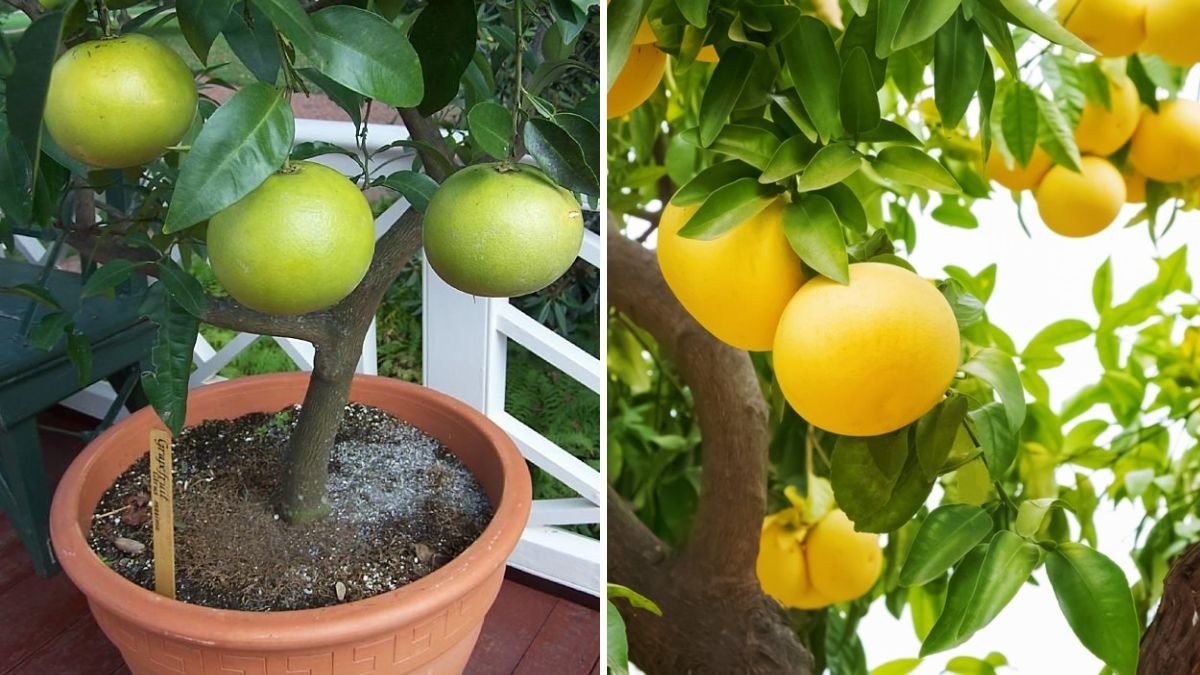
Have you ever dreamed of picking fresh, juicy grapefruits right from your balcony or patio? You might think that growing such large citrus fruits requires a big garden, but you’ll be surprised to learn that growing a grapefruit tree in a pot is not only possible—it’s also incredibly rewarding.
With the right container, soil, and care, you can enjoy your own compact yet highly productive grapefruit tree that bears beautiful fruits year after year. This detailed guide will show you exactly how to grow a grapefruit tree in a pot—just like the one in the YouTube video “You’ll Be Surprised to See How I Grow a Grapefruit Tree in a Pot Full of Fruits.”
Why Grow a Grapefruit Tree in a Pot?
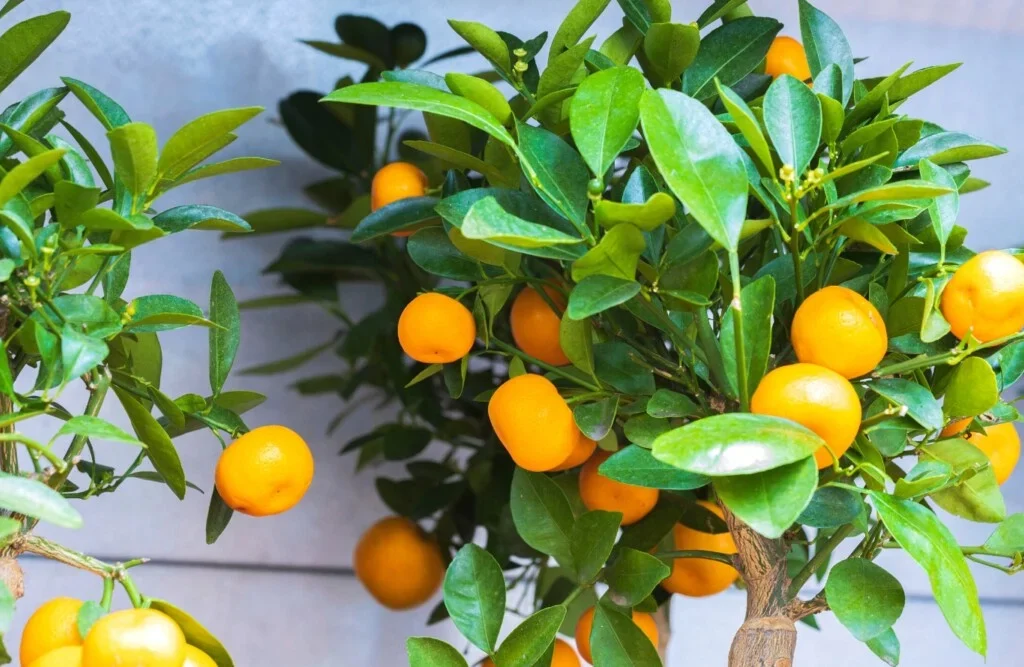
Grapefruit trees are typically large and can grow up to 20 feet tall in the ground. However, when grown in pots, they adapt beautifully to smaller spaces, staying compact while still producing abundant fruit.
Here’s why container-growing is a fantastic idea:
- Perfect for small spaces: You can grow them on balconies, patios, or rooftops.
- Easily movable: Move your tree to catch the best sunlight or protect it from frost.
- Faster fruiting: Container-grown trees tend to mature and bear fruit earlier with proper care.
- Better control: You can control soil type, water, and nutrients easily.
1. Choosing the Right Grapefruit Variety
The first step is to select a dwarf or semi-dwarf variety—these are best suited for container growing and still produce full-sized fruits.
Popular container-friendly varieties include:
- ‘Duncan’: Classic, juicy, and slightly tart.
- ‘Ruby Red’: Sweet and seedless with pink flesh.
- ‘Oro Blanco’: Mild, low-acid fruit with pale yellow flesh.
- ‘Marsh Seedless’: Easy to peel and rich in flavor.
Look for a grafted tree from a reputable nursery. Grafted plants grow faster, resist diseases better, and produce fruit within 2–3 years.

2. Choosing the Right Container
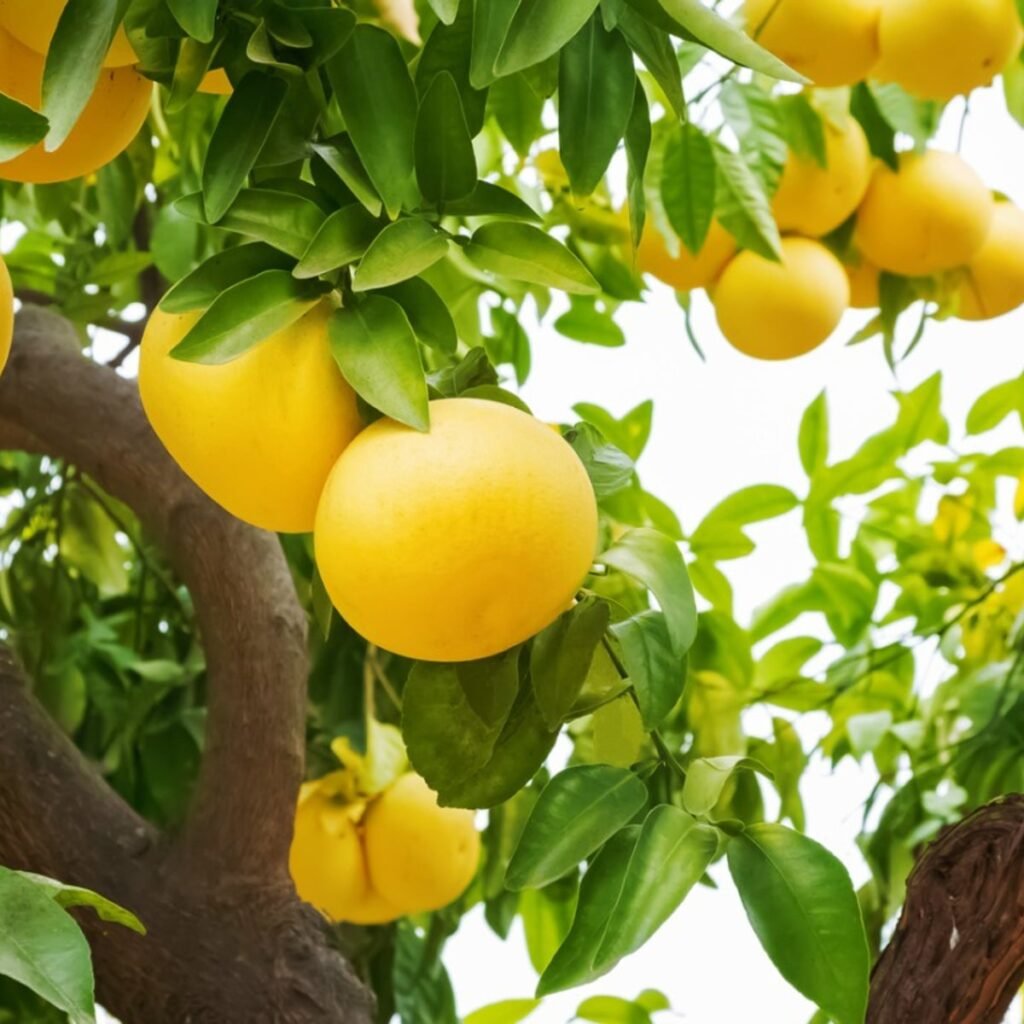
The container is the foundation of your tree’s success.
- Size: Start with a pot that’s at least 18–24 inches deep and wide. As your tree grows, transplant it into a larger one (up to 30–40 gallons).
- Material: Clay, ceramic, or high-quality plastic pots work well. Ensure there are multiple drainage holes to prevent root rot.
- Drainage Layer: Add small stones, gravel, or broken terracotta pieces at the bottom of the pot before filling with soil.
A pot with good drainage ensures that excess water doesn’t accumulate, keeping your grapefruit’s roots healthy.
3. Preparing the Perfect Soil Mix
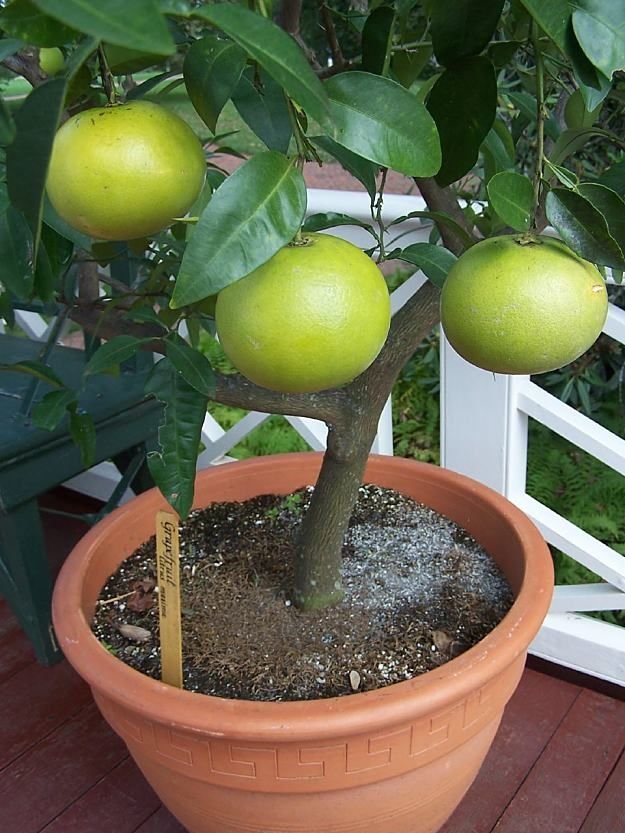
Grapefruit trees thrive in well-draining, slightly acidic soil (pH 5.5–6.5).
Here’s a great potting mix recipe for citrus:
- 2 parts high-quality potting soil
- 1 part perlite or coarse sand (for drainage)
- 1 part compost or well-rotted manure (for nutrients)
Mix thoroughly and fill the pot, leaving about 3 inches of space from the top to allow for watering.
4. Planting Your Grapefruit Tree
Now it’s time to plant your tree!
- Gently remove the tree from its nursery pot, being careful not to damage the roots.
- Place it in the new pot, ensuring the root ball is slightly above the soil line to prevent rot.
- Fill in the sides with your prepared soil mix, firming gently around the roots.
- Water deeply until water drains from the bottom holes.
If you’re planting a young cutting, ensure at least one node is under the soil surface.

5. Sunlight Requirements
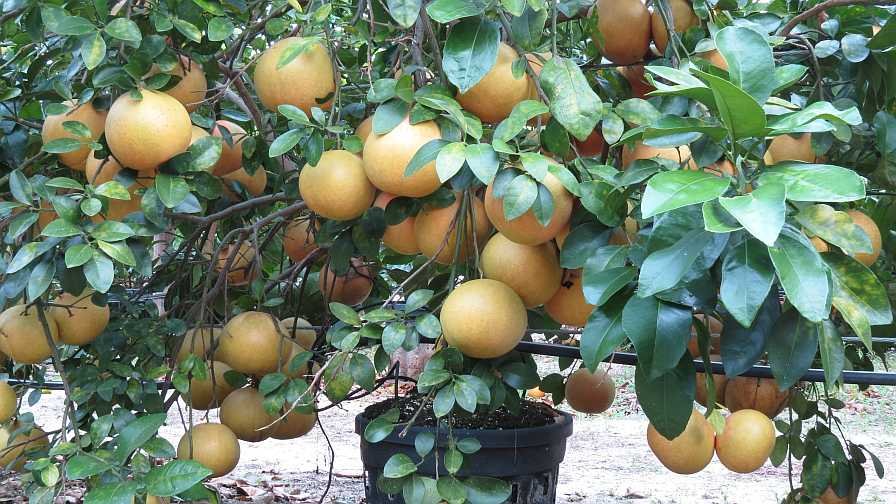
Like all citrus trees, grapefruit needs plenty of sunlight to grow and produce fruit.
- Ensure your tree gets at least 6–8 hours of direct sunlight daily.
- If growing indoors, place it near a south-facing window or use grow lights to supplement natural light.
- Rotate the pot occasionally so all sides receive even sunlight exposure.
A lack of sunlight can result in fewer fruits and slower growth.
6. Watering the Right Way
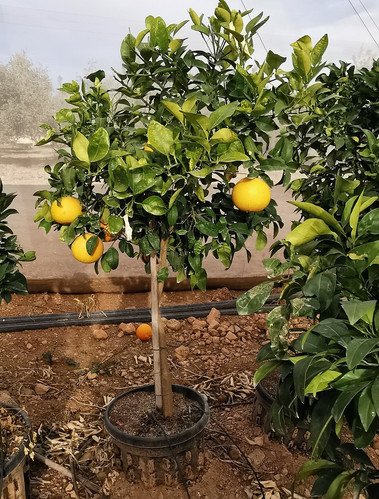
Consistent watering is crucial for container-grown citrus trees—but too much or too little can be harmful.
- Water deeply whenever the top 2 inches of soil feel dry.
- In hot weather, this might mean watering every 2–3 days.
- Reduce watering in winter, but never let the soil completely dry out.
- Always ensure excess water drains freely.
To maintain humidity, especially indoors or during dry months, mist the leaves occasionally or place a tray of water near the pot.
7. Feeding Your Grapefruit Tree
Grapefruit trees are heavy feeders, especially in pots where nutrients can leach out quickly.
Use a balanced citrus fertilizer rich in nitrogen, iron, magnesium, and micronutrients.
- Fertilize every 4–6 weeks from spring through late summer.
- Stop feeding in winter when growth slows down.
- You can also apply liquid seaweed or compost tea monthly for added nutrients.
If you notice yellowing leaves, it’s a sign your tree needs more nutrients, especially nitrogen or iron.

8. Pruning and Shaping Your Tree
Regular pruning helps your tree stay compact, healthy, and productive.
- When to prune: Late winter or early spring before new growth starts.
- How to prune:
- Remove any dead, weak, or crossing branches.
- Trim back long shoots to maintain shape.
- Cut off suckers growing from below the graft line.
Good pruning encourages air circulation and better sunlight penetration—key factors for abundant fruiting.
9. Pollination Tips
Grapefruit trees are self-pollinating, meaning one tree can bear fruit on its own. However, more pollination means more fruit.
If growing indoors where bees can’t reach the flowers, you can hand-pollinate using a soft paintbrush or cotton swab. Gently brush the inside of one flower and transfer the pollen to another.
This simple trick can significantly increase your fruit set!
10. Protecting Your Tree from Pests and Diseases
Common pests include aphids, spider mites, scale insects, and whiteflies.
Here’s how to control them naturally:

- Wipe leaves with a soft cloth dipped in mild soapy water.
- Spray with neem oil once every two weeks during pest infestations.
- Keep the plant clean and remove any fallen leaves from the pot.
Avoid overwatering, as soggy conditions can lead to fungal infections like root rot.
11. Winter Care and Temperature Management
Grapefruit trees prefer warm temperatures between 20°C and 32°C (68°F–90°F).
If you live in a region with cold winters:
- Move your potted tree indoors or to a sheltered spot before the first frost.
- Keep it in a bright, warm area away from cold drafts.
- Reduce watering slightly during the winter months.
- Use a humidifier or misting bottle to maintain humidity levels.
12. Flowering and Fruiting Stage
Your grapefruit tree will start flowering in spring, filling your space with a sweet, citrusy fragrance.
Once pollinated, the flowers will develop into small green fruits that gradually grow larger and turn golden or pink, depending on the variety.
Patience is key—grapefruits take 8–12 months to mature after flowering. However, once they ripen, they’ll stay on the tree for several weeks, allowing you to harvest gradually.
13. Harvesting Your Homegrown Grapefruits
The best part of growing your own grapefruit tree in a pot is the harvest!

- Fruits are ready when they turn fully yellow or pink (depending on variety) and feel heavy.
- Taste one before picking the rest—grapefruits get sweeter the longer they stay on the tree.
- Use pruning shears or scissors to cut the fruit off cleanly, avoiding damage to the stem.
Homegrown grapefruits are juicier and more flavorful than store-bought ones, plus they’re free from chemicals and pesticides.
14. Common Problems and Solutions
| Problem | Possible Cause | Solution |
|---|---|---|
| Yellow leaves | Overwatering or nutrient deficiency | Adjust watering; apply citrus fertilizer |
| No flowers or fruit | Lack of sunlight or pruning | Move to sunnier spot; prune lightly |
| Leaf drop | Sudden temperature changes or low humidity | Keep stable temperature and mist leaves |
| Small fruits | Inconsistent watering or poor feeding | Maintain regular watering and fertilization schedule |
15. Repotting for Continued Growth
As your tree matures, it will eventually outgrow its container. Every 2–3 years, repot it into a slightly larger pot with fresh soil.
- Trim 10–20% of the old roots if necessary.
- Replace the old soil with a fresh, nutrient-rich mix.
- Water deeply and allow the plant to settle before fertilizing again.
This ensures your tree remains healthy and productive for many years.
Final Thoughts
Growing a grapefruit tree in a pot may sound challenging, but with the right care and patience, it’s surprisingly easy—and incredibly satisfying. From a small potted plant, you can enjoy a lush green tree covered with blossoms and eventually, large, juicy fruits that taste far superior to anything from the market.
Whether you’re gardening on a sunny balcony, rooftop, or small backyard, a potted grapefruit tree brings both beauty and bounty to your space.
So, follow these simple steps, give your citrus tree a little love, and soon you’ll be proudly showing off your own grapefruit tree full of fruits—grown right in a pot!

Leave A Comment