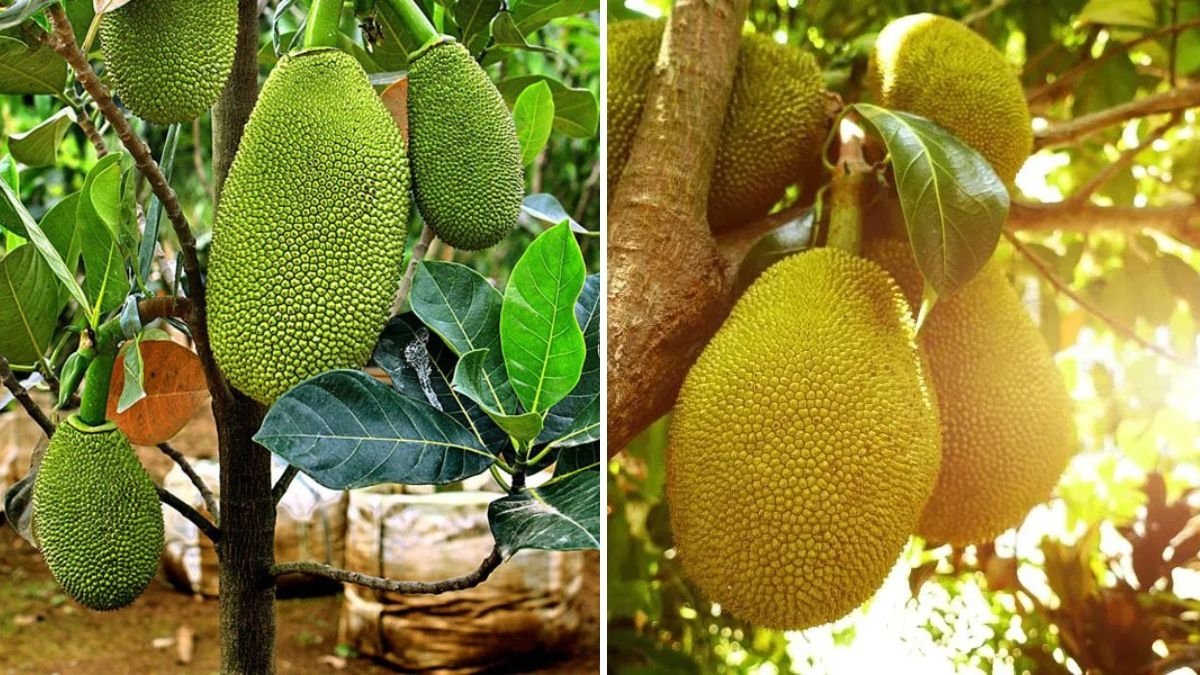
Growing a jackfruit tree doesn’t always require large plots of land or big garden spaces. Thanks to innovative and sustainable methods, it’s now possible to grow jackfruit right at home — even in a plastic bottle! This creative planting technique not only promotes recycling but also ensures better control over early-stage growth. When combined with a natural rooting hormone, it can significantly increase germination rates and produce healthy, fast-growing seedlings.
In this detailed guide, we’ll explore how to grow jackfruit in a plastic bottle using natural hormone, step-by-step, and learn how this simple, eco-friendly method can lead to great results — from seed germination to healthy plant growth.
Understanding the Jackfruit Tree
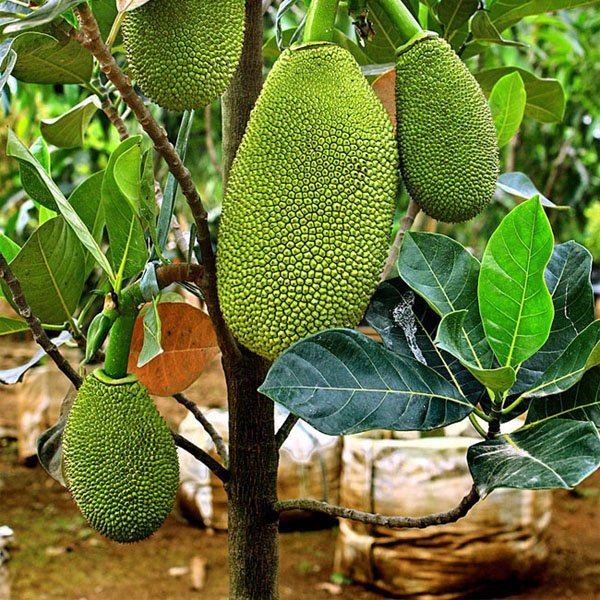
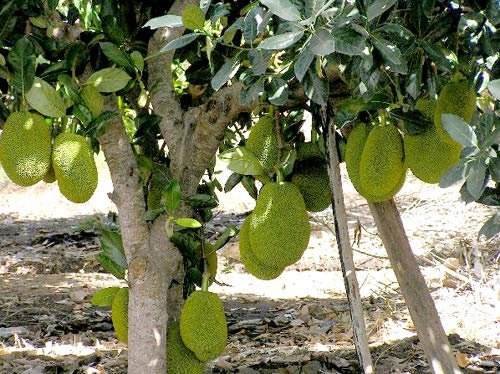
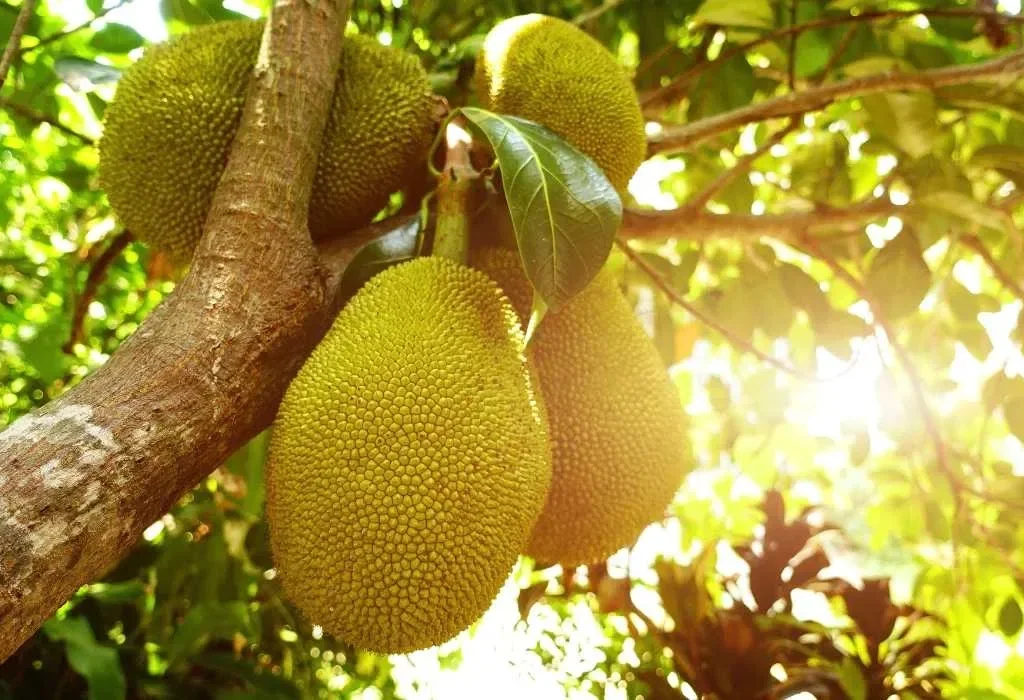
The jackfruit (Artocarpus heterophyllus) is one of the largest fruits that grow on trees, native to tropical regions like India, Bangladesh, and Southeast Asia. Known for its massive size, sweet aroma, and versatile use, the jackfruit is both a fruit crop and a food security plant due to its high yield and nutritional value.
Jackfruit trees thrive in warm, humid climates and well-drained soil. While traditional cultivation requires space, this project proves that you can start your own jackfruit tree in a plastic bottle, making it ideal for urban gardeners or those experimenting with small-scale propagation.
Why Use a Plastic Bottle for Planting?
Using a plastic bottle as a container has several advantages for growing jackfruit:
- Eco-Friendly Recycling: It’s a great way to reuse waste plastic bottles, reducing environmental impact.
- Mini Greenhouse Effect: The bottle traps heat and moisture, creating a humid environment perfect for germination.
- Root Observation: The transparent walls allow you to monitor root growth and moisture levels.
- Portability: You can easily move the setup to adjust sunlight exposure.
- Cost-Effective: It’s an affordable alternative to nursery trays or pots.
With a little creativity, you can turn a discarded bottle into a seed germination chamber for jackfruit!

Step 1: Collecting Jackfruit Seeds
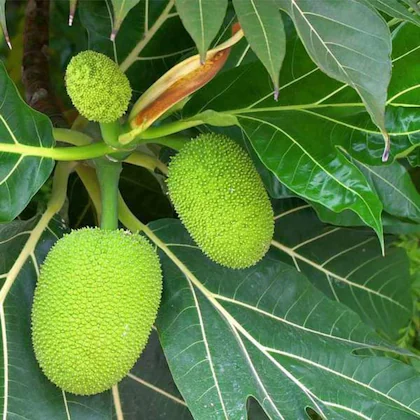
Start with fresh, healthy jackfruit seeds. After enjoying the fruit, wash the seeds thoroughly to remove all pulp or sugary residue, as this can cause fungal growth.
Tips for seed preparation:
- Select seeds from a fully mature jackfruit.
- Avoid shriveled or damaged seeds.
- Dry the seeds in shade for 24 hours — not under direct sunlight — to prevent cracking.
Remember: Jackfruit seeds lose viability quickly. It’s best to plant them within a few days of extraction.
Step 2: Preparing Natural Rooting Hormone
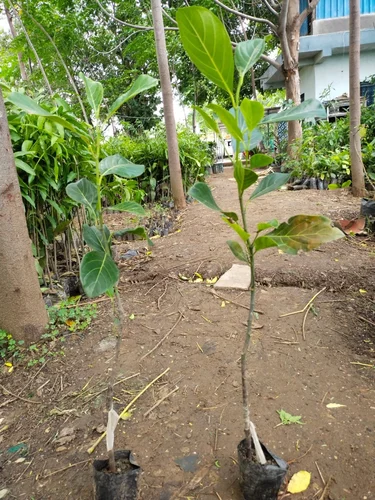
A natural rooting hormone helps stimulate faster and stronger root development. You can easily make it at home using common kitchen ingredients or plant extracts.
Popular natural hormone recipes:
- Aloe Vera Gel:
- Scoop out fresh aloe vera gel and mix with water (1 part gel to 4 parts water).
- Soak seeds in this solution for 4–6 hours.
- Aloe vera contains enzymes and hormones that encourage cell growth and root formation.
- Coconut Water:
- Use tender coconut water as a natural growth booster.
- Soak the seeds overnight to enhance germination speed.
- Willow Water (optional):
- Made by soaking young willow twigs in water for 24 hours.
- It contains salicylic acid, a natural growth stimulator.
These natural hormones not only improve germination rates but also help the young seedlings resist stress and disease.

Step 3: Creating the Plastic Bottle Planter
Materials you’ll need:
- 1 large plastic bottle (1.5 to 2 liters)
- Sharp knife or scissors
- Small stones or pebbles for drainage
- Potting mix (garden soil + compost + sand)
- Jackfruit seeds
Instructions:
- Cut the Bottle:
- Cut the upper part of the plastic bottle about one-third from the top.
- Keep the top part as a removable lid for humidity control.
- Add Drainage:
- Place a layer of small stones or gravel at the bottom to prevent waterlogging.
- Prepare the Soil Mix:
- Mix 40% garden soil, 40% compost, and 20% river sand for proper drainage and nutrition.
- Fill the bottle with this potting mix, leaving 2 inches of space at the top.
- Plant the Seeds:
- Soak the seeds in your natural rooting hormone solution.
- Plant each seed 1 inch deep, flat side down.
- Water lightly after planting.
- Cover the Bottle:
- Place the top part of the bottle back on to create a greenhouse effect.
- Punch a few small holes in the lid for ventilation.
Step 4: Caring for Your Seedlings
Light and Temperature:
Place the bottle in a warm, bright spot, but out of direct midday sunlight. Jackfruit seeds prefer temperatures between 25°C to 30°C (77°F to 86°F) for optimal germination.
Watering:
Keep the soil moist but not soggy. Excess moisture can cause rot. A spray bottle works best to maintain even humidity.
Ventilation:
Open the cap for 10–15 minutes daily to allow airflow and prevent mold formation inside the bottle.
Germination Period:
You’ll notice sprouts within 10 to 20 days. The natural hormone treatment helps speed up this process compared to untreated seeds.
Step 5: Transplanting the Seedlings
Once your jackfruit seedlings reach 4–6 inches tall and develop a strong root system, they are ready for transplantation.
Transplanting process:
- Carefully cut the bottle along the side to remove the seedling without damaging the roots.
- Prepare a larger pot or garden bed with rich, well-draining soil.
- Transplant the seedling, ensuring the root ball stays intact.
- Water immediately and keep the plant in partial shade for a few days to help it acclimate.
Step 6: Long-Term Care for Jackfruit Plant
As your jackfruit plant grows, follow these essential care tips to ensure healthy development:
1. Watering:
Water regularly, especially during dry spells. The soil should remain slightly moist but not waterlogged.
2. Sunlight:
Once established, jackfruit trees thrive in full sun — about 6–8 hours of direct sunlight daily.
3. Fertilizing:
Feed your plant every 4–6 weeks with a balanced organic fertilizer or compost tea. Nitrogen-rich fertilizers help in leafy growth during early stages, while potassium and phosphorus support fruiting later.
4. Pruning:
Trim weak or overlapping branches to improve airflow and shape the tree.
5. Pest and Disease Control:
Keep an eye out for aphids or mealybugs. Neem oil spray works effectively as a natural pesticide.
6. Re-Potting:
If growing in containers, re-pot every 1–2 years to allow root expansion and better growth.
Step 7: From Flower to Fruit
Jackfruit trees generally start flowering in 3 to 5 years, depending on care and growing conditions. With good nutrition and proper sunlight, the flowers will develop into the large, distinctive jackfruits.
Once mature, a healthy tree can yield 50 to 100 fruits per year, each weighing from 10 to 30 kilograms.
Benefits of Growing Jackfruit in Plastic Bottles
- Space-Saving: Perfect for small gardens, balconies, or indoor experiments.
- Eco-Conscious: Promotes upcycling and waste reduction.
- Educational: A great project for students and plant enthusiasts.
- Higher Germination Rate: Natural hormones boost success and plant vigor.
Final Thoughts
Growing a jackfruit tree in a plastic bottle with natural hormone is not just an innovative gardening experiment — it’s a symbol of sustainability and creativity. This method allows anyone, even those with limited space, to enjoy the journey of growing one of the world’s most fascinating fruit trees right from a humble seed.

With patience, care, and the right techniques, your small plastic bottle setup can become the beginning of a lush, fruit-bearing jackfruit tree — a true testament to the power of nature and human ingenuity combined.

Leave A Comment