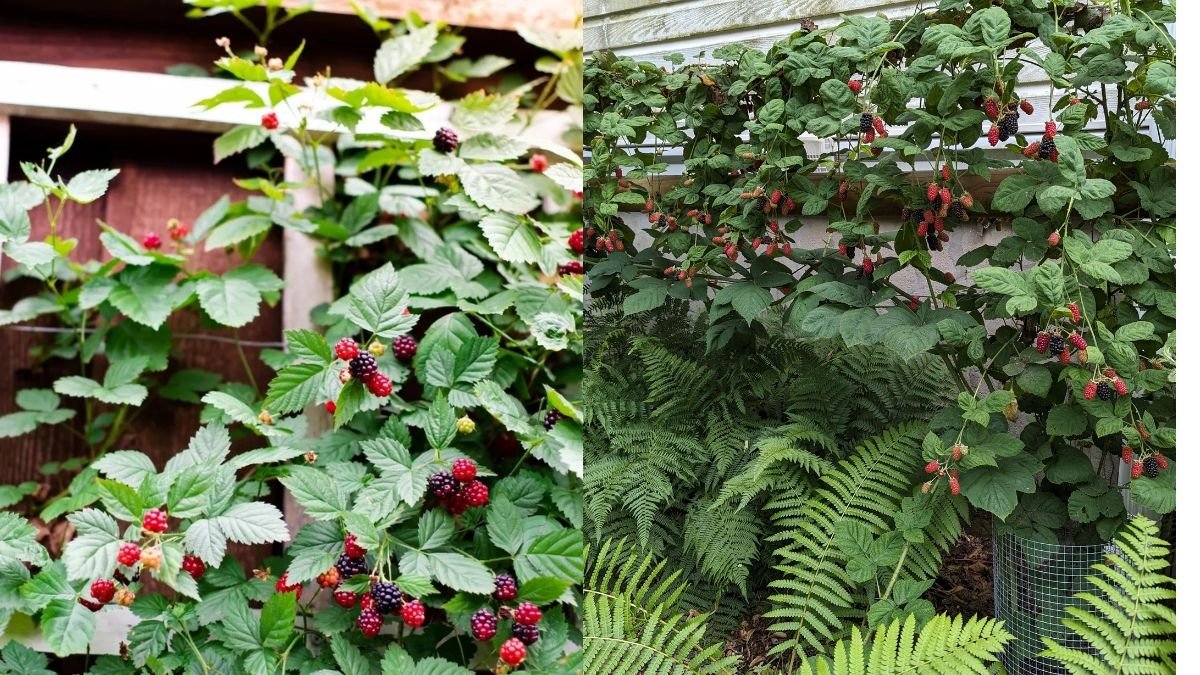
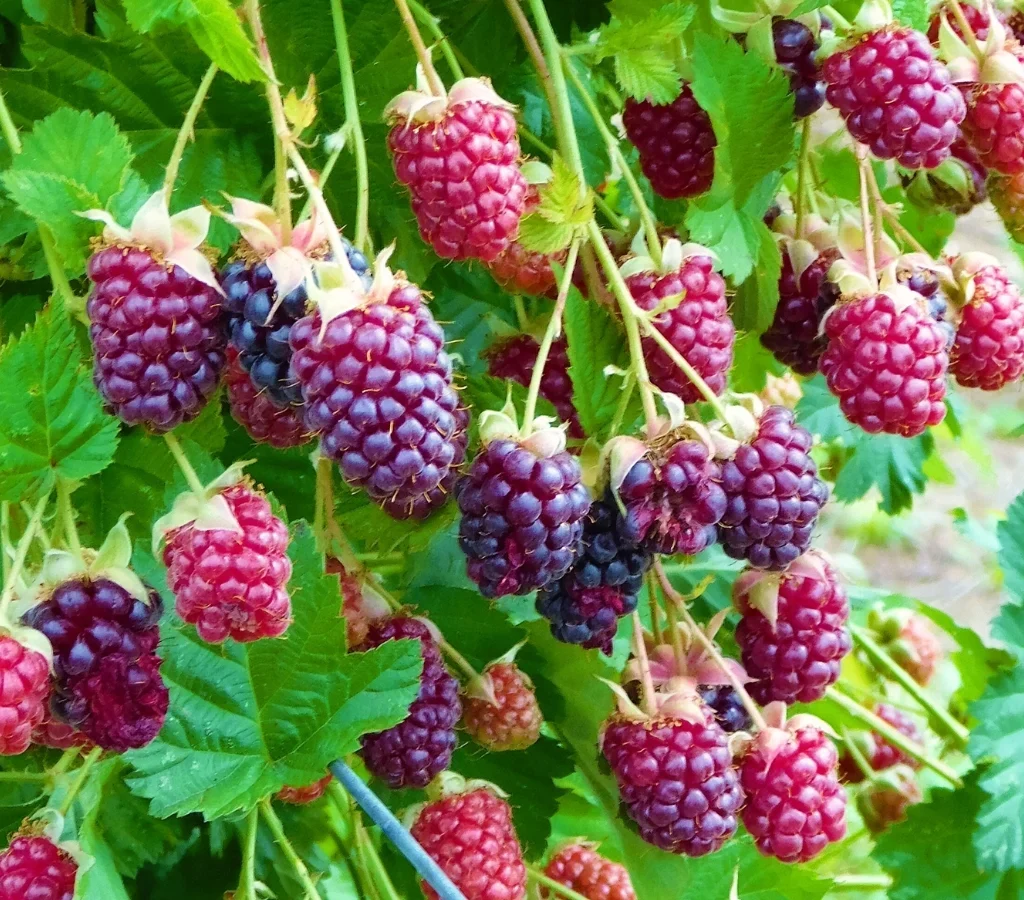
Marionberries, often called the “cabernet of blackberries,” are prized for their rich, complex flavor and deep purple color. Originating from Oregon, this hybrid berry — a cross between the Chehalem and Olallie blackberries — produces long, trailing canes that can yield heavy clusters of delicious fruit. However, to achieve consistent, high-quality harvests year after year, proper trellising and pruning are essential.
Training Marionberry vines on a trellis not only enhances fruit production but also simplifies maintenance, improves air circulation, and helps prevent diseases. In this comprehensive guide, you’ll learn everything about trellising Marionberry vines, pruning for next year’s fruiting canes, and caring for your plants to ensure abundant harvests season after season.
Understanding Marionberries and Their Growth Habit
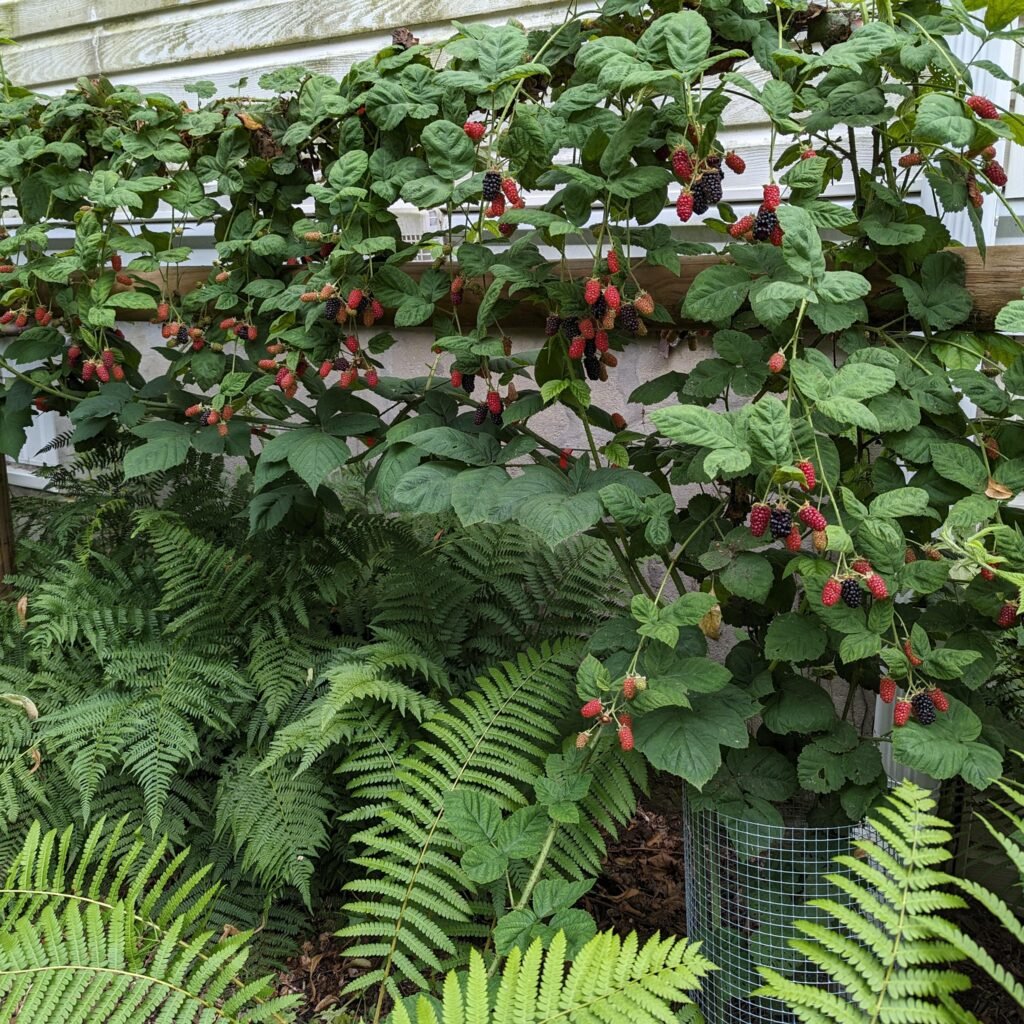
Before diving into trellising, it’s important to understand how Marionberries grow. Like other trailing blackberry varieties, Marionberry plants produce two types of canes:
- Primocanes – These are the first-year canes that grow vigorously but do not produce fruit.
- Floricanes – In their second year, the same canes that were primocanes become floricanes, which bear fruit in summer.
After fruiting, floricanes die back and should be pruned away to make room for new primocanes that will produce next year’s crop.
Because Marionberries are trailing vines rather than erect canes, they can reach up to 15–20 feet in length. Without support, they sprawl across the ground, which increases the risk of disease and fruit rot. This is why trellising is essential — it keeps the canes organized, healthy, and productive.
Why Trellising Is Important
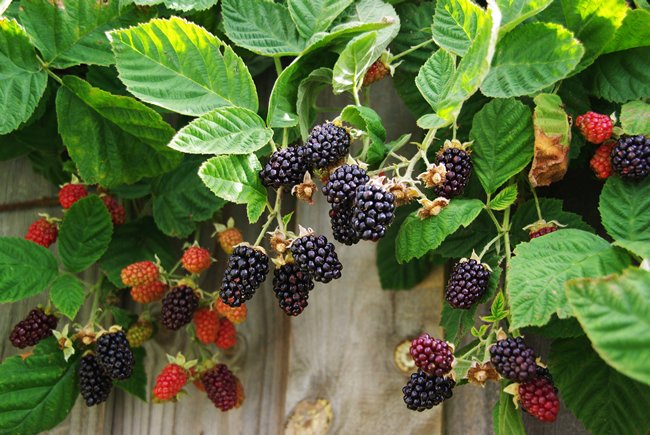
A well-designed trellis offers multiple benefits for Marionberry vines:

- Better Sun Exposure: Elevating canes ensures even light distribution for improved fruit ripening.
- Air Circulation: Reduces the risk of fungal diseases and mildew.
- Ease of Harvesting: Makes picking fruit more efficient and less damaging to the plant.
- Space Management: Keeps canes tidy and prevents them from overtaking your garden.
- Enhanced Yield: Promotes stronger, healthier canes for next year’s fruit production.
Choosing the Right Trellis System for Marionberries
There are several trellis designs suitable for trailing blackberries like Marionberries. The best one for you depends on available space and ease of management. Here are the most effective systems:
1. Two-Wire Trellis (Simple and Effective)
This is the most common and beginner-friendly trellis setup.
How to Build It:
- Place sturdy wooden or metal posts 15–20 feet apart in a row.
- Stretch two wires between the posts — the bottom wire at 3 feet and the top wire at 5 feet above the ground.
- Train the canes along the wires in opposite directions for neat, balanced growth.
Advantages:
- Easy to construct and maintain.
- Provides excellent support for trailing vines.
2. V-Trellis System
This design improves air circulation and sunlight exposure by spreading the canes outward.
How to Build It:

- Set posts at an angle (forming a “V” shape) with the top ends about 3–4 feet apart.
- Attach two wires on each side — one at 3 feet and another at 5 feet height.
- Tie canes alternately to each side of the “V.”
Advantages:
- Keeps canes separated for better airflow.
- Reduces disease pressure.
- Easier access for harvesting and pruning.
3. T-Trellis System
Ideal for larger gardens or commercial setups.
How to Build It:
- Use posts with horizontal cross-arms at the top (about 5–6 feet high).
- Stretch two wires on the arms — one on each side.
- Train canes along the wires horizontally.
Advantages:
- Supports more canes and increases fruit yield.
- Simplifies management and harvesting.
Planting and Training Marionberry Vines
1. Planting
Marionberries prefer full sun and well-drained, slightly acidic soil (pH 5.5–6.5). Before planting, enrich the soil with compost or aged manure.
- Spacing: Space plants about 4–6 feet apart in rows that are 8–10 feet apart.
- Watering: Keep the soil consistently moist, especially during establishment. Avoid waterlogging.
- Mulching: Add a 2–3 inch layer of mulch to conserve moisture and suppress weeds.
2. Training the Canes
Once the canes start growing, training begins.
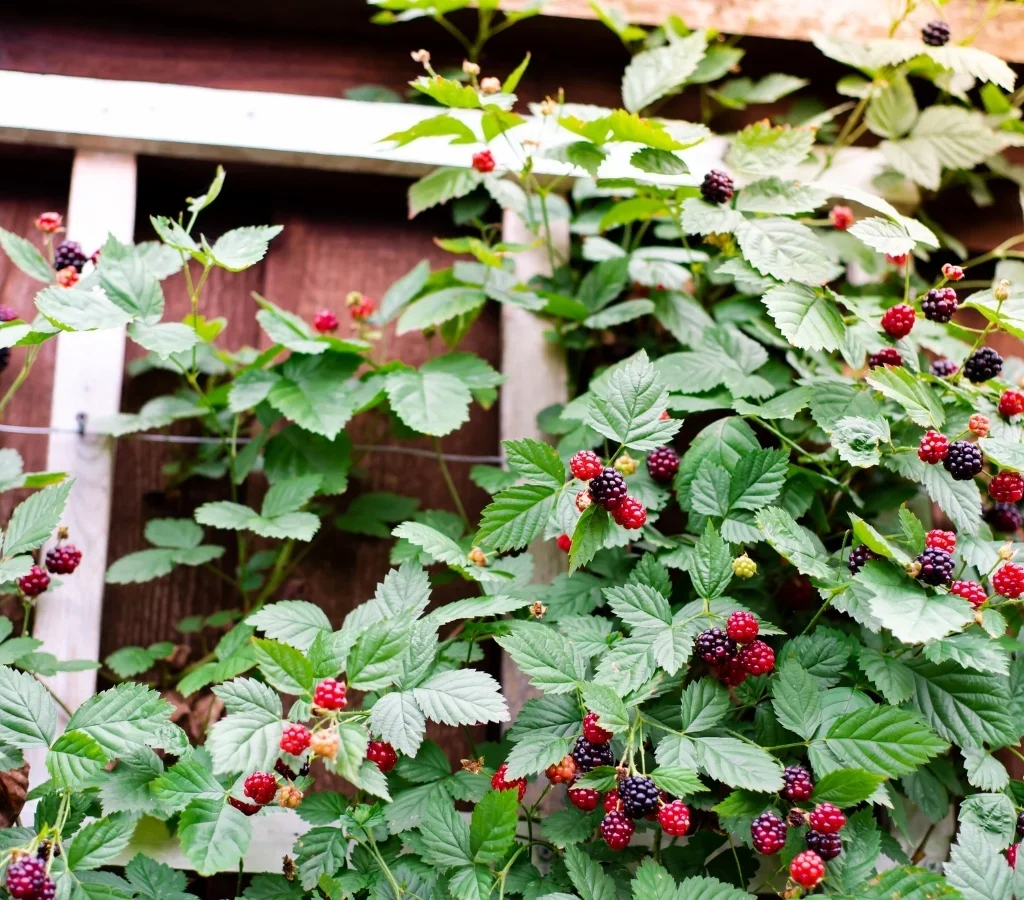
- In the first year, allow the primocanes to grow freely until they reach about 4–5 feet in length.
- Then, gently tie the canes to the trellis wires using soft plant ties or twine.
- Avoid tight knots — canes need room to expand as they grow.
- As new shoots appear, train them alternately along both sides of the trellis to create a fan-like pattern.
By fall, your vines should be neatly aligned along the wires, ready to develop into productive floricanes next season.
Pruning for Next Year’s Fruit Production
Proper pruning is key to ensuring consistent fruit production each year. Marionberries follow a two-year growth cycle, so your pruning schedule should align with this cycle.
1. After Harvest (Late Summer to Early Fall)
- Remove the old floricanes that have already fruited. They will die back naturally.
- Cut them at ground level and dispose of them to prevent disease spread.
- Select 4–6 of the strongest primocanes to keep for next year’s crop.
2. During Winter (Dormant Season)
- Check the trellis for any damage and repair wires if needed.
- Prune weak or damaged primocanes to maintain 5–7 healthy canes per plant.
3. Early Spring
- Tip prune the selected canes to about 8–10 feet in length.
- This encourages lateral branching and increases fruiting sites.
- Tie these trained canes neatly along the trellis again before new growth begins.
With this pruning rhythm, your Marionberries will continuously renew themselves, giving you a fresh crop every summer.
Fertilization and Care
- Feeding: Apply a balanced fertilizer (10-10-10) in early spring as new growth appears. Avoid over-fertilizing with nitrogen, which promotes leafy growth but fewer berries.
- Watering: Marionberries need about 1–2 inches of water per week, especially during flowering and fruit development.
- Mulching: Maintain a layer of mulch year-round to protect roots, prevent weeds, and retain moisture.
- Weed Control: Hand-pull weeds or use organic mulch; avoid deep cultivation near the roots.
Pest and Disease Management
Marionberries are generally hardy but can be affected by a few common pests and diseases.
Common Pests:
- Aphids: Cause curling leaves; control with neem oil or insecticidal soap.
- Spider Mites: Thrive in dry conditions; spray water regularly to dislodge them.
- Japanese Beetles: Pick off by hand or use row covers during outbreaks.
Common Diseases:
- Anthracnose & Cane Blight: Fungal infections that thrive in humid conditions. Prune out infected canes and ensure proper airflow.
- Root Rot: Avoid overwatering and plant in well-drained soil.
- Powdery Mildew: Remove affected leaves and use organic fungicides if needed.
Keeping your trellis system clean and maintaining good airflow will prevent most problems naturally.
Harvesting Marionberries
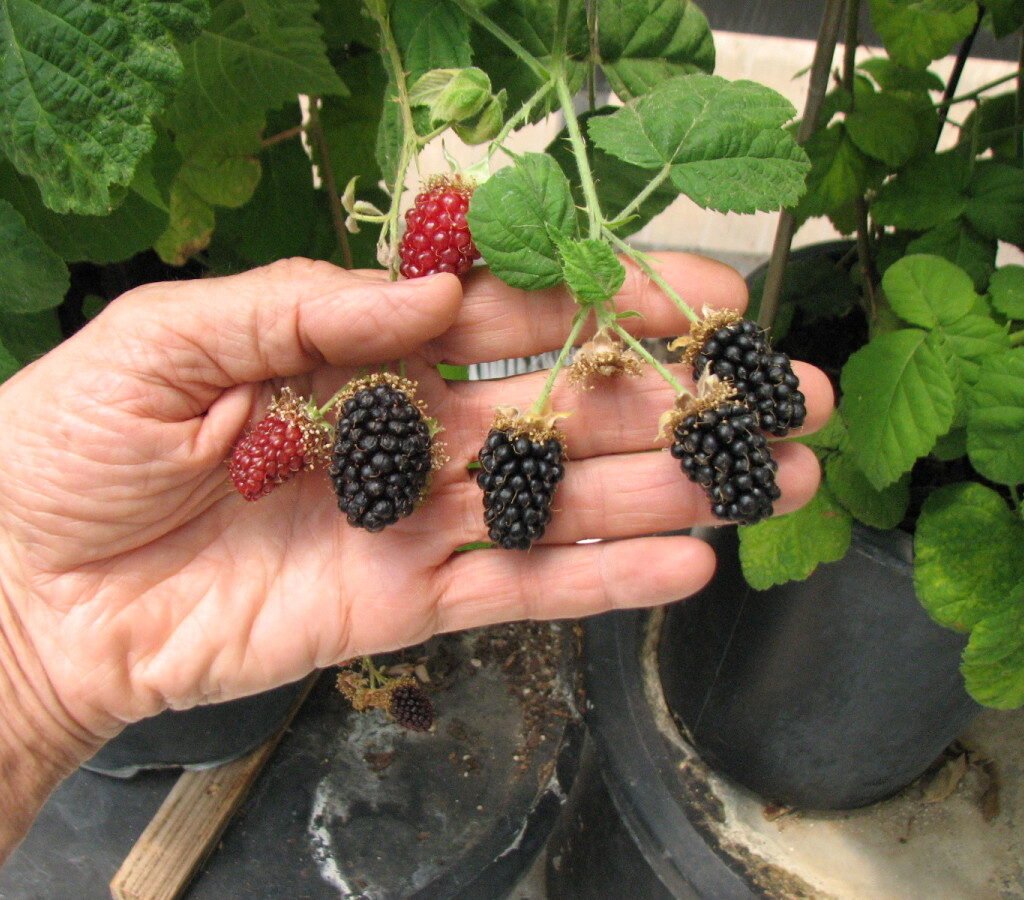
Marionberries typically ripen in mid to late summer. You’ll know they’re ready when the berries turn deep purple and easily detach from the vine.

Tips for Harvesting:
- Pick berries early in the morning when they are cool and firm.
- Handle gently to avoid bruising.
- Store freshly picked berries in a shallow container in the refrigerator; they’ll last up to five days.
- For long-term storage, freeze them in a single layer before transferring to airtight containers.
Because Marionberries are soft and juicy, they’re ideal for making jams, pies, syrups, and smoothies.
Preparing for Next Year’s Crop
After harvesting, your goal shifts to preparing the plant for next season. Here’s how:
- Remove spent floricanes completely after fruiting.
- Select the strongest new primocanes and tie them neatly to the trellis for overwintering.
- Mulch heavily in late fall to protect roots from freezing.
- Avoid pruning in winter beyond light maintenance — save major pruning for spring.
With this simple annual cycle of training, pruning, and renewal, your Marionberry patch will continue to thrive for many years.
Conclusion
Trellising Marionberry vines is not only a simple technique but the key to unlocking abundant, high-quality fruit production year after year. By understanding the plant’s natural growth pattern and maintaining a consistent trellising and pruning routine, you’ll ensure vigorous canes, healthier plants, and a steady supply of delicious berries every summer.
Whether you’re a home gardener or a small-scale grower, a well-trained Marionberry vine is both beautiful and productive — a true treasure in your garden. With just a few posts, wires, and careful pruning, you can transform these vigorous vines into a flourishing berry haven for years to come.

Leave A Comment