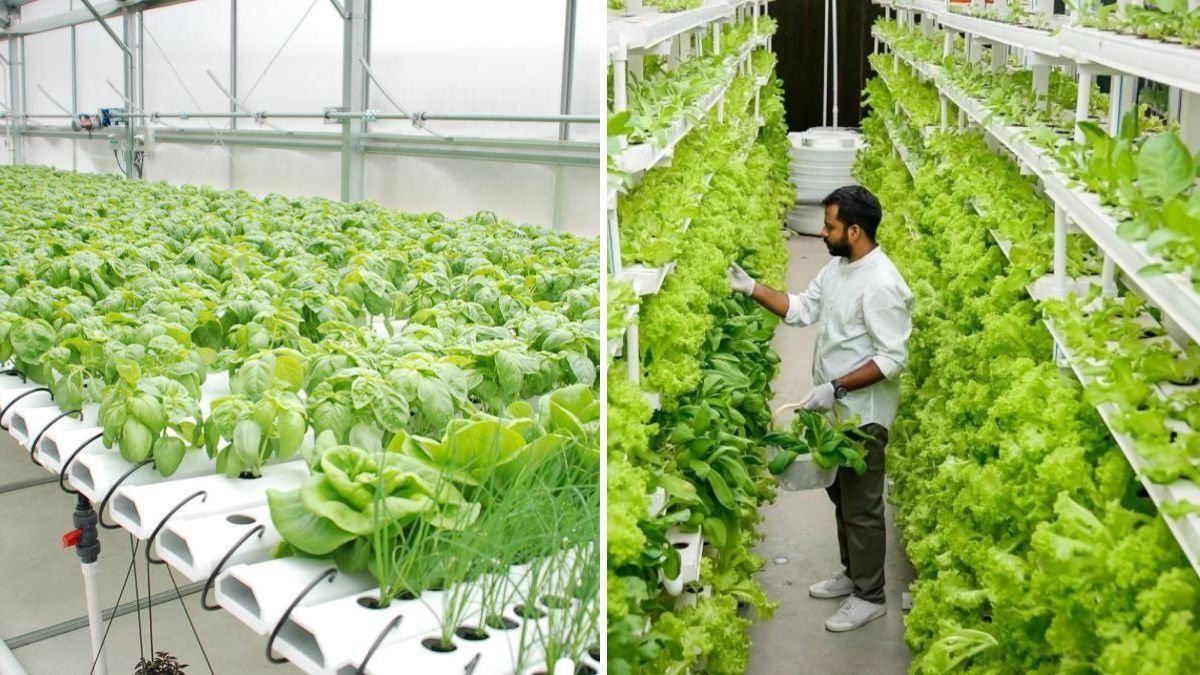
The world of agriculture is evolving faster than ever before. As populations grow and farmland shrinks, farmers and innovators are turning to new technologies that can produce more food using fewer resources. One of the most exciting advancements in modern farming is hydroponic agriculture — a soil-free method that allows plants to thrive in nutrient-rich water solutions.
Among the crops perfectly suited for this method, lettuce stands out. With fast growth, low maintenance, and high market demand, hydroponic lettuce has become a symbol of sustainable, efficient, and futuristic farming.
In this in-depth article, we’ll explore how new agriculture technology—particularly hydroponic lettuce cultivation—is changing the face of modern farming. You’ll learn what hydroponics is, how it works, and how this innovation is helping farmers achieve higher yields, better quality, and more sustainable production in 2020 and beyond.
What Is Hydroponic Farming?
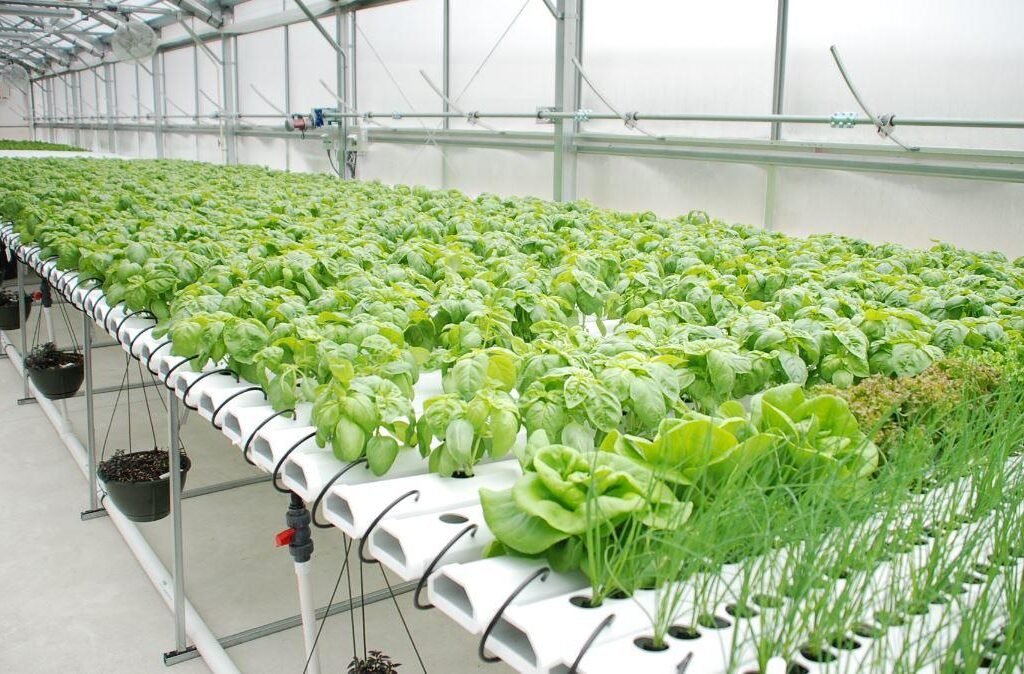
Hydroponic farming is an advanced agricultural system that grows plants without soil. Instead of relying on traditional dirt-based farming, the roots of the plants are immersed in nutrient-rich water that provides all the essential minerals directly.
This method offers precise control over nutrients, water, and environmental conditions—creating the perfect ecosystem for rapid and healthy plant growth.
Key Components of a Hydroponic System:
- Water Reservoir: Holds the nutrient solution.
- Growing Tray or Channel: Where plants are placed.
- Air Pump and Air Stone: Provide oxygen to the roots.
- Nutrient Solution: A mix of essential minerals like nitrogen, phosphorus, and potassium.
- Light Source: Either natural sunlight or artificial LED grow lights.
- Growing Medium: Materials like coco peat, rockwool, or clay pellets that support the roots.
Unlike traditional soil, hydroponic systems recycle water, use precise nutrient dosages, and eliminate weeds and pests. The result? Faster growth, less water use, and higher productivity.

Why Hydroponic Lettuce Is the Future of Farming
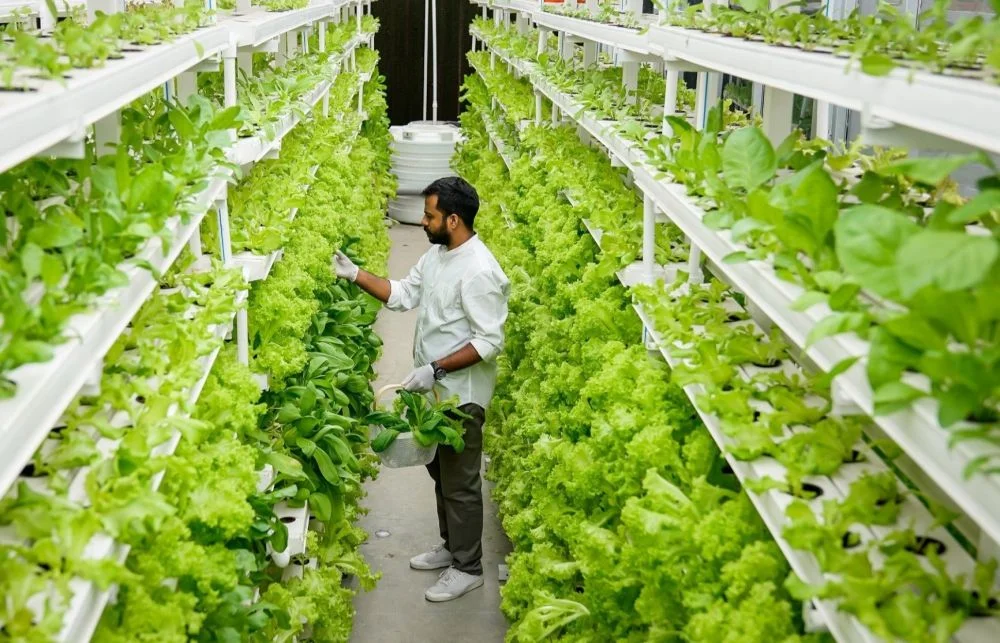
Lettuce is one of the most commonly grown hydroponic crops — and for good reason. It’s lightweight, grows quickly, and doesn’t require deep rooting. Farmers can produce fresh, pesticide-free lettuce throughout the year, regardless of season or location.
Benefits of Hydroponic Lettuce Farming:
- Faster Growth Rates:
Hydroponic lettuce can grow 25–50% faster than soil-grown lettuce, thanks to optimal nutrient delivery and controlled conditions. - Water Efficiency:
Uses up to 90% less water compared to traditional farming, as water is recycled in the system. - Space-Saving:
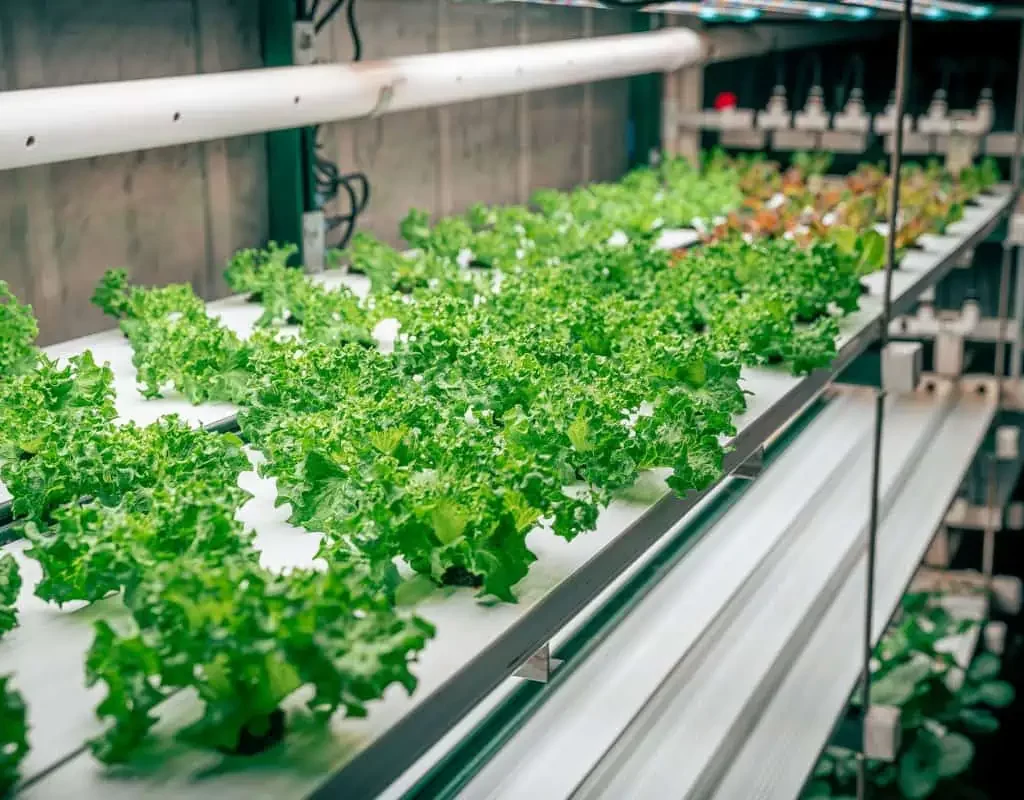
Vertical hydroponic systems allow lettuce to be grown in layers, maximizing yield per square meter — perfect for urban or indoor farms. - No Soil, No Weeds:
Without soil, there are no weeds, pests, or soil-borne diseases — which means less labor and no chemical pesticides. - Consistent Quality:
Every lettuce head receives the same amount of nutrients and light, ensuring uniform size, taste, and texture. - Year-Round Production:
Indoor hydroponic systems allow continuous production, unaffected by weather changes. - Sustainable and Eco-Friendly:
Reduced land and water use make hydroponic lettuce farming one of the most environmentally friendly agricultural innovations.
Step-by-Step Guide to Growing Hydroponic Lettuce
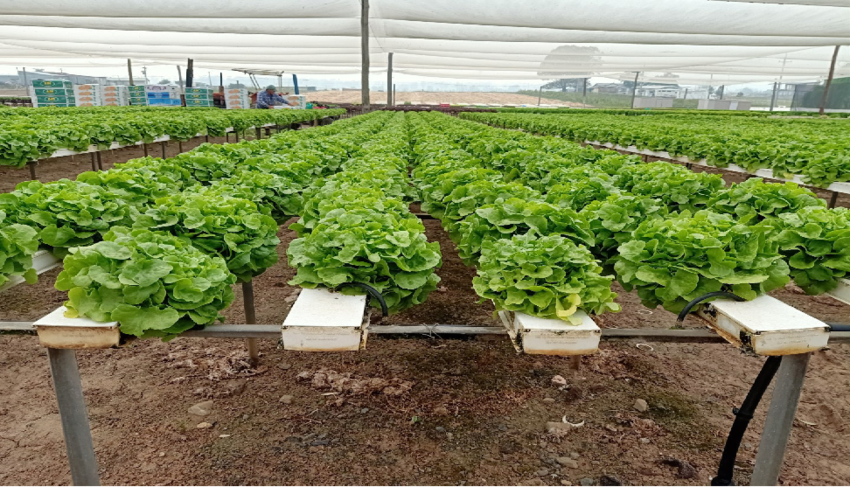
If you’re inspired by new agricultural technologies and want to grow your own hydroponic lettuce, here’s how to do it.
Step 1: Setting Up the Hydroponic System
There are various hydroponic systems, but for lettuce, the most popular are:
- NFT (Nutrient Film Technique):
A thin film of nutrient solution flows continuously over plant roots placed in a sloped channel. It’s ideal for leafy greens like lettuce. - Deep Water Culture (DWC):
The roots hang in oxygenated nutrient-rich water. Air pumps keep the water fresh and oxygenated. - Ebb and Flow (Flood and Drain):
The growing bed is periodically flooded with nutrients and then drained, allowing roots to breathe.
Choose the system that fits your space and budget. For beginners, NFT or DWC systems are the easiest to start with.
Step 2: Selecting Lettuce Varieties
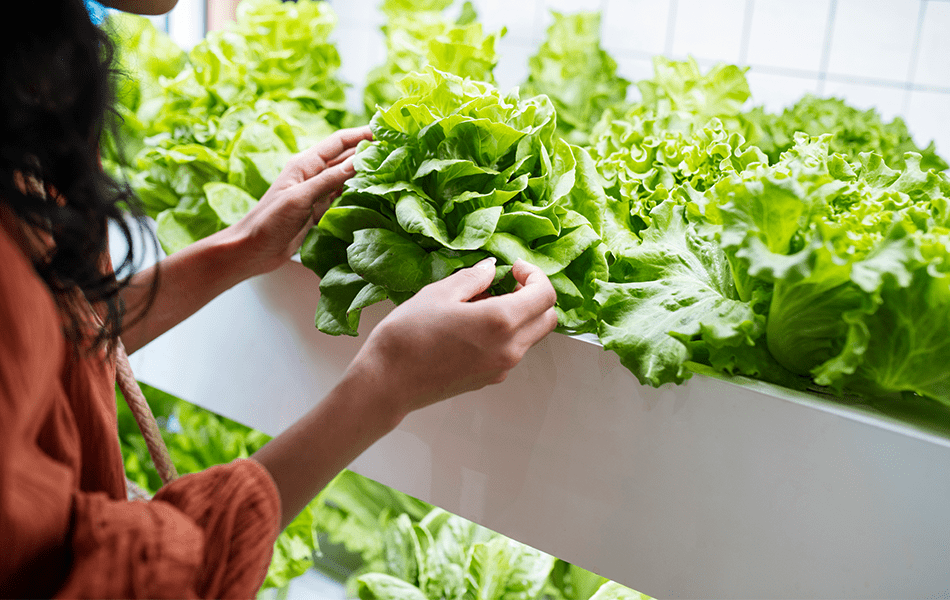
Lettuce comes in many varieties, but not all perform equally well in hydroponic systems. Some top choices include:
- Butterhead Lettuce (Bibb, Boston): Soft, tender leaves and mild flavor.
- Romaine Lettuce: Crisp texture and high nutritional value.
- Loose Leaf Lettuce: Fast-growing, ideal for small hydroponic setups.
- Iceberg Lettuce: Popular but needs precise temperature control.
Step 3: Germinating Lettuce Seeds
Start by germinating seeds in a moist growing medium such as rockwool or coco peat.

Steps:
- Moisten the growing cubes and place one seed in each.
- Keep the cubes in a warm, dark area for 2–3 days.
- Once seeds sprout, move them to a well-lit area or under LED lights.
- After 10–14 days, seedlings will be ready for transplanting into the hydroponic system.
Step 4: Preparing the Nutrient Solution
Lettuce requires a balanced mix of nutrients for healthy growth. The main nutrients include:
- Nitrogen (N): For leafy growth.
- Phosphorus (P): Supports root development.
- Potassium (K): Enhances plant vigor and disease resistance.
- Calcium and Magnesium: Strengthen cell walls and improve leaf structure.
Use a commercial hydroponic nutrient mix specifically designed for leafy greens. Maintain the pH between 5.5 and 6.5 and EC (electrical conductivity) between 1.0 and 1.6 mS/cm for optimal growth.
Step 5: Lighting and Temperature
If growing indoors, install LED grow lights that provide full-spectrum light for 12–16 hours daily. LED lights are energy-efficient and ideal for lettuce, which requires moderate light intensity.
Ideal Conditions for Lettuce:
- Temperature: 18°C–24°C (65°F–75°F)
- Humidity: 50%–70%
- Light Duration: 12–16 hours per day
Lettuce thrives in cooler environments. High temperatures can cause “bolting,” where the plant flowers prematurely and becomes bitter.

Step 6: Monitoring and Maintenance
Hydroponic farming relies on precision. Regularly monitor the following parameters:
- pH Levels: Check daily; adjust using pH up/down solutions.
- Water Temperature: Keep between 18°C–22°C (64°F–72°F).
- Nutrient Strength: Refill or replace the solution every 2–3 weeks.
- Cleanliness: Keep reservoirs and pipes clean to prevent algae buildup.
Automation systems can now handle these tasks using sensors, timers, and mobile apps—making hydroponic farming even more efficient.
Step 7: Harvesting
Hydroponic lettuce matures in 4–6 weeks, depending on the variety and growing conditions.
Harvesting Tips:
- Cut lettuce just above the base when leaves are large and crisp.
- For continuous harvest, pick outer leaves while letting inner ones grow.
- Handle gently to maintain freshness.
Since hydroponic lettuce is grown in a controlled environment, it’s usually cleaner and safer than soil-grown lettuce—no washing required!
The Role of Technology in Modern Hydroponic Farming
Hydroponic farming isn’t just about growing plants in water; it’s about using smart technology to create sustainable, automated, and high-yield systems.

Key Agricultural Technologies in Hydroponics:
- IoT Sensors:
Track pH, temperature, and humidity in real-time, allowing remote monitoring and automatic adjustments. - Automated Nutrient Delivery:
Advanced systems precisely mix and supply nutrients based on the plant’s growth stage. - LED Lighting Systems:
Energy-efficient lights mimic natural sunlight, adjustable to promote faster photosynthesis. - Climate Control Units:
Maintain ideal growing conditions regardless of outdoor weather. - AI and Data Analytics:
Artificial intelligence analyzes data to predict plant growth, optimize nutrient use, and reduce waste. - Vertical Farming Structures:
Multi-layered hydroponic towers allow farmers to grow thousands of plants in small spaces.
These innovations are revolutionizing how food is produced—bringing farming into urban areas and making agriculture more efficient and eco-friendly.
Advantages of Hydroponic Lettuce Farming for Farmers and Consumers
For Farmers:
- Higher profit margins due to premium produce.
- Reduced labor and maintenance costs.
- Ability to grow in any environment, even deserts or rooftops.
- Steady, predictable yields all year long.
For Consumers:
- Fresher, cleaner, and pesticide-free produce.
- More nutritional value due to controlled growth.
- Locally grown lettuce available throughout the year.
Hydroponic lettuce is often harvested and delivered on the same day—ensuring peak freshness and reducing transportation emissions.
Challenges and Future Prospects
Like any technology, hydroponic farming also has challenges:
- High Initial Investment: The setup cost for systems, lighting, and sensors can be expensive.
- Power Dependency: Continuous electricity is required for pumps and lights.
- Technical Knowledge: Managing nutrient balance and water chemistry needs training.
However, as technology advances and costs decrease, hydroponics is becoming increasingly accessible. Governments and agricultural institutions are promoting these systems to ensure food security and sustainability.
In the future, we can expect AI-controlled hydroponic farms, robotic harvesting systems, and fully automated indoor greenhouses to become mainstream. This technology has the potential to feed millions sustainably while conserving natural resources.
Conclusion
The year 2020 marked a turning point in agriculture, with hydroponic technology leading the charge toward sustainable and smart farming. By growing lettuce and other crops without soil, farmers are proving that innovation and nature can work hand in hand to create a greener, more productive future.

Hydroponic lettuce farming is more than just a trend — it’s a revolution. It offers faster growth, cleaner produce, and efficient resource use, all while minimizing the environmental footprint. Whether you’re a small-scale gardener, a commercial farmer, or an urban entrepreneur, embracing hydroponic technology opens up a world of opportunity.

Leave A Comment