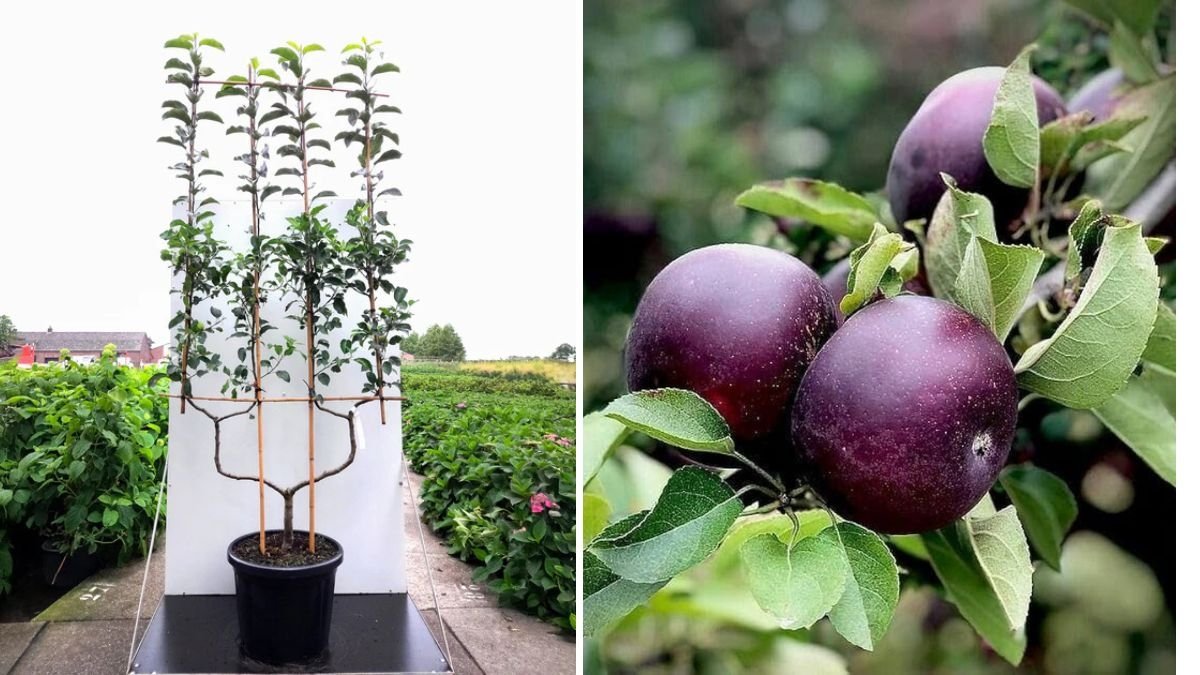
Few apple varieties command attention quite like the Arkansas Black apple. With its dark, almost mahogany-red skin and dense, crisp flesh, it’s a fruit that looks as striking as it tastes. Known for its long storage life and bold flavor that improves with time, this heirloom apple variety has become a favorite among home orchardists and backyard growers.
If you’re thinking about planting an Arkansas Black apple tree, this guide will walk you through everything you need to know—from choosing the right planting site and soil preparation to care, pruning, and harvesting tips. Let’s dive into the journey of growing one of America’s most distinctive apple varieties.
1. Getting to Know the Arkansas Black Apple
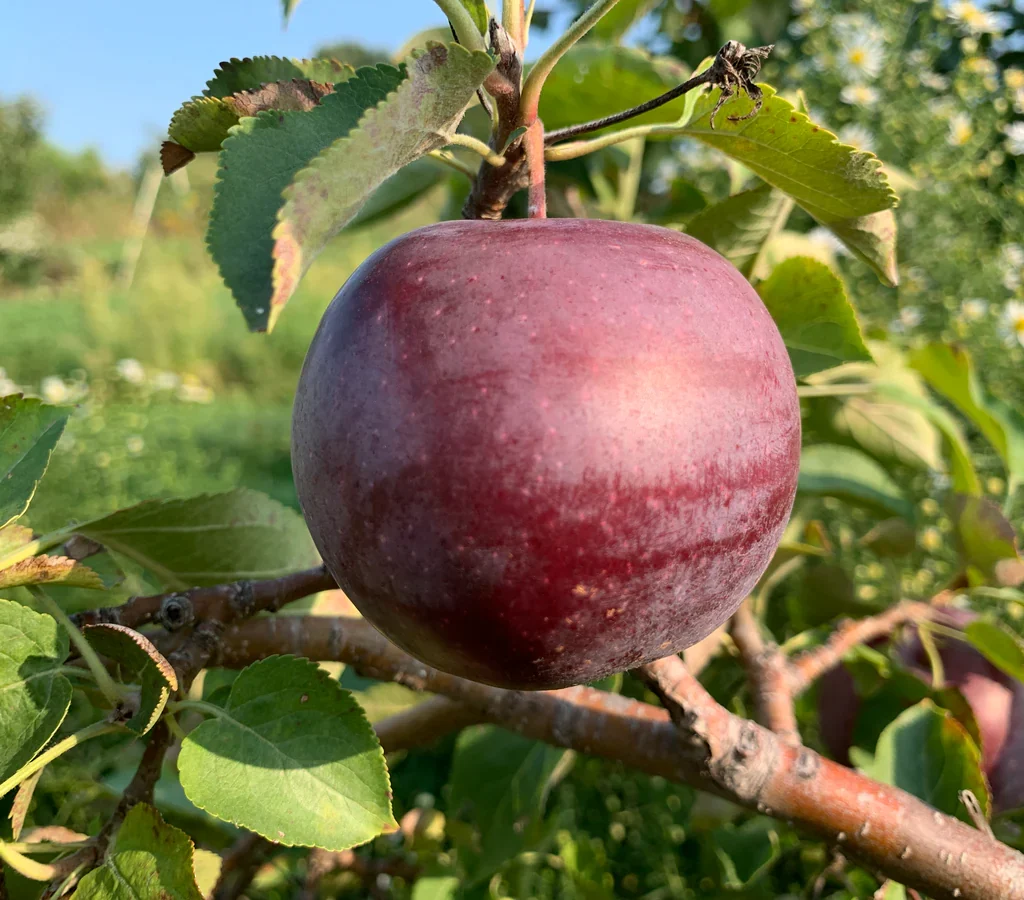
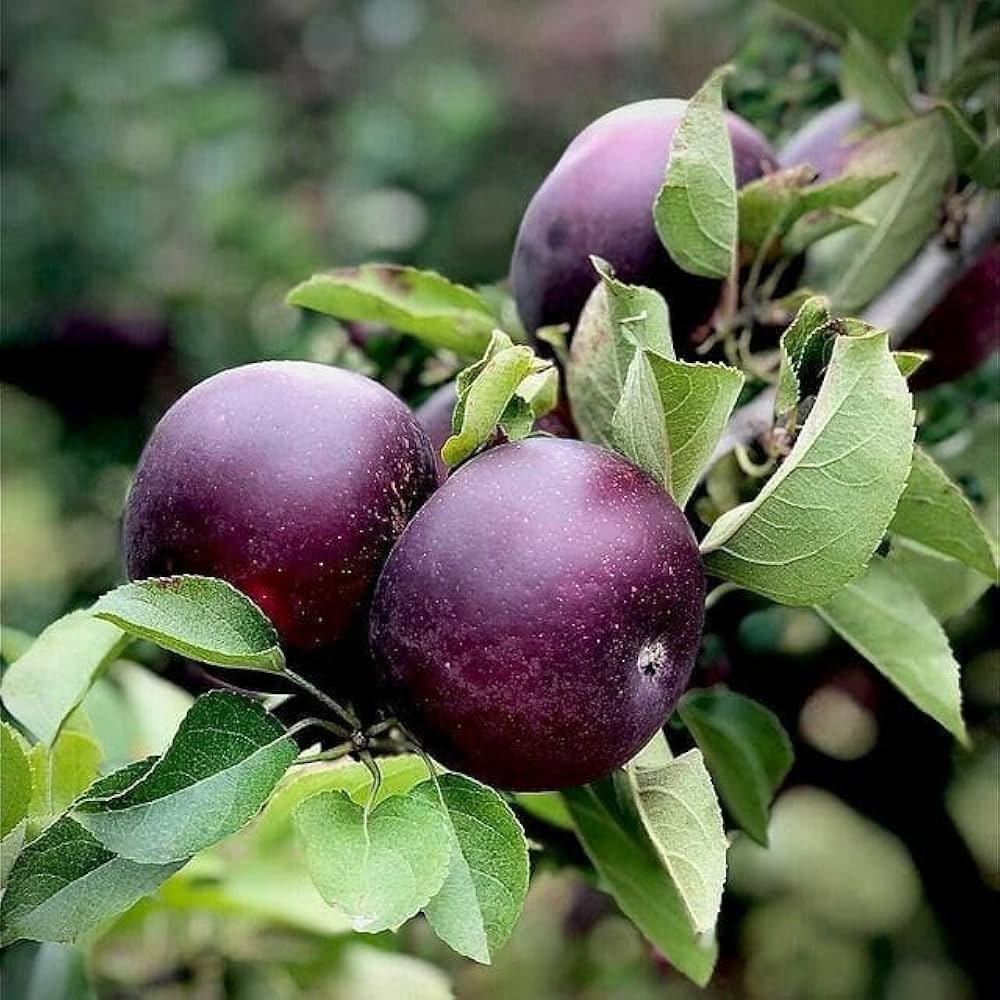
The Arkansas Black apple originated in the mid-1800s in Benton County, Arkansas. It’s believed to be a seedling of the Winesap apple, which explains its tart, rich flavor and firm texture. The fruit is medium-sized with deep red to nearly black skin, and it becomes darker as it ripens and stores.
Fresh off the tree, the apples can be quite hard and tart, but after a few weeks or months in storage, they mellow beautifully, developing a sweet-tart balance and a wine-like complexity. This makes them ideal for both fresh eating and baking, as well as for cider production.
Key characteristics include:
- Flavor: Tart and spicy when fresh, mellowing to sweet and rich over time
- Texture: Dense and crisp
- Harvest season: Late fall (October to November)
- Storage: Can last up to 4–6 months in proper conditions
- Hardiness zones: USDA Zones 5–9
2. Choosing the Perfect Planting Location
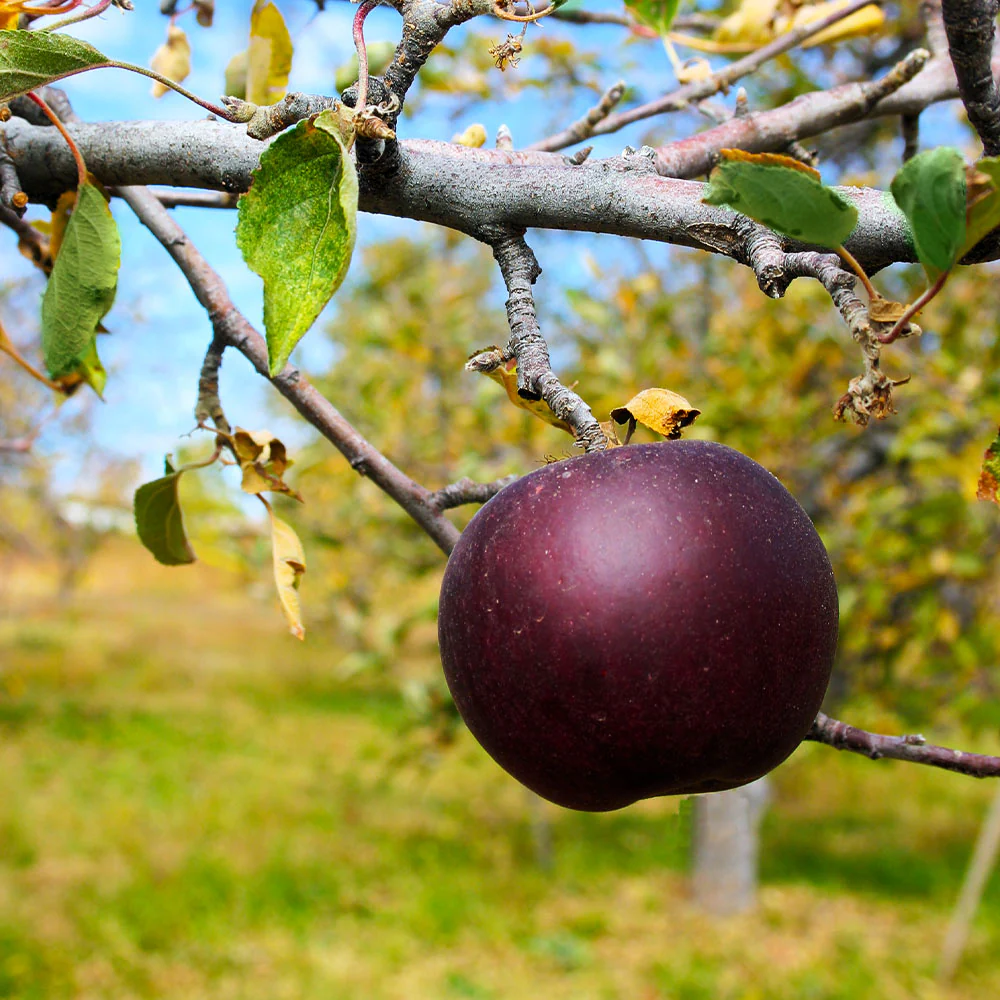
Apple trees need plenty of sunlight and good air circulation to thrive. When choosing a spot for your Arkansas Black apple tree, keep these essentials in mind:
- Sunlight: At least 6–8 hours of direct sunlight per day
- Soil type: Well-draining loam or sandy loam with good fertility
- Soil pH: Between 6.0 and 7.0 is ideal
- Spacing: Plant standard trees about 15–20 feet apart or dwarf varieties 8–10 feet apart
Avoid low-lying areas where cold air can settle, as this can lead to frost damage during bloom time. Planting on a gentle slope or elevated area improves drainage and reduces disease pressure.
3. Preparing the Soil and Planting the Tree
Before planting, test your soil to check pH and nutrient levels. You can amend the soil with compost or aged manure to improve fertility and structure.
Step-by-Step Planting Guide:
- Dig the hole: Make a hole twice as wide and just as deep as the root ball.
- Prepare the roots: If you’re planting a bare-root tree, soak the roots in water for a few hours before planting.
- Position the tree: Place the tree in the center of the hole, making sure the graft union (the swollen area above the roots) sits about 2–3 inches above the soil line.
- Backfill carefully: Refill the hole with soil, gently firming it around the roots to remove air pockets.
- Water thoroughly: Give the tree a deep watering to help the soil settle around the roots.
- Mulch: Apply 2–3 inches of organic mulch (like wood chips or straw) around the base, keeping it away from direct contact with the trunk.
4. Pollination Partners for Arkansas Black
The Arkansas Black apple tree is not self-pollinating, meaning it requires another apple variety nearby for cross-pollination to produce fruit.
Good pollination partners include:
- Granny Smith
- Honeycrisp
- Fuji
- Winesap
- Jonathan
Ensure the companion trees are within 50 feet for optimal pollination. Bees and other pollinators will take care of the rest!
5. Watering and Feeding
Young Arkansas Black apple trees need consistent moisture to establish strong roots. Water deeply once a week during the first growing season, adjusting based on rainfall.
Once the tree is established, water during dry spells, especially during bloom and fruit development.
For fertilization:
- Apply a balanced fertilizer (10-10-10) in early spring before new growth starts.
- Avoid over-fertilizing, as excessive nitrogen can lead to lush foliage but fewer fruits.
Mulching also helps retain soil moisture and regulates temperature.
6. Pruning and Training
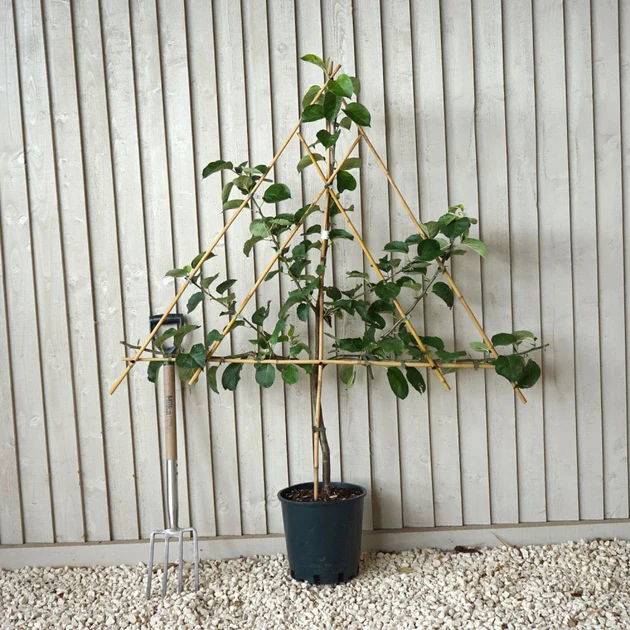
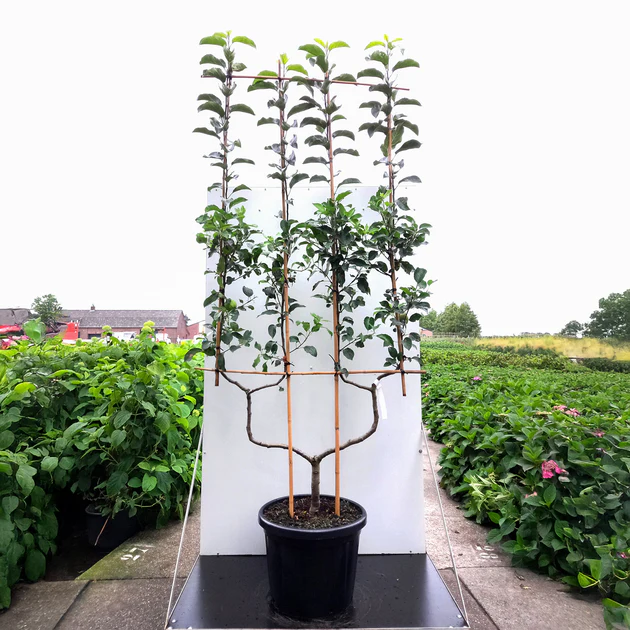
Proper pruning encourages a strong structure and promotes better fruiting. Start training your young Arkansas Black tree to a central leader system—the classic “Christmas tree” shape that allows sunlight to reach all parts of the canopy.
Pruning tips:
- First year: Remove damaged or crossing branches, leaving a few well-spaced lateral limbs.
- Following years: Thin out crowded branches and maintain good airflow.
- Annual maintenance: In late winter, prune to remove dead, diseased, or inward-growing wood.
Remember, good pruning reduces disease risk and improves fruit size and quality.
7. Managing Pests and Diseases
Like most apple varieties, Arkansas Black can be susceptible to certain pests and diseases, although it’s generally considered hardier than many others.
Common issues include:
- Apple scab
- Fire blight
- Powdery mildew
- Codling moths and apple maggots
Preventive measures:
- Prune regularly for good air circulation.
- Keep the orchard floor clean of fallen fruit and leaves.
- Use organic sprays like neem oil or horticultural oil during the growing season.
- Introduce beneficial insects such as ladybugs to control aphids naturally.
8. Harvesting and Storing Arkansas Black Apples
The harvest season usually arrives in late October or early November. When ripe, the apples should have a deep red to almost black hue and feel firm to the touch.
After harvesting, allow the apples to “cure” for a few weeks in a cool, dark place. This resting period enhances their flavor and texture, transforming the tartness into a more balanced, rich taste.
Store them in a cool environment (around 34–40°F) with high humidity. Under the right conditions, Arkansas Black apples can last up to six months—a rarity among apple varieties!
9. Enjoying Your Arkansas Black Apples
This apple’s dense texture and complex flavor make it incredibly versatile:
- Fresh eating: Slice thinly for a crunchy, tangy snack.
- Baking: Perfect for pies, crisps, and tarts as they hold their shape well.
- Cider making: Adds depth and tannins for a rich, balanced cider.
- Storage aging: For the best flavor, let them age a few weeks before eating.
Their unique dark skin and firm flesh also make them a beautiful addition to gift baskets or decorative displays during the fall season.
10. Final Thoughts: A Heritage Apple Worth Growing
Planting an Arkansas Black apple tree isn’t just about growing fruit—it’s about preserving a piece of American history. This variety, with its striking looks and unmatched storage potential, offers both beauty and practicality to your orchard or backyard garden.
Whether you’re an experienced gardener or just starting your fruit-growing journey, the Arkansas Black is a rewarding choice that delivers flavor, longevity, and charm. With proper care and patience, you’ll be enjoying delicious, homegrown apples that continue to improve long after harvest.

Leave A Comment