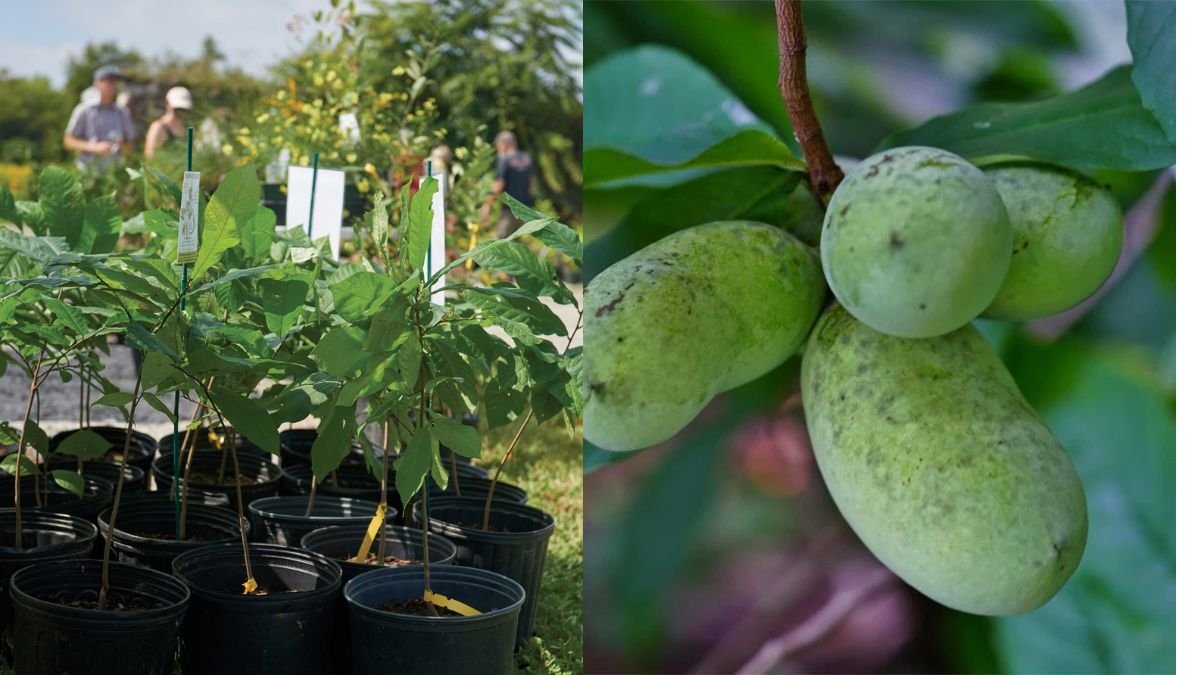
The American Pawpaw (Asimina triloba) is often called the “forgotten fruit of North America.” Native to the eastern United States, this tropical-tasting fruit grows on hardy trees that can withstand cold winters and still produce creamy, custard-like fruit reminiscent of banana, mango, and melon. Despite its exotic flavor, the pawpaw thrives in temperate climates, making it one of the most unique and resilient fruit trees you can grow.
In this detailed guide, we’ll explore everything you need to know about planting, growing, and harvesting American pawpaws — from selecting the right seeds or saplings to understanding their soil needs, pollination requirements, and care throughout the year.
Understanding the Pawpaw Tree
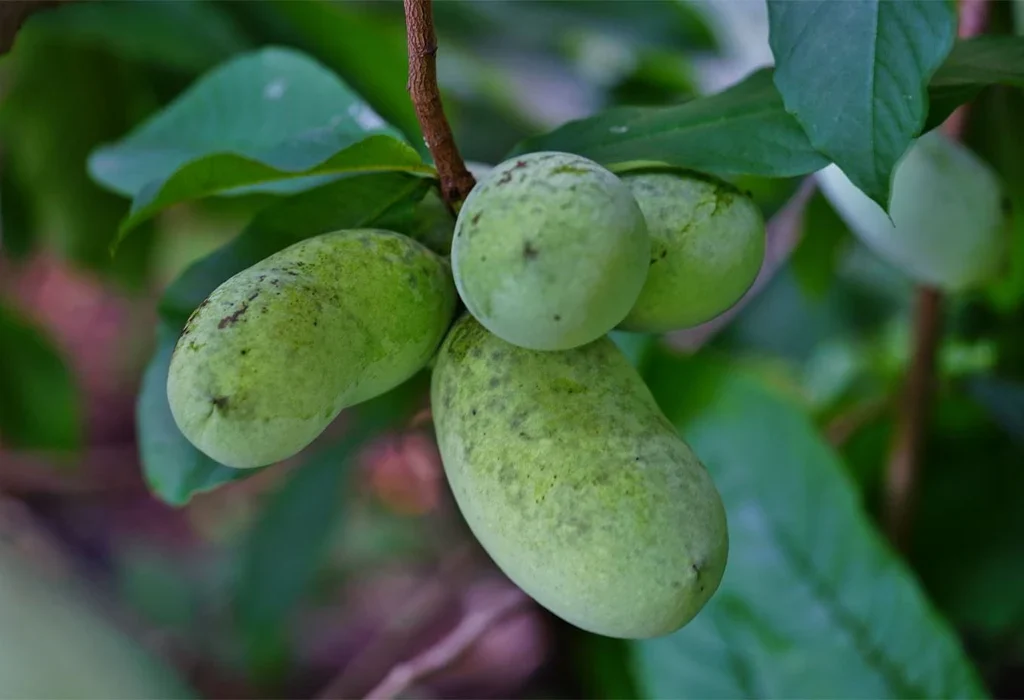
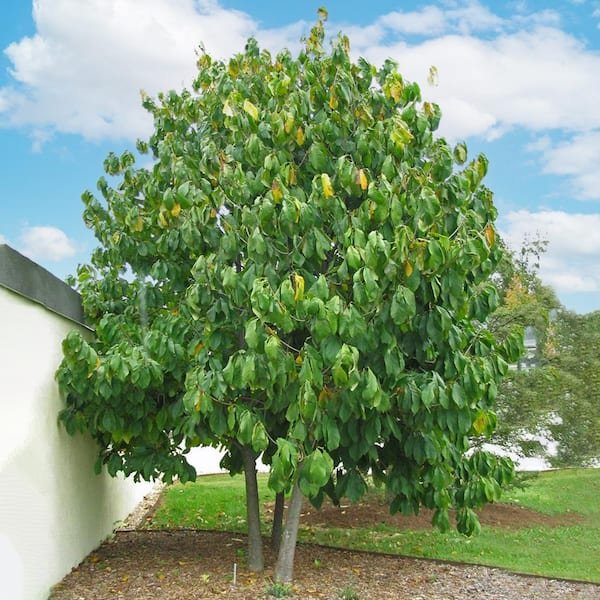
The pawpaw tree belongs to the Annonaceae family, which also includes tropical fruits like cherimoya and soursop. However, the pawpaw stands out as the only member of this family native to temperate regions. Mature trees can grow between 15 to 25 feet tall, with lush green foliage that provides excellent shade in summer and turns a bright yellow in fall.
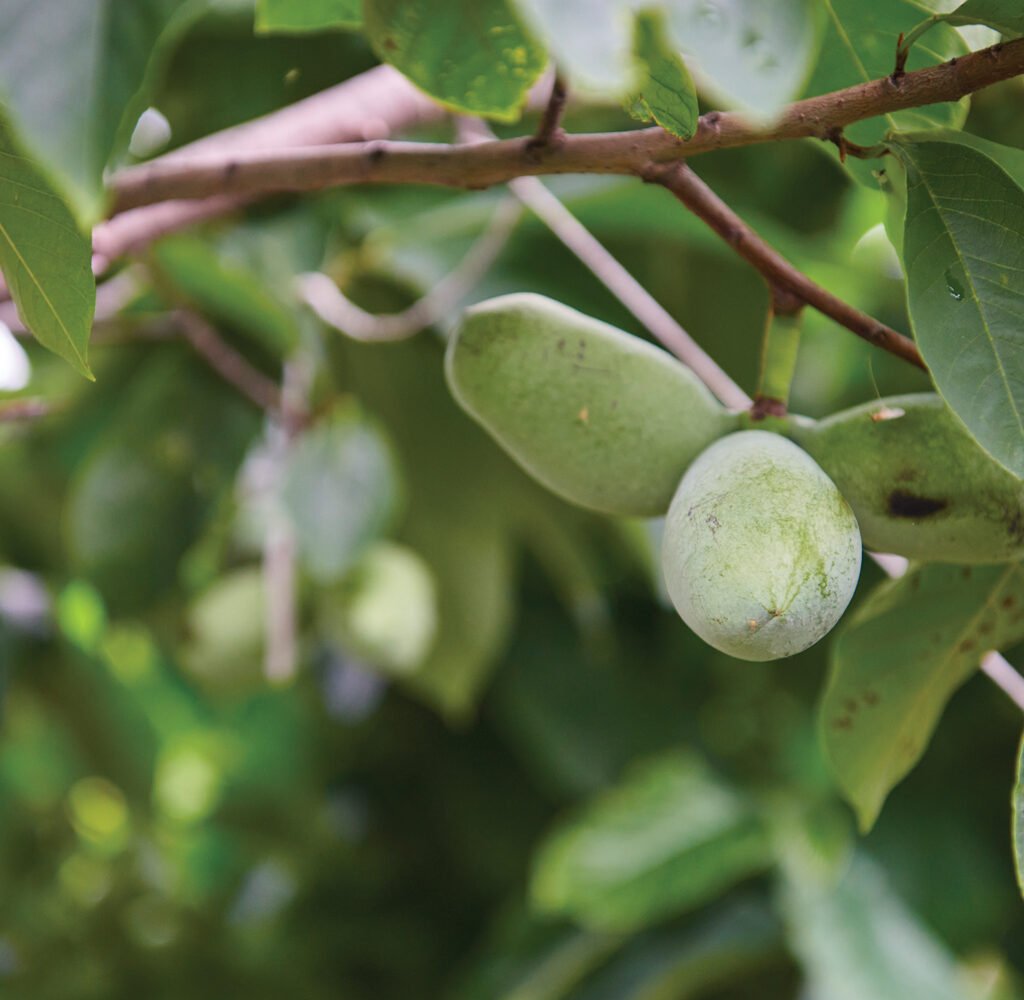
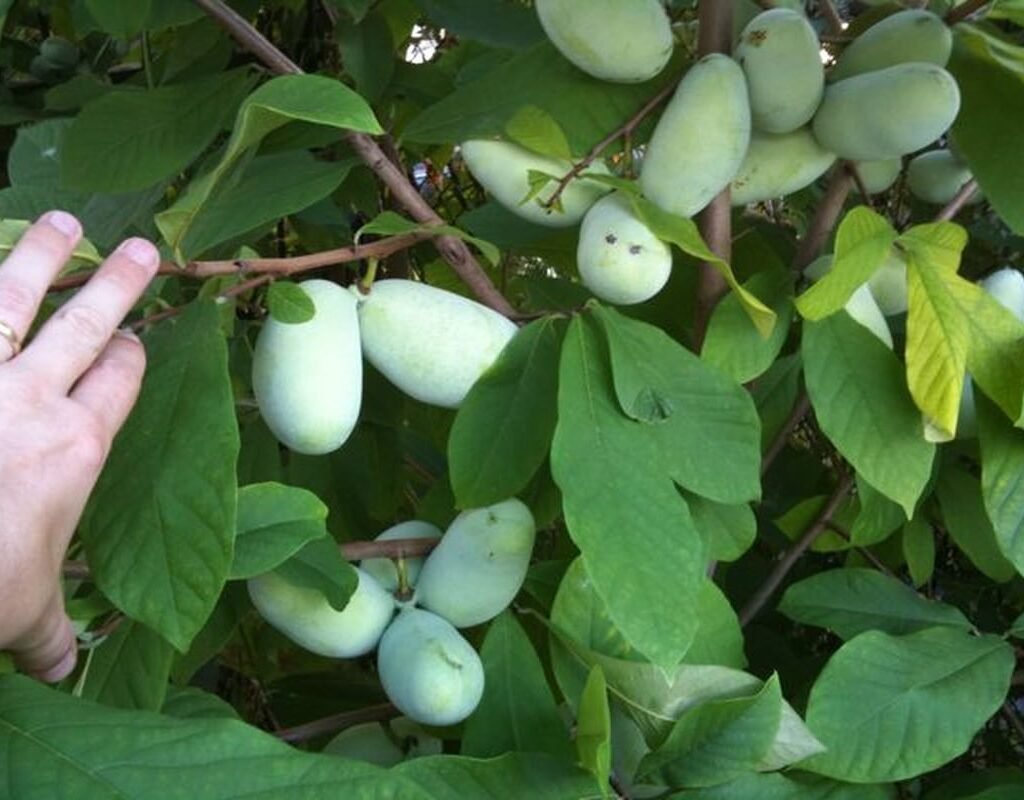
The fruit itself is oblong, about the size of a mango, with smooth green skin that ripens to a yellow or brown hue. Inside, the flesh is soft and sweet, filled with large brown seeds. Pawpaws are sometimes nicknamed “poor man’s banana” due to their tropical taste and creamy texture.
Why Grow Pawpaws?
There are many reasons gardeners and orchard enthusiasts love planting pawpaws:
- Cold-Hardy Exotic Fruit: Unlike most tropical fruits, pawpaws can survive cold winters — tolerating temperatures as low as -20°F (-29°C).
- Unique Flavor: The fruit tastes like a blend of banana, mango, and melon, with a smooth custard consistency.
- Nutritional Benefits: Pawpaws are rich in vitamin C, magnesium, iron, and potassium, as well as powerful antioxidants.
- Low Maintenance: Once established, pawpaw trees require minimal care and are resistant to most pests and diseases.
- Attracts Wildlife: The flowers attract pollinators, and the fruit is enjoyed by wildlife such as raccoons, squirrels, and birds.
Choosing the Right Pawpaw Variety
There are several improved cultivars of pawpaws that you can plant depending on your region and taste preferences. Some popular ones include:
- ‘Sunflower’: Self-fertile, productive, and known for large fruits with fewer seeds.
- ‘Shenandoah’: Smooth texture, sweet flavor, and excellent yield.
- ‘Susquehanna’: Large, firm fruit with a rich tropical taste.
- ‘Overleese’: Early ripening, excellent for cooler regions.
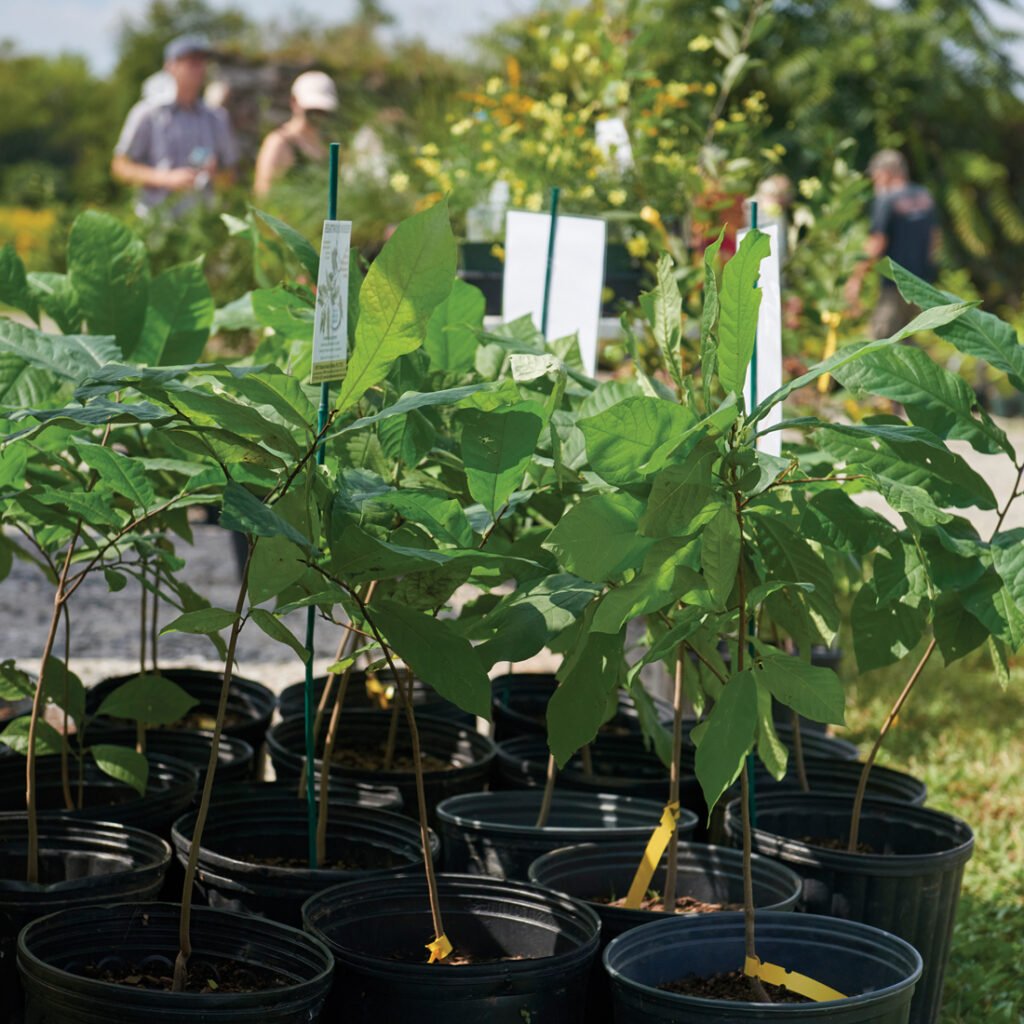
If you want to grow pawpaws from seed, remember that it can take five to seven years before fruiting, while grafted trees typically bear fruit in three to four years.
Ideal Growing Conditions
Although pawpaws are hardy, they have specific preferences when it comes to sunlight, soil, and moisture:
- Climate: They thrive in USDA zones 5–9.
- Sunlight: Young pawpaw trees prefer partial shade, while mature ones produce best in full sun.
- Soil: Pawpaws prefer well-draining, fertile soil rich in organic matter. Slightly acidic to neutral pH (5.5–7.0) works best.
- Moisture: Keep the soil consistently moist but not waterlogged. Pawpaws dislike drought conditions.
When planting, choose a sheltered location away from strong winds and frost pockets.
How to Plant Pawpaws
1. From Seeds:
- Collect fresh seeds from ripe fruits.
- Clean the seeds and store them in damp peat moss or sand.
- Refrigerate (stratify) them at around 40°F (4°C) for 3–4 months before sowing.
- Sow seeds 1 inch deep in pots or directly outdoors in spring once the soil warms up.
- Germination can take 6 to 10 weeks, so patience is key.
2. From Seedlings or Grafted Trees:
- Plant saplings in early spring after the danger of frost has passed.
- Dig a hole twice the width of the root ball and the same depth.
- Backfill with soil mixed with compost.
- Water thoroughly and mulch around the base to retain moisture and regulate temperature.
Pollination and Fruit Set
One unique aspect of pawpaws is their pollination challenge. The flowers are not attractive to common pollinators like bees. Instead, they rely on flies and beetles, which are less efficient.
To increase fruit set:
- Plant at least two genetically different trees for cross-pollination.
- Hand pollination is highly recommended — use a small brush to transfer pollen from one flower to another.
- Keep the area around trees rich in organic material to attract natural pollinators.
Caring for Pawpaw Trees
1. Watering:
Pawpaws need consistent watering, especially in their first few years. Aim for about 1 inch of water per week.
2. Mulching:
Apply a 2–3 inch layer of organic mulch (like straw or wood chips) to keep the roots cool and moist.
3. Fertilizing:
Feed young trees in spring with a balanced, slow-release fertilizer (10-10-10). Avoid over-fertilizing — pawpaws grow slowly but steadily.
4. Pruning:
Minimal pruning is needed. Remove dead or crossing branches and shape the tree for good airflow and sunlight penetration.
5. Pest & Disease Management:
Pawpaws are naturally pest-resistant, though you may occasionally find leaf spots or mildew. Good air circulation and proper watering help prevent these issues.
Harvesting Pawpaw Fruit
Pawpaws typically begin producing fruit in 3–5 years (for grafted trees). The fruits ripen in late summer to early fall, depending on your climate and variety.
Signs of ripeness:
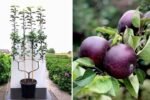
- The skin changes from green to yellowish or brown.
- The fruit softens slightly when squeezed.
- A rich, fruity aroma develops.
Gently twist or shake ripe fruits from the branches — they bruise easily, so handle with care. Pawpaws don’t store well at room temperature and should be refrigerated or processed soon after harvesting.
You can use them in smoothies, puddings, ice creams, breads, or fresh desserts.
Propagation Tips
Pawpaws can be propagated by:
- Seeds: For genetic diversity, though they take longer to bear fruit.
- Grafting: Ensures known fruit quality and earlier harvest.
- Root suckers: New shoots from the base can be transplanted.
Common Problems and Solutions
| Problem | Possible Cause | Solution |
|---|---|---|
| Poor fruit set | Lack of pollination | Plant multiple varieties or hand-pollinate |
| Yellowing leaves | Overwatering or poor drainage | Improve soil drainage |
| Leaf spots | Fungal issues | Remove infected leaves, ensure airflow |
| Dropping fruit | Stress or nutrient imbalance | Water regularly, apply balanced fertilizer |
Final Thoughts
Growing American pawpaws is a rewarding experience that combines exotic taste with hardy resilience. Whether you’re a home gardener or an orchard grower, pawpaw trees offer a taste of the tropics right in your backyard — without needing a tropical climate.
With the right planting site, consistent care, and patience, you can enjoy years of delicious fruit and the satisfaction of cultivating one of North America’s most fascinating native trees.
The American Pawpaw truly stands as the hardiest exotic fruit tree — a bridge between tropical flavor and temperate hardiness.

Leave A Comment