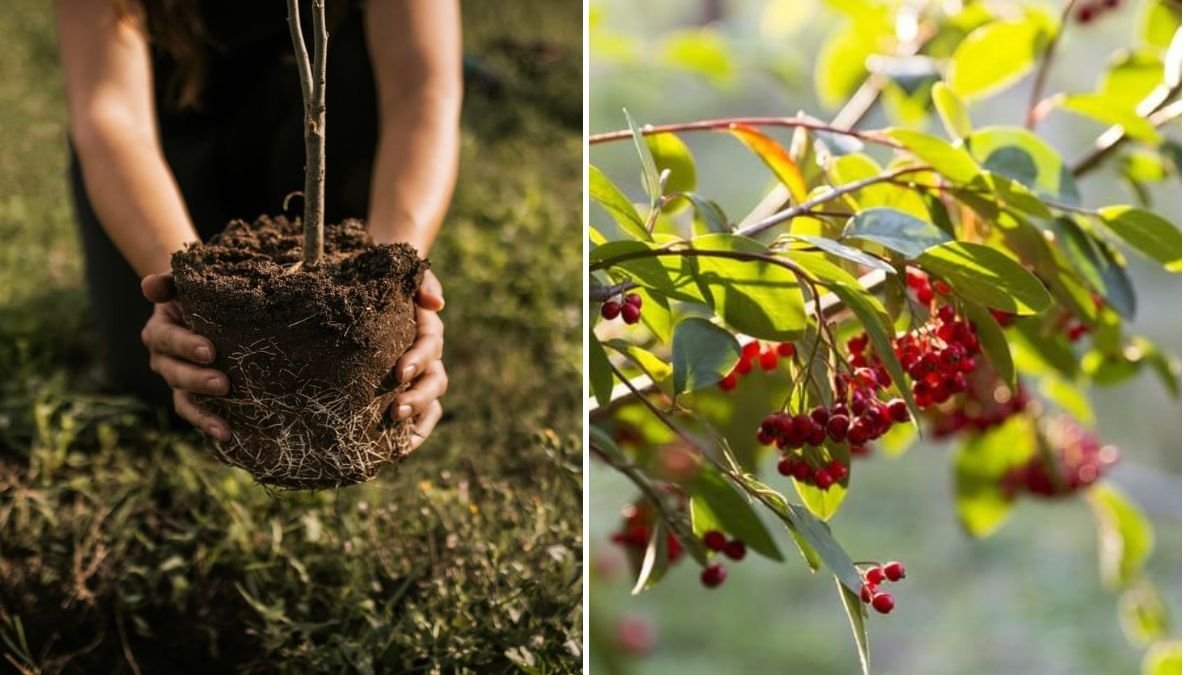
When spring paints the southern landscape in soft hues of green and gold, one of nature’s most overlooked treasures quietly ripens beneath the water-tolerant trees — the mayhaw. Known scientifically as Crataegus aestivalis or Crataegus opaca, the mayhaw is a small, tart, red fruit that grows on native hawthorn trees found in the wetlands, river bottoms, and swamps of the southeastern United States.
Each year, from late April through May, families and foragers head into these low-lying areas to collect the glistening berries, marking what’s affectionately known as “mayhaw season.” Picking mayhaws isn’t just a harvest activity; it’s a beloved Southern tradition that combines family, nature, and culinary creativity.
In this guide, we’ll explore everything you need to know about picking mayhaws — from understanding the trees and identifying ripe fruit to harvesting, cleaning, and preparing these unique berries for delicious homemade jams and jellies.
1. What Are Mayhaws?
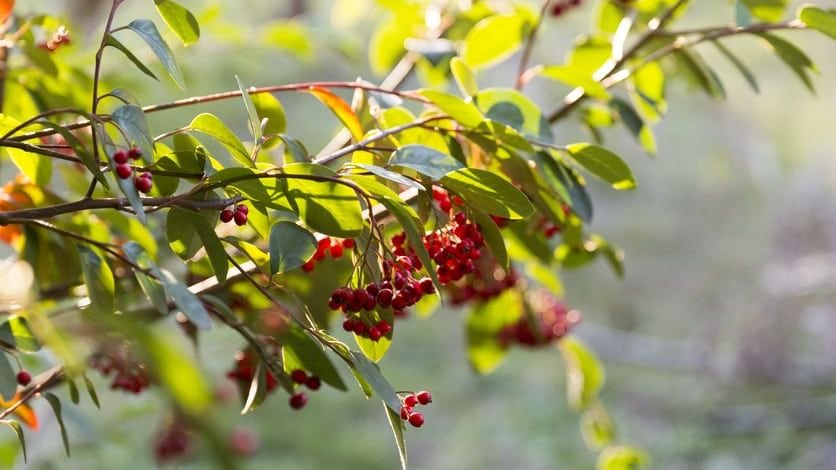
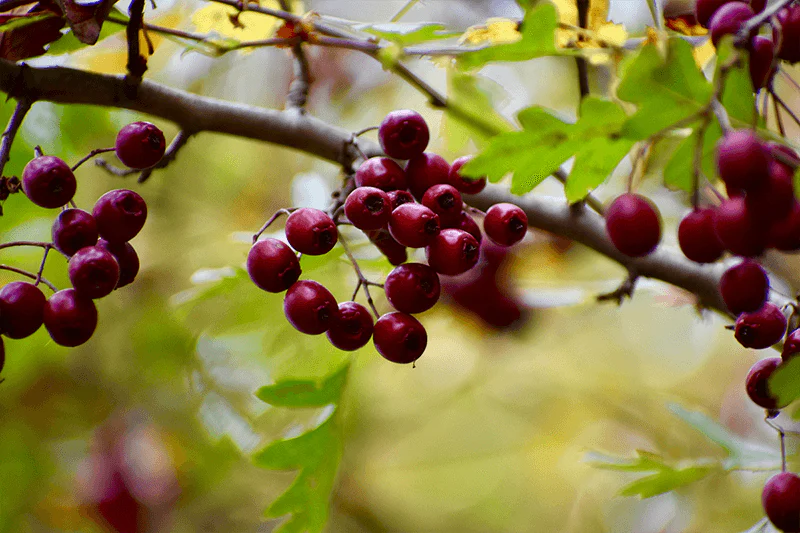
Mayhaws are small, round fruits — typically ½ to ¾ inch in diameter — that resemble miniature crabapples. They come from native hawthorn trees, which are deciduous and part of the Rosaceae (rose) family, closely related to apples and pears.
The trees themselves are small to medium-sized, ranging from 15 to 30 feet tall, with thorny branches and clusters of white blossoms that bloom in early spring. The fruit matures in late April to May, which gives the mayhaw its name — “May” for the month and “haw” from the old English word for “hedge” or “hawthorn.”
Though mayhaws are tart when eaten raw, they’re famous for being transformed into sweet, tangy jellies, syrups, and wines that are prized across the southern U.S.
2. Natural Habitat and Growth Conditions
Mayhaws are native to the low, wet regions of the southeastern United States, especially in states like Louisiana, Texas, Mississippi, Alabama, Georgia, and Florida.
They thrive in:
- Seasonally flooded areas
- Riverbanks
- Swamp edges
- Moist, loamy soils
Because of this, traditional mayhaw picking often involves wading through shallow water or muddy terrain—a fun challenge that adds to the adventure. However, mayhaw trees can also be successfully grown in home orchards if given well-drained, slightly acidic soil and plenty of sunlight.
3. Identifying Mayhaw Trees and Fruits
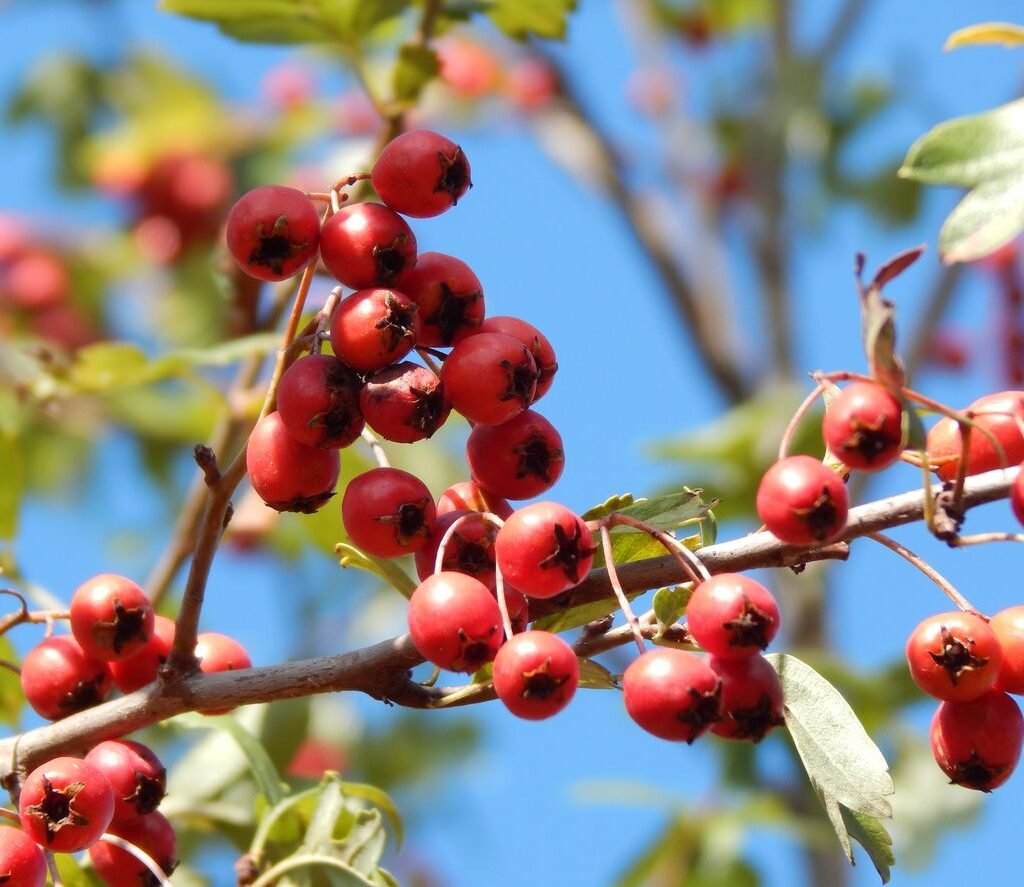
Before you head out picking, it’s essential to recognize a mayhaw tree and distinguish it from other hawthorn species.
Tree Identification:
- Leaves: Small, glossy, and serrated along the edges.
- Bark: Gray to brown with rough, textured patches.
- Thorns: Short and sharp, usually about ½ to 1 inch long.
- Flowers: Clusters of white blossoms appear in early spring (March–April).
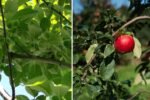
- Fruit: Bright red to orange-red when ripe, round, and smooth-skinned.
In the wild, you’ll often find mayhaw trees growing in shallow water or damp lowlands. The presence of flowers in early spring is your cue to revisit that area a few weeks later for ripe fruit.
4. When to Pick Mayhaws
Timing is crucial when it comes to harvesting mayhaws. The fruiting season typically begins in late April and lasts through May, depending on your region and local climate.
Signs of Ripeness:
- The fruits turn bright red, orange-red, or sometimes golden depending on the variety.
- They soften slightly but remain firm enough to handle.
- Many fruits begin to fall naturally into the water or grass below the trees.
The best time to pick mayhaws is early in the morning, when temperatures are cool, and the fruit is firm and fresh. Harvesting early also prevents wildlife — such as birds and raccoons — from getting to the fruit first.
5. Methods of Picking Mayhaws
There are two traditional methods of collecting mayhaws — hand-picking from the tree and gathering fallen fruit.
A. Hand-Picking:
For those who prefer precision, gently pluck ripe fruit directly from the branches. This ensures the berries are clean, unbruised, and of the best quality for cooking.
Tips:
- Wear gloves to avoid scratches from thorns.
- Use a small bucket or basket lined with a towel to cushion the fruit.
- Pick selectively — only the bright red, fully ripe fruits.
B. Gathering Fallen Fruit:
Many seasoned mayhaw pickers prefer to collect fallen fruits because ripe mayhaws naturally drop from the tree when ready.
In swampy areas, pickers often use a fine-mesh net or strainer to skim floating fruit from the water surface. On dry land, a rake or leaf net can be used to gather them from the ground.
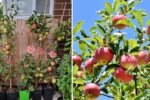
Pro Tip: Fallen fruit should be cleaned soon after collection to prevent spoilage, as they tend to ferment quickly in warm weather.
6. Cleaning and Sorting the Harvest
Once you’ve collected your mayhaws, the next step is cleaning and sorting them for processing.
Cleaning Steps:
- Rinse Thoroughly: Use cool water to remove dirt, leaves, or insects.
- Sort: Discard any bruised, shriveled, or unripe fruit.
- Soak: For swamp-picked mayhaws, soak them in clean water for 10–15 minutes to remove fine debris.
- Drain & Dry: Place on clean towels or paper to air dry.
After cleaning, you can refrigerate the fruit for up to five days or freeze it for longer storage before making jelly or juice.
7. Processing and Preserving Mayhaws
The most common use for mayhaws is making mayhaw jelly, known for its ruby-red color and delightful balance of tartness and sweetness.
Making Mayhaw Juice (for Jelly):
- Place clean fruit in a large pot and cover with water.
- Bring to a boil, then simmer for 15–20 minutes until the fruit softens.
- Mash gently and strain through cheesecloth or a fine sieve overnight.
- The resulting liquid is mayhaw juice, the base for jelly or syrup.
Preserving Options:
- Jelly or Jam: Classic Southern recipes use equal parts juice and sugar, cooked until set.
- Syrup: Boil juice with sugar until slightly thickened for pancakes or desserts.
- Wine: Ferment mayhaw juice for a fruity, light wine.
- Freezing: Store whole fruits or juice in airtight containers for future use.
8. Growing Mayhaw Trees at Home
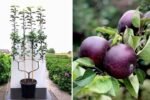
If you fall in love with mayhaws, consider planting your own trees. Modern horticultural advancements have made mayhaw cultivation easier and more productive than ever.
Planting Tips:
- Location: Choose a sunny, well-drained area.
- Soil: Slightly acidic (pH 5.5–6.5).
- Spacing: 15–20 feet apart.
- Watering: Keep soil moist, especially during establishment.
- Fertilizing: Apply a balanced fertilizer in spring.
Mayhaw trees begin bearing fruit in 4–6 years when grown from seed and 2–3 years if grafted. They can produce 30–50 pounds of fruit per tree annually once mature.
9. Nutritional and Health Benefits of Mayhaws
Beyond their culinary charm, mayhaws offer surprising health benefits.
Nutritional Highlights:
- Rich in Vitamin C: Strengthens the immune system.
- High in Antioxidants: Helps reduce inflammation and oxidative stress.
- Low in Calories: Ideal for healthy diets.
- Good Source of Fiber: Aids digestion and promotes heart health.
Traditionally, mayhaws were even used in folk medicine as a heart tonic, reflecting their botanical relationship to the hawthorn plant, which is known for cardiovascular support.
10. The Cultural Significance of Mayhaw Picking
Mayhaw picking is more than just a harvest—it’s a cultural celebration across many Southern communities. Each spring, festivals like the Louisiana Mayhaw Festival and Georgia Mayhaw Festival bring families together to enjoy local jelly contests, live music, and traditional food fairs.
For many, picking mayhaws is a family tradition passed down through generations, connecting people to their land, heritage, and community spirit. It’s a reminder of the South’s deep appreciation for nature’s simple gifts and seasonal bounty.
11. Challenges and Sustainability
While mayhaw trees grow naturally in the wild, their swampy habitats face threats from urban development, drainage projects, and climate change. This has made wild mayhaw harvesting less predictable.
To preserve this Southern treasure, more farmers are turning to cultivated mayhaw orchards. These controlled environments produce consistent yields and help keep the tradition alive. Home gardeners and small-scale farmers play an essential role in maintaining this ecological and cultural heritage.
12. Final Thoughts
Picking mayhaws is an experience that combines nature, nostalgia, and the joy of discovery. Whether you’re wading through shallow water with a bucket in hand or collecting fruit beneath your backyard trees, the process connects you deeply with the rhythms of the seasons.
From their fragrant spring blossoms to their vibrant red fruit, mayhaws symbolize the resilient beauty of the Southern landscape. Their tart flavor, transformed through skill and care into sweet jelly, tells a story of tradition, patience, and community.
So next May, grab a basket, head toward the wetlands, and join in one of the South’s most enduring rituals — the timeless art of picking mayhaws.

Leave A Comment