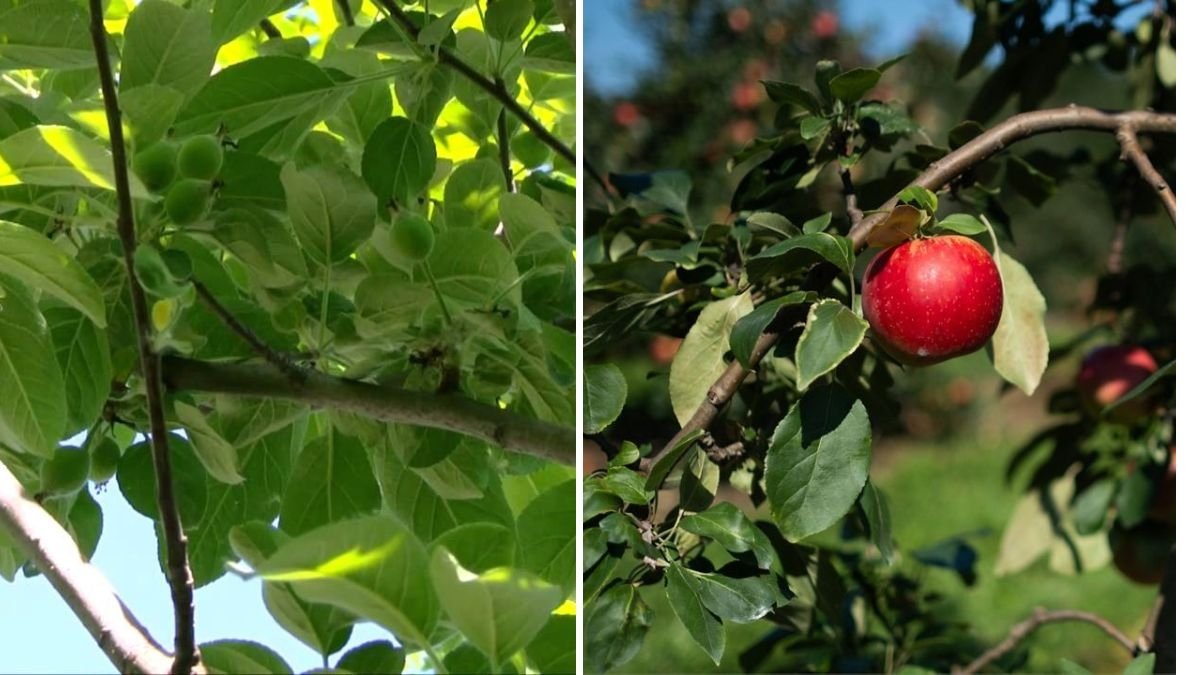
There’s something truly magical about walking out your back door and picking crisp, sun-warmed apples right from your own trees. For many home gardeners, the dream of growing a small suburban apple orchard has become a rewarding reality — proving that you don’t need acres of farmland to enjoy fresh, homegrown fruit.
Inspired by the video “My Suburban Apple Orchard – Honeycrisp, Fireside & McIntosh Apples,” this guide dives into how you can grow these three classic varieties successfully in your own backyard. Each has its own unique personality — Honeycrisp with its perfect crunch, Fireside with its rich sweetness, and McIntosh with its nostalgic tartness.
In this post, we’ll explore everything from orchard planning and planting to pruning, pollination, and harvesting — along with what makes each apple variety a standout choice for suburban growers.
Planning Your Suburban Apple Orchard
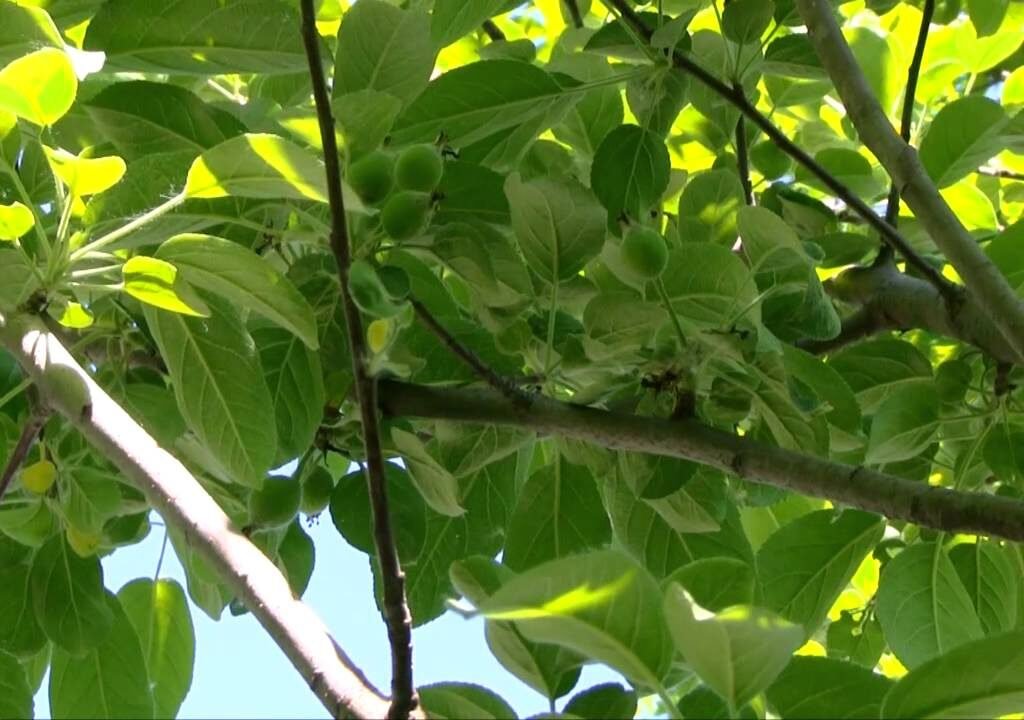
Before you start planting, a little planning can make all the difference. Space may be limited in a suburban setting, but with the right varieties and layout, you can still create a thriving mini-orchard.
1. Choose the Right Location
Apples need at least 6–8 hours of full sunlight per day. Pick the sunniest spot in your yard with well-draining soil and good air circulation to reduce disease risk.
2. Know Your Soil
Apple trees prefer loamy soil with a pH of 6.0–6.8. Before planting, amend the soil with compost or aged manure to improve fertility and drainage.
3. Spacing and Tree Type
For small yards, dwarf or semi-dwarf apple trees are perfect. They grow only 8–15 feet tall and start bearing fruit within 2–4 years.
- Dwarf trees: 8–10 feet apart
- Semi-dwarf trees: 12–15 feet apart
4. Pollination Matters
Most apple varieties, including Honeycrisp, Fireside, and McIntosh, are not self-pollinating. Luckily, planting these three together creates excellent cross-pollination — ensuring heavy fruit production for all.
Bees are your best orchard partners, so avoid using chemical sprays during bloom season.
Meet the Stars of the Orchard
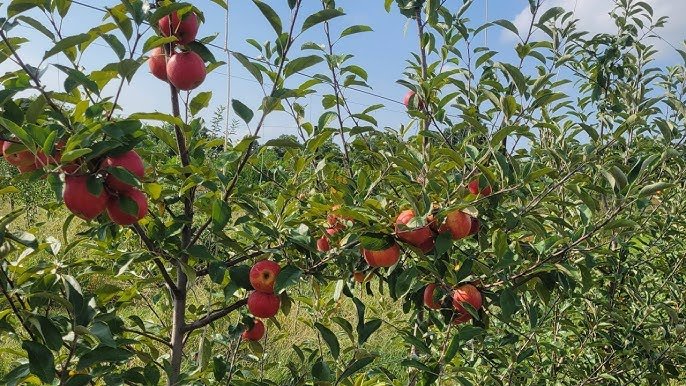
Each of these apple varieties brings something special to your backyard. Let’s take a closer look at what makes Honeycrisp, Fireside, and McIntosh stand out.
Honeycrisp: The Modern Favorite
Introduced by the University of Minnesota in the 1990s, Honeycrisp quickly became one of the most popular apple varieties worldwide.
Flavor & Texture:
- Explosively crisp and juicy
- Balanced sweetness with mild acidity
- Refreshing, honey-like flavor
Appearance:
- Large apples with mottled red and yellow skin
- Creamy-white flesh that stays crisp for weeks after harvest
Why Grow It:
Honeycrisp apples are prized for their superb crunch and long storage life. They’re perfect for fresh eating and make a premium addition to your backyard orchard.
Tips for Growing Honeycrisp:
- Needs cold winters (ideal in USDA Zones 3–7).
- Prefers consistent moisture but not waterlogging.
- Fruit tends to bruise easily — handle gently during harvest.
Fireside: The Sweet Heirloom Hybrid
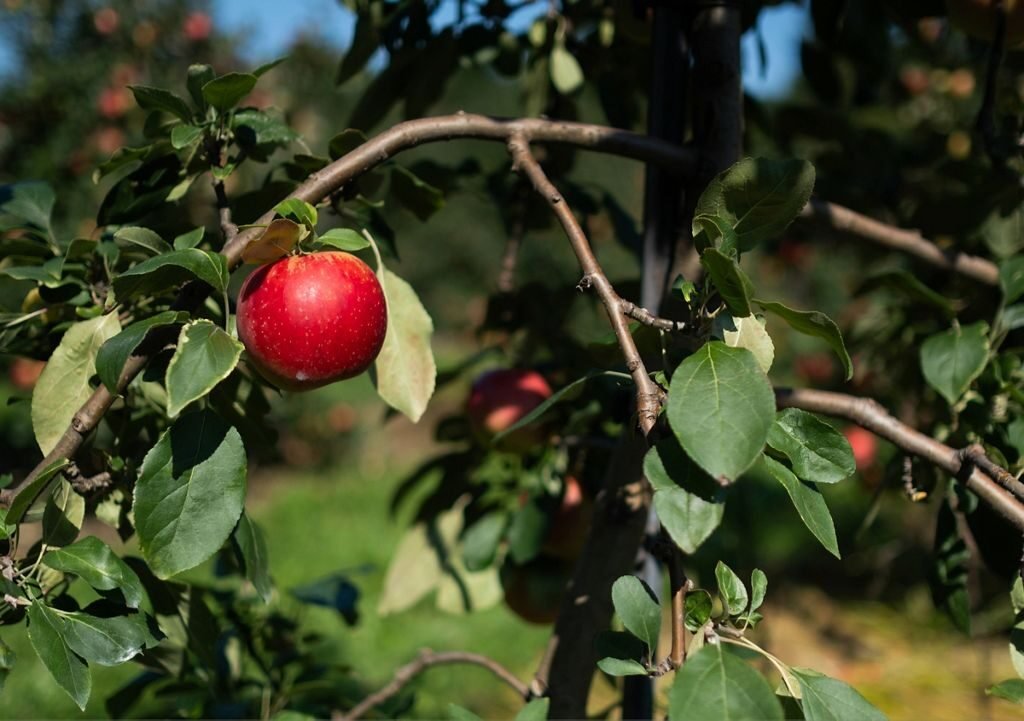
Also developed by the University of Minnesota (in 1943), Fireside apples are less known but deeply loved among orchard enthusiasts.
Flavor & Texture:
- Very sweet with low acidity
- Crisp and juicy
- Ideal for fresh eating or winter storage
Appearance:
- Large apples with red-striped skin and green-yellow undertones
- Fine-grained, firm flesh
Why Grow It:
Fireside is perfect for those who prefer a sweeter apple that stores well through winter. It’s less prone to bruising than Honeycrisp and adds diversity to your orchard’s harvest window.
Growing Notes:
- Hardy in zones 3–7.
- Resists bruising and stores for 3–4 months.
- Bears consistently once mature.
Fireside trees are vigorous growers and provide excellent pollination partners for both Honeycrisp and McIntosh.
McIntosh: The Classic Old-Fashioned Favorite
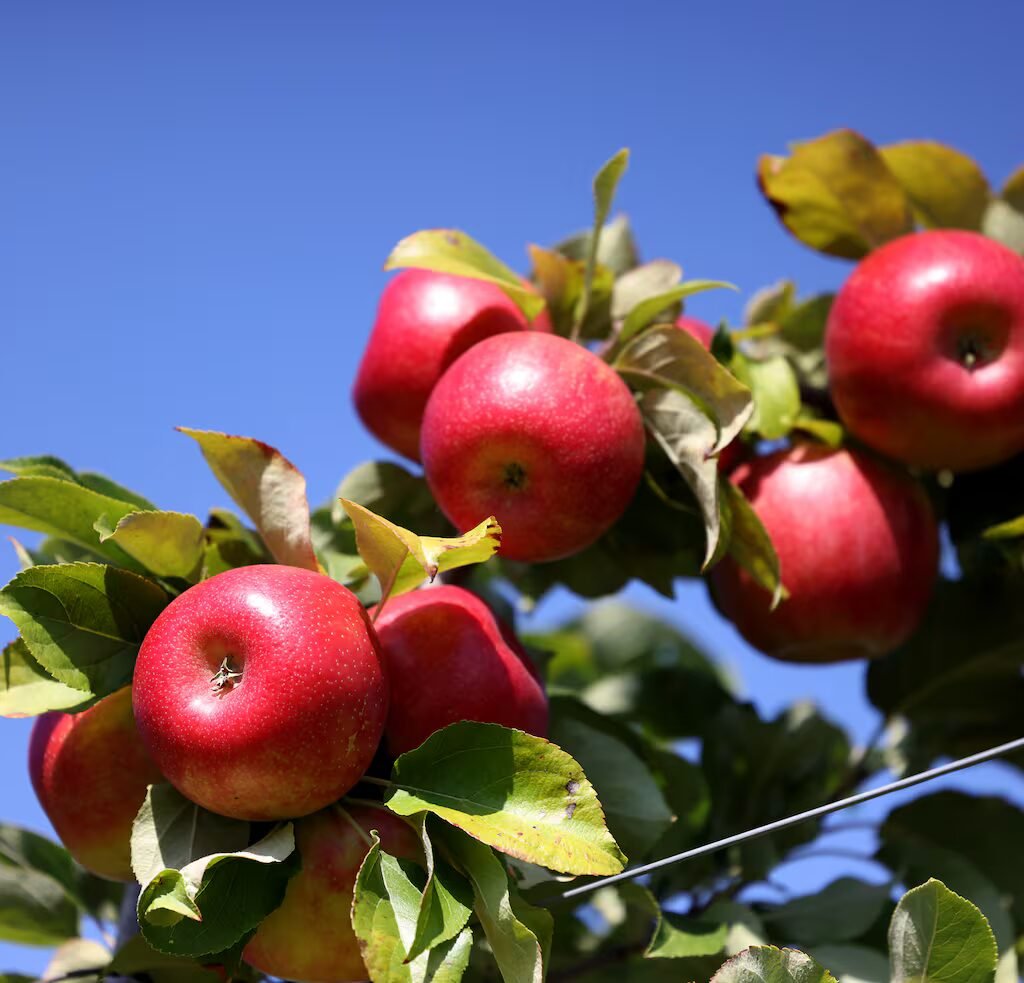
No apple evokes nostalgia quite like the McIntosh. Originating in Canada in the early 1800s, this heirloom variety has long been cherished for its distinct flavor and aroma.
Flavor & Texture:
- Tart, aromatic, and slightly spicy
- Soft, tender flesh that breaks down beautifully when cooked
Appearance:
- Medium-sized fruit with deep red skin and greenish highlights
- White, fine-textured flesh that often turns pink in applesauce
Why Grow It:
McIntosh is a reliable, cold-hardy apple that thrives in northern climates. Its tangy flavor makes it ideal for cooking, cider, and sauce, though it’s equally delightful fresh off the tree.
Growing Notes:
- Cold-tolerant and ideal for northern gardeners.
- Produces early and abundantly.
- Fruit softens quickly after picking, so it’s best eaten fresh or processed soon.
Seasonal Orchard Care and Growth Updates
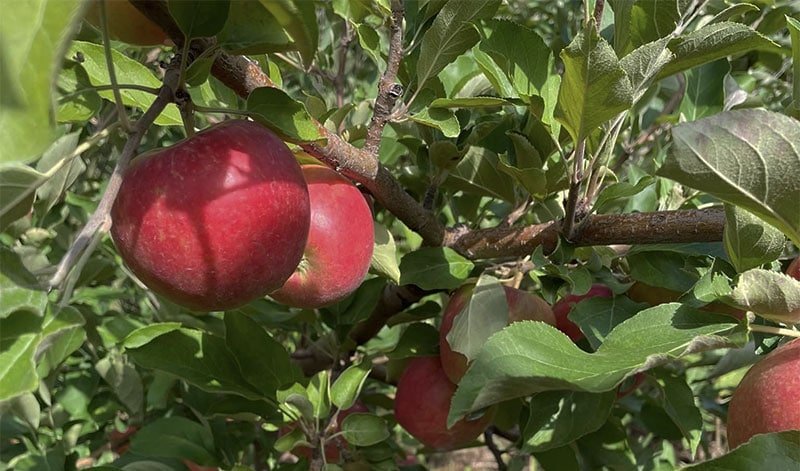
Once your trees are in the ground, consistent care through the seasons will keep your suburban orchard productive and healthy.
Spring: Blossoms and Pollination
Spring is the most beautiful time in your orchard. The trees burst into bloom — white and pink flowers covering every branch.
- Fertilize lightly in early spring with a balanced 10-10-10 fertilizer.
- Prune before buds break to remove dead wood and shape the canopy.
- Watch for pests like aphids or apple blossom weevils. Organic neem oil sprays work well.
The cross-pollination between your Honeycrisp, Fireside, and McIntosh will ensure a strong fruit set for all three.
Summer: Growth, Watering, and Thinning
As fruitlets form, the trees will focus their energy on developing healthy apples.
- Water deeply once per week during dry spells.
- Mulch around the base to retain moisture and discourage weeds.
- Thin fruit so apples are spaced 5–6 inches apart — this helps them grow larger and prevents limb strain.
- Keep an eye out for apple maggots, codling moths, and powdery mildew. Use traps or organic controls if needed.
Fall: Harvest Season
This is the most rewarding time in your suburban orchard — the payoff for your year of care.
Each of your varieties ripens at a slightly different time:
- McIntosh: Early to mid-September
- Honeycrisp: Late September to early October
- Fireside: Mid to late October
Harvest apples gently by twisting them upward rather than pulling. A mature tree can produce 100–200 apples per season, depending on size and care.
Winter: Rest and Preparation
After the leaves fall, your trees enter dormancy. Use this time to prepare for next season:
- Prune again in late winter to maintain shape.
- Wrap trunks with tree guards to protect from frost and rodents.
- Apply dormant oil spray to smother overwintering pests.
Your orchard may look quiet, but the trees are storing energy for another beautiful spring bloom.
Common Challenges and How to Overcome Them
Even in a small suburban orchard, apple trees can face a few challenges.
- Apple Scab:
- Symptoms: Olive-green patches on leaves and fruit.
- Fix: Choose disease-resistant rootstocks and apply sulfur sprays early in the season.
- Fire Blight:
- Symptoms: Blackened, wilted shoots resembling burned tips.
- Fix: Prune out infected wood and sterilize tools.
- Pests:
- Common culprits: Codling moths, apple maggots, aphids.
- Fix: Use pheromone traps, sticky bands, and neem oil for organic control.
- Uneven Fruit Set:
- Usually caused by poor pollination or weather during bloom.
- Fix: Encourage bees with nearby flowering plants and avoid pesticide use during bloom time.
Tasting the Harvest: Flavor Comparison
When harvest time comes, you’ll quickly learn that each apple in your orchard has its own distinct personality.
- Honeycrisp: Sweet, crisp, and modern — perfect for fresh snacking.
- Fireside: Mellow and sugary — great for eating fresh or making winter desserts.
- McIntosh: Tart and aromatic — the best choice for sauces, pies, and cider.
Together, these varieties give you a full flavor spectrum from tart to sweet, ensuring you’ll never get bored of your homegrown apples.
Storing and Enjoying Your Apples
To enjoy your harvest long after fall, proper storage is key.
- Honeycrisp: Lasts 2–3 months in cold storage.
- Fireside: Excellent keeper — can store up to 4 months.
- McIntosh: Best enjoyed within a few weeks after picking.
Store apples in a cool, humid basement or fridge (30–35°F). Keep them separate from strong-smelling produce and check occasionally for soft spots.
Conclusion: The Joy of a Backyard Orchard
Creating a suburban apple orchard is more than just gardening — it’s about cultivating a lifestyle of patience, care, and reward. Each spring blossom and autumn harvest connects you with the rhythm of nature, even in the middle of a neighborhood.
Growing Honeycrisp, Fireside, and McIntosh apples together gives you the perfect mix of tradition and modern taste — from McIntosh’s nostalgic tang to Fireside’s sugary sweetness and Honeycrisp’s irresistible crunch.
So, whether you’re just starting or nurturing your trees for years, remember: every apple you pick from your own backyard is more than just fruit — it’s the result of your dedication, and the taste of homegrown success.

Leave A Comment