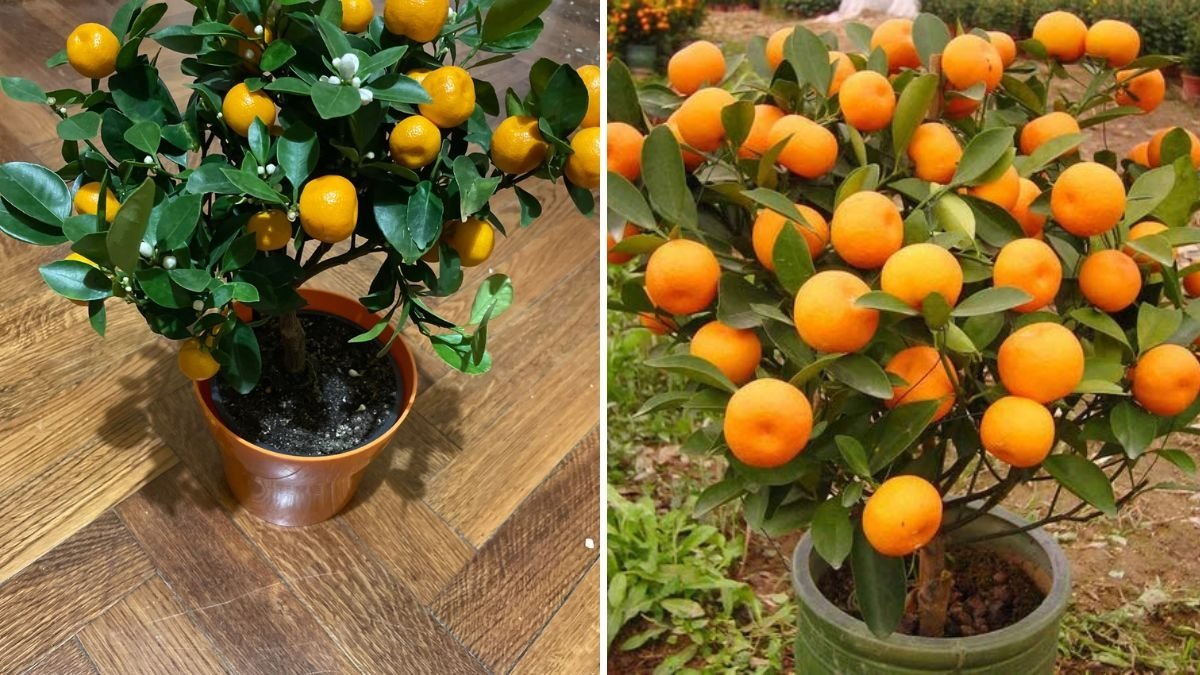
Growing your own tangerine tree at home is easier than you might think — even if you don’t have a large garden! Tangerines, a sweet and tangy citrus fruit from the orange family, can thrive beautifully in containers when given proper care. Their fragrant blossoms, glossy green leaves, and delicious fruits make them a perfect addition to balconies, patios, or small backyards.
In this detailed guide, you’ll learn everything you need to know about how to grow tangerine fruit in pots at home, from selecting the right pot and soil mix to watering, pruning, and harvesting. Let’s dive into the world of homegrown citrus and discover how you can enjoy fresh, juicy tangerines straight from your own container garden.
1. Why Grow Tangerines in Pots?
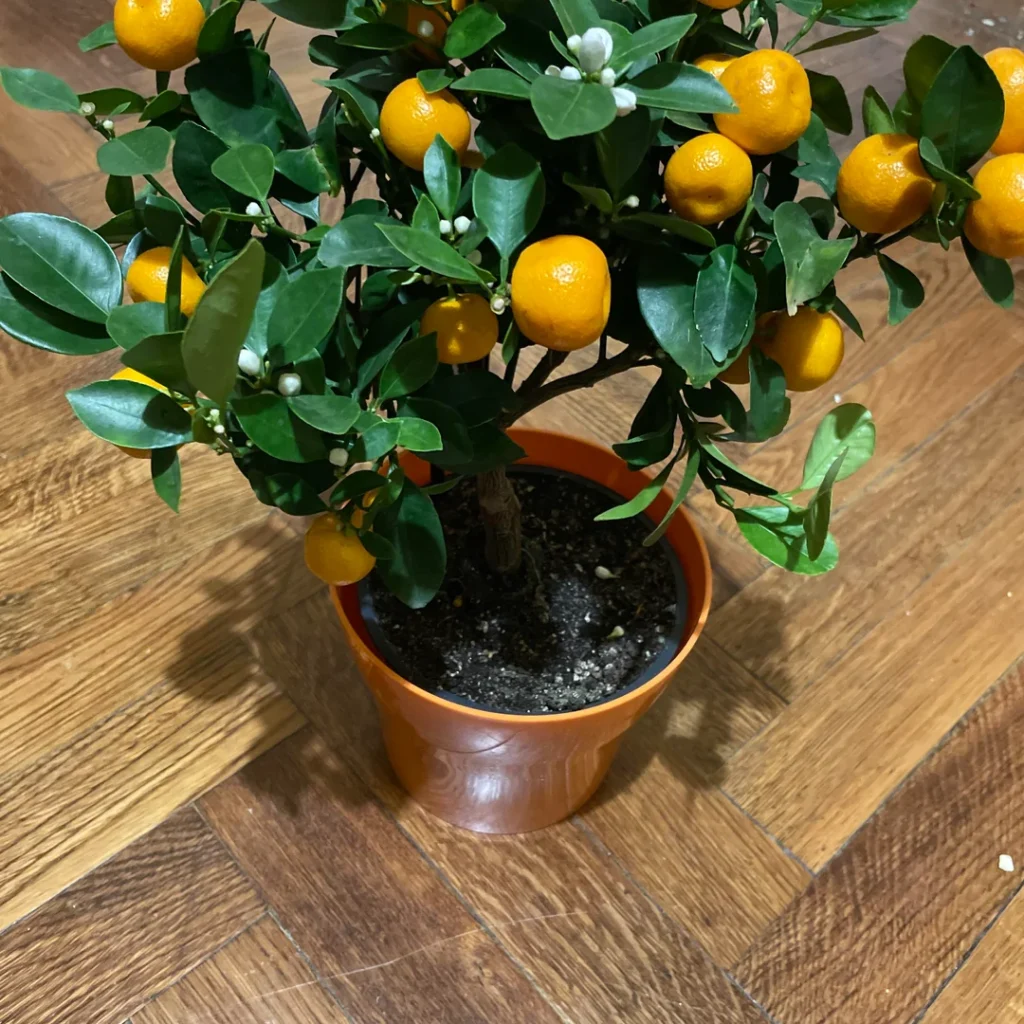
Growing tangerines in pots offers flexibility and accessibility for every gardener. Whether you live in an apartment or have limited garden space, container gardening allows you to enjoy the beauty and taste of citrus trees right at home.
Here are some major benefits:
- Portability: You can easily move your tangerine tree indoors during the winter or place it in sunny spots as needed.
- Pest Control: Container gardening helps reduce exposure to soil-borne pests and diseases.
- Space-Saving: Perfect for balconies, patios, or rooftop gardens.
- Control Over Conditions: You can adjust soil quality, watering, and fertilization more easily than in-ground trees.
2. Choosing the Right Tangerine Variety
When growing tangerines in containers, it’s best to choose dwarf or semi-dwarf varieties that adapt well to limited space. Some of the most recommended types for pot cultivation include:
- Dancy Tangerine: Known for its rich flavor and easy peeling.
- Clementine (Mandarin Orange): Small, sweet, and seedless—ideal for beginners.
- Honey Tangerine (Murcott): Produces juicy and sweet fruits.
- Sunburst Tangerine: Compact size and high yield, great for containers.
Dwarf tangerine trees usually grow between 4 to 6 feet tall, making them ideal for container gardening.

3. Choosing the Right Pot and Location
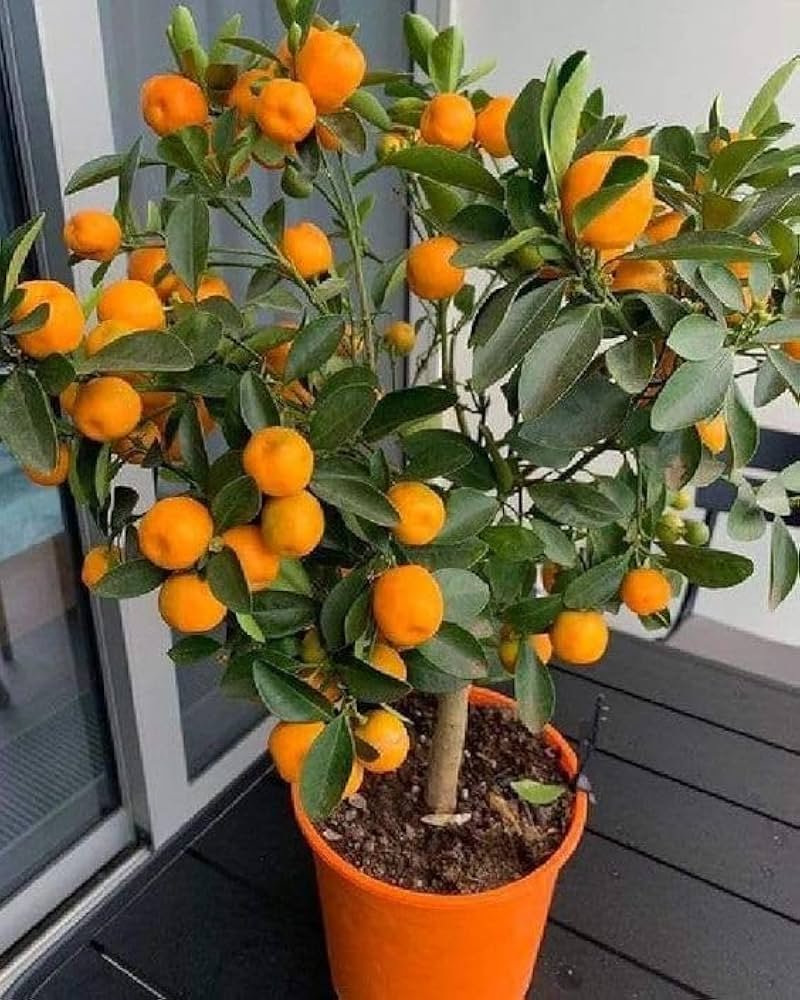
A healthy tangerine tree begins with the right container. Here’s what to keep in mind:
- Size: Choose a pot that’s at least 18–24 inches wide and deep. This size allows proper root development.
- Material: Use plastic, ceramic, or wooden pots with good drainage holes. Avoid heavy clay pots that retain too much water.
- Drainage: Ensure at least 3–4 holes at the bottom of the container to prevent root rot.
Location Tip:
Tangerine trees love sunshine. Place your pot where the plant receives 6–8 hours of direct sunlight daily. South- or west-facing balconies and patios are perfect.
4. Preparing the Ideal Soil Mix
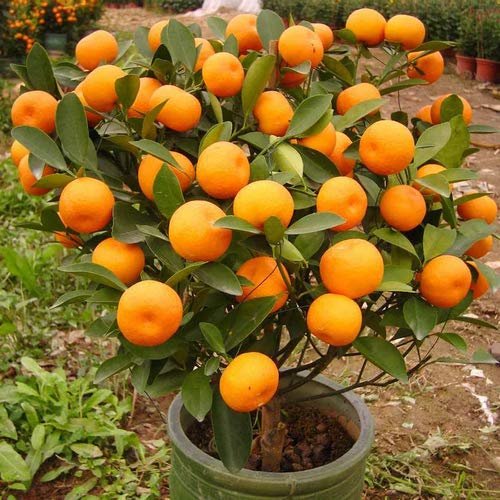
The right soil mixture is key for strong root growth and fruit production. Tangerines prefer well-draining, slightly acidic soil.
Best Soil Mix for Tangerines in Pots:
- 1 part garden soil or compost
- 1 part coco peat or peat moss
- 1 part perlite or coarse sand
- Add a handful of organic compost or well-rotted cow manure
This blend ensures good aeration and moisture balance. Avoid heavy, clay-rich soil that holds excess water.
Pro Tip:
Add a small amount of bone meal or citrus fertilizer when planting to encourage root development and flowering.

5. Planting the Tangerine Tree
Once your soil and pot are ready, it’s time to plant your tangerine:
- Fill the pot halfway with the prepared soil mix.
- Place the young tangerine sapling (or grafted plant) in the center.
- Fill the rest of the pot, covering the roots but keeping the crown just above the soil surface.
- Gently press down the soil to eliminate air pockets.
- Water thoroughly until excess water drains out from the bottom holes.
If you’re planting from seed, note that grafted plants produce fruit much faster (2–3 years) compared to seed-grown trees (which can take 5–7 years).
6. Watering Your Tangerine Tree
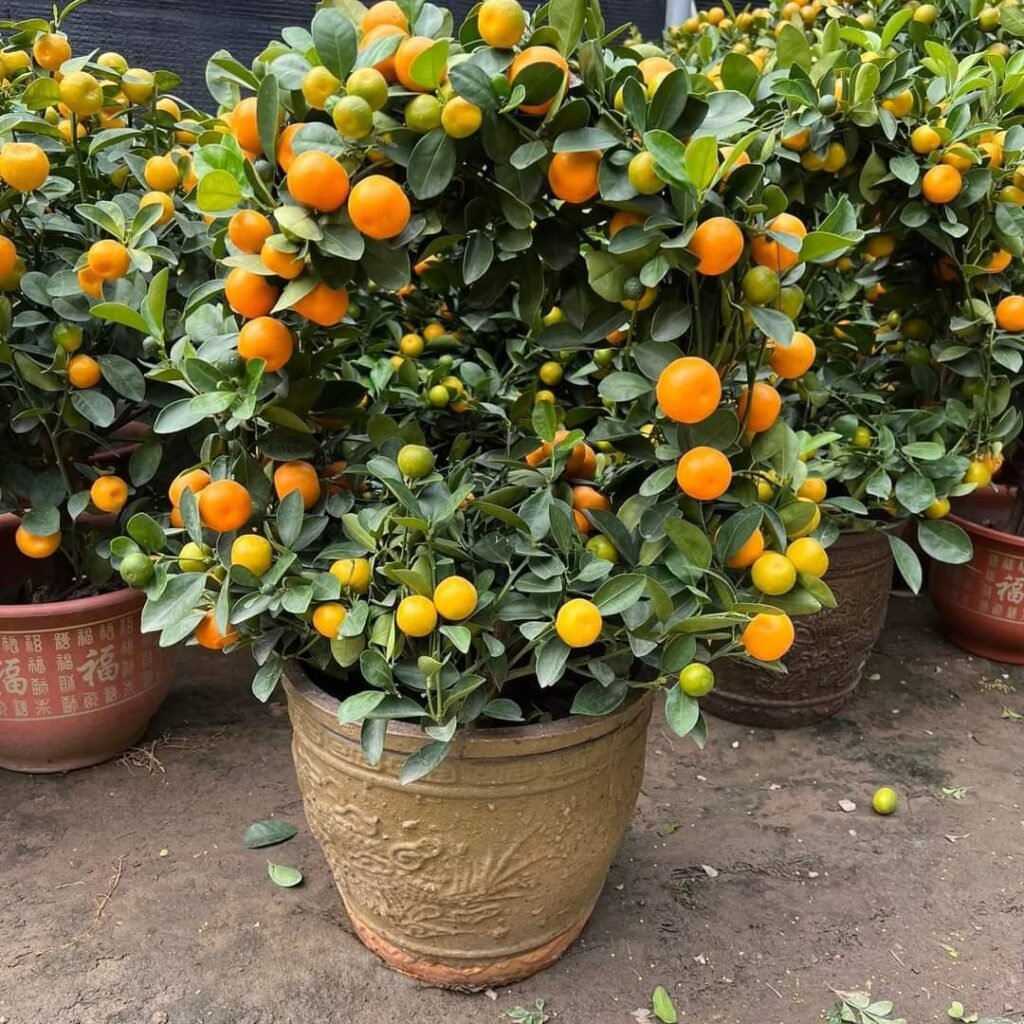
Tangerines love moisture but don’t tolerate soggy roots. The key is consistent but moderate watering.
- In warm months, water every 2–3 days, ensuring the top inch of soil remains moist.
- In cooler months, reduce watering to once a week.
- Always check moisture levels before watering again—use your finger to test the topsoil.
Avoid overwatering, which leads to yellow leaves and root rot. Using a mulch layer of dry leaves or coco husk helps retain moisture and reduce evaporation.
7. Feeding and Fertilizing
To keep your tangerine tree healthy and productive, you need regular feeding.
Fertilizing Schedule:

- Spring (Growth Stage): Use a balanced fertilizer like 10-10-10 NPK every 4–6 weeks.
- Summer (Flowering Stage): Apply a citrus-specific fertilizer or liquid seaweed solution.
- Fall (Fruit Formation): Use a potassium-rich fertilizer to promote sweet, juicy fruits.
You can also add organic compost, banana peel powder, or vermicompost every month for steady nutrient supply.
8. Pruning and Maintenance
Pruning helps shape your tree, improve air circulation, and boost fruit production.
- Remove dead, diseased, or crossing branches regularly.
- Pinch off new shoots growing from the base or below the graft union.
- After fruiting season, prune lightly to maintain a compact shape.
A small pruning session every few months keeps your tangerine tree healthy and manageable in its container.
9. Pollination Tips
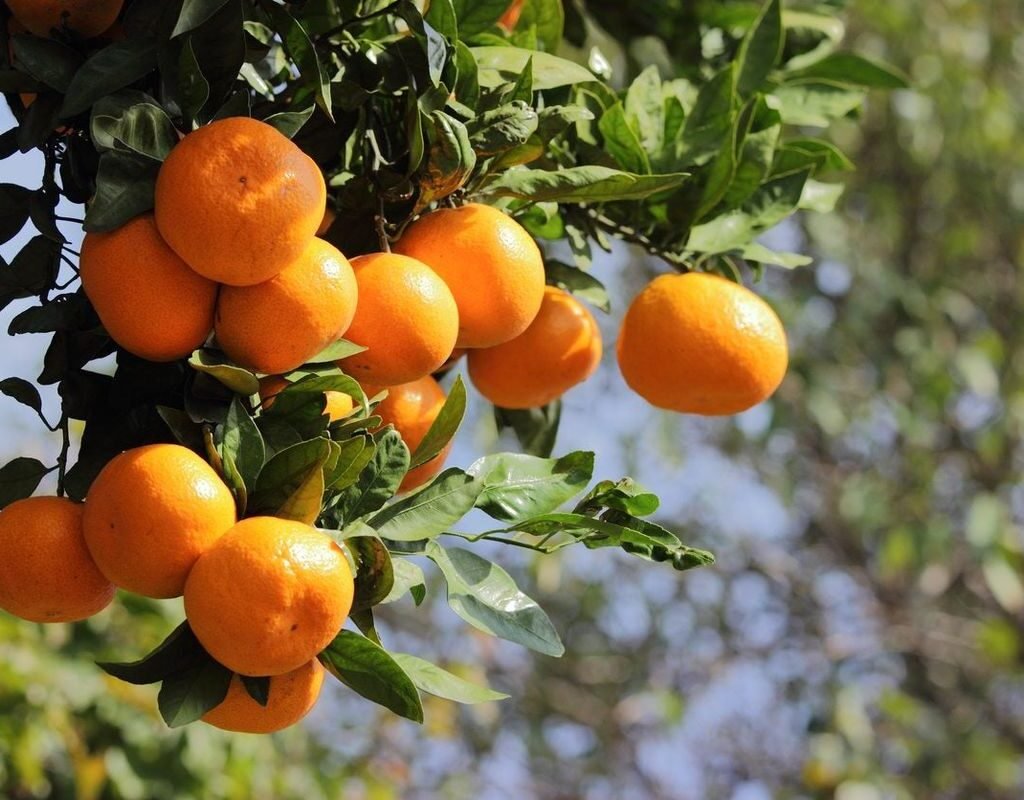
Tangerine flowers are self-pollinating, meaning they can produce fruit without a second tree. However, hand pollination can improve yield if you’re growing indoors or in a balcony garden.
To hand pollinate:
- Use a small, soft brush or cotton swab.
- Gently transfer pollen from one flower to another.
Bees and butterflies will handle this naturally if your plant is outdoors.

10. Common Pests and Problems
Container-grown tangerines can sometimes face pest issues. Watch for these common problems:
- Aphids and Whiteflies: Spray neem oil or insecticidal soap.
- Spider Mites: Mist the leaves regularly and use neem oil.
- Yellow Leaves: Usually caused by overwatering or nutrient deficiency.
- Poor Fruit Set: Can result from lack of sunlight or irregular watering.
Keep the leaves clean and inspect your plant weekly to prevent infestations.
11. Harvesting Your Homegrown Tangerines
Depending on the variety, tangerines take about 8–10 months from flowering to harvest.
Signs of Ripeness:
- The fruit turns bright orange.
- The peel becomes slightly loose.
- The fruit gives off a sweet citrus fragrance.
Harvest gently using scissors or pruning shears to avoid damaging the branches. A well-cared-for container tree can produce 20–50 fruits annually, depending on its age and variety.
12. Winter Care for Tangerine Trees
Tangerines are tropical plants and sensitive to frost. During winter:

- Move your pots indoors or near a sunny window.
- Maintain temperatures above 10°C (50°F).
- Reduce watering and avoid fertilizing.
- Use grow lights if sunlight is limited.
If you live in a frost-prone region, wrap your pots with burlap or place them in a sheltered area during cold nights.
Final Thoughts
Growing tangerine trees in pots at home is a fun and rewarding experience. With a bit of care, you can enjoy the sight of glossy leaves, fragrant blossoms, and juicy, homegrown fruits right on your balcony or patio. The secret lies in sunlight, proper watering, and regular feeding — and your tangerine tree will thank you with a generous harvest.
So, why wait? Start your citrus journey today and watch your container garden come alive with the vibrant colors and aroma of sweet, tangy tangerines.

Leave A Comment