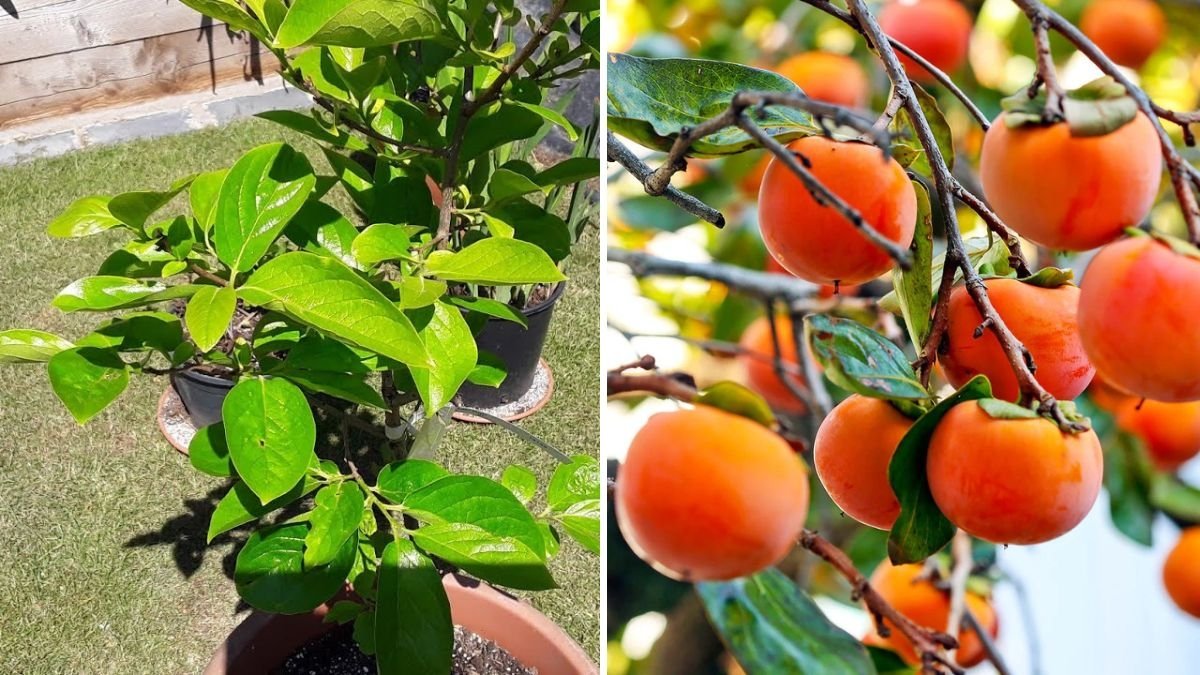
Persimmons are among the most beautiful and delicious fruits you can grow at home. With their glossy leaves, bright orange fruits, and sweet, honey-like flavor, persimmon trees add both beauty and bounty to your garden. The best part? You don’t need a big yard to enjoy them — persimmons grow beautifully in containers, making them perfect for patios, balconies, and small gardens.
In this detailed 1200-word guide, we’ll walk you through everything you need to know about how to grow persimmons in containers, from choosing the right variety and pot to soil mix, watering, pruning, and fruiting care. By the end, you’ll have the confidence and know-how to enjoy your very own harvest of sweet, sun-ripened persimmons right at home.
1. Why Grow Persimmons in Containers?
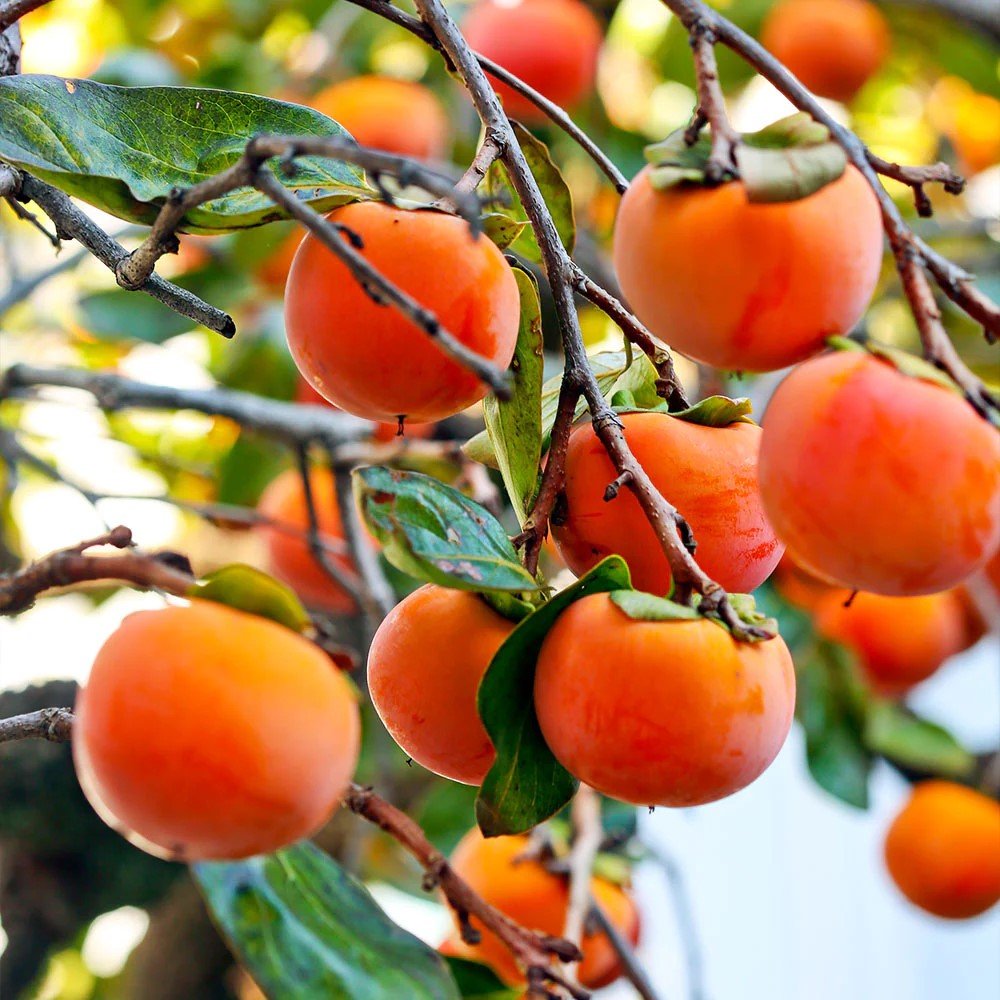
Growing persimmons in containers is an excellent choice for gardeners with limited space or less-than-ideal soil conditions. Container growing allows you to control the soil type, watering, and sunlight exposure — and even move your tree indoors during extreme weather.
Here are some key benefits of growing persimmons in pots:
- Space-saving: Ideal for balconies, terraces, and small gardens.
- Mobility: You can move the container for sunlight, protection, or decoration.
- Pest control: Easier to monitor and prevent pests or diseases.
- Controlled growth: Container trees remain smaller and easier to manage.
- Extended growing zones: You can grow persimmons in cooler regions by bringing the pot indoors during winter.
If you dream of growing your own fruit trees but lack space, persimmons are one of the best candidates for container gardening.
2. Choosing the Right Persimmon Variety
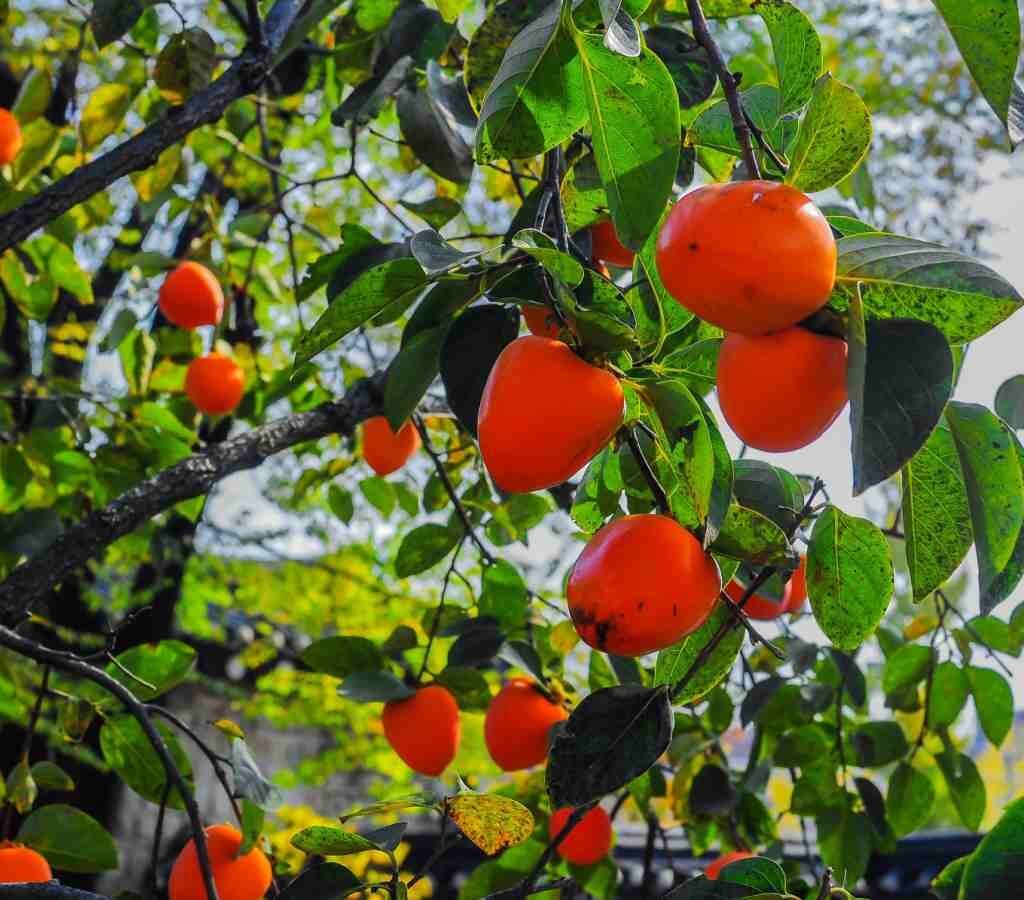
Not all persimmon trees are suitable for containers. You’ll want compact or dwarf varieties that thrive in limited root space and still produce well.
Persimmons come in two main types:
- Astringent varieties – Must be fully ripe (soft) before eating. Example: Hachiya
- Non-astringent varieties – Can be eaten while firm, like an apple. Example: Fuyu
For container growing, the non-astringent ‘Fuyu’ persimmon is the top choice. It’s compact, productive, and offers delicious, crisp fruit. Other good varieties include:
- ‘Jiro’ – Compact tree with large, sweet fruit.
- ‘Izu’ – Early ripening and suitable for smaller spaces.
- ‘Saijo’ – Astringent type but grows well in pots.
- ‘Suruga’ – Excellent sweetness and moderate size.
Choose a grafted tree from a reputable nursery — grafted trees bear fruit faster (usually within 2–3 years) compared to seed-grown ones.

3. Selecting the Right Container
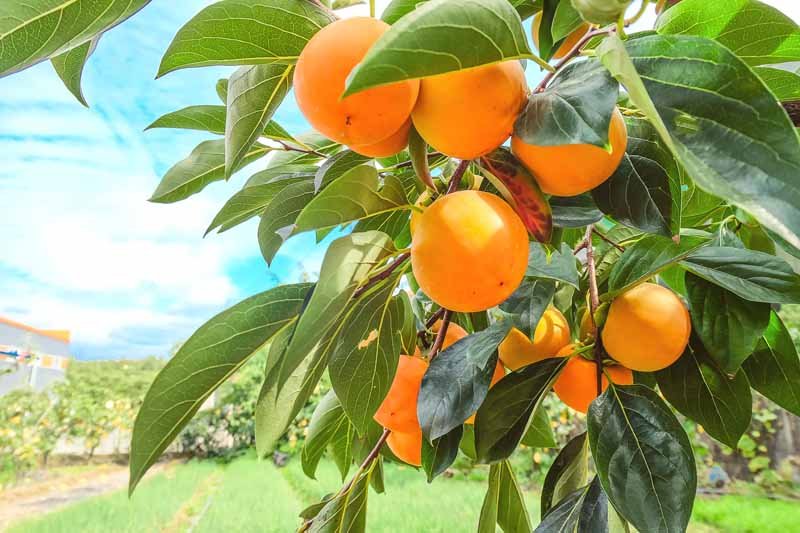
Persimmon trees need space for their roots to spread, so choosing the right container is critical for healthy growth.
Container Requirements:
- Size: Start with a pot at least 18–24 inches in diameter and depth. For mature trees, upgrade to a 25–30 gallon container.
- Material: Choose plastic, ceramic, or wooden pots with good insulation. Avoid metal pots that overheat in sunlight.
- Drainage: Ensure the pot has multiple drainage holes to prevent waterlogging. You can place a few stones or broken pottery at the bottom for better airflow.
If you’re growing in a cooler region, use lightweight containers (like plastic) so you can move them easily during winter.
4. The Ideal Soil Mix for Persimmons
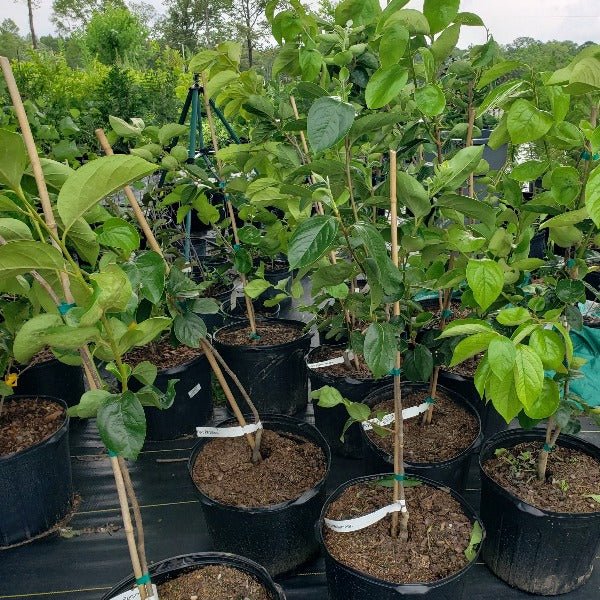
Persimmons prefer well-draining, slightly acidic soil (pH 6.0–6.5). Good drainage is crucial because persimmon roots dislike sitting in soggy conditions.
Recommended Soil Mix:
- 40% garden soil
- 30% compost or aged manure
- 20% coco peat or peat moss
- 10% sand or perlite for drainage
You can also use a high-quality potting mix designed for fruit trees, enriched with organic matter. Before planting, mix in some slow-release organic fertilizer or bone meal for a nutrient boost.
5. Planting a Persimmon Tree in a Container
Here’s a step-by-step guide to planting your persimmon tree:
- Fill the pot halfway with your prepared soil mix.
- Position the tree in the center of the container. Make sure the graft union (a small bulge near the base) stays above soil level.
- Fill with soil around the roots, pressing gently to remove air pockets.
- Water thoroughly after planting to help the soil settle.
- Add mulch (like straw, leaves, or bark) on top to retain moisture and regulate temperature.
After planting, place the pot in a sunny location and ensure the soil remains consistently moist during the early weeks.
6. Sunlight and Temperature Requirements
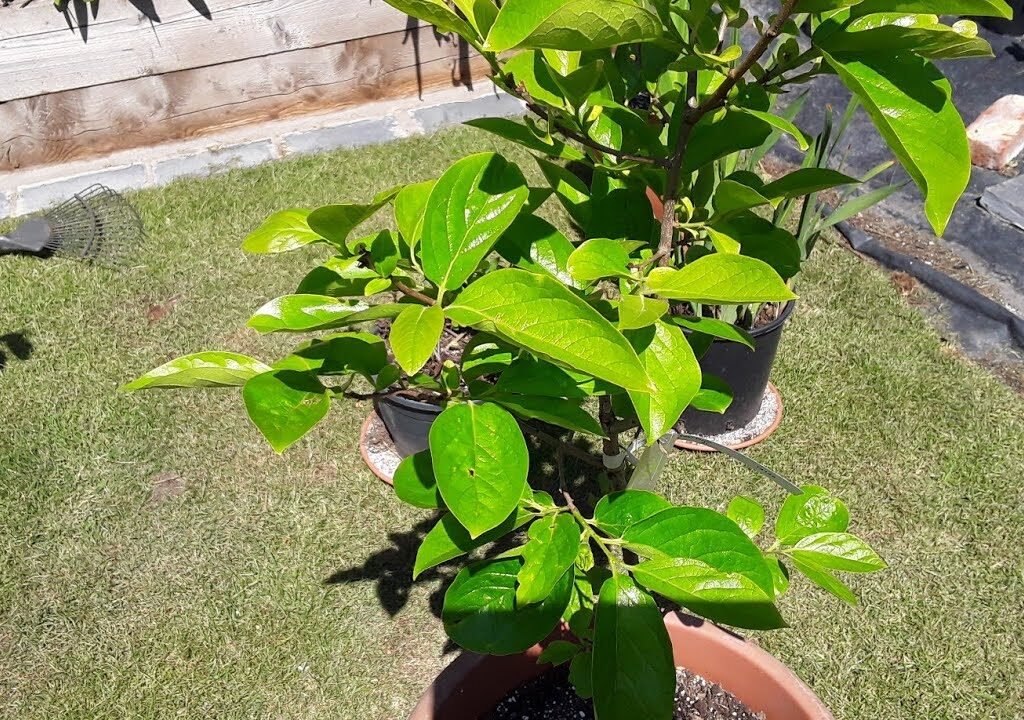
Persimmons are sun-loving trees. They thrive in full sunlight — at least 6–8 hours of direct sun daily.

If you’re growing your persimmon tree indoors or on a shaded balcony, make sure it gets enough light. You can supplement with grow lights during shorter winter days.
Temperature needs:
- Ideal range: 20°C to 35°C (68°F–95°F).
- Mature trees can tolerate light frost, but young trees should be protected below -2°C (28°F).
- In very hot climates, provide some afternoon shade to prevent leaf burn.
7. Watering Your Persimmon Tree
Container trees dry out faster than those planted in the ground, so consistent watering is key.
Watering guidelines:
- Keep the soil evenly moist, especially during the growing season (spring to autumn).
- Avoid overwatering — soggy soil leads to root rot.
- Water deeply until it drains out of the bottom holes.
- In winter, reduce watering as the tree goes dormant.
To check moisture, insert your finger into the soil — if the top 2 inches feel dry, it’s time to water.
Mulching also helps retain soil moisture and reduces the frequency of watering.
8. Fertilizing Container Persimmons
Persimmons are moderate feeders. They don’t need excessive fertilizer, but a balanced feeding schedule will support strong growth and fruiting.
Fertilizing schedule:
- Spring: Apply a balanced fertilizer (10-10-10) or organic compost when new growth begins.
- Summer: Feed once more with a potassium-rich fertilizer (like banana peel compost or bone meal) to encourage fruiting.
- Autumn/Winter: Stop fertilizing as the tree enters dormancy.
Avoid high nitrogen fertilizers — they promote leafy growth instead of fruit production. Organic options like fish emulsion, compost tea, or well-rotted manure are perfect for container-grown persimmons.
9. Pruning and Training Your Persimmon Tree
Pruning is essential to shape your persimmon tree, improve airflow, and encourage fruiting.
When to prune:
- Late winter or early spring, before new buds appear.
How to prune:
- Remove any dead, diseased, or crossing branches.
- Cut back long shoots to encourage side branching.
- Maintain an open, vase-shaped canopy to allow sunlight to reach all parts.
- For young trees, prune to establish 3–4 strong main branches.
If your tree becomes too tall for your container, trim the top to control its size. Regular pruning will keep it compact and productive.
10. Pollination and Flowering
Most modern persimmon varieties are self-pollinating, which means they don’t require another tree to produce fruit. However, having two trees nearby (even in separate pots) can sometimes increase yields.
Flowering time:
Persimmon trees typically bloom in late spring to early summer. The small, bell-shaped flowers develop into fruit by late summer or autumn.
To attract pollinators like bees, you can plant flowering herbs such as basil or marigold nearby.
11. Harvesting Your Persimmons
The wait for your first fruit is worth it! Container-grown persimmons usually start producing in 2–3 years (for grafted trees).
Harvest timing:

- Astringent varieties (Hachiya): Harvest when soft and deep orange.
- Non-astringent varieties (Fuyu, Jiro): Pick when firm and fully colored.
To harvest, twist the fruit gently or snip it off with pruning shears, leaving a short stem attached. Handle gently — ripe persimmons bruise easily.
Store ripe fruit in the refrigerator or dry them for long-lasting treats.
12. Common Problems and Solutions
1. Yellowing leaves: Overwatering or poor drainage. Improve soil aeration and adjust watering.
2. Fruit drop: Caused by stress, irregular watering, or high temperatures. Keep moisture consistent.
3. Pests: Watch for aphids, mealybugs, and scale insects. Treat with neem oil or insecticidal soap.
4. Leaf spots: Ensure good airflow and avoid overhead watering. Remove affected leaves.
5. No fruiting: Ensure sufficient sunlight and avoid overfertilizing with nitrogen.
With proper care, most problems can be prevented or corrected quickly.
13. Overwintering Container Persimmons
If you live in a region with cold winters, you’ll need to protect your persimmon tree from frost.
Winter protection tips:
- Move the container to a sheltered location (garage, greenhouse, or indoors near a sunny window).
- Reduce watering significantly — just enough to prevent the soil from drying out completely.
- Mulch the base heavily with straw or leaves.
- If kept outdoors, wrap the container with burlap or bubble wrap to insulate roots.
Once spring arrives, move the tree back outdoors gradually to re-acclimate it to sunlight.
14. Health Benefits of Persimmons
Homegrown persimmons aren’t just tasty — they’re also packed with nutrients.
Nutritional benefits include:

- High in vitamin A and C, boosting immunity and eye health.
- Rich in antioxidants, helping reduce inflammation.
- Good source of fiber, aiding digestion.
- Low in fat and cholesterol-free.
Enjoy them fresh, dried, or in smoothies, salads, and desserts for a naturally sweet treat that’s also healthy.
15. Final Thoughts
Growing persimmons in containers is easier than you might think. With the right variety, soil mix, and care routine, you can enjoy a thriving, compact fruit tree that rewards you with vibrant, sweet fruits year after year.
The key to success is consistency — provide sunlight, proper watering, and moderate feeding. Be patient, as persimmons take a little time to establish, but once they do, they’ll become one of your most cherished plants.

Leave A Comment