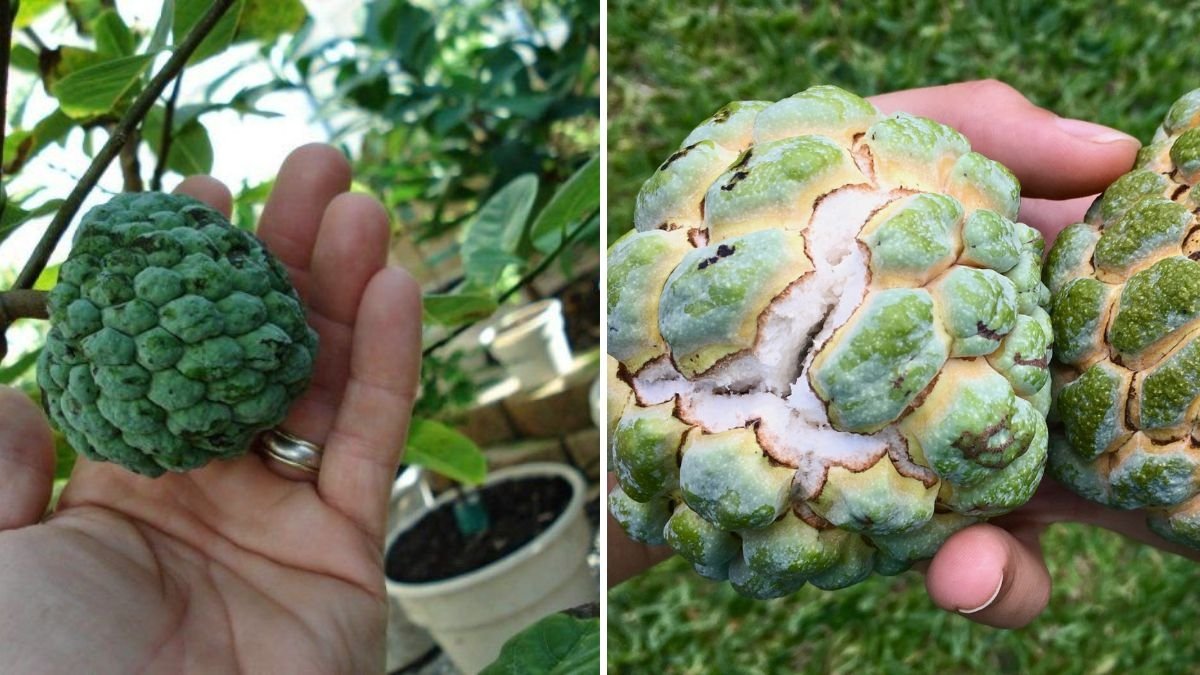
The custard apple, also known as sugar apple, sweetsop, or sitaphal, is one of the most delightful tropical fruits you can grow at home. Known for its soft, creamy flesh and sweet fragrance, this fruit is loved across the world for its refreshing flavor and nutritional benefits. The good news is—you can easily grow a custard apple tree from seed right in your home garden or even in containers with a bit of patience and care.
In this comprehensive DIY guide, you’ll learn how to grow custard apple from seed step-by-step—from seed preparation and germination to transplanting, care, and harvesting. With the right techniques, you can turn those glossy black seeds into a lush, fruit-bearing tree within a few years.
1. Why Grow Custard Apple at Home?
Growing custard apple from seed is not only rewarding but also fun for home gardeners. Here’s why it’s worth the effort:
- Easy to Grow: The tree requires minimal maintenance once established.
- Fast Growth: It can start producing fruits within 3–4 years under the right conditions.
- Tropical Beauty: With its lush, green leaves and unique fruits, the tree adds ornamental value to your garden.
- Nutritional Benefits: The fruit is rich in vitamin C, magnesium, potassium, and dietary fiber.
- Sustainable Gardening: Growing from seeds encourages self-sufficiency and reduces dependency on nurseries.
Whether you have a backyard or a sunny balcony, the custard apple can adapt well and reward you with delicious, homegrown fruits.
2. Understanding the Custard Apple Tree
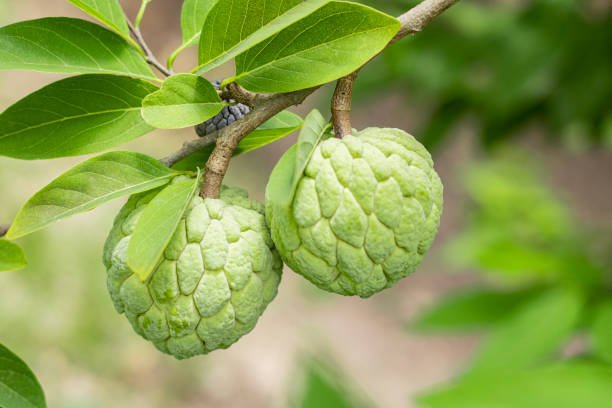
Before planting, it’s helpful to understand the nature of this tropical plant. The custard apple (Annona squamosa) belongs to the Annonaceae family and thrives in warm, dry climates.
Key characteristics:
- Grows up to 3–6 meters tall (manageable even for small gardens).
- Has oval, light-green leaves and fragrant flowers.
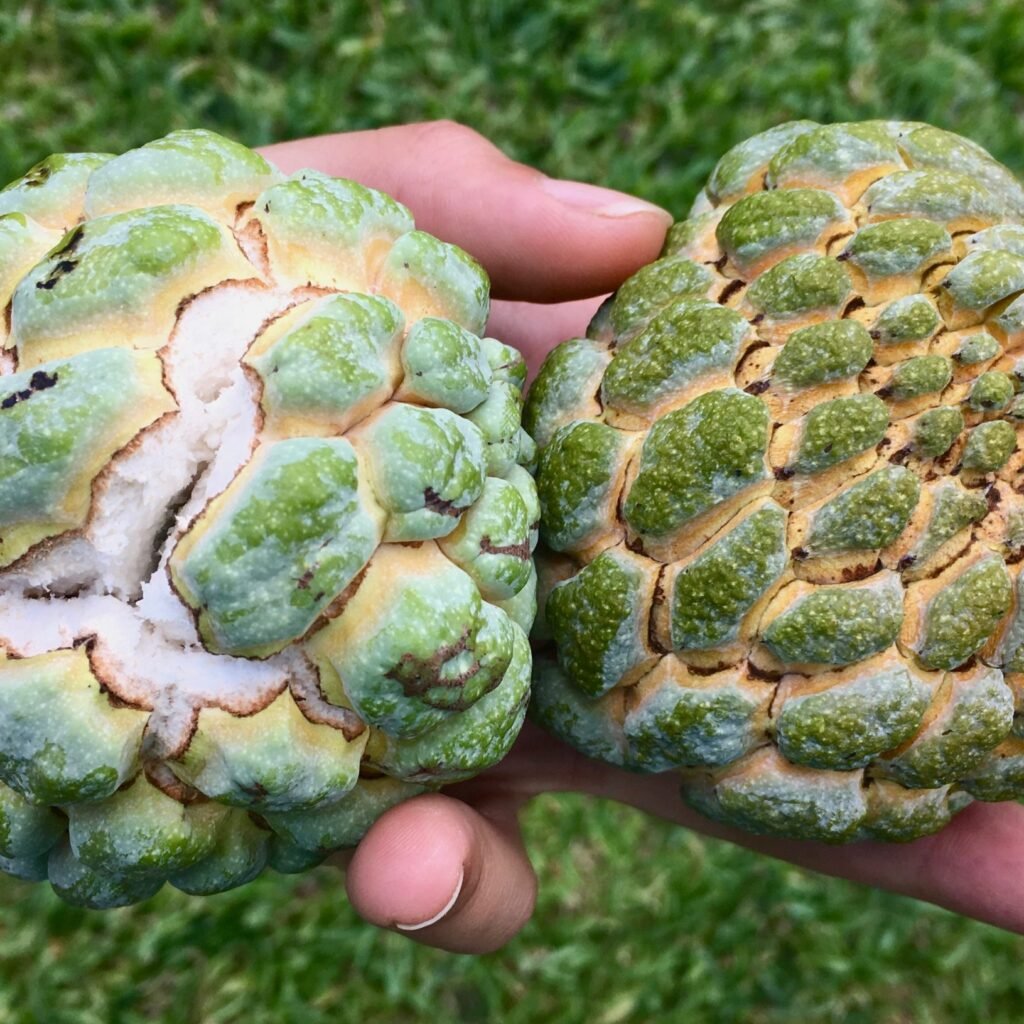
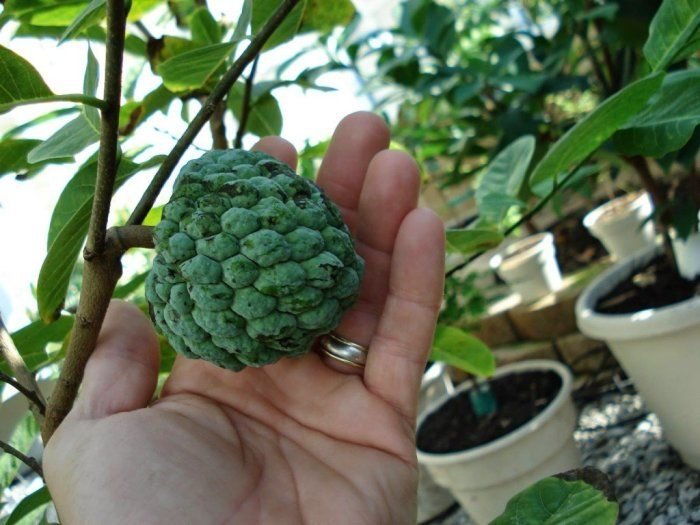
- Produces knobby green fruits that turn slightly yellow when ripe.
- Prefers full sunlight and well-drained soil.
Different regions may call it by various names—sugar apple, sweetsop, or sitaphal—but all refer to the same fruit-bearing plant known for its custard-like sweetness.
3. Choosing and Preparing the Seeds
The first step to growing custard apple successfully is choosing fresh, healthy seeds.
How to collect seeds:
- Choose a ripe, soft custard apple fruit with sweet aroma and good flavor.
- Scoop out the flesh and separate the seeds from the pulp.
- Rinse the seeds under running water to remove any remaining fruit.
- Allow the seeds to dry in shade for 2–3 days—avoid direct sunlight to prevent damage.
Seed preparation for faster germination:
Custard apple seeds naturally have a hard outer coat that slows down germination. To speed up the process:
- Soak the seeds in warm water for 24 hours before planting.
- Alternatively, you can lightly rub the seed coat with sandpaper or nick it gently with a knife to help water penetrate.
These small steps can reduce germination time from 30 days to just 10–15 days.
4. Choosing the Right Soil and Pot
Custard apple thrives in light, well-drained soil with good organic content. If you’re growing it at home, you can start the seeds in small pots or seed trays.
Ideal soil mix:
- 40% garden soil
- 30% compost or cow manure
- 20% sand or perlite for drainage
- 10% cocopeat or leaf mold for aeration
The mixture should be slightly acidic to neutral (pH 6.0–7.0). If your soil tends to retain too much water, add extra sand or gravel to prevent root rot.
Container requirements:
- For seed germination: Use small pots or nursery bags (6 inches deep).
- For transplanting later: Use a pot that’s at least 16–18 inches in diameter if growing in containers permanently.
5. Germinating Custard Apple Seeds
Step-by-step germination guide:
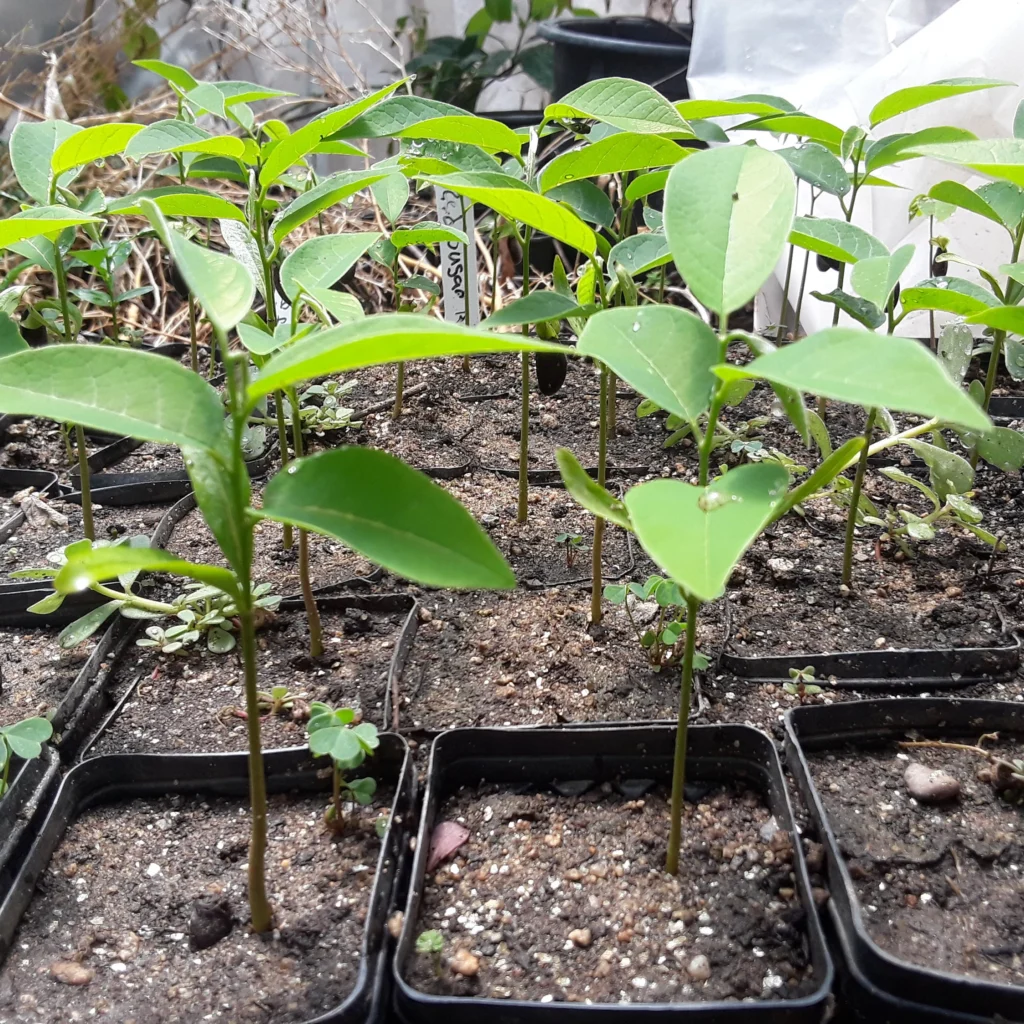
- Fill pots or seed trays with the prepared soil mix, leaving about an inch of space at the top.
- Plant the seeds about 2–3 cm deep. Cover them lightly with soil—do not bury too deep.
- Water gently to moisten the soil without making it soggy.
- Cover with plastic wrap or a clear lid to retain humidity and warmth.
- Place in a warm, sunny location with indirect light.
Ideal temperature for germination: 25°C–30°C (77°F–86°F).
Germination time: 10–30 days, depending on seed quality and temperature.
Once the seedlings emerge and reach about 10–15 cm tall, they are ready for transplantation.
6. Transplanting the Seedlings
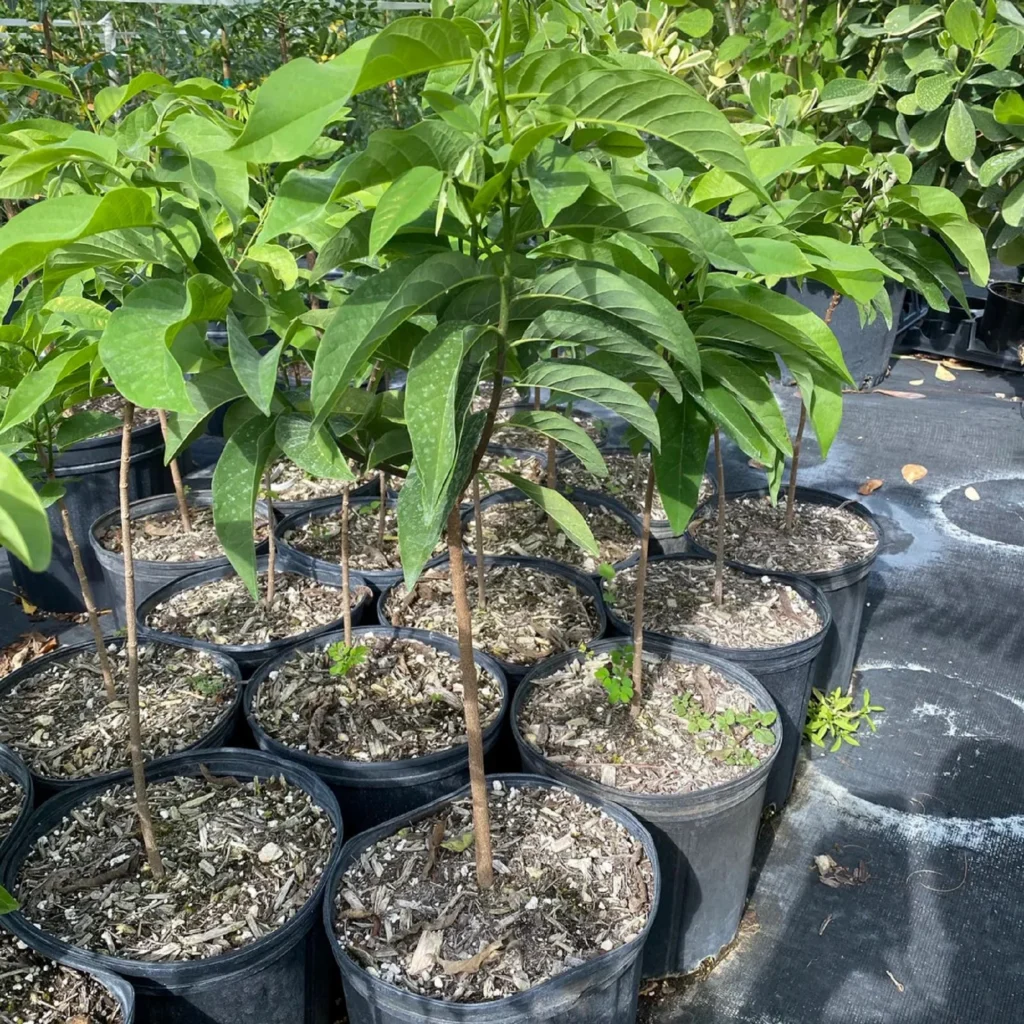
When your young custard apple plants develop 4–6 healthy leaves, it’s time to move them to a bigger space—either a large container or directly into the ground.
Steps for transplanting:
- Choose a sunny spot that receives at least 6–8 hours of sunlight daily.
- Dig a hole about 30–40 cm deep and wide.
- Mix compost or organic manure into the soil at the bottom of the hole.
- Carefully remove the seedling from its nursery pot without disturbing the roots.
- Place it in the hole, ensuring the root ball is level with the ground.
- Fill in the soil and press lightly to remove air pockets.
- Water thoroughly and apply a layer of mulch (dry leaves or straw) around the base.
If growing in a container, ensure it has multiple drainage holes to prevent waterlogging.
7. Watering and Sunlight Requirements
Custard apple trees prefer moderate but consistent watering. The key is to keep the soil slightly moist but never soggy.
Watering tips:
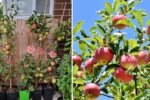
- Water 2–3 times a week during dry seasons.
- Reduce watering during rainy periods.
- In hot climates, add mulch to conserve moisture.
Sunlight is crucial for healthy growth. The plant should get at least 6 hours of direct sunlight daily, though partial shade during extremely hot afternoons is beneficial for young plants.
8. Fertilizing for Strong Growth
Fertilization helps your custard apple tree grow faster and bear fruit earlier.
For young plants (first 6 months):
- Use organic compost or vermicompost every 6–8 weeks.
- Apply a diluted liquid fertilizer like fish emulsion or seaweed extract once a month.
For mature trees:
- Apply an NPK fertilizer (10-10-10) every 3–4 months.
- Add bone meal or wood ash to promote flowering and fruiting.
- Mix compost into the soil before the rainy season to improve nutrient content.
Remember: Over-fertilizing can harm young roots. Always water well after applying fertilizer.
9. Pruning and Maintenance
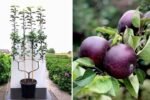
Regular pruning ensures a healthy, well-shaped custard apple tree that produces more fruit.
How to prune:
- In the first year, pinch off the growing tip when the plant is about 1 meter tall to encourage branching.
- Remove any weak, dead, or overcrowded branches.
- Maintain an open canopy so sunlight can reach all parts of the tree.
Pruning after the fruiting season stimulates new growth for the next cycle.
10. Pest and Disease Control
Custard apple plants are generally hardy but can occasionally attract pests like aphids, mealybugs, or fruit borers.
Natural pest control methods:
- Spray neem oil or garlic extract every two weeks.
- Remove any affected leaves or fruits promptly.
- Maintain cleanliness around the plant base to prevent fungal infections.
If fungal issues like powdery mildew appear, apply an organic fungicide or a mild baking soda spray.
11. Flowering and Fruit Development
Custard apple trees usually start flowering within 2–3 years when grown from seed. The flowers are pale yellow-green and appear in clusters along the branches.
Encourage flowering by:
- Providing consistent sunlight.
- Reducing nitrogen fertilizers before the flowering season.
- Ensuring good drainage and moderate watering.
Pollination can be a challenge since the flowers open at different times for male and female phases. Hand pollination can help increase fruit set:
- Collect pollen from male flowers (open in the morning).
- Use a small brush to transfer it to female flowers (open in the evening).
Within a few weeks, you’ll notice tiny green fruits beginning to form.
12. Harvesting Custard Apples
Custard apples are typically ready to harvest 3–4 months after flowering.
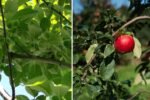
Signs of ripeness:
- The fruit turns from dark green to light green or yellowish.
- The knobs on the skin become more prominent and slightly separated.
- The fruit feels slightly soft when pressed gently.
Harvest carefully using pruning shears—do not pull the fruit from the branch. Once picked, let it ripen fully at room temperature for a few days before eating.
Fresh, ripe custard apples can be enjoyed as-is or used in smoothies, desserts, and ice creams.
13. Additional Tips for Success
- Spacing: If planting multiple trees, keep at least 3 meters between them.
- Companion planting: Grow herbs like lemongrass or marigold nearby to deter pests.
- Climate protection: In cooler regions, protect young plants with plastic covers or keep them indoors during winter.
- Mulching: Regularly replenish mulch to maintain soil moisture and temperature.
Conclusion
Growing a custard apple tree from seed is one of the most satisfying gardening projects you can undertake. With patience, care, and the right conditions, those tiny black seeds can grow into lush, productive trees that provide shade, beauty, and delicious fruits for years to come.
From preparing the seeds and nurturing the seedlings to enjoying your first harvest, every step of this process brings joy and connection to nature. So start planting your sugar apple seeds today—and in a few years, you’ll be savoring the sweet, creamy rewards of your own tropical paradise right at home.

Leave A Comment