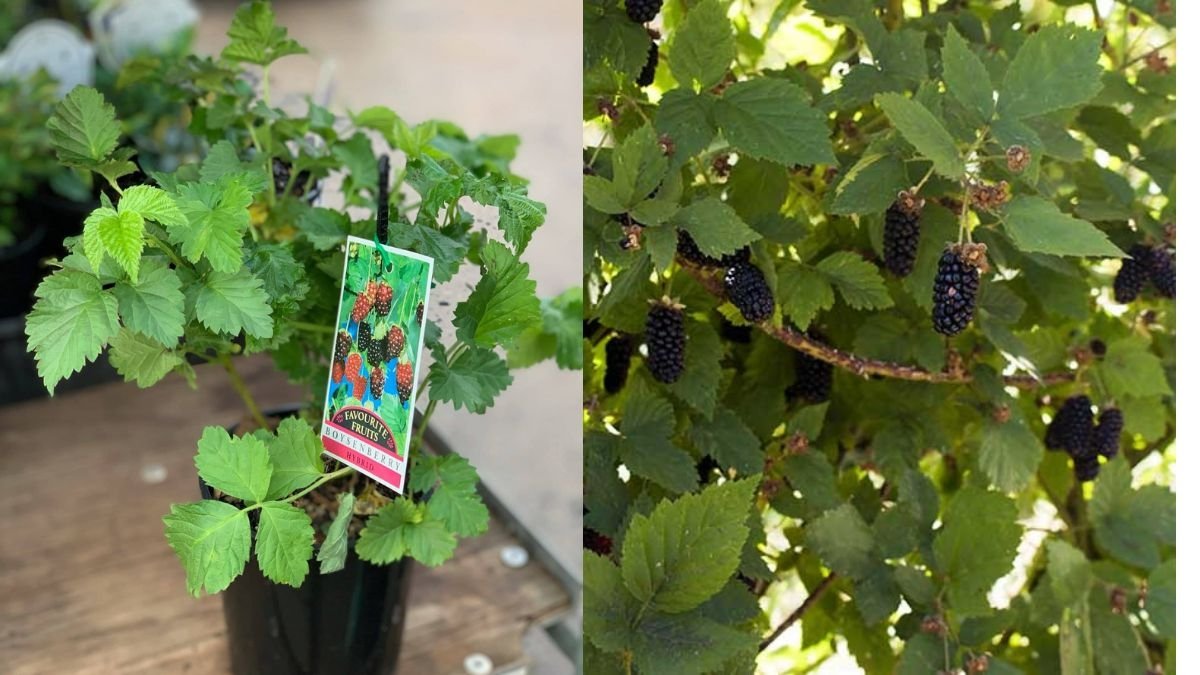
Boysenberries, a luscious blend of raspberry, blackberry, and loganberry, are one of the most flavorful and aromatic berries you can grow in your garden. With their deep maroon color and sweet-tart taste, boysenberries make excellent jams, pies, and desserts — and their versatility has made them a favorite among berry lovers and home gardeners alike.
If you’re dreaming of harvesting baskets full of these delicious berries, this complete guide will teach you everything about how to grow boysenberries, from planting and trellising to pruning and harvesting. Let’s dive in and explore how to cultivate this unique hybrid fruit for a superb homegrown harvest.
What Are Boysenberries?
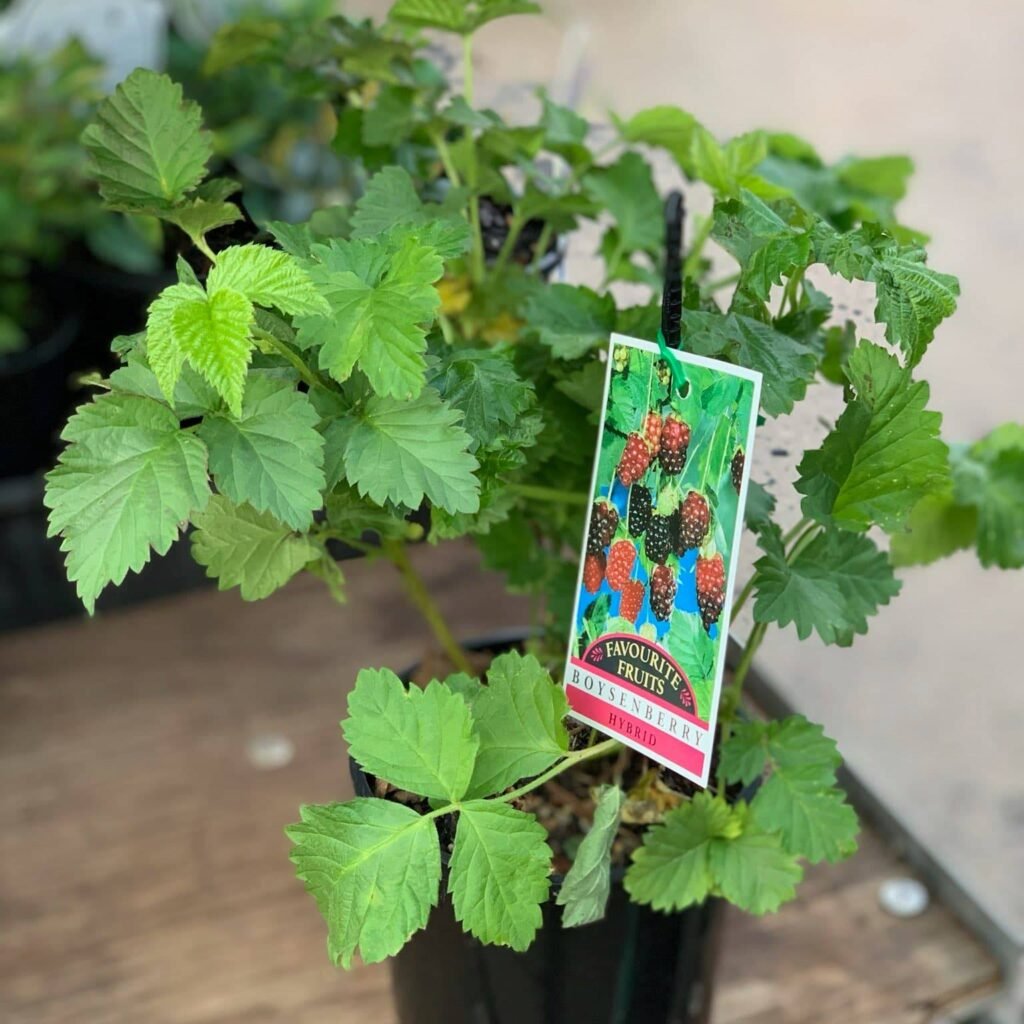
Boysenberries are a hybrid fruit developed in California during the early 20th century by Rudolph Boysen, who crossbred raspberries, blackberries, and loganberries. The result was a large, juicy berry that combined the sweetness of raspberries with the tart richness of blackberries.
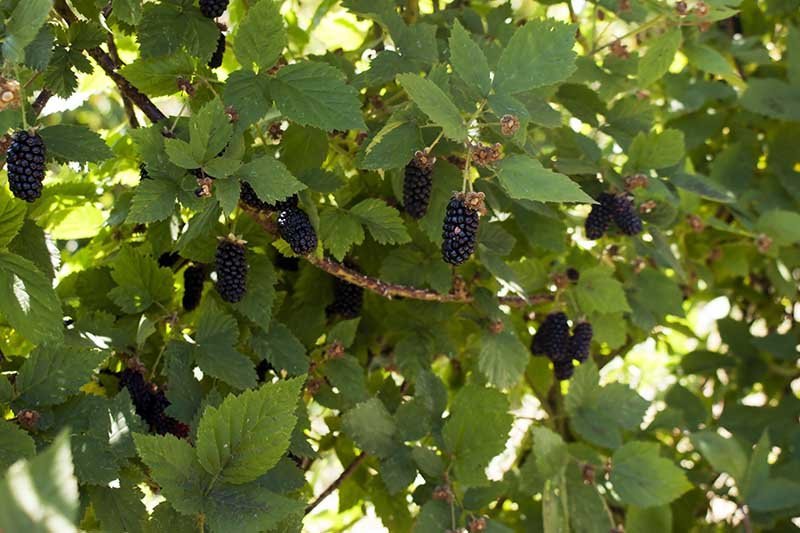
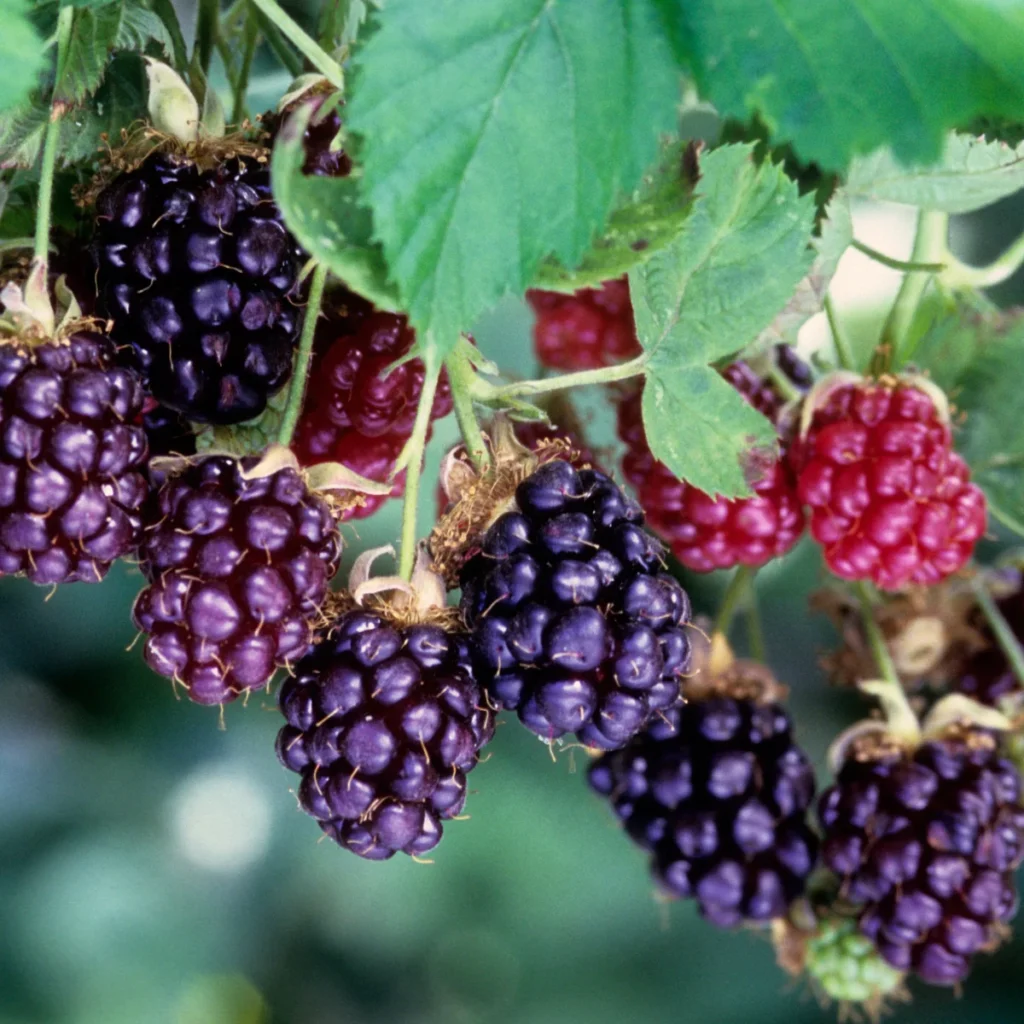
The plants are trailing brambles — similar to blackberries — with long, flexible canes that can reach up to 15–20 feet in length. Each berry is about one inch long, plump, and glossy dark purple when ripe.
Boysenberries are prized not just for their flavor but also for their high nutritional value, offering antioxidants, vitamin C, and fiber — making them as healthy as they are delicious.
Ideal Growing Conditions
Before planting boysenberries, it’s essential to provide the right growing environment to ensure vigorous plants and high yields.
1. Climate
Boysenberries thrive in mild coastal or temperate climates, similar to where blackberries grow.
- Best USDA Zones: 5 through 9.
- Temperature Range: They prefer temperatures between 60°F and 80°F.
- Frost Sensitivity: Boysenberries are moderately hardy but can suffer damage in harsh winters, so protection may be needed in colder zones.
2. Soil Requirements
- Soil Type: Well-draining, loamy soil rich in organic matter.
- Soil pH: Slightly acidic, ideally between 5.5 and 6.5.
- Drainage: Boysenberries dislike soggy roots; raised beds or mounded rows help prevent waterlogging.
Amend your soil with compost or aged manure before planting to ensure it’s fertile and moisture-retentive but not compacted.
3. Sunlight
Boysenberries require at least 6–8 hours of full sun each day for maximum fruit production. In very hot climates, partial afternoon shade can protect them from excessive heat stress.
Propagating and Planting Boysenberries
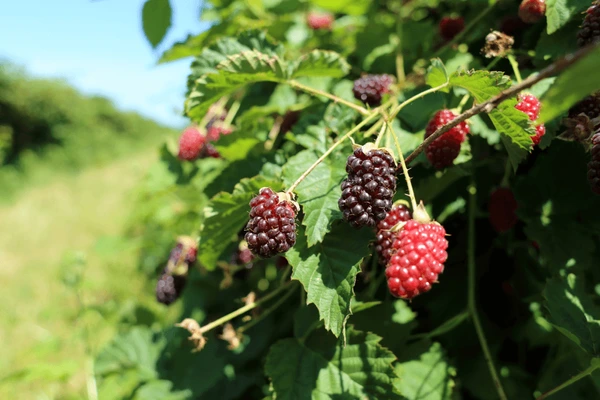
Boysenberries can be propagated from root cuttings, tip layering, or nursery plants. The easiest and most reliable method for beginners is to purchase disease-free plants from a reputable nursery.
When to Plant
- Spring: The best time to plant boysenberries is in early spring after the danger of frost has passed.
- Fall: In mild climates, fall planting is also possible, giving the roots time to establish before winter.
How to Plant
- Prepare the Site: Remove weeds and loosen the soil about 12–18 inches deep. Mix in compost to improve fertility.
- Spacing: Plant boysenberry crowns or rooted cuttings 3–4 feet apart in rows spaced 8–10 feet apart.
- Planting Depth: Place the plant in the hole so that the crown is just above the soil surface. Cover with soil and firm gently.
- Water Well: Give each plant a thorough watering after planting.
- Mulching: Add a 2–3 inch layer of organic mulch (straw, pine needles, or wood chips) around the base to retain moisture and suppress weeds.
Trellising and Training Boysenberry Canes
Because boysenberries have long, trailing canes, a trellis system is essential for supporting growth and maximizing fruit production.
How to Build a Simple Trellis:
- Install sturdy wooden or metal posts every 15–20 feet along the row.
- Stretch two to three horizontal wires between the posts — one at 2 feet, one at 4 feet, and one at 5–6 feet high.
- Train the canes along these wires, securing them loosely with garden ties.
As the canes grow, guide them horizontally or in gentle arcs along the wires. This allows sunlight to reach all parts of the plant and makes harvesting much easier.
Understanding Boysenberry Growth Cycle
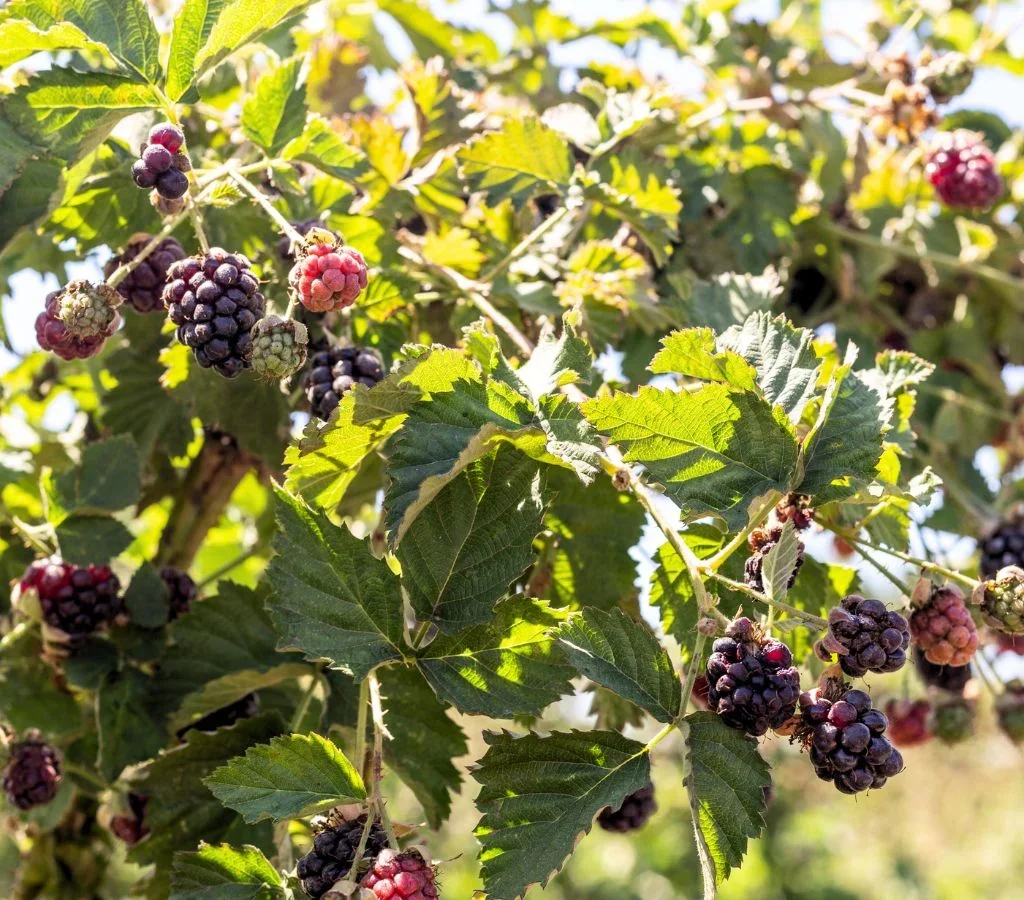
Like blackberries, boysenberries are biennial plants — meaning their canes live for two years:
- First Year (Primocanes): The plant grows long, leafy canes but produces no fruit.
- Second Year (Floricanes): The same canes from the previous year bear fruit and then die after harvest.
New primocanes grow each year from the plant’s base, ensuring continuous fruit production once the plant is established.
Watering and Feeding
Boysenberries need consistent moisture for healthy growth and juicy berries.
- Watering: Water deeply once or twice a week, ensuring the soil remains evenly moist but not soggy. Drip irrigation is ideal to prevent wetting the foliage.
- Mulching: Maintain a mulch layer year-round to reduce evaporation and protect shallow roots.
- Fertilizing:
- In early spring, apply a balanced fertilizer (10-10-10) or a berry-specific mix.
- Avoid excessive nitrogen — too much will promote leafy growth with fewer berries.
- Side-dress with compost mid-season to boost organic matter.
Pruning for Maximum Fruit Production
Pruning is the key to keeping boysenberry plants healthy, organized, and productive year after year.
1. After Planting (First Year)
- Let the primocanes grow freely during the first growing season.
- When they reach about 5–6 feet long, tip prune (cut back) the ends by 2–3 inches to encourage lateral branching.
2. After Harvest (Following Years)
- Once the canes have finished fruiting, cut the old floricanes back to the ground — they will not produce again.
- Select 5–7 strong new primocanes to train on the trellis for next year’s crop.
- Prune away weak, damaged, or crowded canes to improve airflow and prevent disease.
Regular pruning not only keeps the plants tidy but also directs the plant’s energy toward producing large, flavorful berries.
Pollination and Fruit Set
Boysenberries are self-fertile, meaning you only need one plant to produce fruit. However, having multiple plants nearby can enhance pollination and yield. Bees and other pollinators are essential, so avoid using pesticides during the flowering period.
The berries begin forming in late spring to early summer, and each cluster matures gradually over several weeks.
Pest and Disease Management
Boysenberries, like other brambles, can be susceptible to a few common pests and diseases.
Common Pests
- Aphids: These sap-sucking insects cause curled leaves and weak growth. Use insecticidal soap or neem oil.
- Spider Mites: Control them by spraying water on the undersides of leaves regularly.
- Birds: Use bird netting during ripening to protect your harvest.
Common Diseases
- Botrytis (Gray Mold): Affects fruit in damp weather; improve airflow and avoid overhead watering.
- Cane Blight: Prune out infected canes and disinfect pruning tools.
- Root Rot: Prevent by ensuring well-drained soil and avoiding overwatering.
Practicing good garden hygiene — such as removing debris, using mulch, and rotating planting sites — helps reduce disease pressure naturally.
Harvesting Boysenberries
Boysenberries typically ripen in mid to late summer, depending on your region and climate. The berries transition from green to red, then to deep purple or almost black when ripe.
How to Harvest:
- Wait until the berries are fully colored and easily detach from the vine.
- Handle gently — ripe boysenberries are delicate and can bruise easily.
- Pick regularly (every 2–3 days) to prevent overripe fruit from falling or spoiling.
Storage Tips:
- Store freshly picked boysenberries in shallow containers to avoid crushing.
- Keep refrigerated; they last about 3–5 days.
- For long-term storage, freeze the berries in a single layer, then transfer to freezer bags — they’ll keep for up to a year.
Uses and Benefits of Boysenberries
Boysenberries are versatile and can be used in many delicious ways:
- Culinary Uses: Perfect for jams, jellies, pies, cobblers, sauces, and desserts.
- Juices and Smoothies: Their rich flavor adds depth to any beverage.
- Nutritional Benefits: High in antioxidants, vitamins C and K, and fiber. They promote heart health and support the immune system.
Their complex sweet-tart flavor makes them an excellent gourmet ingredient for both home and professional kitchens.
Preparing for Next Year’s Crop
After harvesting, focus on preparing the plant for the next fruiting season:
- Remove and dispose of spent canes.
- Train and tie the new primocanes to the trellis.
- Mulch and water thoroughly before winter.
- In colder climates, protect the canes with frost cloth or straw mulch.
By following this cycle of pruning, training, and renewal, your boysenberry patch will produce abundant fruit year after year.
Conclusion
Boysenberries combine the best qualities of raspberries and blackberries — large, juicy berries with an extraordinary flavor. While they require some attention to trellising, pruning, and care, the rewards are truly worth it. With proper soil, sun, and maintenance, these vines will provide you with a generous harvest of sweet-tart berries for many seasons.
Growing boysenberries at home brings a taste of old-fashioned charm and freshness straight to your garden. Once you experience the pleasure of picking sun-ripened boysenberries from your own vines, you’ll understand why this hybrid fruit has become a cherished favorite for gardeners and food lovers alike.

Leave A Comment