
The Ataulfo mango, often called the Honey Mango or Champagne Mango, is one of the sweetest and creamiest mango varieties you can grow at home. With its buttery flesh, rich flavor, and minimal fiber, this Mexican variety has earned a loyal following among mango lovers around the world.
Inspired by the video “Episode 28: Planting the Ataulfo Mango Seeds,” this detailed guide will walk you through the entire process of growing Ataulfo mango trees from seed — from selecting the perfect mango, preparing and planting the seed, to nurturing your young tree into a fruit-bearing beauty. Whether you’re a tropical fruit enthusiast or a beginner gardener, this step-by-step blog will help you turn a simple mango seed into a thriving fruit tree.
1. Meet the Ataulfo Mango: The Honey of All Mangoes

The Ataulfo mango originated in Mexico and is prized for its smooth, creamy texture, small pit, and intensely sweet flavor. When ripe, the fruit is golden yellow, slightly kidney-shaped, and fits perfectly in the palm of your hand.
Unlike larger and fibrous varieties like Tommy Atkins, Ataulfo mangoes are velvety and rich, almost melting in your mouth. Their smaller size and tropical aroma make them ideal for fresh eating, smoothies, or desserts.
Growing one at home not only gives you access to these delicious fruits but also lets you enjoy a tropical tree that adds beauty and lush greenery to your garden or patio.
2. Why Grow Mangoes from Seed?
While grafted mango trees produce fruit faster, growing mangoes from seed has its own charm and benefits:
- It’s cost-effective: You can start with a mango you bought from the grocery store or farmer’s market.
- It’s educational: You’ll get to witness each growth stage — from seed germination to fruit-bearing maturity.
- It’s rewarding: Watching a mango tree grow from a seed you planted yourself is incredibly satisfying.
Keep in mind that Ataulfo mangoes are polyembryonic, meaning one seed can produce several seedlings. This gives you a higher chance of getting a tree identical to the parent fruit — a big advantage over monoembryonic varieties!

3. Collecting and Preparing the Seed

The first step in growing your Ataulfo mango is preparing the seed properly.
Step 1: Choose a ripe mango
Select a ripe Ataulfo mango with smooth, unblemished skin and rich yellow color. The riper the fruit, the more mature the seed inside.
Step 2: Extract the seed
After enjoying the sweet flesh, clean the seed thoroughly. Remove any remaining pulp and fiber by rinsing it under warm water and scrubbing gently with a soft brush.
Step 3: Open the husk
Ataulfo mango seeds are encased in a tough outer shell. Use a knife or scissors to carefully open the husk — be cautious not to cut the inner seed. Inside, you’ll find one or more small, bean-shaped embryos.
Step 4: Dry and inspect
Let the seed dry for 1–2 days in a shaded area to reduce excess moisture. Inspect it for mold or rot before planting.
4. Pre-Germination Method (Optional but Effective)

For faster sprouting, you can pre-germinate the seed before planting.
Paper Towel Method:
- Wrap the cleaned seed in a damp paper towel.
- Place it inside a plastic bag or container to maintain humidity.
- Keep it in a warm, dark place (around 75–85°F or 24–29°C).
- Check every few days to ensure the towel remains moist but not soggy.
In about 7–14 days, you’ll notice a tiny root sprouting from the seed. Once it’s about an inch long, the seed is ready to be planted.

5. Planting the Ataulfo Mango Seed
Now that your seed is prepared or germinated, it’s time to plant!
What You’ll Need:
- A large pot (10–12 inches deep) or garden space with good drainage
- Well-draining soil mix (garden soil + compost + coarse sand)
- Watering can or spray bottle
- Sunlight — at least 8 hours per day
Planting Steps:
- Fill the pot with your prepared soil mix.
- Plant the seed flat or slightly tilted, with the sprout facing upward and about 1 inch deep.
- Water lightly to moisten the soil — avoid overwatering.
- Place the pot in full sunlight or near a bright window if indoors.
- Keep the soil consistently moist but never soggy during the first few weeks.
In 2–4 weeks, you’ll see a green shoot pushing through the soil — the beginning of your Ataulfo mango tree!
6. Caring for Your Young Mango Plant
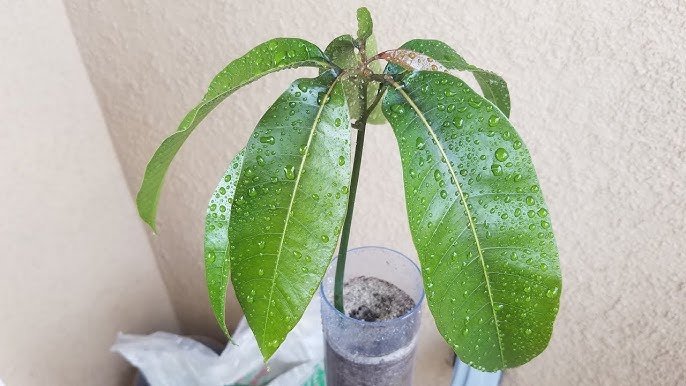
Once your seedling is established, it needs consistent care to grow strong and healthy.
Sunlight
Mango trees thrive in full sunlight. Make sure your plant gets at least 8–10 hours of direct sun every day. If grown indoors, place it near a bright south-facing window or under a grow light.
Watering
During the early stages, keep the soil moist but not soaked. Once the plant grows larger, reduce watering frequency to once every 5–7 days. Overwatering can lead to root rot — one of the most common problems for young mango plants.
Fertilization
Use a balanced fertilizer (10-10-10) every 4–6 weeks during the growing season. Once the tree matures, switch to a fertilizer higher in potassium and phosphorus to encourage flowering and fruiting.
Pruning
Prune your young plant when it’s about 2–3 feet tall to encourage branching and create a sturdy canopy. Remove any dead or crossing stems to promote healthy growth.
Transplanting
When the plant becomes 2–3 feet tall, it can be transplanted into the ground or a larger container. Choose a sunny, sheltered spot with well-draining soil.
7. Growing Mango Trees Outdoors vs. Indoors
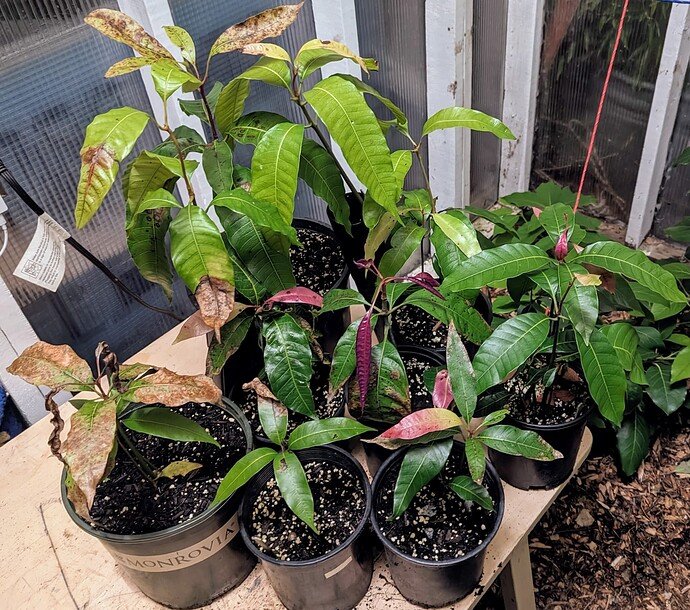
If you live in a tropical or subtropical area (like Florida, southern California, or Hawaii), you can plant your Ataulfo mango tree directly in the ground. It will grow faster and larger, potentially reaching up to 15–20 feet tall.
For cooler climates, container growing is the best option. Choose a 25–30 gallon pot and move it indoors during the winter to protect it from frost. Mango trees prefer temperatures above 50°F (10°C) and cannot tolerate freezing conditions.
8. Flowering and Fruiting: The Rewarding Phase
Ataulfo mango trees grown from seed typically take 5–8 years to bear fruit, though some may produce earlier depending on care and environment.
When your tree matures, it will produce small, fragrant panicles of yellowish flowers in late winter or early spring. These flowers attract pollinators, and soon after, small green mangoes begin to develop.
As they mature, the fruits gradually turn golden yellow, indicating ripeness. Ataulfo mangoes are usually ready for harvest between April and August, depending on your climate.
9. Harvesting and Enjoying Your Ataulfo Mangoes
The moment you’ve been waiting for — harvest time!
You’ll know your mangoes are ready when:
- Their skin turns deep yellow and slightly wrinkles.
- The fruit feels soft when gently squeezed.
- A sweet aroma is noticeable near the stem.
Harvest the mangoes carefully by twisting or clipping them from the tree. Let them ripen for a few days at room temperature before enjoying their creamy sweetness.
Ataulfo mangoes are perfect for:
- Smoothies and shakes
- Fresh fruit salads
- Tropical desserts and salsas
- Frozen treats and ice creams
10. Common Problems and Solutions
Even healthy mango plants can encounter a few issues. Here’s how to handle them:
- Yellowing leaves: Usually caused by overwatering. Reduce watering and ensure good drainage.
- Pests: Watch for aphids or scale insects; use neem oil or insecticidal soap.
- Fungal infections: Improve air circulation and avoid wetting the leaves. Copper-based fungicides can help if needed.
- Slow growth: Check for compacted soil or lack of nutrients. Repot or fertilize as necessary.
11. Patience Pays Off
Growing a mango tree from seed requires patience — it’s not a fast process, but it’s an incredibly rewarding one. Over time, you’ll witness your seed transform into a lush tropical tree that might one day produce the same golden fruits you once enjoyed.
Even if your seed-grown tree doesn’t yield identical fruit to the parent, the experience and beauty it brings to your home garden are worth every effort.
Final Thoughts
Planting Ataulfo mango seeds is more than just a gardening project — it’s a journey of growth, learning, and tropical joy. From selecting a ripe mango to nurturing a young seedling and watching it mature, the process connects you deeply with nature.

Whether you’re in a tropical region or growing in a container on your balcony, your Ataulfo mango tree will reward you with beauty, shade, and perhaps — after a few patient years — a taste of pure, homegrown sweetness.

Leave A Comment