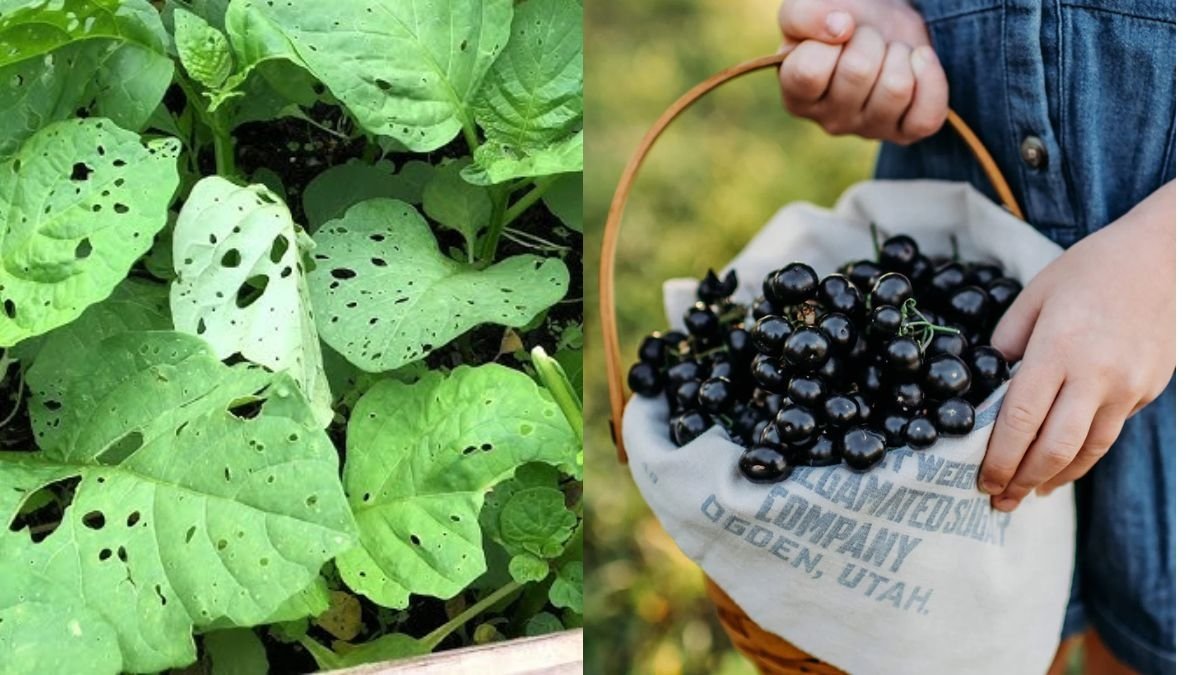
Huckleberries are among the most delightful wild berries found in North America. Known for their sweet-tart flavor, these small, juicy berries are a favorite for jams, pies, and smoothies. Closely related to blueberries, huckleberries grow on small shrubs and thrive in cool, mountainous regions. Though traditionally harvested from the wild, huckleberries can also be cultivated successfully at home with the right care and patience.
In this detailed guide, you’ll learn everything about how to grow, care for, and harvest huckleberries, from choosing the right variety to storing your ripe fruit for maximum freshness.
Understanding Huckleberries
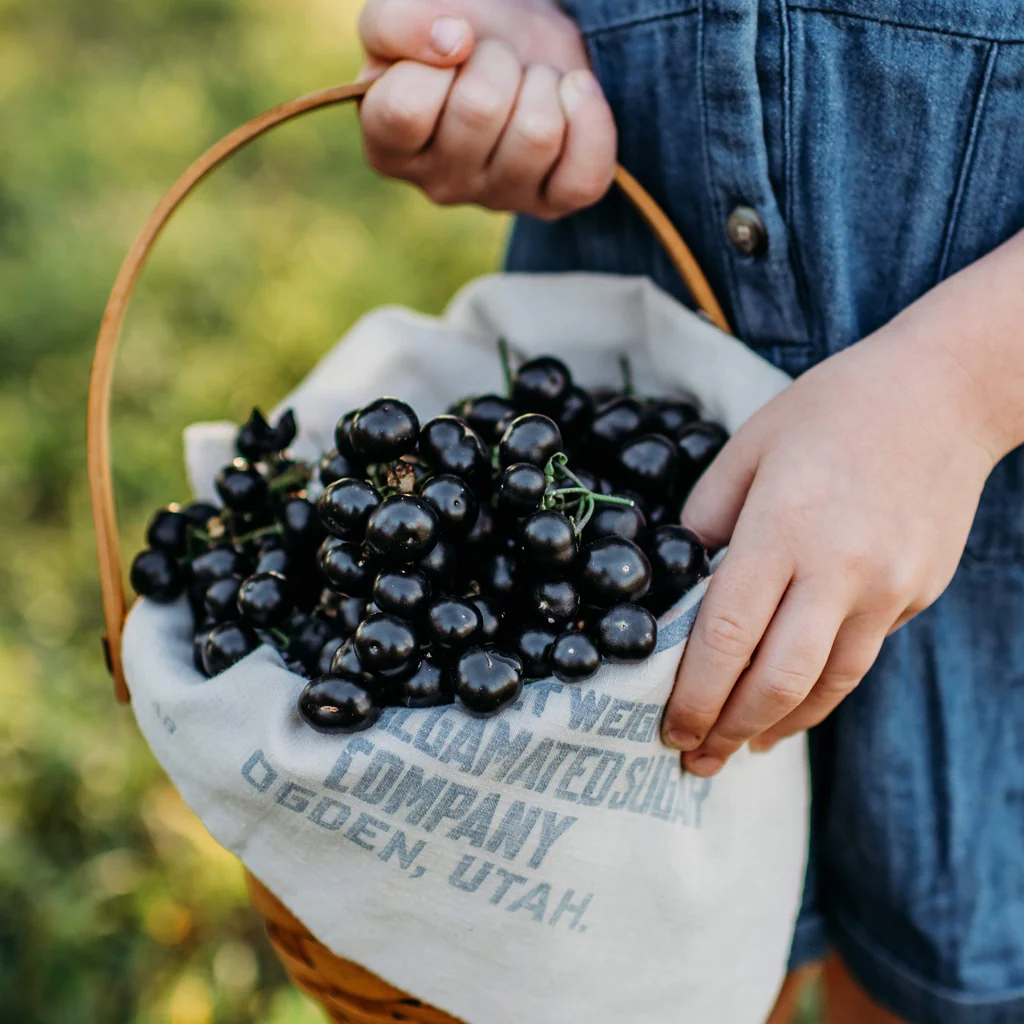
Huckleberries belong to the genus Vaccinium, which also includes blueberries and cranberries. The most common types are black, red, and blue huckleberries, each offering a unique flavor profile and growing environment.
- Black Huckleberries (Vaccinium membranaceum): Sweet, flavorful, and often found in the Pacific Northwest.
- Red Huckleberries (Vaccinium parvifolium): Tart and bright, ideal for preserves or baking.
- Blue Huckleberries (Vaccinium pallidum): Milder in flavor, native to the eastern U.S.
While wild huckleberries thrive in acidic, nutrient-poor soils, cultivated varieties can adapt well to garden environments if soil conditions are properly managed.

Climate and Soil Requirements
Huckleberries prefer cool to moderate climates and are naturally found in mountainous or forested regions. The ideal growing conditions mimic these natural habitats:
- USDA Zones: 4 to 8 are best for most huckleberry species.
- Temperature: They enjoy cool summers and cold winters, tolerating frost quite well.
- Light: Partial shade to full sun. Too much heat can stress the plants, especially in southern areas.
- Soil: Acidic soil with a pH between 4.5 and 5.5 is essential. You can acidify your soil by adding peat moss, pine needles, or sulfur.
- Drainage: Huckleberries dislike waterlogged conditions. Well-drained, loamy soil is ideal.
Before planting, test your soil pH using a home kit and amend it as needed. Mixing compost and organic matter helps improve both drainage and fertility.
Propagation: How to Start Huckleberries
Huckleberries can be propagated by seeds, cuttings, or root divisions. However, because the seeds are slow to germinate and sometimes unpredictable, growing from cuttings or nursery plants is easier for beginners.
1. From Seeds
- Collect ripe huckleberries and mash them to extract seeds.
- Rinse the seeds thoroughly and dry them for a few days.
- Stratify the seeds by refrigerating them in a moist paper towel for 2–3 months.
- Sow them in trays filled with an acidic potting mix and keep them in a warm, bright area.
- Germination may take several weeks to months, so patience is key.
2. From Cuttings
- Take semi-hardwood cuttings (4–6 inches long) from a healthy huckleberry plant during summer.
- Remove the lower leaves and dip the cut end into rooting hormone.
- Place the cutting in a pot filled with a mixture of peat moss and sand.
- Keep it moist and shaded until roots form (typically 6–8 weeks).
3. From Nursery Plants
For faster results, buy young huckleberry shrubs from a nursery. They usually start fruiting within 2–3 years of planting.
Planting Huckleberries
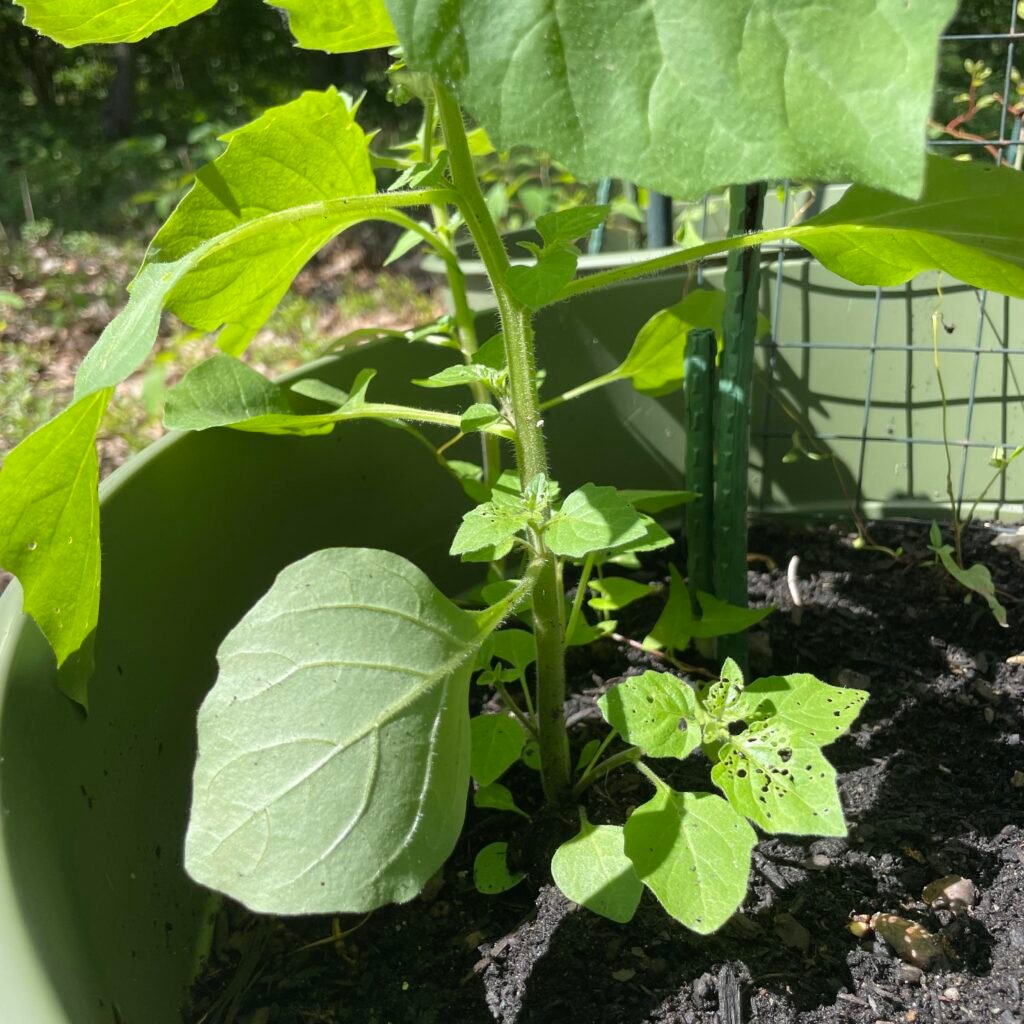
When your huckleberry seedlings or cuttings are ready for transplanting, follow these steps for successful establishment:
- Choose the Right Spot: Select a location with partial shade and well-drained, acidic soil.
- Prepare the Soil: Mix organic matter, pine needles, and peat moss into the soil before planting.
- Planting Distance: Space each shrub about 3–4 feet apart to allow air circulation and growth.
- Planting Depth: Place the plant at the same depth it grew in the container and gently firm the soil around it.
- Water Thoroughly: After planting, water deeply to settle the roots.
Apply a layer of mulch around the plants to retain moisture and suppress weeds. Pine bark or pine needles make excellent mulch choices, as they also help maintain soil acidity.
Watering and Feeding
Huckleberries have shallow root systems, so they require consistent moisture—especially during dry or hot weather.
- Watering: Keep the soil evenly moist but not soggy. Water once or twice a week, depending on rainfall and temperature.
- Mulching: Maintain a 2–3 inch layer of organic mulch to reduce evaporation and protect roots.
- Feeding: Huckleberries don’t need heavy fertilization. Use a fertilizer designed for acid-loving plants (like those used for blueberries or azaleas). Apply in early spring and again in midsummer. Avoid overfertilizing, as excess nitrogen promotes leaf growth at the expense of fruiting.
Pruning and Maintenance
Pruning helps maintain a healthy shape, promote air circulation, and encourage new fruiting branches.
- When to Prune: Prune in late winter or early spring before new growth begins.
- How to Prune: Remove dead, diseased, or damaged branches first. Thin out crowded stems to improve airflow.
- Renewal Pruning: Every 3–4 years, remove older branches at the base to stimulate new growth.
Weed control is important because huckleberry roots are shallow and compete poorly with weeds. Hand-pull weeds rather than hoeing to avoid damaging the roots.
Pollination and Fruiting
Huckleberries are partially self-fertile, but they produce better yields when multiple plants are grown together for cross-pollination. Bees and other pollinators play a vital role in fruit set, so avoid using harmful pesticides that could deter them.
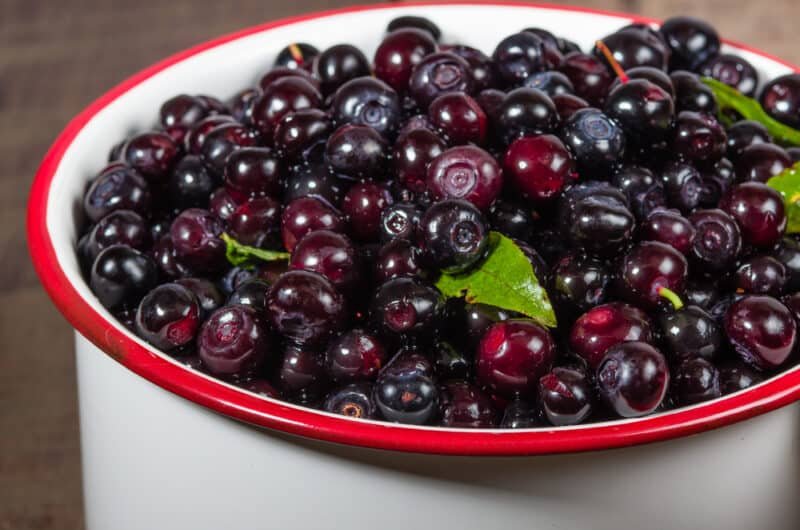
Once established, huckleberries usually begin to produce fruit in 2 to 4 years. The berries start green, then turn red, blue, or black depending on the variety, when they are fully ripe.
Harvesting Huckleberries
Harvesting is the most rewarding stage of growing huckleberries. The berries ripen gradually from midsummer to early fall, depending on your region and climate.
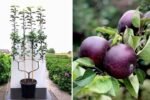
Steps for Harvesting:
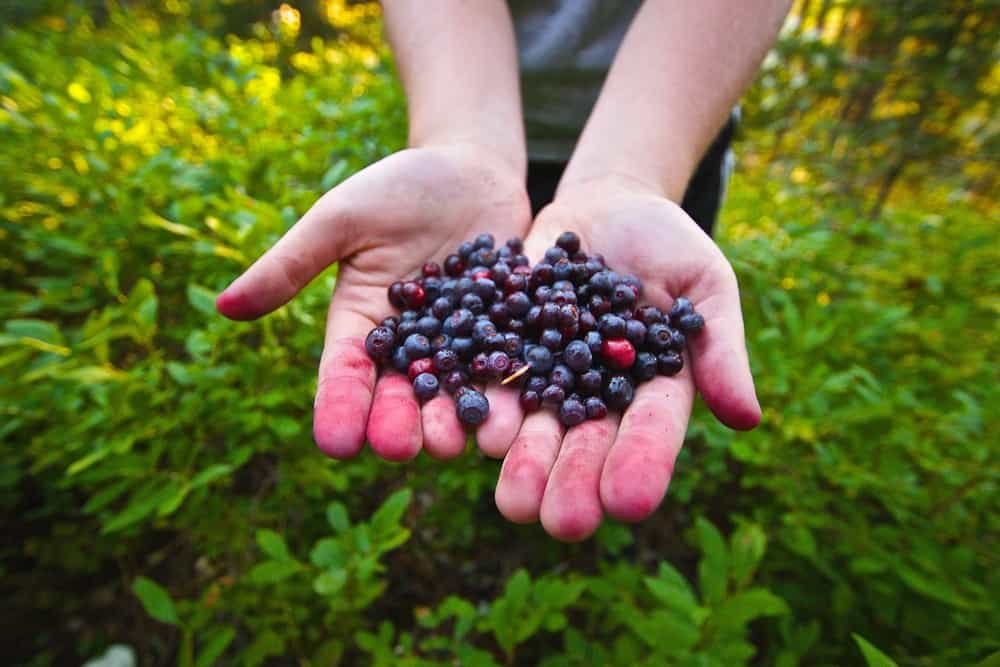
- Wait until the berries are fully colored and slightly soft to the touch.
- Gently roll or shake ripe berries off the stems into your hand or a shallow container.
- Handle with care to prevent bruising.
- Harvest regularly, as ripe berries may fall off easily.
Because huckleberries ripen unevenly, you may need to pick them every few days during the season.
Post-Harvest Handling and Storage
Fresh huckleberries are highly perishable, so proper storage is essential:
- Refrigeration: Store unwashed berries in a shallow container lined with paper towels. They’ll keep for about a week.
- Freezing: Spread berries on a baking sheet and freeze individually before transferring them to airtight bags. Frozen huckleberries can last up to a year.
- Preserving: Huckleberries make delicious jams, jellies, syrups, and pies. You can also dehydrate them for long-term storage.
Common Problems and Solutions
Even though huckleberries are relatively low-maintenance, they can face certain challenges:
- Poor Growth: Usually due to alkaline soil. Adjust the pH with sulfur or acidic mulch.
- Yellowing Leaves: Indicates iron deficiency, often caused by high pH. Use chelated iron supplements if needed.
- Root Rot: Caused by overwatering or poor drainage. Ensure proper soil structure and don’t let roots sit in water.
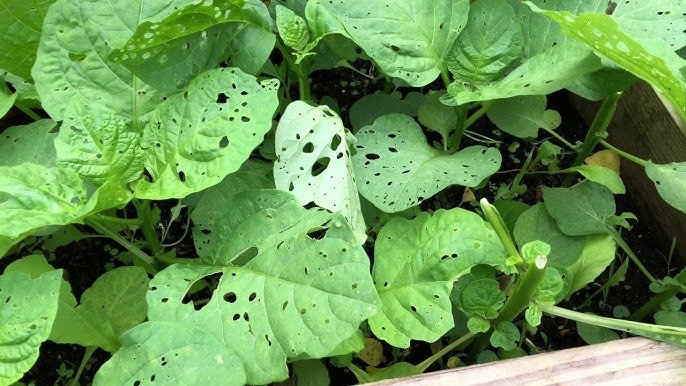
- Pests: Aphids, birds, and caterpillars may occasionally feed on plants. Use organic repellents or bird netting to protect your crop.
Tips for Successful Huckleberry Cultivation
- Always maintain soil acidity for healthy growth and vibrant fruiting.
- Provide consistent moisture without overwatering.
- Mulch generously with pine materials.
- Grow several huckleberry plants for better pollination and yield.
- Be patient—huckleberries take time to establish but reward you for years once they mature.
Conclusion
Growing and harvesting huckleberries may require patience and care, but the reward is well worth the effort. These flavorful berries not only add color and sweetness to your garden but also offer valuable antioxidants and nutrients. With the right soil, climate, and maintenance, you can enjoy fresh, homegrown huckleberries season after season.
Whether you plan to eat them fresh, bake them into pies, or turn them into jam, cultivating huckleberries brings a taste of the wild right into your backyard — a true gift from nature to your home garden.

Leave A Comment