
Durian, often called the “King of Fruits,” is famous for its rich aroma and creamy, flavorful flesh. Traditionally, durian trees are known to grow large and require vast spaces and tropical conditions to thrive. However, with modern gardening techniques, it’s now possible to grow small durian trees right at home—even in containers—using an innovative drip irrigation system made from recycled plastic bottles. This method not only conserves water but also promotes steady, healthy growth.
In this article, we’ll dive into the complete process of growing a small durian tree—from seed to fruit—using a homemade plastic bottle drip irrigation system. You’ll learn about choosing the right variety, preparing soil, managing nutrients, and maintaining ideal watering conditions to achieve strong and productive growth.
1. Why Grow a Small Durian Tree at Home?
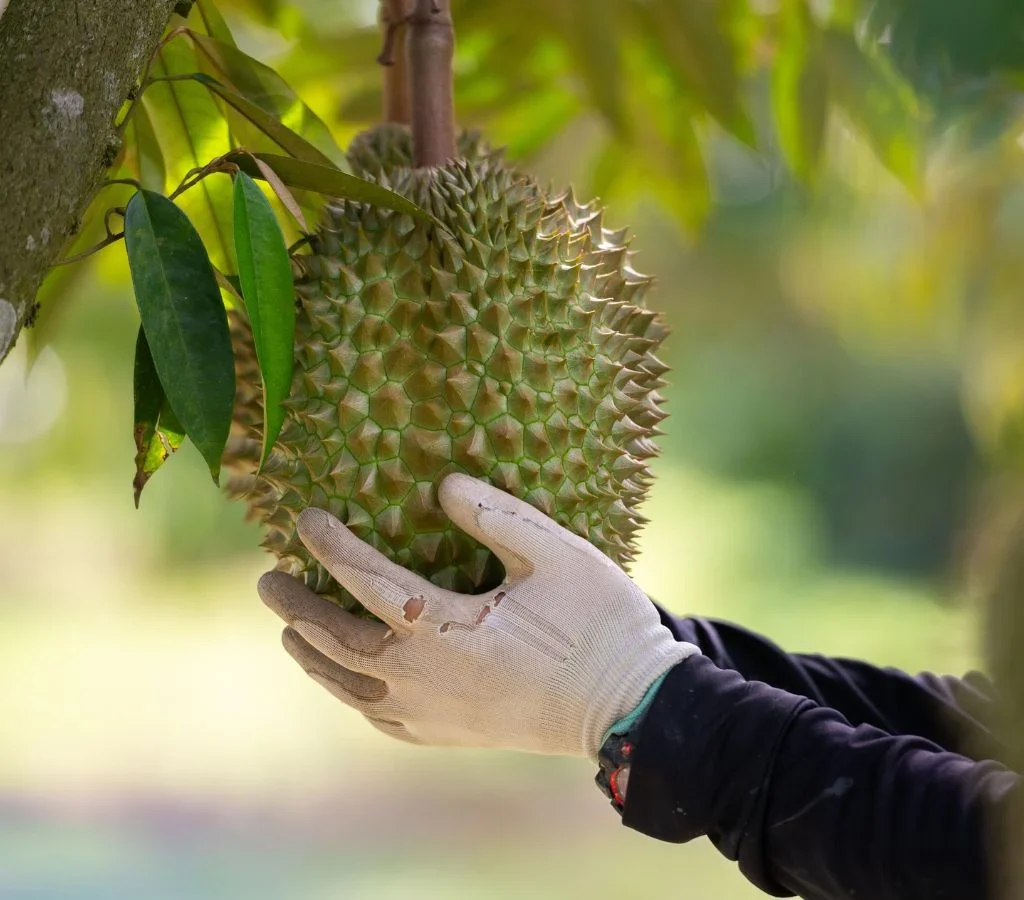
Growing a small durian tree has become increasingly popular among gardeners who have limited space but still wish to enjoy fresh, homegrown durians. Mini or dwarf durian varieties are now available that are well-suited for containers and small backyards.
Some key benefits include:
- Space Efficiency: Dwarf durian trees can be kept under 2–3 meters tall, perfect for patios or small gardens.
- Water Conservation: Drip irrigation ensures efficient water use, minimizing waste and overwatering.
- Sustainability: Using recycled plastic bottles helps reduce environmental waste.
- Convenience: Container-grown durians are easier to maintain, prune, and harvest.
With the right techniques, you can enjoy durians from your own small-scale setup even if you live in an urban area.
2. Selecting the Right Durian Variety
Choosing the right variety is essential for successful small-scale cultivation. Look for dwarf or early-fruiting varieties, which are known to adapt better to confined environments and produce fruits faster.
Recommended small or compact varieties:
- D197 (Musang King): Compact, flavorful, and a favorite among durian lovers.
- D24 (Sultan): Moderate height and excellent fruit quality.
- Monthong: Large fruit with creamy texture; manageable in pots when pruned correctly.
- Chanee: Known for strong disease resistance and good adaptability.
When buying seedlings, choose grafted durian plants instead of seeds. Grafted plants bear fruit faster (within 4–6 years) and have consistent fruit quality.
3. Preparing the Ideal Growing Environment
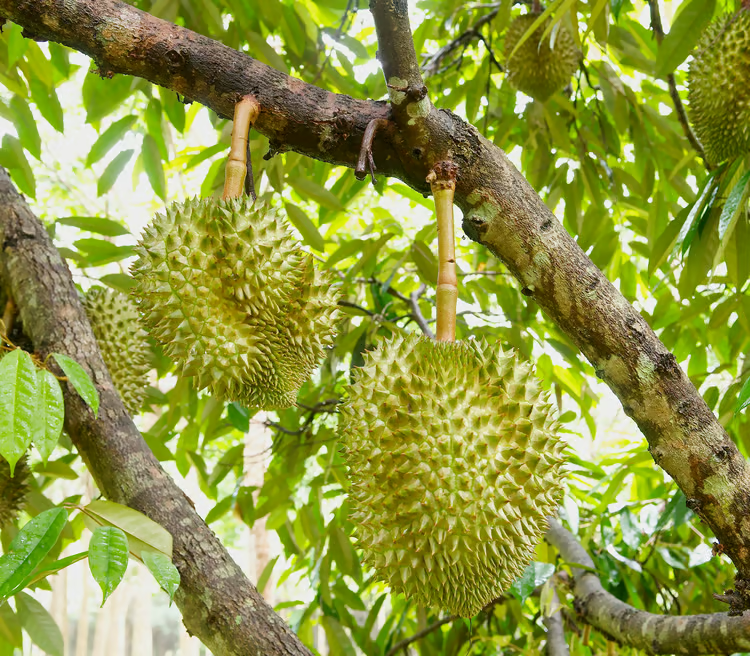
Durian trees thrive in warm, humid tropical climates with well-draining soil. For small-scale or potted cultivation, it’s important to recreate these conditions as much as possible.
Key conditions:
- Sunlight: At least 6–8 hours of direct sunlight daily.
- Temperature: Between 25°C and 35°C (77°F–95°F).
- Humidity: Moderate to high (70%–90%).
Container selection:
Use a large, durable pot—at least 50–70 cm in diameter and 50 cm deep. Ensure the pot has multiple drainage holes to prevent waterlogging.
Soil mix:
Durian roots dislike compact, soggy soil. Create a mix that’s rich yet well-draining:
- 40% loamy garden soil
- 30% compost or well-rotted manure
- 20% sand or perlite
- 10% cocopeat or rice husk for aeration
Add a handful of bone meal or organic fertilizer at the bottom of the pot to support root development.
4. Planting Your Small Durian Tree
- Fill the container two-thirds full with your soil mix.
- Remove the seedling from its nursery bag carefully without disturbing the roots.
- Place the plant in the center and fill the pot, leaving a 5–7 cm gap from the rim for watering space.
- Water thoroughly to help the soil settle around the roots.
- Place the pot in a partially shaded area for a few days before moving it into full sun.
Keep the young plant sheltered from strong winds or heavy rain during its first few months.
5. Creating a Drip Irrigation System from Plastic Bottles
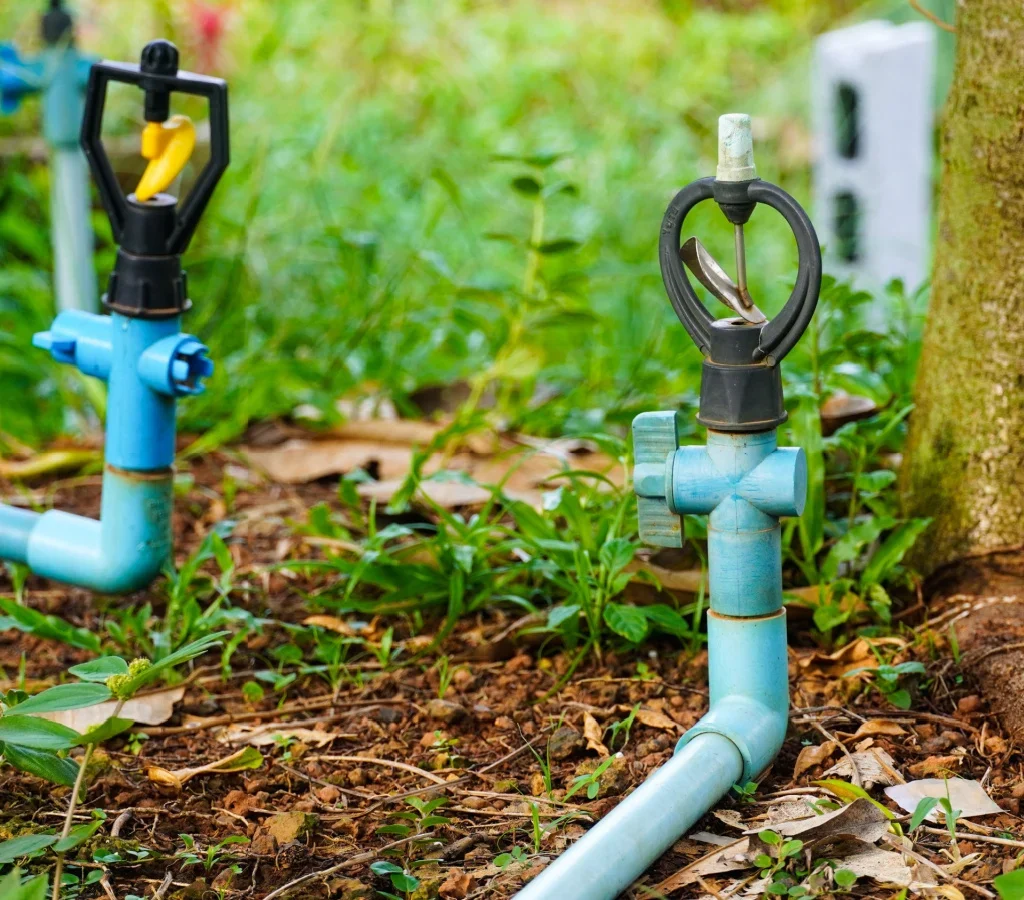
Water management is crucial for durian growth. Overwatering can cause root rot, while underwatering can stress the tree. The drip irrigation system made from plastic bottles offers a simple, eco-friendly, and effective way to maintain consistent moisture.
You will need:
- 1 or 2 large plastic bottles (1.5–2 liters each)
- A sharp needle or thin nail
- A string or wire for hanging the bottle (optional)
Step-by-step setup:
- Wash and clean the bottles thoroughly.
- Puncture 2–3 small holes near the bottle’s cap using a heated needle.
- Fill the bottle with water.
- Invert the bottle and place it near the base of the durian tree, with the holes facing downward.
- Adjust the hole size or number to control the drip rate (1–2 drops per second is ideal).
Alternatively, you can suspend the bottle above the plant and run a small tube or straw to the soil surface for a steady drip.
This system slowly releases water directly to the root zone, maintaining consistent soil moisture and preventing water loss through evaporation.
6. Watering Schedule and Fertilization
Watering:
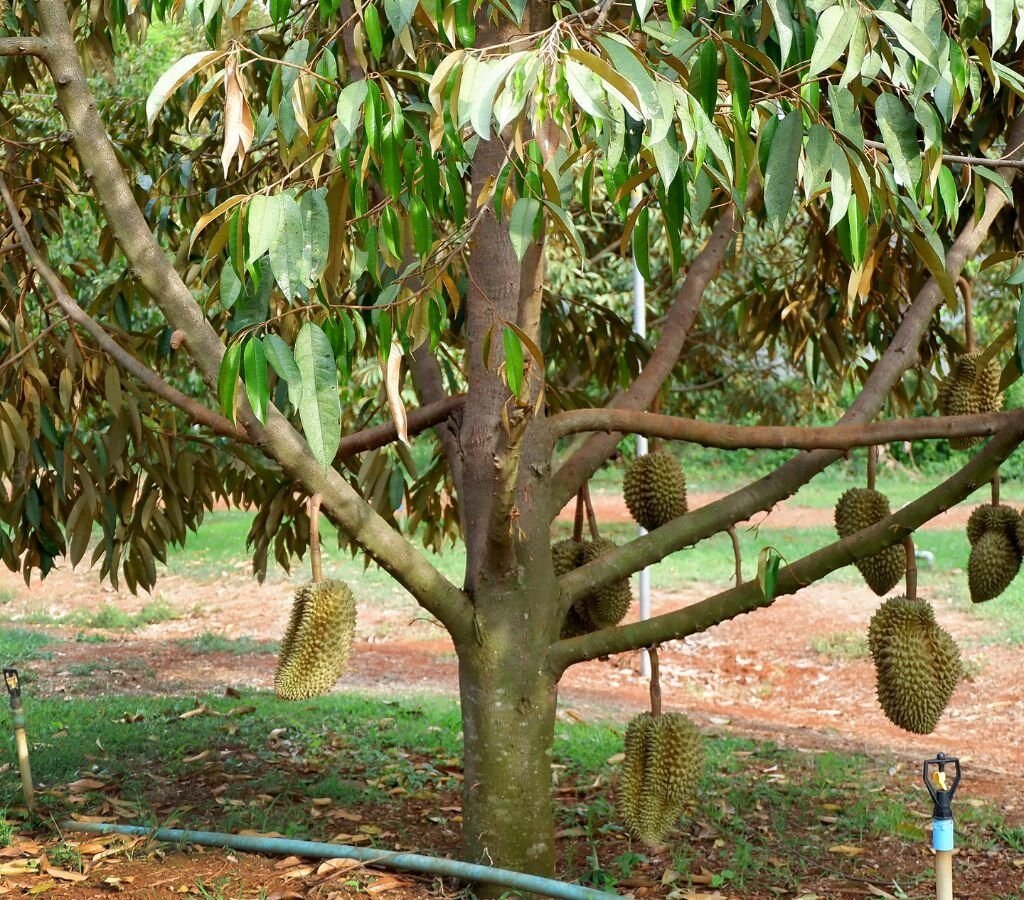
Durian trees prefer slightly moist soil at all times but not waterlogged conditions. The drip irrigation system ensures steady hydration without excess. Check the soil regularly—if the top 2–3 cm feels dry, refill the bottle.
Fertilization:
Feed your durian tree every 4–6 weeks using organic or slow-release fertilizers.
Recommended feeding schedule:
- Young plants (1–2 years): Balanced NPK fertilizer (15-15-15) for vegetative growth.
- Mature plants (3+ years): Low nitrogen, higher phosphorus and potassium (10-20-20) to promote flowering and fruiting.
- Supplement with compost tea, seaweed extract, or fish emulsion every few weeks for micronutrients.
Avoid over-fertilizing, as excessive nutrients may cause root burn or excessive vegetative growth at the expense of fruiting.
7. Pruning and Maintenance
Pruning helps control the height and shape of your durian tree, keeping it small yet productive.
Tips:
- Prune the main stem when the tree reaches around 1 meter to encourage side branching.
- Remove weak, dead, or crossing branches regularly.
- Maintain 3–4 main branches for a balanced structure.
- Ensure good airflow through the canopy to prevent fungal issues.
Regular pruning also makes it easier to manage light exposure and improves fruit quality later on.
8. Pest and Disease Management
Like other tropical fruit trees, durian can face pests such as aphids, mealybugs, and leaf miners, as well as fungal diseases like root rot and anthracnose.
Preventive care:
- Keep the soil well-drained at all times.
- Spray neem oil or garlic extract monthly as a natural pest deterrent.
- Remove fallen leaves and debris from the base to prevent fungal buildup.
- Rotate organic fungicides like copper sulfate if necessary.
Regular inspection helps catch issues early before they harm your young plant.
9. Flowering and Fruit Development
Durian trees grown in containers can start flowering within 4–6 years, depending on the variety and growing conditions. Flowering usually occurs during the dry season, followed by fruiting in the rainy season.
To encourage flowering:
- Slightly reduce watering for 1–2 weeks before the flowering season.
- Provide more sunlight exposure.
- Apply potassium-rich fertilizer to support bud formation.
When flowers appear, maintain consistent soil moisture and avoid moving the pot, as durian flowers are sensitive to stress.
10. Harvesting Your Small Durian Tree
Durian fruits take about 90–120 days to mature after flowering. The fruits are typically ready when:
- The outer husk turns slightly yellow or brown.
- The aroma becomes stronger.
- Some cracks appear near the fruit stem.
Cut the fruit carefully using garden shears or wait for it to drop naturally. Always handle the fruit gently to avoid damaging the spikes.
11. Advantages of Using Plastic Bottle Drip Irrigation
This simple technique offers several benefits:
- Conserves water by delivering moisture slowly and directly to the roots.
- Reduces plant stress caused by irregular watering.
- Improves nutrient absorption due to consistent soil moisture.
- Eco-friendly reuse of plastic waste materials.
- Low cost and easy to set up with everyday items.
For small-scale home gardeners, this system makes durian cultivation more accessible and sustainable.
Conclusion
Growing a small durian tree using a plastic bottle drip irrigation system is an excellent way to combine innovation, sustainability, and tropical fruit gardening. With the right care, pruning, and water management, your small durian tree can thrive and bear delicious fruits right in your backyard or balcony.
This method proves that with creativity and patience, even the majestic durian—once thought to be exclusive to large orchards—can now be a part of your home garden. Start small, stay consistent, and enjoy the pride of harvesting your very own homegrown durians, nurtured drop by drop.

Leave A Comment