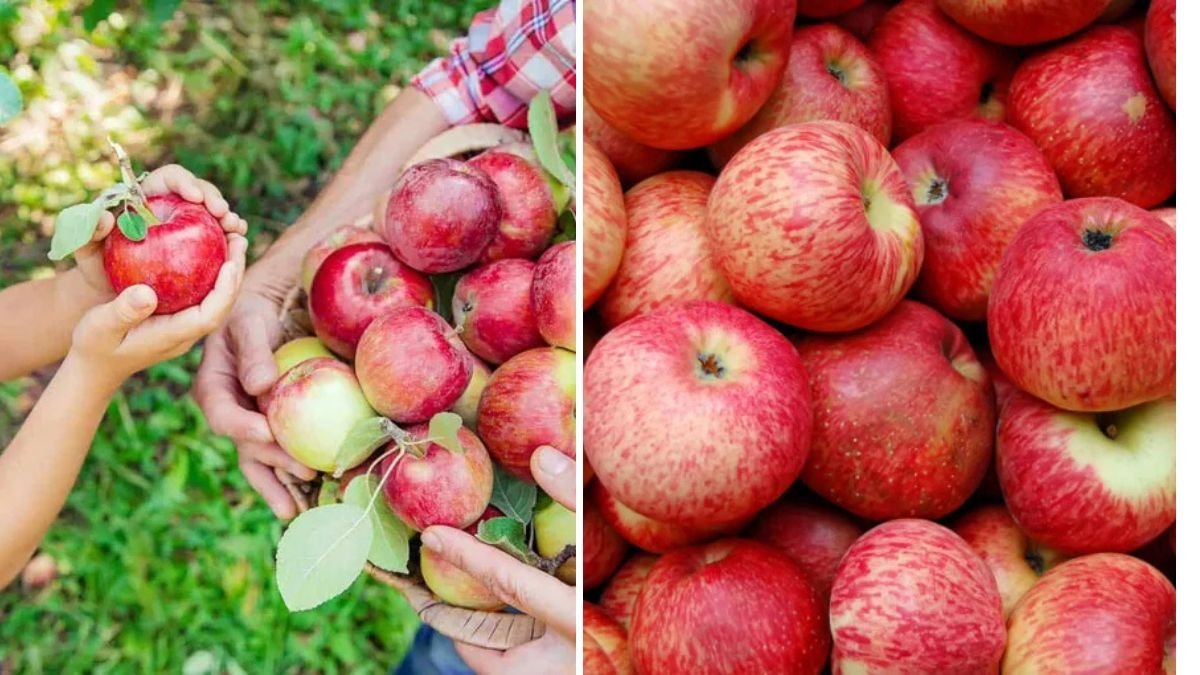
When it comes to apples, few varieties achieve the perfect balance of flavor, texture, and aroma like the Empire apple. In this blog post inspired by the video “Empire Apple Tasting”, we’ll explore what makes this apple so special — from its origins and flavor profile to how it performs in the orchard and the kitchen. Whether you’re a grower, a home gardener, or simply a fruit enthusiast, understanding the Empire apple’s qualities will deepen your appreciation for this crisp, delicious fruit.
The Origin Story of the Empire Apple
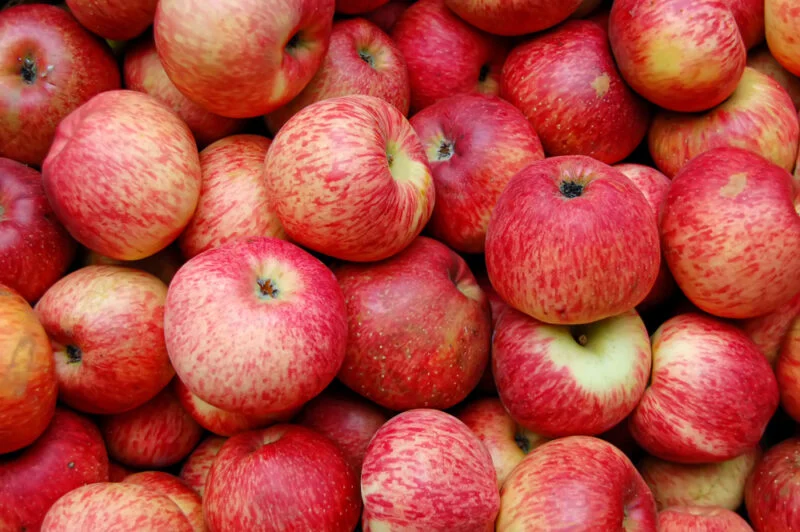
The Empire apple was developed at Cornell University’s New York State Agricultural Experiment Station in Geneva, New York, in the 1960s. It’s a cross between two iconic varieties — McIntosh and Red Delicious. The goal was to create a fruit that combined the best traits of both: the juiciness and aroma of McIntosh with the sweetness, firmness, and longer storage life of Red Delicious.
This breeding success resulted in an apple that quickly became a favorite among growers and consumers alike. Its ability to maintain quality over time made it an excellent choice for both fresh eating and commercial sales. Even decades later, the Empire remains a staple in many orchards across North America.
What Makes the Empire Apple Unique
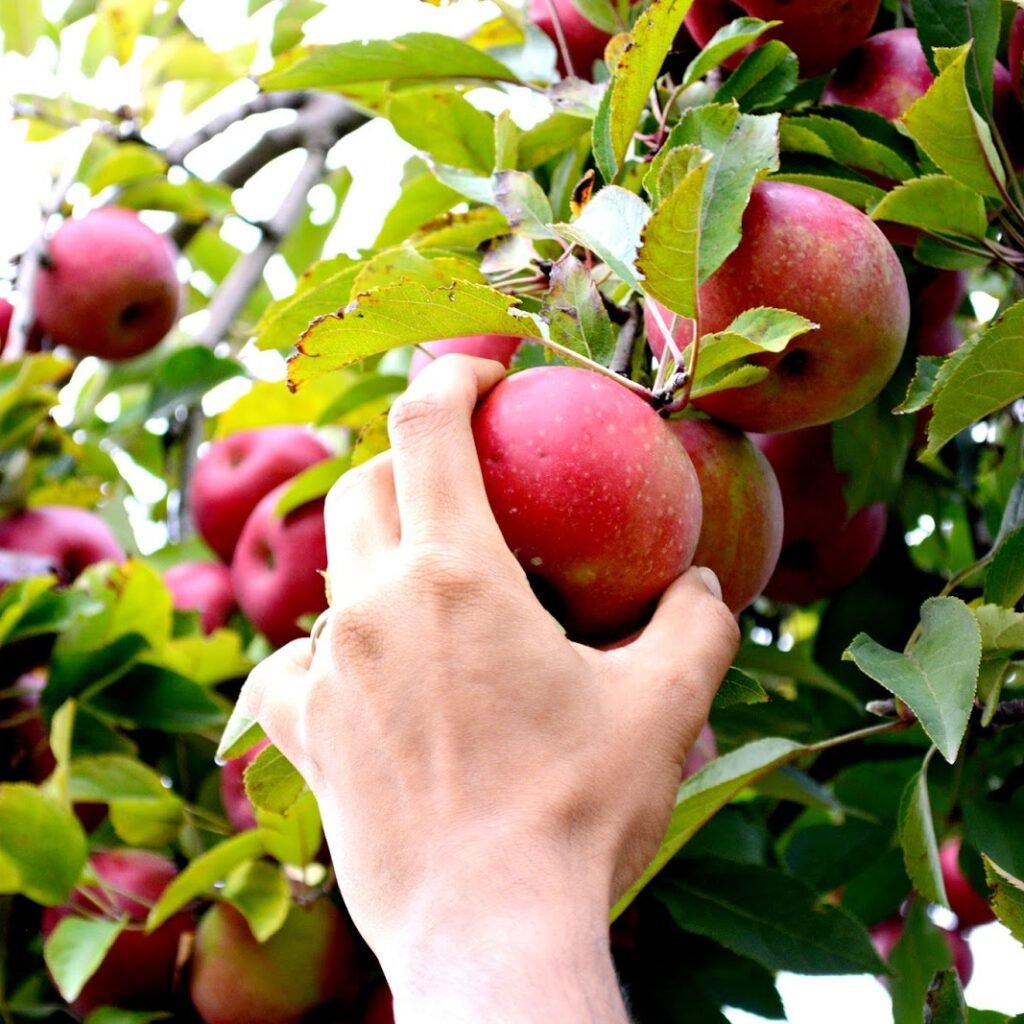
From the moment you bite into an Empire apple, you’ll notice what sets it apart. Its skin has a deep red blush over a light green background, giving it a beautiful appearance that’s hard to resist. Beneath that glossy surface lies creamy-white flesh — crisp, juicy, and bursting with flavor.
The taste of an Empire apple is a delightful harmony between sweetness and tanginess. It’s less tart than its McIntosh parent but still retains that refreshing zing that makes every bite exciting. This perfect balance is what makes the Empire apple so versatile — equally enjoyable fresh off the tree or incorporated into pies, salads, and sauces.

The aroma is another standout feature. Many tasters describe the scent as lightly floral with subtle honey undertones. This makes it not just a treat for the taste buds but also for the senses.
Growing Empire Apples in the Orchard
For home orchardists and small-scale growers, Empire apples are a rewarding variety to cultivate. They’re cold-hardy, thriving in USDA zones 4 through 7, and can handle chilly winters better than many other types.
Empire apple trees are moderately vigorous and tend to produce medium-sized, well-structured canopies. They’re known for consistent yields, making them a dependable choice year after year. The trees also demonstrate resistance to bruising, an important quality for those who plan to store or transport their fruit.
When planting, choose a sunny location with well-drained soil. Like most apple varieties, the Empire requires cross-pollination, so make sure to plant another compatible apple nearby, such as Cortland, Golden Delicious, or Honeycrisp.
Seasonal Care and Maintenance
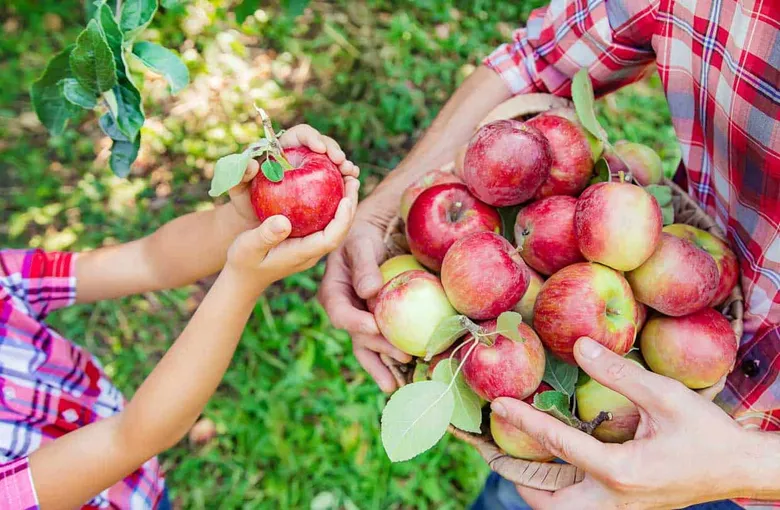
Caring for an Empire apple tree involves standard orchard practices, but a few extra steps can maximize fruit quality:

- Pruning: Annual winter pruning helps maintain an open canopy, allowing sunlight to reach all parts of the tree. This encourages better fruit color and air circulation, reducing disease risk.
- Watering: Regular deep watering during dry spells ensures consistent fruit development and prevents premature drop.
- Fertilizing: A balanced fertilizer in early spring supports healthy growth and flower production.
- Pest and Disease Management: Empires can be somewhat prone to apple scab and powdery mildew, so consider using organic fungicide treatments or selecting disease-resistant rootstock.
With the right care, a mature Empire apple tree can produce fruit within 3 to 5 years after planting and will reward you with a generous harvest each season.
Tasting the Empire: A Flavor Experience
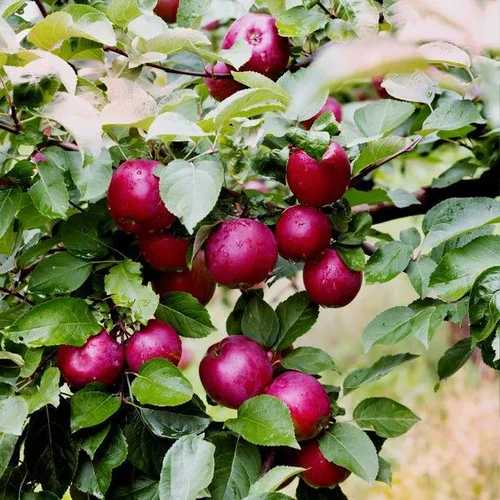
In the “Empire Apple Tasting” video, the tasting process highlights what truly defines this variety’s appeal. When bitten into, the Empire apple gives off a satisfying crunch, followed by an explosion of sweet-tart juice.
The sweetness is gentle but distinct, never cloying, while the acidity adds a refreshing contrast. Tasters often note hints of strawberry, honey, and citrus, especially when the fruit is perfectly ripe. The texture is firm yet not tough, making it a delight to chew.
Compared to softer apples like McIntosh, the Empire holds its structure even when sliced, making it ideal for lunchboxes and snacking on the go.
Empire Apples in the Kitchen
Empire apples are an excellent all-purpose variety in the kitchen. Because of their firmness, they hold up well when baked or cooked, while their balanced sweetness means you often don’t need to add extra sugar.

Here are a few delicious ways to use Empire apples at home:
- Apple Pies & Crisps – Their texture remains slightly firm after baking, offering a satisfying bite in every forkful.
- Salads – Their crisp flesh and bright flavor pair beautifully with spinach, nuts, and cheese.
- Apple Sauce – When simmered, they release a naturally sweet aroma and a smooth, creamy texture.
- Juices & Ciders – The balanced acidity makes Empire apples perfect for blending into refreshing drinks.
- Dehydrated Snacks – Sliced thin and dried, they become chewy, flavorful, and long-lasting treats.
Their versatility ensures they’re a favorite in both traditional and modern recipes.
Storing and Preserving Empire Apples
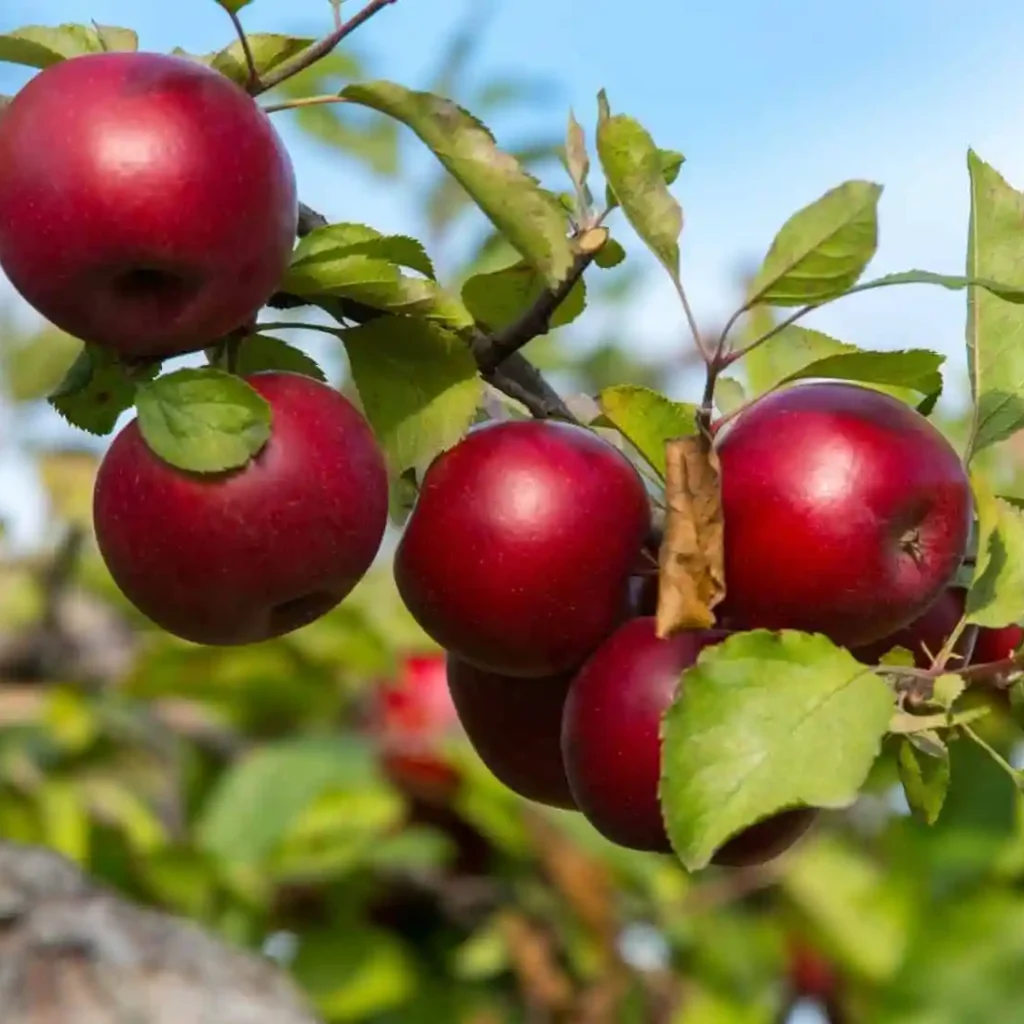
One of the key advantages of the Empire apple is its excellent storage ability. When kept in a cool, humid environment (around 32°F with 90–95% humidity), these apples can last for up to five months without losing much of their crispness or flavor.
Here are a few tips for optimal storage:
- Handle apples gently to prevent bruising.
- Store only unblemished fruit, as one spoiled apple can affect the rest.
- Keep them in ventilated crates or perforated plastic bags in the refrigerator or a root cellar.
- Avoid storing apples near onions or potatoes, as the gases can alter their flavor.
With proper care, you can enjoy the fresh taste of Empire apples well into the winter months.

The Empire’s Role in Backyard Orchards
For home gardeners, adding an Empire apple tree is both practical and rewarding. Its compact growth habit makes it suitable for small spaces or backyard orchards, while its reliable yields and beautiful fruit offer a satisfying harvest.
If you’re growing multiple varieties, Empires fit perfectly among early or late-ripening apples, helping extend your overall harvest season. Plus, the stunning red fruit adds an ornamental touch to your garden landscape.
Why You Should Try Empire Apples
Whether you’re tasting them fresh or growing them yourself, Empire apples deliver a combination of flavor, durability, and visual appeal that’s hard to beat. They embody the perfect blend of their parent varieties — the lively tang of McIntosh and the satisfying sweetness of Red Delicious — creating a truly balanced apple.
Their versatility in the kitchen, resilience in storage, and beauty in the orchard make them a must-have for any fruit lover.
Final Thoughts
The Empire apple is a true classic — a variety that stands the test of time. It represents the best of traditional apple breeding, combining outstanding flavor with practicality for growers and consumers alike. From the first crisp bite to the last slice in your pie, Empire apples capture the essence of what makes this fruit so beloved.

So next time you visit your local orchard or grocery store, pick up a few Empire apples and experience for yourself why this variety continues to reign supreme among apple enthusiasts everywhere.

Leave A Comment