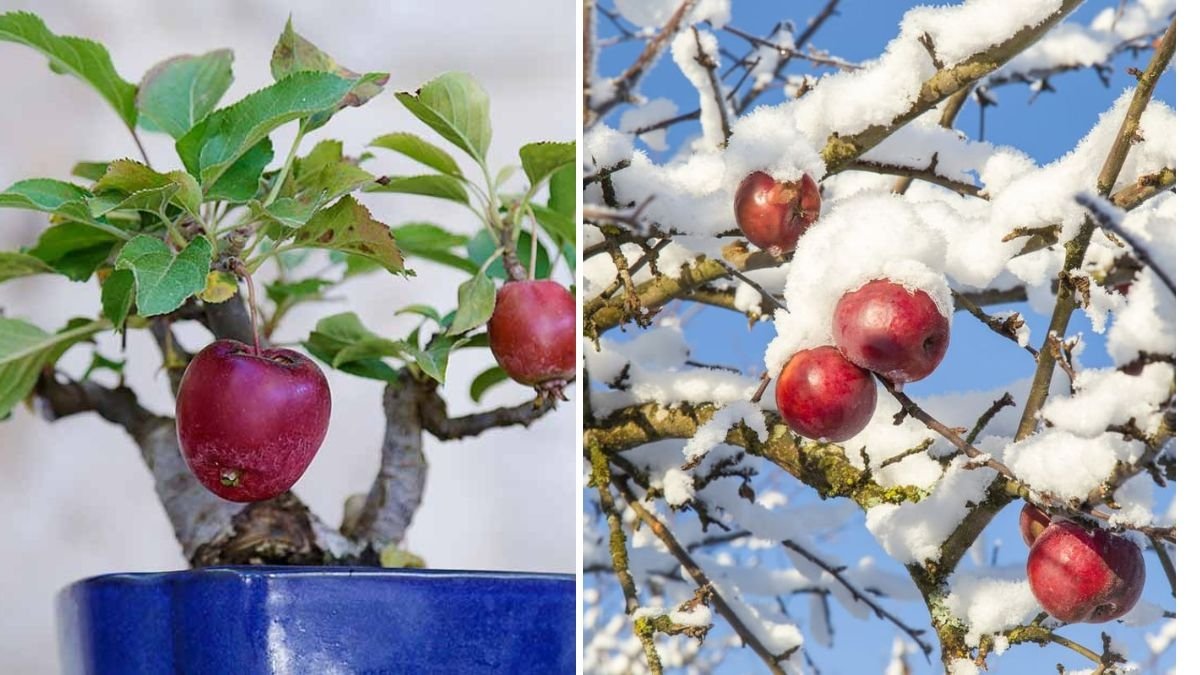
When winter arrives and the orchard falls quiet, a different kind of work begins — the careful and deliberate pruning that shapes the future of your fruit trees. For Ambrosia apple trees, winter pruning is not just about tidying up; it’s an essential step that ensures vigorous growth, improved air circulation, and abundant, high-quality fruit in the coming season.
Whether you’re maintaining a backyard tree or a small home orchard, learning how to prune Ambrosia apples correctly can make a world of difference. In this guide, we’ll walk you through the complete process — from understanding the variety’s growth habit to when and how to prune, plus expert tips to avoid common mistakes.
1. Meet the Ambrosia Apple: A Modern Orchard Favorite
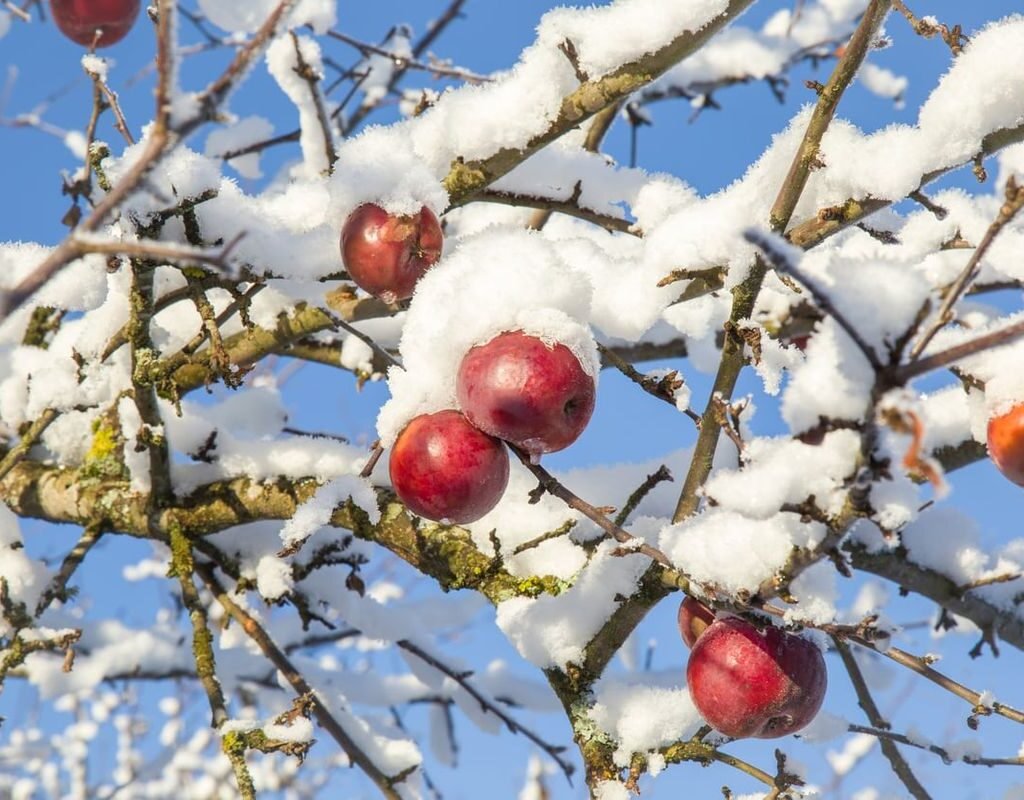
The Ambrosia apple, first discovered in British Columbia, Canada, in the 1980s, has quickly become one of the most beloved apple varieties worldwide. Its name, “Ambrosia,” literally means “food of the gods” — and for good reason. These apples are crisp, honey-sweet, and low in acidity, making them perfect for fresh eating.
Ambrosia Apple Highlights:
- Flavor: Sweet, mild, and aromatic
- Texture: Crisp and juicy with fine flesh
- Color: Pink to red blush over a creamy yellow background
- Harvest time: Mid- to late-season (October–November)
- Best zones: USDA Zones 4–8
- Tree habit: Naturally upright, moderately vigorous, and easy to shape
Unlike some apple varieties, Ambrosia trees tend to grow upright and dense, which means regular pruning is key to maintaining an open canopy that lets in light and air.
2. Why Winter Is the Best Time to Prune Ambrosia Apple Trees
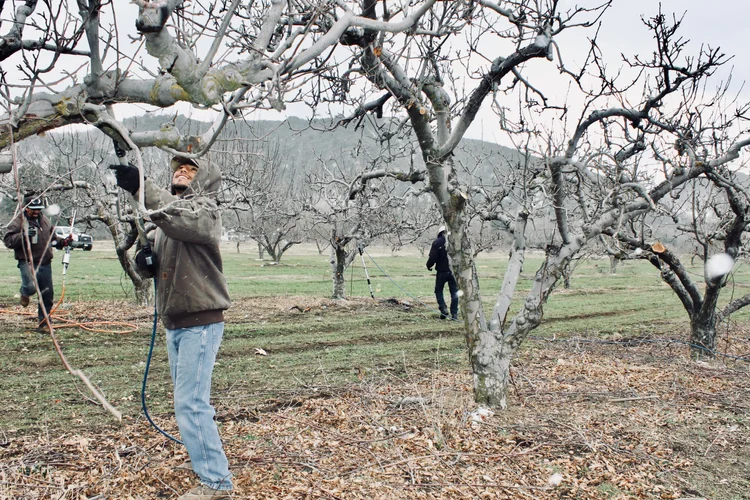
Pruning is a vital part of any apple tree’s care, but timing makes all the difference. For Ambrosia apples, late winter (January to early March) is the ideal pruning window — just before the buds begin to swell but after the coldest temperatures have passed.
Why prune in winter?
- The tree is dormant, so pruning won’t stress it.
- It’s easier to see the tree’s structure without leaves.
- Cuts heal quickly in early spring as sap starts to flow.
- Reduces risk of disease spread compared to pruning in wet, warm weather.
In short, winter pruning sets the stage for healthier spring growth and better fruit development.
3. Tools You’ll Need for Pruning
Before you begin, gather clean, sharp tools to make smooth cuts and avoid damaging the tree.
Essential tools:
- Bypass pruning shears: For small branches (under ½ inch thick)
- Loppers: For medium branches (up to 1½ inches)
- Pruning saw: For large limbs or dense growth
- Disinfectant: Rubbing alcohol or a 10% bleach solution to sterilize tools between trees
- Gloves and eye protection: For safety and comfort
Always make clean cuts — jagged or torn wounds take longer to heal and invite disease.
4. Understanding the Structure of Your Ambrosia Apple Tree
Before making a single cut, take a few minutes to study your tree. Understanding its natural growth pattern helps you prune strategically.
Ambrosia apple trees naturally have an upright, vertical growth habit, meaning they often grow dense and crowded if left alone. Your goal when pruning is to open up the canopy, allowing sunlight to reach all branches and air to circulate freely.
A well-pruned tree should have:
- A strong central leader (main trunk)
- Four to six well-spaced scaffold branches forming the main structure
- An open, balanced shape (like a Christmas tree)
This structure helps the tree support fruit evenly and reduces the risk of breakage during heavy harvests.
5. Step-by-Step Guide to Winter Pruning Ambrosia Apple Trees
Step 1: Remove Dead, Damaged, or Diseased Wood
Start by cutting away any branches that are:
- Dead or brittle
- Showing signs of canker, fungus, or rot
- Broken or rubbing against other branches
This improves the tree’s health immediately and prevents disease spread.
Step 2: Identify and Maintain the Central Leader
Ambrosia trees grow naturally upright, sometimes producing multiple competing leaders. Choose one strong, central leader and remove the others to keep the structure balanced and stable.
Make sure the central leader is the tallest vertical shoot and that other main branches radiate outward from it at wide angles.
Step 3: Thin Out Crowded Branches
One of the biggest issues with Ambrosia trees is overcrowding. Thin out interior shoots and branches that:
- Cross or rub against each other
- Grow straight upward (water sprouts) or downward
- Shade out the center of the tree
Aim for even spacing between branches so light can reach the inner canopy. Remember: sunlight = sweeter apples.
Step 4: Shorten Long Shoots
Cut back overly long shoots by one-third to promote stronger, fruit-bearing wood. Always prune just above an outward-facing bud to encourage growth in that direction.
Step 5: Shape the Tree
Maintain a balanced shape — wide at the bottom, narrow at the top. This ensures sunlight can penetrate all levels of the tree, leading to even ripening and easier harvesting.
Step 6: Clean Up and Seal Large Cuts (Optional)
Remove all pruned wood and fallen debris from around the tree. While most pruning cuts heal naturally, large wounds (over 2 inches) can be sealed with a tree wound compound if you live in a wet or disease-prone area.
6. The Science Behind Good Pruning
Every pruning cut affects how your Ambrosia apple tree grows. Here’s what happens:
- Removing the tip of a branch encourages side shoot growth.
- Thinning cuts (removing a branch entirely) open the canopy and reduce crowding.
- Heading cuts (shortening a branch) stimulate new shoots near the cut.
The key is balance — prune enough to shape and open the tree but not so much that it struggles to regrow. As a rule of thumb, never remove more than 25–30% of the tree’s canopy in a single season.
7. Common Pruning Mistakes to Avoid
Even seasoned gardeners can make errors while pruning. Avoid these common pitfalls:
- Over-pruning: Removing too much weakens the tree and delays fruiting.
- Leaving stubs: Always cut flush with the branch collar to help wounds heal.
- Topping: Never cut the main leader flat across; it encourages weak growth.
- Neglecting lower branches: Keep lower limbs strong for stability and fruiting.
- Ignoring tools: Dull blades crush rather than cut, increasing disease risk.
Remember, the goal of pruning isn’t just aesthetics — it’s to balance growth, structure, and productivity.
8. Post-Pruning Care for Ambrosia Apple Trees
After pruning, your tree will direct energy into healing and preparing for spring growth. Help it along with proper care:
- Water deeply if winter is dry, especially in mild climates.
- Mulch the base with compost or wood chips to insulate roots.
- Fertilize lightly in early spring once buds begin to swell.
- Monitor for pests or diseases as new growth emerges.
Avoid heavy fertilization right after pruning, as it can encourage too much leafy growth at the expense of flowers and fruit.
9. The Rewards of Pruning: What to Expect
By late spring, your Ambrosia apple tree will reward your winter work with a flush of new growth and abundant blossoms. Thanks to improved sunlight and airflow, the fruits will:
- Be larger and more flavorful
- Ripen evenly
- Be less susceptible to disease
A well-pruned tree also makes harvest easier and more enjoyable, with fewer tangled branches and better access to fruit.
10. Long-Term Pruning Strategy
Ambrosia apple trees benefit from consistent, moderate pruning each year rather than aggressive cutting every few seasons.
Year 1–3 (Training Years):
Focus on establishing structure. Choose your central leader and scaffold branches.
Year 4–7 (Production Years):
Lightly thin and shape annually to maintain form and promote fruiting.
Year 8 and Beyond (Maintenance Years):
Remove aging or unproductive wood and encourage renewal growth. Keep the canopy open and balanced.
With this routine, your Ambrosia apple tree can remain productive and healthy for decades.
11. Final Thoughts: Winter Pruning for a Healthier Orchard
Pruning Ambrosia apple trees in winter is one of the most rewarding tasks in the orchard. It’s a quiet, reflective time — the hum of the shears, the rhythm of shaping branches, the promise of future blooms. Each careful cut lays the groundwork for next season’s bounty.
By understanding your tree’s natural form, following good pruning practices, and giving it the right post-pruning care, you’ll ensure your Ambrosia apple tree stays strong, beautiful, and fruitful year after year.
So, grab your tools, head into the orchard, and make the most of winter — because every great apple harvest begins with a well-pruned tree.

Leave A Comment