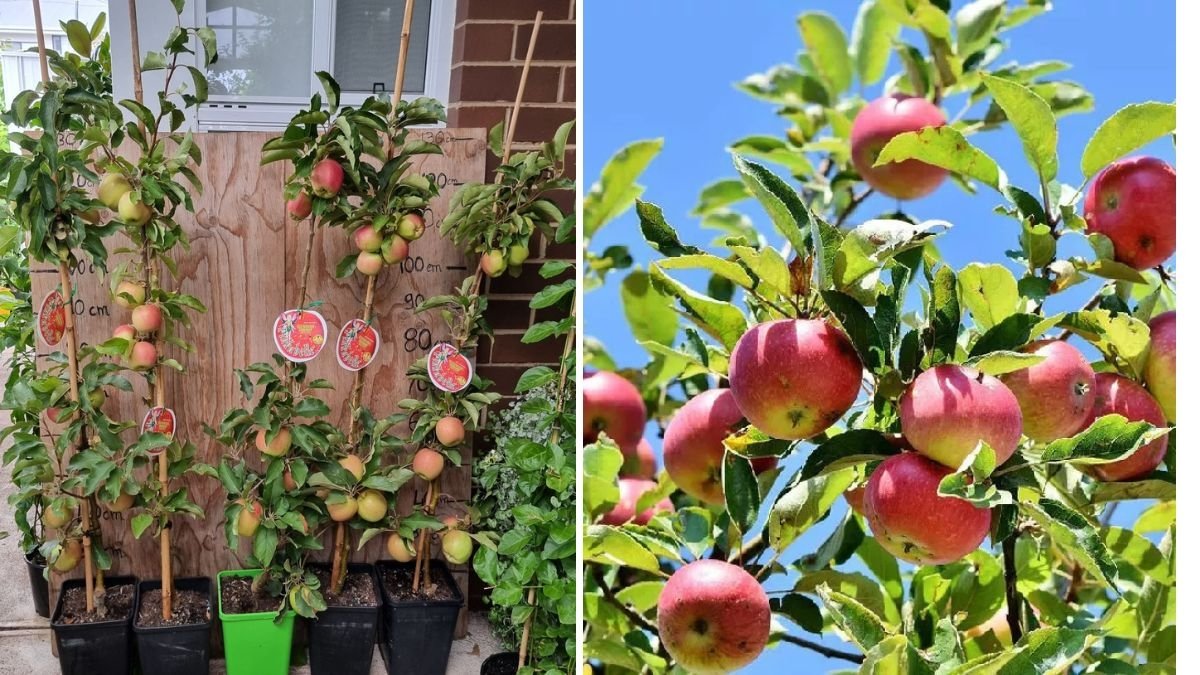
If you’ve ever bitten into a crisp, sweet-tart Pink Lady apple, you know it’s something special. Its rosy pink blush, firm texture, and refreshing balance of sugar and acidity make it one of the most sought-after apple varieties in the world. What if you could enjoy those same juicy apples straight from your backyard orchard?
In this article, we’ll dive deep into how to plant, grow, and care for a Pink Lady apple tree in your home orchard. From choosing the right spot to proper watering, pruning, and harvest tips, you’ll learn how to cultivate this beautiful and productive tree in your own space.
1. The Story Behind the Pink Lady Apple
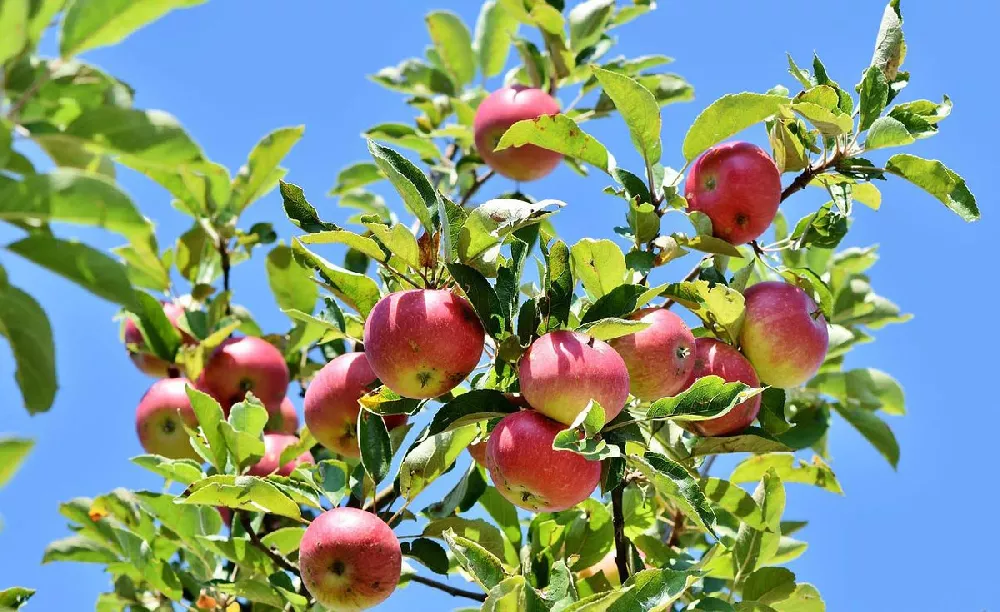
The Pink Lady apple, also known by its cultivar name Cripps Pink, was developed in the 1970s in Western Australia by crossing two famous varieties — the Golden Delicious and the Lady Williams apple. The result was a crisp, flavorful fruit with a perfect balance of sweetness and tartness, and a stunning pink blush that gives the variety its name.
Pink Lady apples are known for:
- Flavor: Sweet-tart with floral and honey notes
- Texture: Extra firm and crisp, perfect for fresh eating or baking
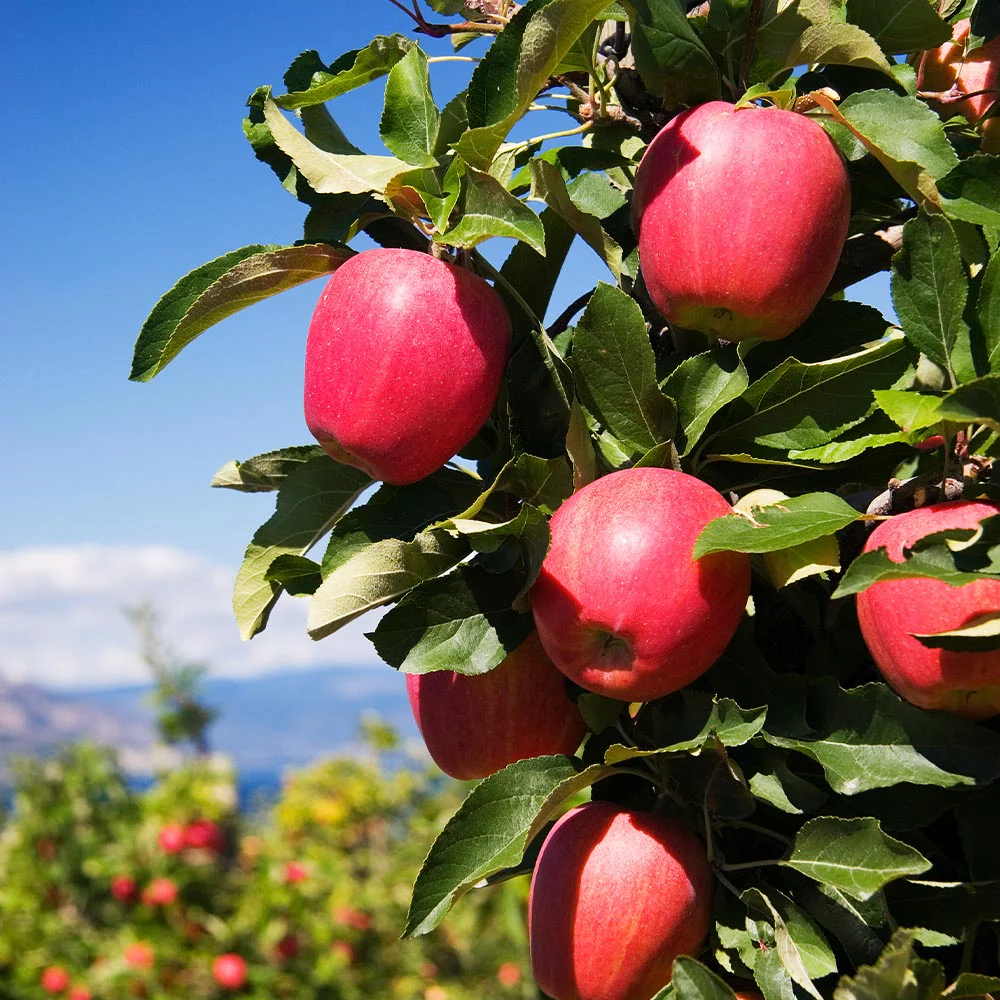
- Color: Bright pink blush over a pale yellow-green base
- Harvest season: Late fall to early winter
- Storage life: Can last up to 6 months in cold storage
- Best zones: USDA Zones 6–9
This apple thrives in warm, sunny regions with long growing seasons, which allows its signature pink color and high sugar content to develop fully.
2. Choosing the Right Spot for Your Pink Lady Apple Tree
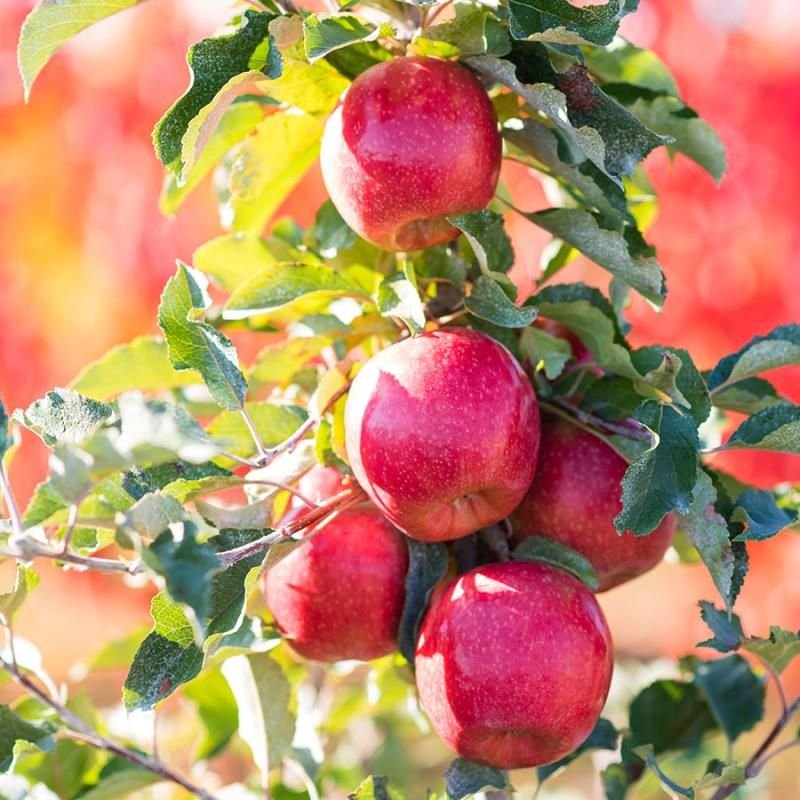
Like all apple trees, Pink Lady thrives in full sunlight and well-drained soil. Choosing the right location in your backyard is essential to ensure healthy growth and abundant fruiting.
Ideal conditions include:
- Sunlight: At least 6–8 hours of direct sun daily
- Soil: Loamy, well-drained soil enriched with organic matter
- pH range: Slightly acidic to neutral (6.0–7.0)
- Spacing:
- Dwarf varieties: 8–10 feet apart
- Semi-dwarf varieties: 12–15 feet apart
- Standard trees: 18–25 feet apart
Avoid planting in low areas that collect water, as standing moisture can lead to root rot. A gentle slope or raised bed is ideal for better drainage and air circulation.
3. How to Plant Your Pink Lady Apple Tree
Whether you’re planting a bare-root or container-grown Pink Lady, proper planting technique makes a big difference in establishing a healthy tree.
Planting Steps:
- Dig the hole: Make it twice as wide as the root ball but no deeper.
- Inspect the roots: Trim off any damaged or broken roots before planting.
- Position the tree: Place the tree so the graft union (the swollen area above the roots) sits 2–3 inches above the soil line.
- Backfill the hole: Mix the native soil with compost and fill in gently, tamping down lightly to eliminate air pockets.
- Water thoroughly: Give the tree a deep watering immediately after planting.
- Mulch: Spread 2–3 inches of organic mulch around the base to retain moisture and suppress weeds, keeping it a few inches away from the trunk.
Plant your Pink Lady in early spring or late fall when the weather is mild. This allows the roots to establish before the heat of summer or the chill of winter sets in.
4. Pollination Partners for Pink Lady Apples
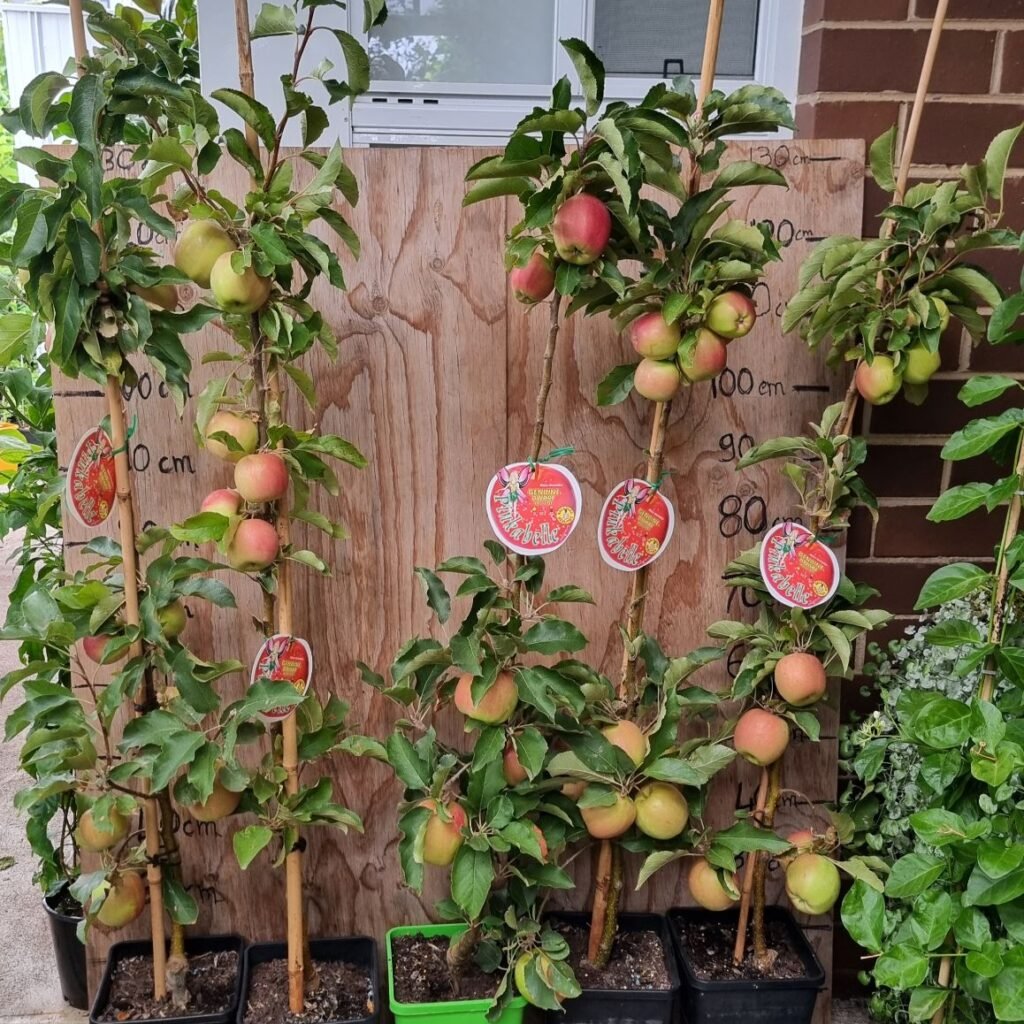
One important fact to remember: Pink Lady apple trees are not self-pollinating. They require another compatible apple variety nearby for cross-pollination to produce fruit.
Good pollination partners include:
- Fuji
- Granny Smith
- Gala
- Honeycrisp
- Golden Delicious
Ensure the pollinator tree blooms around the same time (mid-to-late season) and is planted within 50 feet of your Pink Lady. Bees and other pollinators will take care of the rest!
5. Watering and Fertilizing
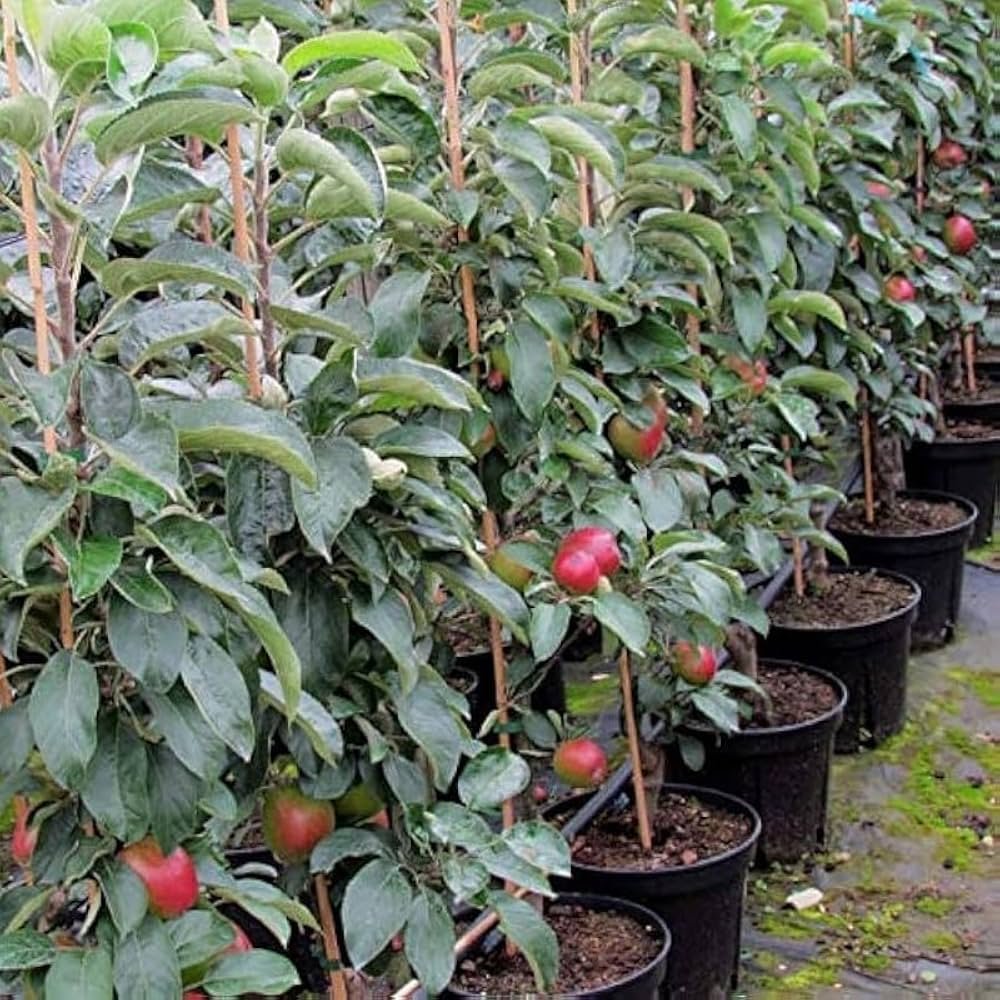
Proper watering and feeding help your Pink Lady apple tree establish strong roots and produce delicious fruit.
Watering tips:
- First year: Water deeply once or twice a week, depending on rainfall.
- Established trees: Water every 7–10 days during dry periods.
- Avoid overwatering: Let the top inch of soil dry out between watering to prevent root rot.
Fertilizing tips:
- In early spring, apply a balanced fertilizer (such as 10-10-10) around the drip line of the tree.
- Avoid over-fertilizing, as too much nitrogen promotes leafy growth instead of fruiting.
- Mulch with compost or aged manure once or twice a year to add nutrients naturally.
6. Pruning for Shape and Productivity
Pruning is one of the most critical aspects of growing a healthy, fruit-bearing apple tree. It encourages airflow, allows sunlight to reach inner branches, and prevents disease.
When to prune: Late winter or early spring before new growth starts.
Pruning tips:
- In the first few years, train your tree to a central leader (main vertical trunk) system.
- Remove weak, crossing, or inward-growing branches.
- Maintain an open canopy that allows sunlight to penetrate all areas of the tree.
- Shorten overly long branches to encourage strong fruiting wood.
Regular pruning keeps your Pink Lady apple tree manageable in size and ensures consistent fruit quality year after year.
7. Common Pests and Diseases
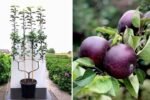
Like most apple varieties, Pink Lady can be affected by certain pests and diseases. However, with proper prevention, you can easily keep them under control.
Common pests:
- Aphids: Small insects that suck sap from young shoots.
- Codling moths: Lay eggs in fruit, leading to wormy apples.
- Spider mites: Cause stippling and leaf discoloration.
Common diseases:
- Apple scab
- Powdery mildew
- Fire blight
Prevention tips:
- Prune regularly to promote airflow.
- Avoid overhead watering to reduce leaf wetness.
- Apply organic sprays like neem oil or insecticidal soap if pests appear.
- Remove and dispose of fallen leaves and fruit to break disease cycles.
Healthy trees are naturally more resistant, so consistent care and observation are your best defenses.
8. Blossoms and Fruit Development
Pink Lady apple trees usually start producing blossoms in spring, typically their third or fourth year after planting. The fragrant white-pink flowers attract bees and pollinators, which are essential for fruit set.
Once pollinated, small green apples form and mature over several months, developing their distinctive pink blush as temperatures warm and sunlight increases.
To encourage larger fruit, thin the apples when they are about marble-sized, leaving about 6 inches between each one. This reduces stress on the branches and improves fruit size and flavor.
9. Harvesting Your Pink Lady Apples
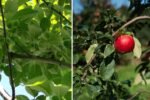
Pink Lady apples are late-season harvesters, usually ready in October or November, depending on your region. You’ll know they’re ready to pick when the background skin turns pale yellow-green and the fruit blushes with pink to red color.
To harvest:
- Twist the apple gently upward and off the branch rather than pulling.
- Handle carefully to avoid bruising.
- Store apples in a cool, humid environment (32–40°F).
Pink Lady apples are excellent storage apples—their flavor actually improves after a few weeks as the sugars fully develop. Properly stored, they can last up to six months without losing quality.
10. Enjoying the Fruits of Your Backyard Orchard
Few rewards match biting into your own freshly picked Pink Lady apple. Its vibrant, crisp bite and refreshing sweetness make it perfect for:
- Fresh eating: Ideal for snacking straight from the tree.
- Baking: Retains shape beautifully in pies, crisps, and tarts.
- Salads: Adds color and crunch to both green and fruit salads.
- Juicing and cider: Makes a wonderfully balanced, aromatic cider.
Their eye-catching color also makes them great for decorative displays or holiday baskets.
11. Final Thoughts: A Backyard Beauty Worth Growing
The Pink Lady apple tree is a standout addition to any backyard orchard. It’s not just beautiful—it’s productive, flavorful, and long-storing. With a little care, patience, and the right growing conditions, you can enjoy years of stunning blossoms, lush green foliage, and delicious fruit that rivals anything you’ll find in the store.
Whether you’re a seasoned grower or a backyard beginner, planting a Pink Lady apple tree is a step toward a healthier, tastier, and more sustainable lifestyle. It connects you to nature’s rhythm, rewards your effort, and fills your home with the unmatched joy of harvesting your own fruit.

So, grab your shovel, prepare your soil, and plant your own Pink Lady apple tree—you’ll thank yourself with every crisp, sweet bite for years to come.

Leave A Comment