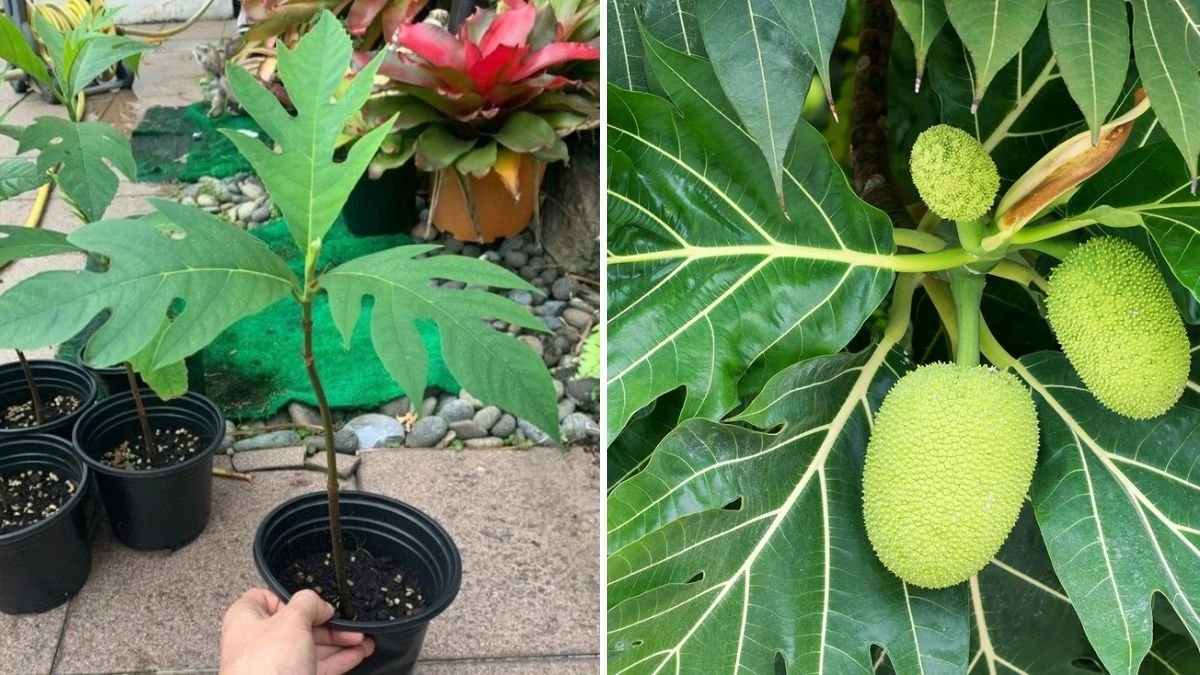
The breadfruit tree (Artocarpus altilis) is one of the most fascinating and valuable tropical food trees in the world. Known for its high yield, nutritional value, and low maintenance, the breadfruit is gaining attention among home gardeners and commercial farmers alike. Whether you want to grow it for its delicious starchy fruit, its beautiful canopy, or its potential as a sustainable food crop, learning to cultivate breadfruit the right way is the first step toward success.
This guide will take you through everything you need to know about breadfruit farming — from propagation and planting to care, harvesting, and long-term maintenance.
1. Understanding the Breadfruit Tree
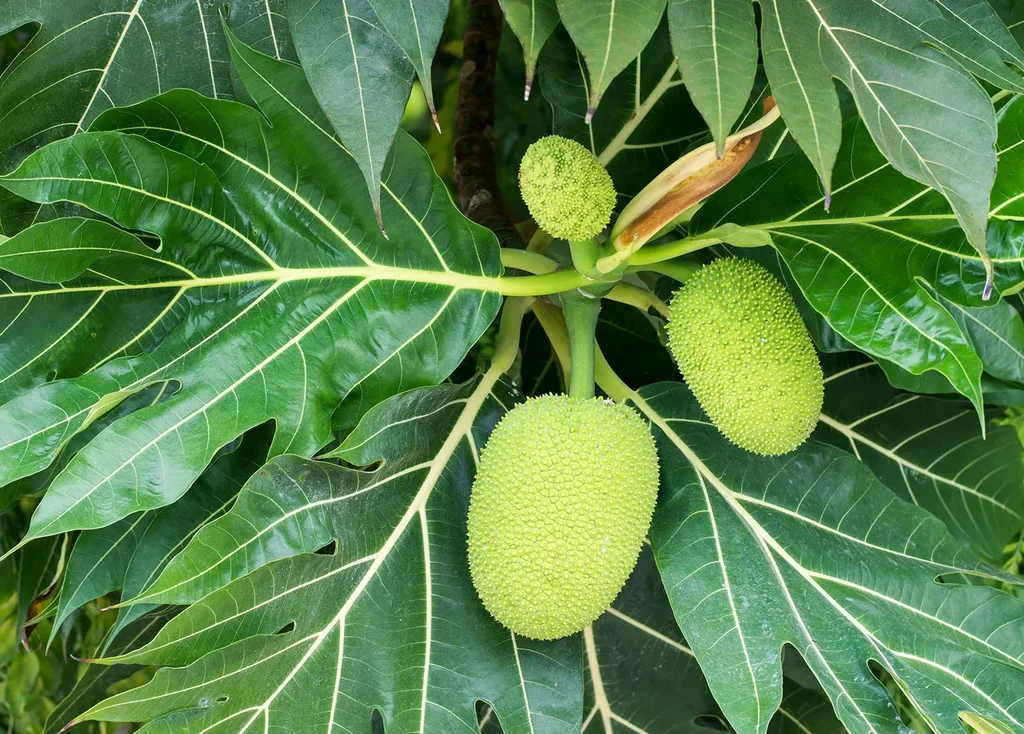
The breadfruit tree belongs to the Moraceae family, the same family as jackfruit and mulberry. It is native to the Pacific Islands but now grows widely across tropical regions like India, the Caribbean, Africa, and Southeast Asia.
Breadfruit trees are evergreen, fast-growing, and can reach 40–60 feet in height when mature. Their large, glossy leaves create a beautiful shade canopy, while the fruits — round, green, and spiky — can weigh 1–4 kg each. A single mature tree can produce up to 200 fruits per year, making it an excellent food source and an economic opportunity.
2. Climate and Growing Conditions
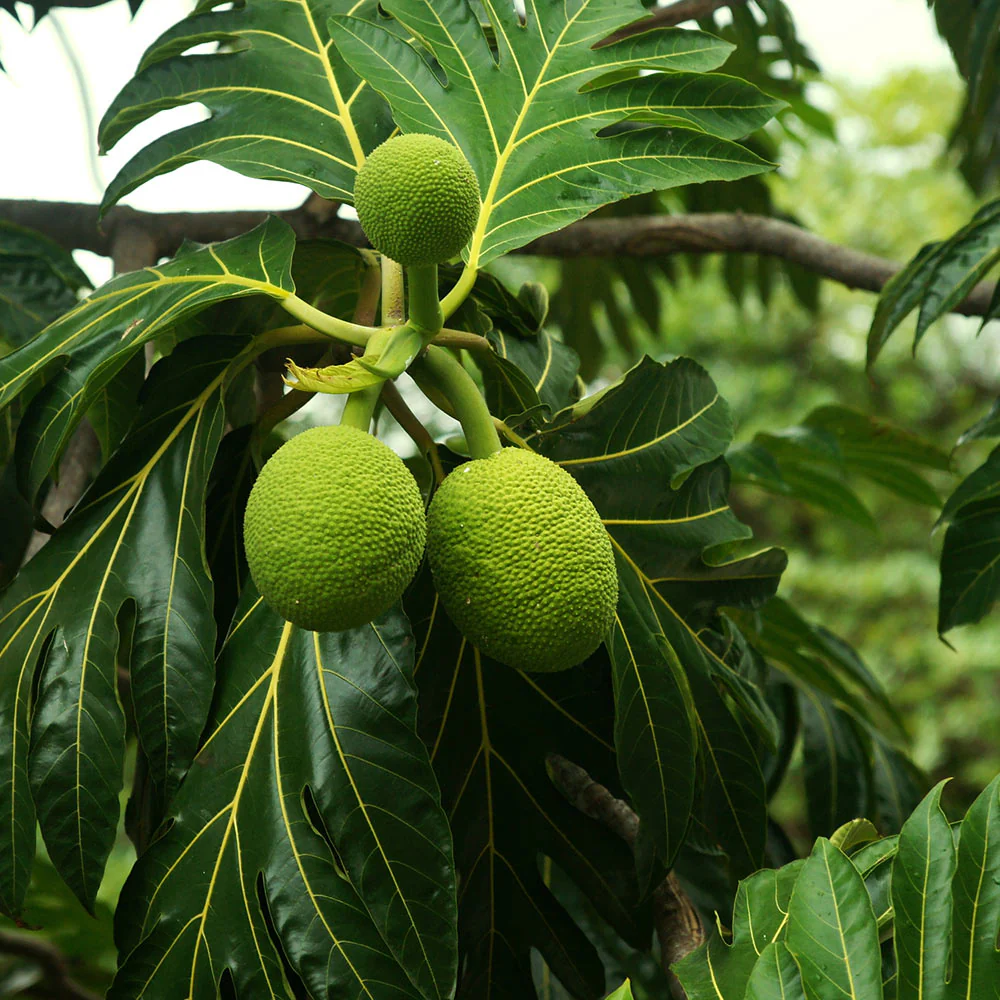
Breadfruit thrives in warm, humid tropical climates with consistent rainfall. To grow healthy trees, ensure these conditions:
- Temperature: 21–32°C (70–90°F). The tree is sensitive to frost and cold winds.
- Rainfall: Requires at least 1500–2500 mm of rainfall annually or supplemental irrigation.
- Altitude: Performs best below 650 meters (2130 feet) above sea level.
- Sunlight: Prefers full sun but can tolerate light shade during early growth.
Breadfruit trees do not tolerate drought or waterlogging for extended periods. They prefer consistent moisture but need well-drained soil to prevent root diseases.
3. Soil Requirements
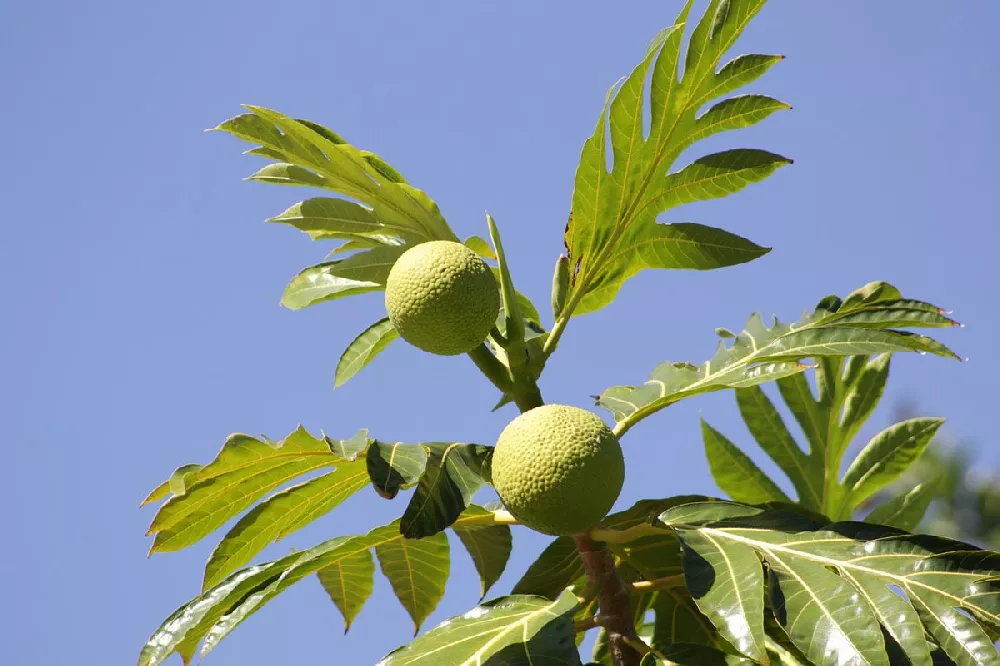
Breadfruit grows best in deep, fertile, well-drained loamy soils. Avoid rocky or saline soils. The ideal pH range is 6.1–7.4 (slightly acidic to neutral).
If your soil is heavy clay, improve drainage by adding sand, compost, or organic matter. Raised beds or mounds can also help prevent water stagnation.
Before planting, enrich the soil with organic compost or well-decomposed manure. This boosts microbial activity and ensures strong root establishment.
4. Propagation Methods
There are several ways to propagate breadfruit, depending on your available resources and desired results:
(a) Root Cuttings (Most Common Method)
- Select healthy root suckers (about 1 inch thick and 6–8 inches long) from a mature breadfruit tree.
- Plant them horizontally in pots or directly in nursery beds, with 2 inches of soil covering them.
- Keep the soil moist and shaded until shoots appear.
- Transplant when they reach about 1 foot tall.
(b) Suckers from the Mother Tree
- Dig around the base of a mature tree to find young shoots growing from roots.
- Separate them with a portion of root attached.
- Replant them in polybags with a mix of sand, compost, and soil.
(c) Air Layering
- Select a healthy branch, remove a 1-inch ring of bark, and wrap it with moist sphagnum moss and plastic film.
- After 6–8 weeks, roots form at the site.
- Cut the branch and plant it in a nursery bed for hardening.
(Note: Breadfruit rarely produces viable seeds, so vegetative propagation ensures consistency in fruit quality and faster fruiting.)
5. Planting Breadfruit Trees
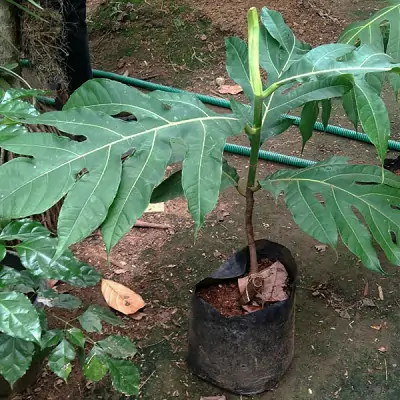
Once your seedlings are ready, it’s time to transplant them to the field or garden.
Step 1: Site Preparation
- Choose an open, sunny area with fertile, well-draining soil.
- Clear weeds and loosen the soil deeply (at least 2 feet).
Step 2: Spacing
- Maintain spacing of 25–30 feet (7–9 meters) between trees.
- In small gardens, you can plant closer (15–20 feet apart), but allow good airflow.
Step 3: Planting Hole Preparation
- Dig holes about 60 cm wide and 60 cm deep.
- Mix the topsoil with compost or organic manure before refilling.
- Plant the seedling at the same depth as it was in the nursery pot.
- Water immediately after planting.
Mulch around the base to retain moisture and prevent weeds.
6. Watering and Irrigation
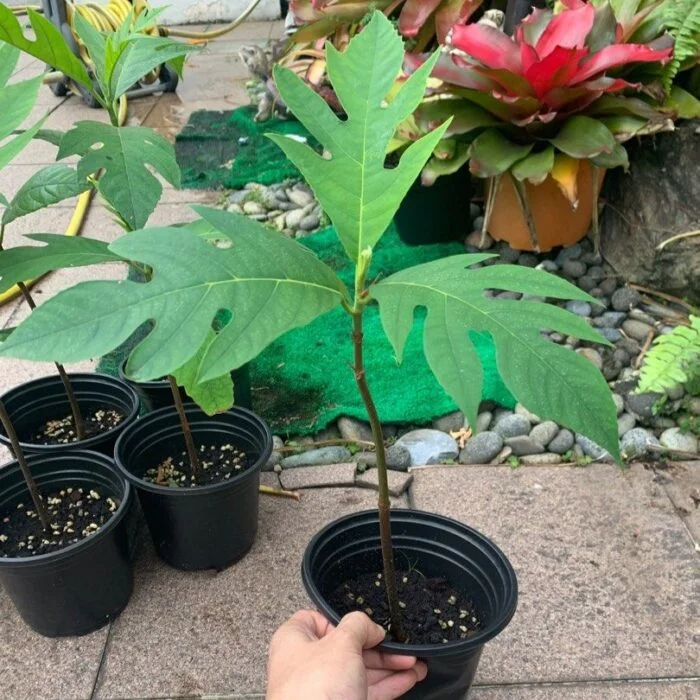
During the first 1–2 years, young breadfruit trees require regular watering to establish strong roots.
- Frequency: Water twice a week in dry weather, once a week during the rainy season.
- Mature trees: Are drought-tolerant but still benefit from occasional deep watering during prolonged dry spells.
Avoid standing water around the roots — it can cause fungal diseases or root rot.
7. Fertilization and Soil Management
Breadfruit trees respond well to organic fertilizers. Apply compost, cow dung, or green manure regularly to maintain fertility.
For more targeted feeding:
- Young trees: Apply a balanced fertilizer (10-10-10 NPK) every 3–4 months.
- Mature trees: Use fertilizers rich in phosphorus and potassium (5-10-15 NPK) to enhance flowering and fruiting.
Apply fertilizers around the drip line (edge of the canopy) and lightly mix into the soil.
Keep the base mulched with dry leaves or grass to conserve moisture and suppress weeds.
8. Pruning and Maintenance
Proper pruning helps maintain tree shape, improves sunlight penetration, and encourages fruiting.
- Formative Pruning: Start when the tree is young. Maintain a single main trunk and remove low branches.
- Maintenance Pruning: Annually remove dead, weak, or crossing branches.
- Height Control: Limit height to 15–20 feet for easier harvesting and better management.
Remove any suckers growing from the base that divert energy from the main tree.
9. Pests and Diseases
Breadfruit trees are relatively hardy but can occasionally face pest and disease issues.
Common Pests:
- Fruit flies: Cause fruit damage. Use traps or harvest early to prevent infestation.
- Mealybugs and scale insects: Suck sap from leaves and stems. Control with neem oil or insecticidal soap.
Common Diseases:
- Root rot: Caused by poor drainage. Ensure proper aeration and avoid overwatering.
- Leaf spot or mildew: Remove affected leaves and spray organic fungicides if necessary.
Regular monitoring and maintaining a clean orchard help prevent problems naturally.
10. Flowering and Fruiting
Breadfruit trees usually begin to bear fruit within 3–5 years of planting (from root cuttings or air-layered plants).
- Flowering: Occurs once or twice a year, depending on climate.
- Pollination: Breadfruit trees are generally self-pollinating, though wind and insects can assist.
- Fruiting Season: In most tropical areas, fruits ripen between June and October.
Each tree can yield 50–200 fruits annually, and once mature, production continues for decades.
11. Harvesting Breadfruit
Timing the harvest is essential for flavor and texture.
- Mature green stage: Ideal for cooking like potatoes or plantains.
- Fully ripe stage: The skin turns yellowish and starts to split, revealing soft, sweet flesh suitable for desserts.
To harvest:
- Use a long-handled cutter or pole to gently twist fruits off the branch.
- Avoid dropping the fruit, as it bruises easily.
Fresh breadfruit has a short shelf life — it lasts about 3–5 days at room temperature but can be refrigerated or processed into chips, flour, or baked goods.
12. Economic and Nutritional Value
Breadfruit farming holds significant promise both economically and nutritionally.
- Nutritional Benefits: Breadfruit is rich in complex carbohydrates, fiber, potassium, and vitamins A and C. It’s gluten-free and an excellent source of plant-based energy.
- Economic Value: The fruits, leaves, and wood all have uses. The fruit can be sold fresh, processed into chips or flour, or used in traditional cuisines.
One mature tree can yield over 500 kg of fruit annually, providing excellent returns for small-scale farmers or agroforestry projects.
13. Sustainability and Future Potential
Breadfruit is often called a “Tree of the Future” because of its role in food security and environmental sustainability.
- It requires minimal inputs once established.
- Helps reduce soil erosion and improve biodiversity.
- Offers consistent yields in tropical climates, even under changing weather patterns.
Many agricultural scientists see breadfruit as a climate-resilient crop capable of addressing food shortages in tropical nations.
14. Final Thoughts
Growing a breadfruit tree is an investment that pays back for generations. With its high productivity, low maintenance, and nutritional value, it’s a perfect addition to both home gardens and commercial farms.
Whether you’re a small-scale farmer or a home grower, all you need is a warm climate, a little care, and patience — and in a few years, you’ll enjoy an abundance of this versatile, sustainable superfruit.
So, plant a breadfruit tree today and watch it become a living legacy of nourishment, shade, and sustainability!

Leave A Comment