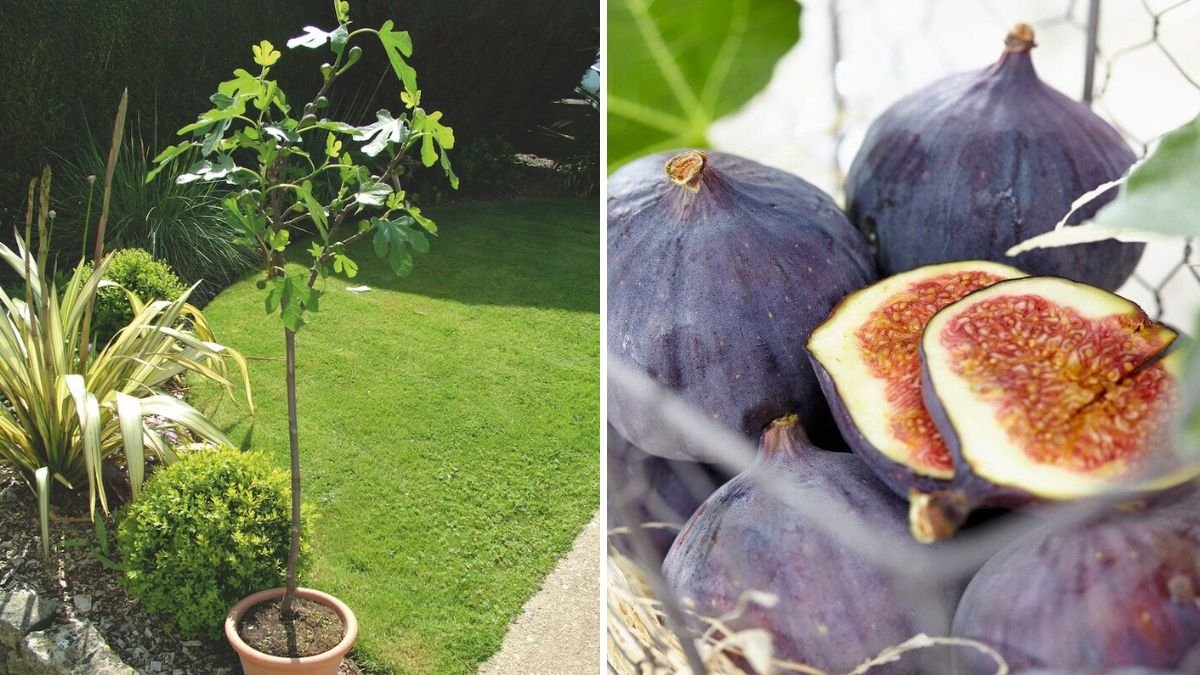
There’s nothing quite like plucking a ripe, juicy fig straight from your own garden. Fig trees (Ficus carica) are ancient fruit bearers that have been cultivated for thousands of years, prized for their delicious flavor, nutritional richness, and easy-growing nature. Whether you have a spacious backyard or a small patio, you can successfully plant and grow a fig tree right at home — and enjoy a fresh supply of figs season after season.
In this comprehensive 1200-word guide, we’ll walk you through everything you need to know before planting a fig tree, from choosing the right variety to soil preparation, planting, watering, pruning, and long-term care. Let’s get started on your journey to growing one of nature’s sweetest fruits!
1. Why Grow a Fig Tree at Home?
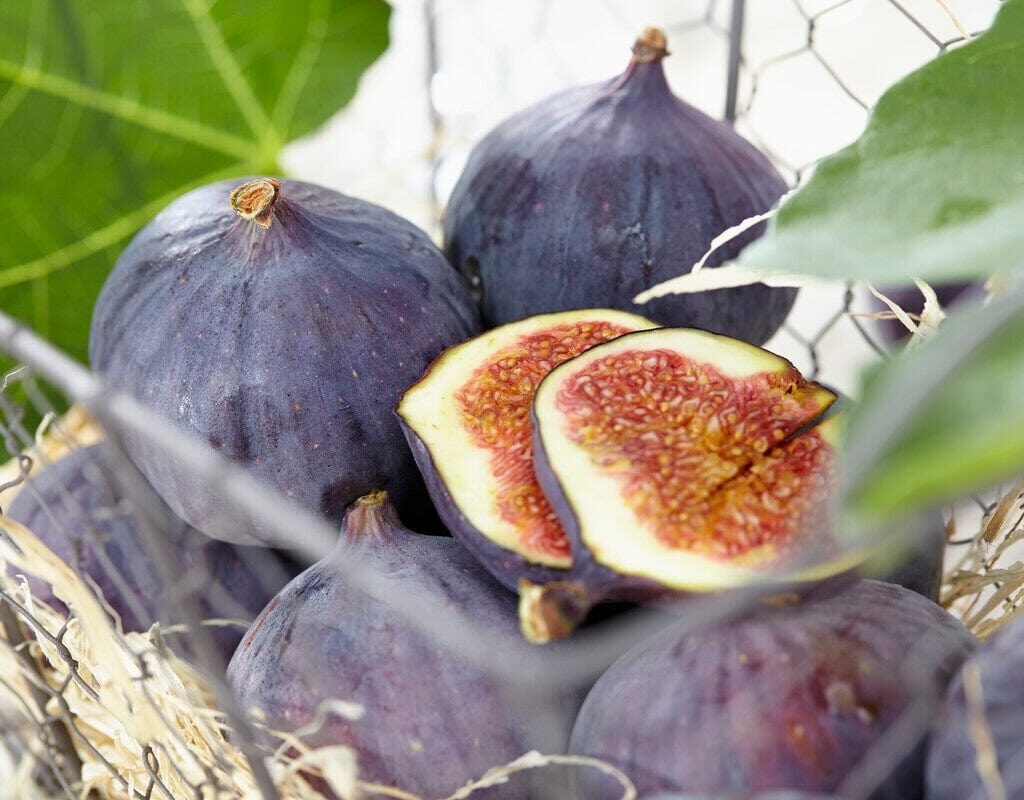
Figs are not just delicious — they’re also among the easiest fruit trees to grow, especially in warm and temperate climates. Here’s why growing a fig tree at home is such a rewarding experience:
- Low maintenance: Fig trees adapt well to a variety of soils and require minimal care once established.
- Fast fruiting: Many fig varieties begin to produce fruit within two years of planting.
- Nutrient-rich fruit: Figs are packed with fiber, calcium, potassium, and antioxidants.
- Compact and versatile: They grow beautifully in containers or directly in the ground, making them suitable for small spaces.
- Decorative appeal: With their broad, lush leaves, fig trees add beauty and shade to any garden.
2. Choosing the Right Fig Variety
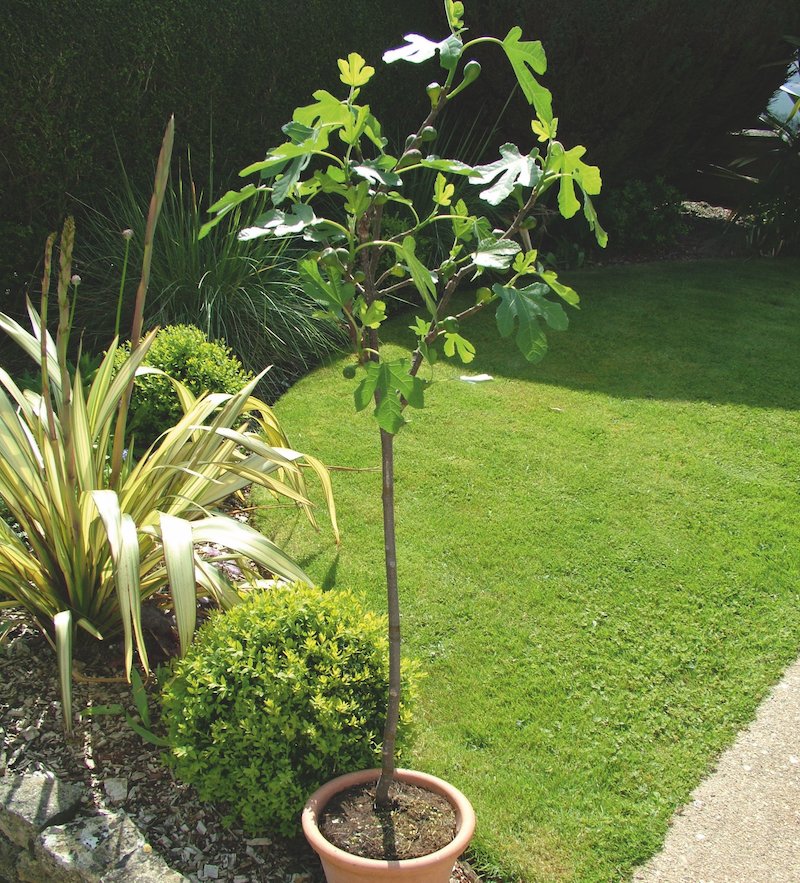
Before planting, you’ll need to select a fig variety suited to your local climate and growing space. There are two main types of figs: common figs (which self-pollinate) and Caprifigs (which require pollination by fig wasps — not ideal for home gardens).
For home gardeners, common fig varieties are best. Some popular choices include:
- ‘Brown Turkey’: Cold-hardy, reliable, and produces sweet fruit with a light brown skin.
- ‘Black Mission’: One of the most popular figs; dark purple skin with rich, honeyed flavor.
- ‘Kadota’: Pale green-yellow skin with a mild, sweet taste — great for preserves.
- ‘Celeste’: Small, brownish-purple fruit; very sweet and cold-tolerant.
- ‘Chicago Hardy’: Extremely cold-hardy and productive — perfect for northern climates.
If you’re new to fig growing, start with one of these reliable, self-pollinating varieties.
3. Where to Plant a Fig Tree
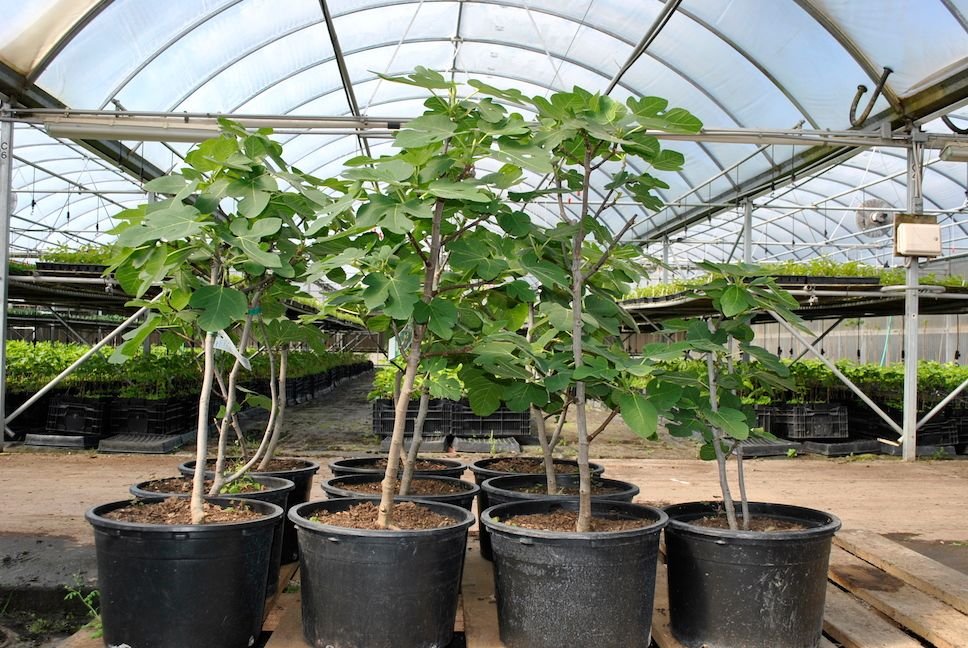
Figs thrive in warm, sunny locations. When choosing a spot in your garden or balcony, keep the following in mind:
- Sunlight: Choose a location that gets at least 6–8 hours of direct sunlight daily.
- Shelter: Protect the tree from strong winds and frost. Plant near a wall or fence if possible, which also helps reflect heat.
- Space: Figs can spread widely — if planting in the ground, give each tree 10–15 feet of space from other plants or structures.
- Container growing: If you’re short on space, grow your fig in a large container (at least 18–24 inches wide and deep). Containers also help control size and make overwintering easier.
4. Preparing the Soil
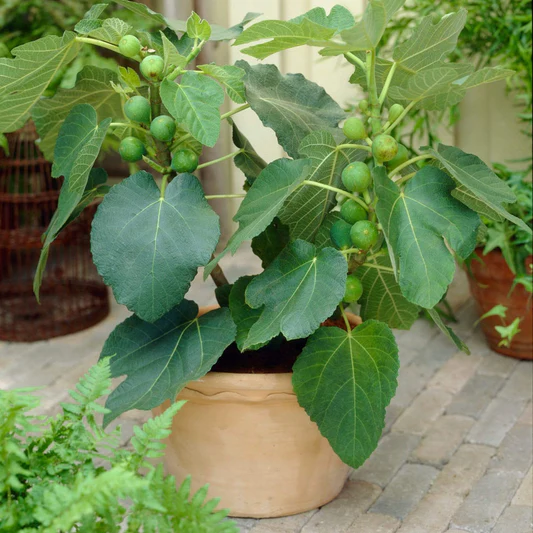
Figs prefer well-draining soil that’s slightly acidic to neutral (pH 6.0–7.0). They don’t tolerate waterlogged roots, so proper soil preparation is key.

Steps for preparing the soil:
- Loosen the soil: Dig a hole about twice the size of the root ball.
- Add organic matter: Mix compost, aged manure, or leaf mold into the soil to improve fertility and drainage.
- Enhance drainage: If your soil is heavy clay, add sand or perlite to prevent water stagnation.
- In containers: Use a mix of garden soil, compost, and coco peat or perlite for lightness.
Tip: Avoid adding chemical fertilizers during planting, as they can burn young roots.
5. How to Plant a Fig Tree
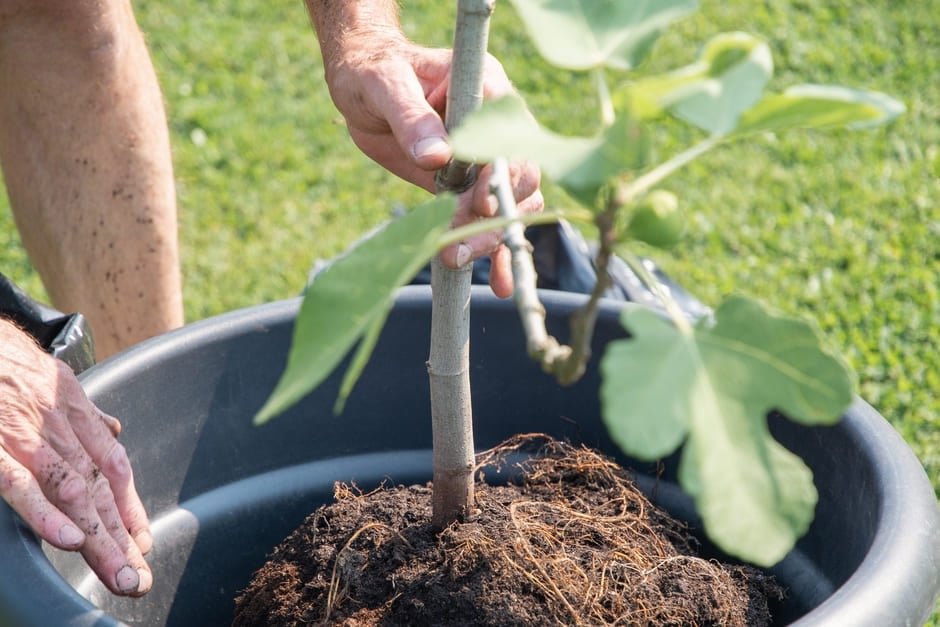
Once your soil and location are ready, it’s time to plant your fig tree. Here’s how to do it step-by-step:
Step 1:
Dig a hole about 2–3 times wider and slightly deeper than the root ball of your fig plant.
Step 2:
Carefully remove the fig from its container and loosen the roots gently.
Step 3:
Place the tree in the hole so that the top of the root ball sits level with the ground surface.
Step 4:
Fill the hole with soil and gently firm it around the base.
Step 5:
Water thoroughly after planting to settle the soil around the roots.
Step 6:
Mulch around the base with dry leaves, straw, or wood chips to retain moisture and control weeds — but keep mulch away from the trunk to prevent rot.
If planting in a container, ensure there are drainage holes and place the pot in full sunlight.
6. Watering and Feeding
Figs love consistent moisture, especially during their growing and fruiting seasons (spring through early autumn). However, overwatering can cause root rot and fruit splitting.
Watering Tips:
- Water deeply once or twice a week during dry spells.
- Let the top inch of soil dry out between waterings.
- Reduce watering in winter when the plant is dormant.
Feeding Tips:
- Feed young fig trees with a balanced organic fertilizer (10-10-10) once a month during the growing season.
- Mature trees usually need little feeding unless growth is poor.
- Avoid excess nitrogen — it promotes leaf growth at the expense of fruiting.
Organic compost or seaweed extract can also provide slow-release nutrients naturally.
7. Pruning and Training Your Fig Tree
Pruning is essential for shaping your fig tree, improving air circulation, and encouraging fruiting.
When to prune:
- In late winter or early spring, before new growth starts.
- Remove dead, weak, or crossing branches.
How to prune:
- For young trees, prune to establish 3–4 main branches forming an open, vase-like structure.
- For older trees, cut back long shoots to control height and spread.
- Remove suckers that emerge from the base, as they divert nutrients from fruit production.
Container-grown figs can be pruned more aggressively to maintain a compact shape.
8. Common Problems and How to Fix Them
Even though figs are relatively low-maintenance, you may encounter a few issues:
1. Dropping fruit: Often caused by overwatering, sudden temperature changes, or lack of pollination. Adjust watering and ensure consistent sunlight.
2. Yellowing leaves: May result from overwatering or nutrient deficiency. Check soil moisture and apply compost if needed.
3. Pests: Watch for fig wasps, scale insects, aphids, and spider mites. Use neem oil or organic insecticidal soap as needed.
4. Birds and squirrels: Cover ripening fruit with netting to protect your harvest.
5. Winter damage: In colder regions, wrap the trunk with burlap or move container figs indoors during winter.
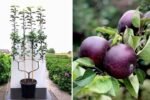
9. Harvesting Fresh Figs
Fig trees usually produce fruit in late summer to early autumn, depending on variety and climate. Some trees even bear two crops — a small early crop (called the “breba” crop) and a main crop later in the season.
How to tell when figs are ready to harvest:
- The fruit changes color (green to brown, purple, or yellow depending on variety).
- Figs feel soft to the touch and droop slightly on their stems.
- When picked, a small drop of nectar may appear at the fruit’s base.
To harvest, gently twist the fig from the branch — avoid pulling, as ripe figs are delicate and can tear easily.
Enjoy your figs fresh, or dry them for long-term storage. Fresh figs also make delicious additions to salads, desserts, or even savory dishes like roasted meats and cheese platters.
10. Propagating Fig Trees from Cuttings
Once you have a healthy fig tree, you can easily propagate new ones from cuttings. Here’s how:
- Take 6–8 inch cuttings from healthy branches during late winter.
- Dip the cut end in rooting hormone powder.
- Plant in a pot filled with a mixture of soil and sand or perlite.
- Keep the medium moist and warm (around 20–25°C).
- Roots should form within 4–6 weeks.
Once rooted, transfer the new plant into a larger pot or garden bed.
11. Growing Figs in Containers
If you live in a cold region or lack space, growing figs in containers is a perfect option.
Container Growing Tips:
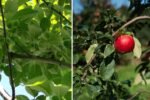
- Choose a large pot (at least 18 inches deep) with drainage holes.
- Use well-draining soil mixed with compost.
- Place in a sunny location — patios or balconies work great.
- Water regularly but don’t let the roots sit in water.
- Repot every 2–3 years to refresh soil and trim roots.
Container figs may need more frequent watering and feeding but are easier to protect during cold weather.
12. Health Benefits of Fresh Figs
Fresh figs are not only delicious but also highly nutritious. Eating home-grown figs provides:
- Rich fiber content – supports digestion and gut health.
- High potassium and calcium – strengthens bones and regulates blood pressure.
- Natural sugars – provide instant energy.
- Antioxidants – combat inflammation and boost immunity.
Adding fresh figs to your diet is a great way to enjoy sweetness naturally while gaining valuable nutrients.
13. Final Thoughts
Planting a fig tree at home is one of the most satisfying gardening projects you can undertake. These trees reward your care with shade, beauty, and sweet, luscious fruits that taste far superior to store-bought ones.
By choosing the right variety, preparing well-draining soil, providing consistent sunlight, and maintaining simple watering and pruning routines, you can enjoy a healthy, fruit-bearing fig tree for many years.
Whether you’re growing in a pot on your balcony or planting directly in your backyard, remember — figs thrive on a little love and plenty of sunshine. Soon, you’ll be savoring the joy of eating your very own fresh figs, straight from the tree to your table.

Leave A Comment