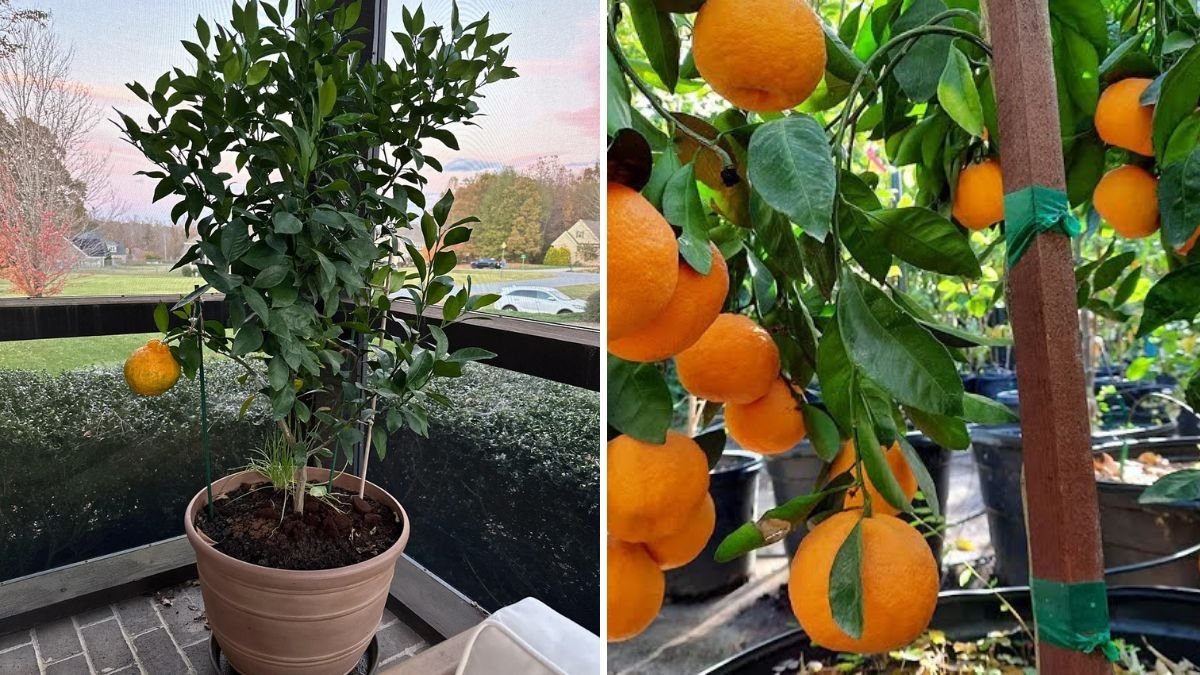
There’s nothing quite like the joy of picking juicy, sun-ripened mandarins straight from your own tree. Their sweet aroma, vibrant orange color, and refreshing taste make them one of the most beloved citrus fruits. But did you know that with the right care and organic methods, you can grow a ton of mandarins on a single tree?
Whether you’re growing mandarins in your backyard or in a large container, it’s absolutely possible to achieve heavy fruiting naturally — without using chemical fertilizers or harmful pesticides. In this detailed guide, you’ll learn five proven organic tips to grow a highly productive mandarin tree that will reward you with baskets of sweet, fragrant fruits year after year.
1. Choose the Right Variety and Healthy Plant to Start With
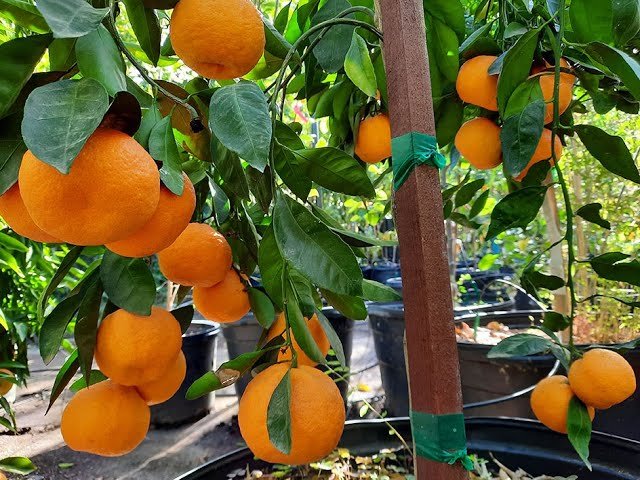
If your goal is to grow an abundantly fruiting mandarin tree, it all begins with selecting the right variety and healthy sapling.
Best Mandarin Varieties for High Yields:
- ‘Satsuma’ Mandarin: Cold-hardy, early fruiting, and known for its heavy yield.
- ‘Clementine’ Mandarin: Produces small, seedless, and super-sweet fruits.
- ‘Dancy’ Mandarin: A popular variety that bears lots of medium-sized fruit.
- ‘Honey’ or ‘Murcott’ Mandarin: Compact and ideal for containers or small gardens.
Whenever possible, buy a grafted tree from a reputable nursery. Grafted plants mature faster and are more productive than seed-grown trees. Seedlings can take up to 7 years to bear fruit, while grafted mandarins start producing within 2–3 years.
Tip: Before planting, inspect the leaves and stems carefully. Avoid trees with yellowing foliage, pest damage, or signs of rot. A strong, healthy start sets the foundation for a lifetime of abundant harvests.
2. Create the Perfect Growing Environment
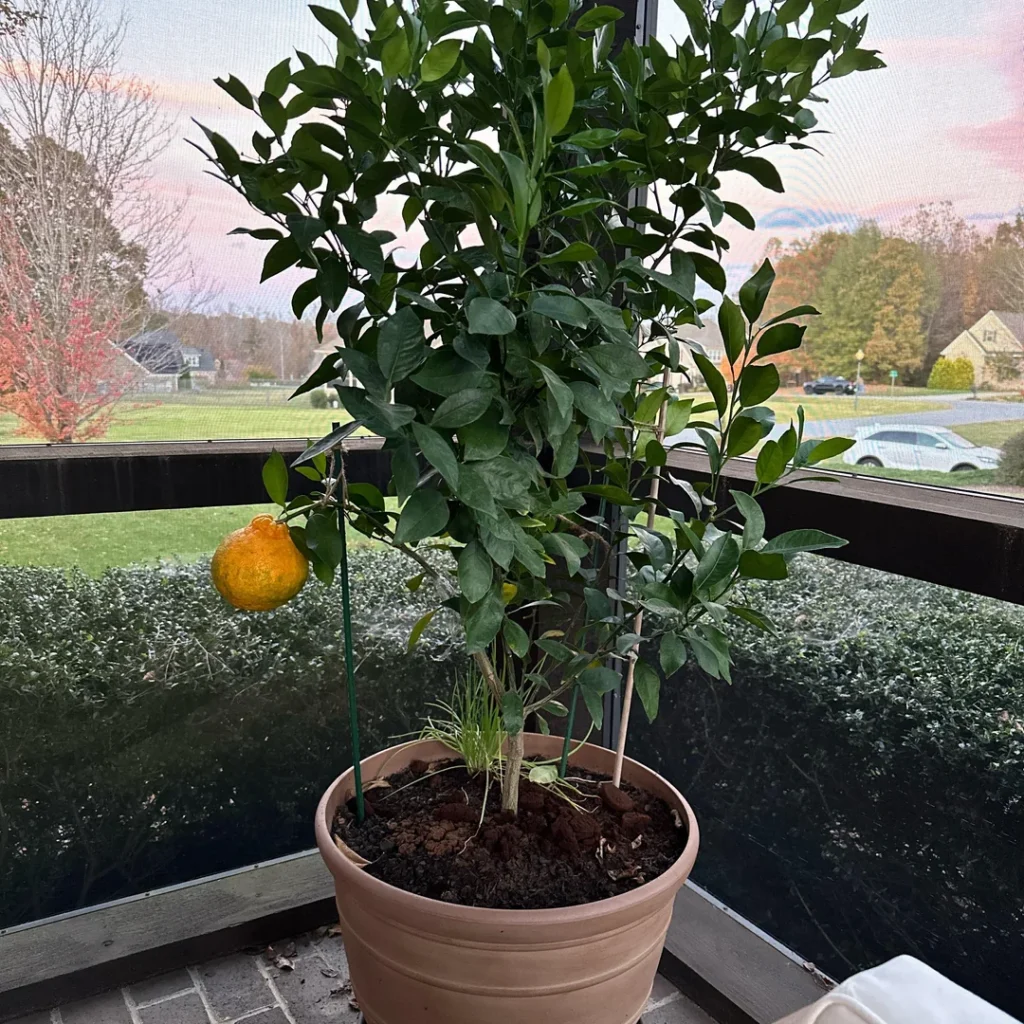
Mandarins thrive in warm, sunny conditions, so giving your tree the right environment is crucial for maximizing fruit production.

Soil Requirements
Mandarins prefer well-draining, fertile soil that’s slightly acidic (pH 6–7). To create ideal conditions, prepare the planting area or potting mix with:
- 1 part garden soil
- 1 part organic compost or well-rotted cow manure
- 1 part coarse sand or perlite for drainage
If growing in the ground, choose a location that gets 6–8 hours of sunlight daily and has good air circulation. Avoid waterlogged areas — mandarins hate “wet feet.”
Container Growing Tips
If you’re growing in pots, select a container that’s at least 20–24 inches wide and deep with several drainage holes. Use organic potting mix enriched with compost, coco peat, and bio-fertilizers like neem cake or bone meal.
Pro Tip: Place a layer of pebbles or gravel at the bottom of the pot to improve drainage and prevent root rot.
3. Feed Your Tree Organically for Maximum Fruit Production
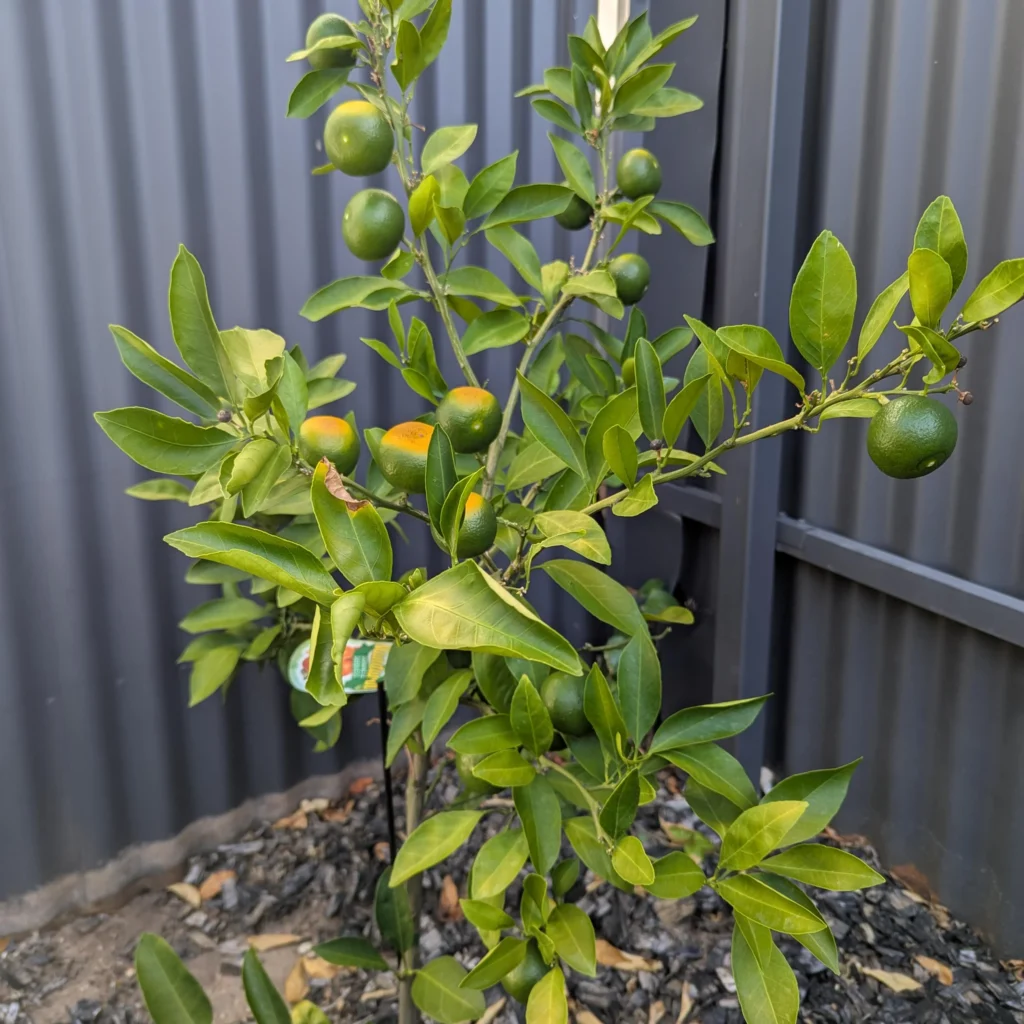
The secret to a tree loaded with mandarins is consistent organic feeding throughout the year. Chemical fertilizers can cause nutrient imbalance, while organic matter enriches the soil naturally, enhancing fruit size and sweetness.
Organic Feeding Schedule:
1. Early Spring (Growth Stage):
- Apply a mixture of vermicompost and cow manure around the base.
- Add 1 tablespoon of bone meal or fish emulsion to boost nitrogen and phosphorus.
2. Summer (Flowering & Fruit Set):

- Spray liquid seaweed extract or compost tea every 15 days to strengthen blooms and prevent fruit drop.
- Mix wood ash or banana peel powder into the soil for natural potassium, which promotes sweeter fruits.
3. Autumn (Fruit Development):
- Add a handful of organic citrus fertilizer or neem cake powder to maintain nutrient balance.
4. Winter (Dormancy):
- Limit feeding; apply a light layer of compost to protect the roots.
Bonus Tip: Mulch the base with dry leaves, straw, or coco husk to retain soil moisture, regulate temperature, and encourage beneficial microbes.
4. Master the Art of Pruning and Flower Management
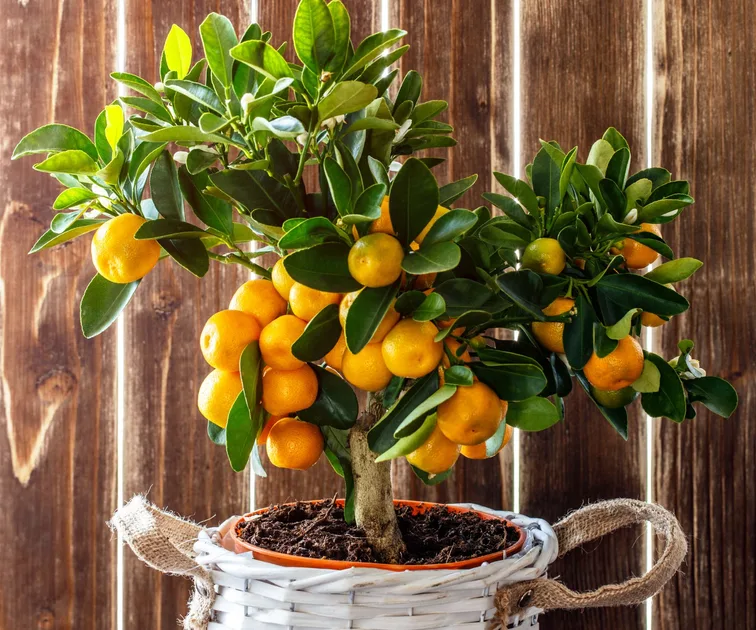
Pruning isn’t just about shaping your mandarin tree — it’s one of the most important steps in promoting heavy fruiting.
How Pruning Boosts Mandarin Yield:
- It improves air circulation and sunlight penetration.
- It redirects the plant’s energy from excess branches to fruit development.
- It reduces disease risks and pest infestations.
Pruning Steps:
- Remove any dead, diseased, or crossing branches using sterilized pruning shears.
- Cut away suckers or shoots growing below the graft line.
- Lightly thin out the inner branches to let sunlight reach the center.
- After fruiting season, prune back overgrown shoots by one-third of their length.
Flower Management:
When your mandarin tree blooms heavily, it might produce hundreds of tiny flowers. While it’s tempting to let them all fruit, the tree’s energy can get divided, resulting in small or underdeveloped mandarins.
During early flowering, pinch off some buds, allowing the tree to focus on fewer but larger, juicier fruits. This selective thinning technique ensures higher-quality harvests.

5. Keep It Pest-Free and Healthy — The Organic Way
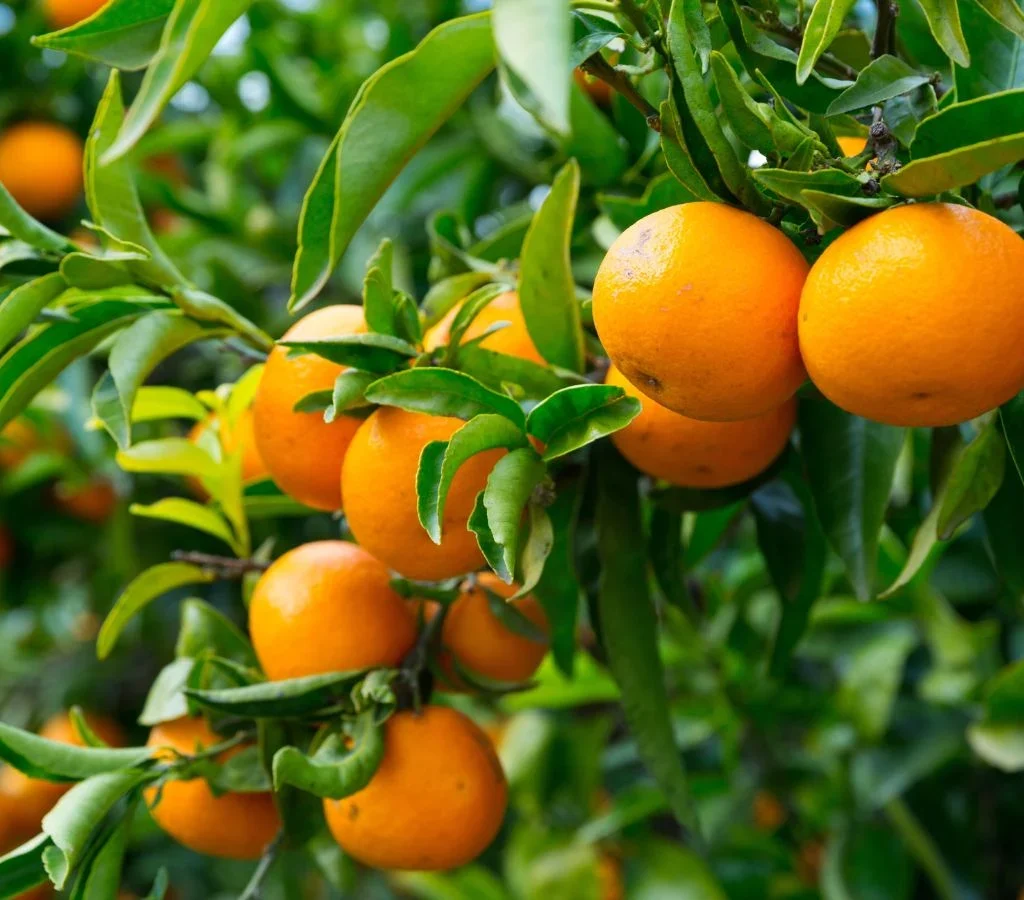
Even the healthiest mandarin trees can attract pests like aphids, spider mites, and whiteflies. The key to growing a ton of mandarins organically is to prevent infestations naturally — without harming beneficial insects like bees.
Common Mandarin Pests:
- Aphids: Cause curling leaves and sticky residue.
- Whiteflies: Drain plant sap, leading to yellowing leaves.
- Spider Mites: Create webbing on leaves during dry conditions.
- Leaf Miners: Burrow into leaves, causing tunnels or streaks.
Organic Pest Control Solutions:
- Neem Oil Spray: Mix 1 tablespoon neem oil with 1 liter of water and a few drops of mild soap. Spray once every 7–10 days on both sides of the leaves.
- Garlic-Chili Spray: Blend 5 cloves of garlic and 2 chilies with 1 liter of water, strain, and spray as a natural repellent.
- Insecticidal Soap: Gently wipe affected leaves to remove pests manually.
Encourage beneficial insects like ladybugs and lacewings, which prey on pests naturally.
Bonus: Pollination and Fruit Care Tips
Even though mandarin trees are self-pollinating, boosting pollination can dramatically increase yield.
- For Outdoor Trees: Attract pollinators by planting bee-friendly herbs like basil, lavender, or marigold nearby.
- For Indoor or Balcony Trees: Hand-pollinate using a soft brush or cotton swab. Gently transfer pollen from one flower to another.
Fruit Care:
Once fruits start forming, ensure consistent watering. Irregular moisture causes fruit cracking or premature drop. When mandarins begin turning orange, reduce watering slightly to enhance sweetness.
6. Watering for Juicy, Sweet Fruits
Water plays a major role in both fruit size and flavor. Mandarins need regular watering, but too much moisture can suffocate the roots.
Watering Schedule:
- Spring and Summer: Water every 2–3 days, keeping the top 1–2 inches of soil moist.
- Fall and Winter: Reduce to once a week or when the soil feels dry.
Avoid overhead watering that wets the leaves; instead, water directly at the base. Always check the soil before watering again.
Pro Tip: Use rainwater or filtered water when possible — mandarins are sensitive to chlorine and salts found in tap water.
7. Harvesting at the Right Time
After months of care, your tree will reward you with bright, orange fruits that signal harvest time.
Signs of Ripeness:
- The peel turns vibrant orange with no green patches.
- The fruit feels slightly soft to touch.
- The fruit emits a sweet citrus fragrance.
Use scissors or pruning shears to cut mandarins from the stem instead of pulling them, which can damage branches.
Harvest Period:
Mandarins typically ripen between November and February, depending on the variety and climate. A single healthy tree can yield 50–100 pounds of fruit annually under good care!
8. Protecting Your Tree During Winter
Mandarin trees love warmth and sunlight but are sensitive to frost. During cold months:
- Move potted trees indoors or to a greenhouse.
- Cover outdoor trees with a frost cloth at night.
- Mulch heavily around the base to protect roots from freezing.
Keep the temperature above 10°C (50°F) for optimal health.
Final Thoughts
Growing a ton of mandarins on one tree isn’t magic — it’s about understanding your plant’s needs and nurturing it with organic care. By following these five proven tips — choosing the right variety, providing nutrient-rich soil, feeding organically, pruning smartly, and protecting your tree naturally — you’ll enjoy massive harvests of sweet, juicy mandarins season after season.

Organic gardening doesn’t just give you healthier fruit; it gives you peace of mind. No chemicals, no artificial boosters — just nature doing its best work with your help.

Leave A Comment