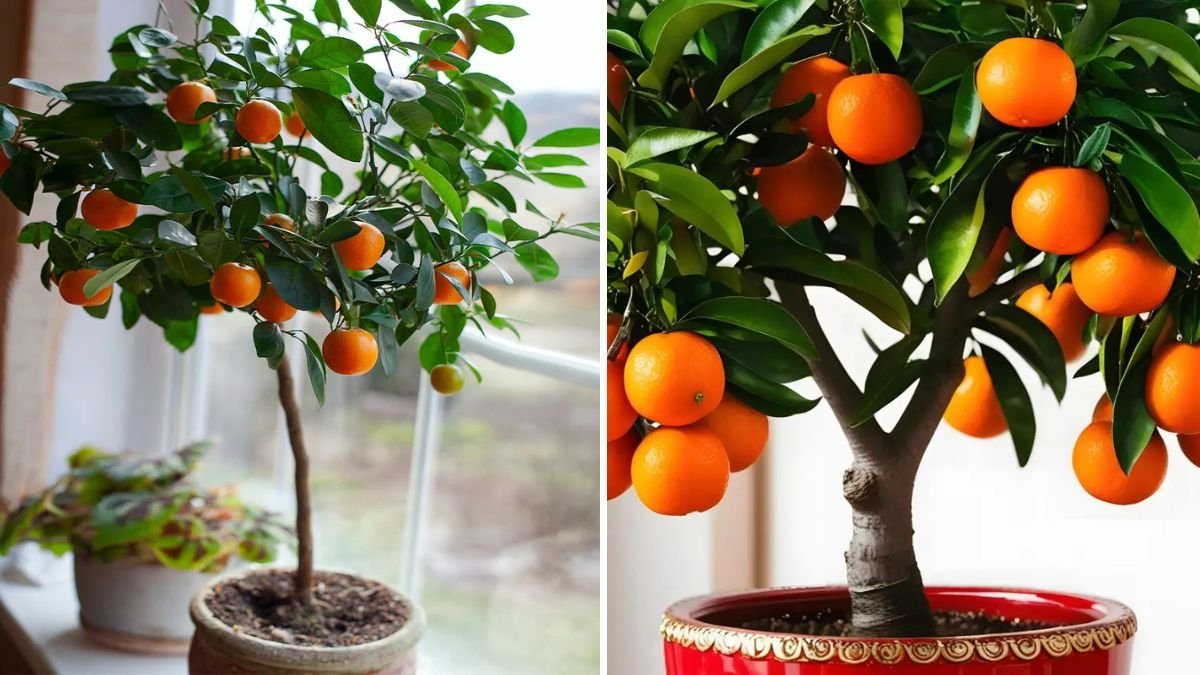
Clementine trees, with their glossy green leaves, fragrant white flowers, and juicy, seedless fruits, are among the most rewarding citrus trees you can grow. Whether you have a sunny balcony, a cozy living room corner, or a small backyard, these delightful trees can thrive both indoors and outdoors with the right care.
If you’ve always wanted to enjoy the fresh, tangy-sweet flavor of homegrown clementines, this guide will walk you through everything — from planting and soil preparation to watering, pruning, and harvesting. Let’s dive into this detailed beginner’s guide to growing Clementine trees indoors and outdoors successfully.
1. Why Grow Clementine Trees at Home?
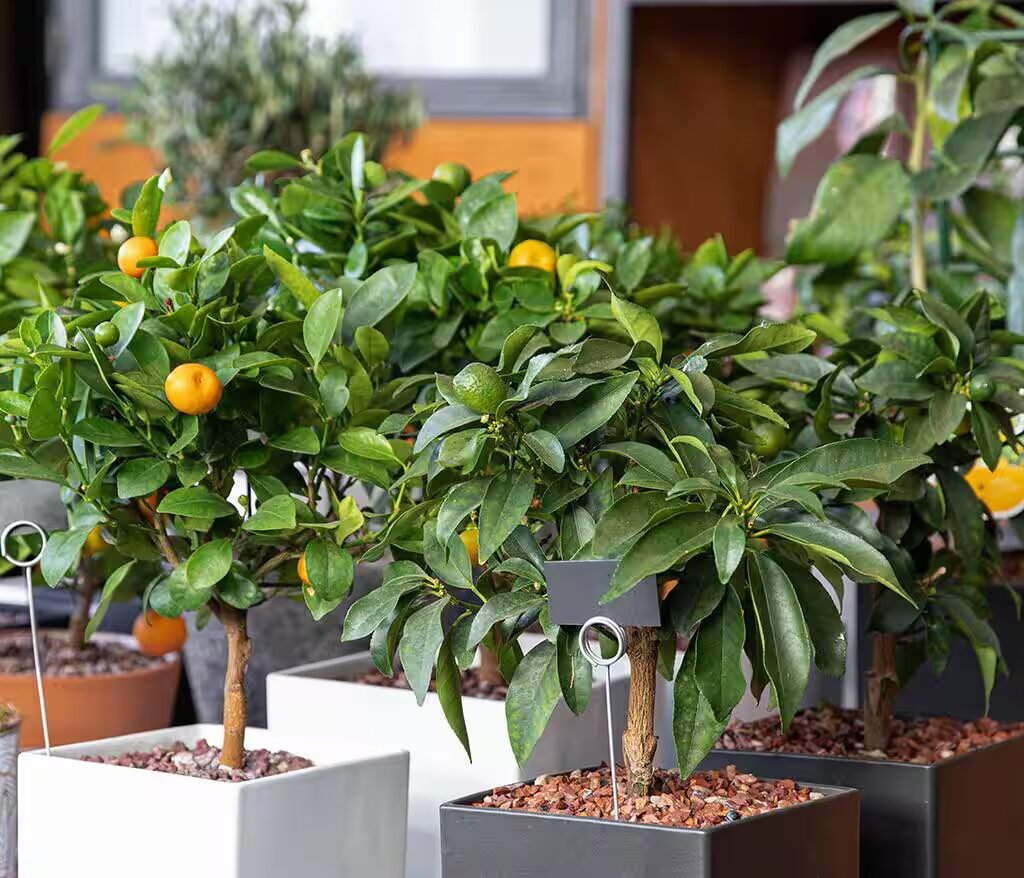
Growing your own clementine tree is not just about harvesting delicious fruit — it’s also about adding life and fragrance to your space. Clementine trees are compact, ornamental, and easy to care for, making them ideal for beginners.
Here are some top reasons to grow them:
- Space-Friendly: Dwarf clementine varieties are perfect for pots or small gardens.
- Aromatic Appeal: The blossoms release a heavenly citrus fragrance that freshens the air indoors.
- Year-Round Beauty: Evergreen foliage and colorful fruit make them visually stunning all year long.
- Homegrown Flavor: Freshly picked clementines are sweeter, juicier, and richer in flavor than store-bought ones.
Whether you’re a city gardener or a countryside grower, a potted clementine tree brings a refreshing burst of sunshine into your home.
2. Choosing the Right Clementine Variety
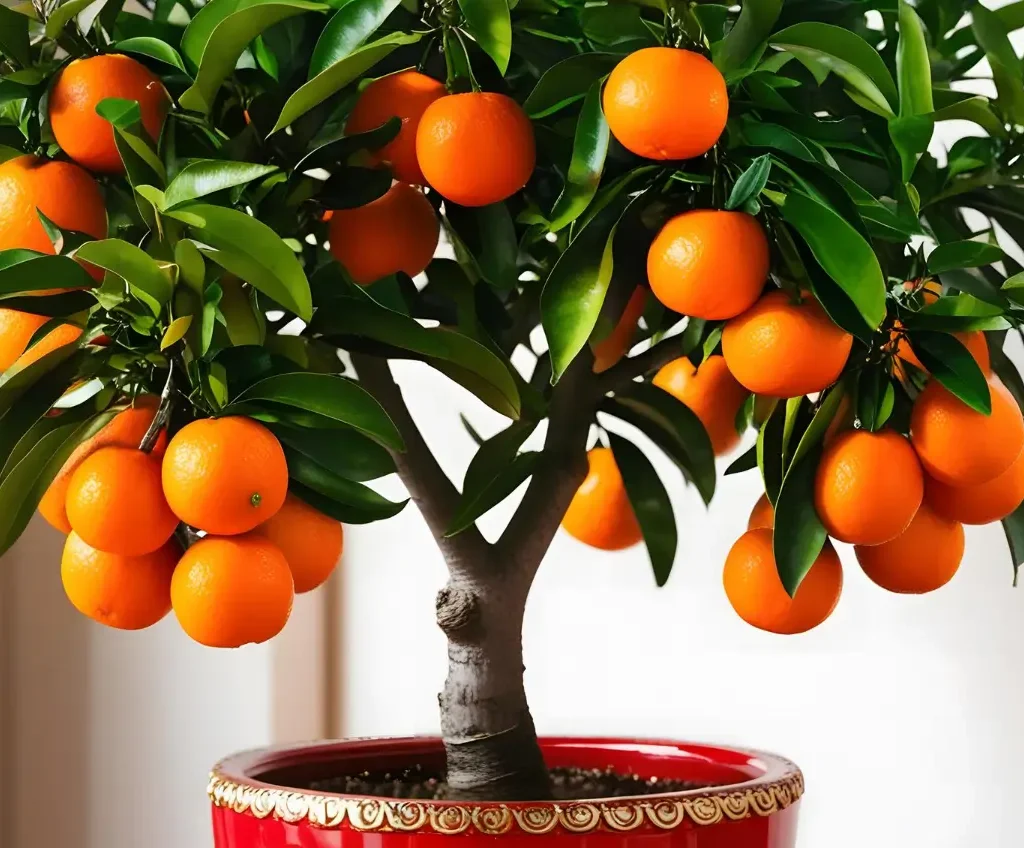
To ensure success, it’s best to start with a dwarf or semi-dwarf variety suitable for container growing. Popular options include:
- ‘Clementine de Nules’ – A classic variety with sweet, seedless fruit and compact growth.
- ‘Algerian Clementine’ – Great for outdoor planting in warmer climates; known for early fruiting.
- ‘Nules’ – A high-yielding dwarf variety ideal for indoor pots.
Look for grafted trees from a nursery rather than starting from seed — grafted plants produce fruit in 2–3 years, while seed-grown ones may take 6–7 years or more.
3. The Perfect Pot and Location
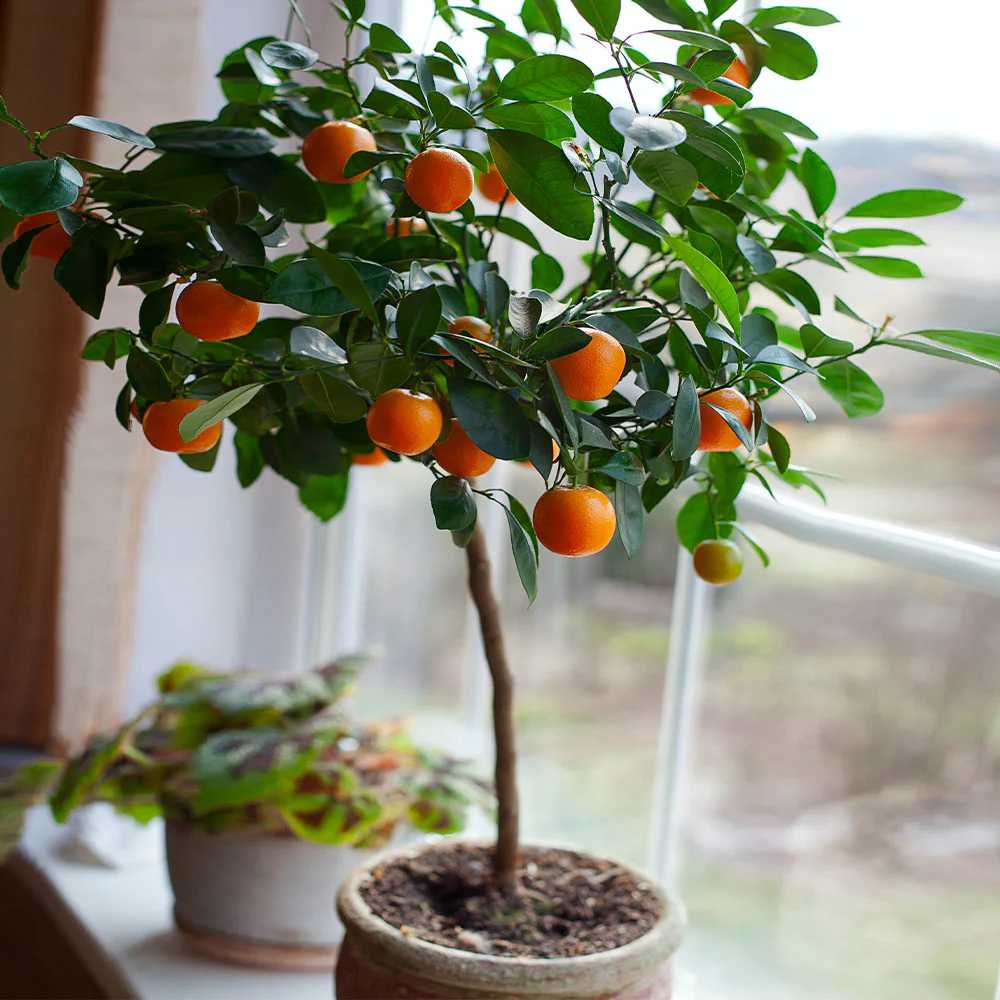
Clementines grow well in pots as long as you provide good drainage and adequate sunlight.
Pot Requirements:

- Use a 20–24 inch wide pot with several drainage holes.
- Choose lightweight materials like plastic, ceramic, or fiberglass for easy movement.
- Add a layer of pebbles or broken terracotta at the bottom to prevent waterlogging.
Ideal Location:
- Indoors: Place near a south-facing window where the tree gets at least 6–8 hours of sunlight daily.
- Outdoors: Position the pot in a sunny spot, sheltered from strong winds.
If you live in a cooler region, you can keep the tree outdoors in summer and move it indoors during winter.
4. Preparing the Right Soil Mix
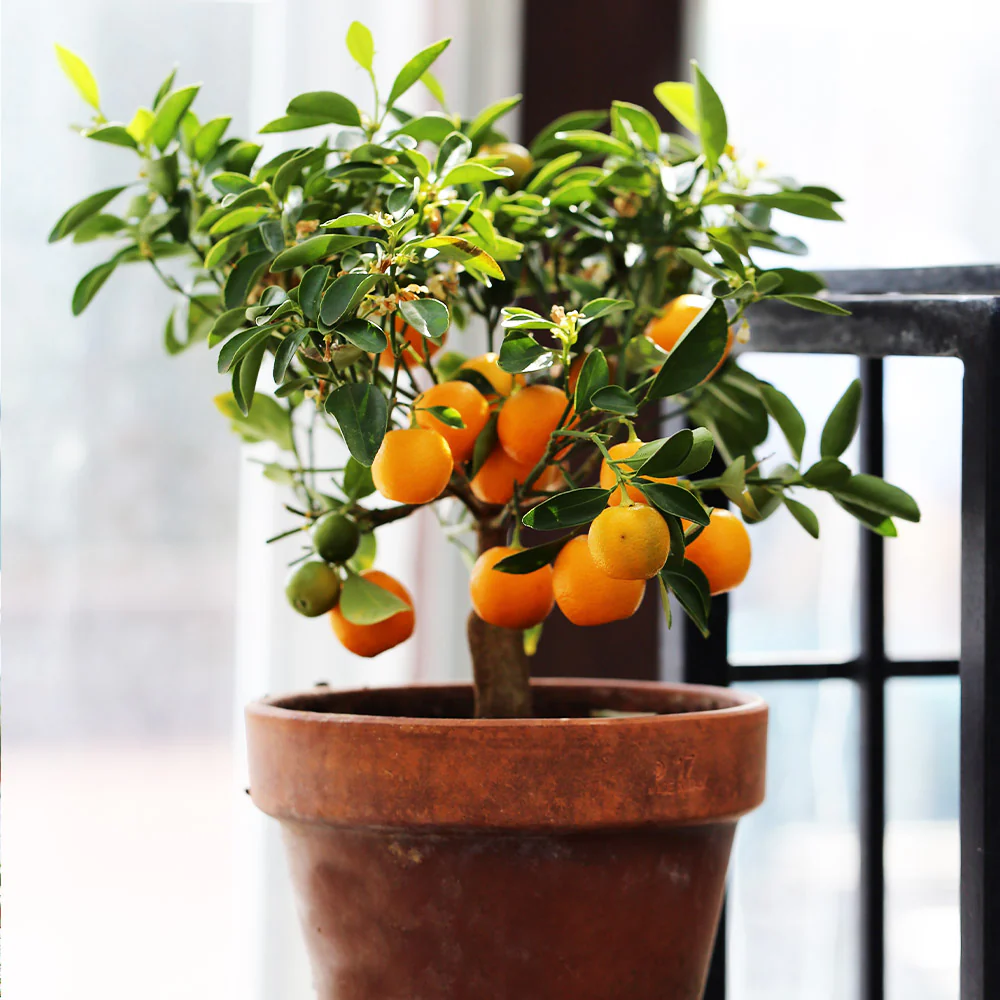
Clementine trees prefer well-draining, slightly acidic soil (pH 6–7). A good mix ensures the roots stay healthy and oxygenated.
DIY Potting Mix Recipe:
- 1 part high-quality garden soil or compost
- 1 part coco peat or peat moss (for moisture retention)
- 1 part perlite or coarse sand (for drainage)
- Add a handful of organic compost or citrus fertilizer
Avoid dense, clay-heavy soils that hold water. Good drainage is essential to prevent root rot.
5. How to Plant Your Clementine Tree
Once your pot and soil mix are ready, planting is simple:
- Fill the pot halfway with your soil mix.
- Carefully place the young clementine tree in the center.
- Fill around the roots, keeping the graft line (the swollen joint on the stem) above soil level.
- Press gently to remove air pockets.
- Water deeply until water flows out of the drainage holes.
Tip: Add a thin mulch layer (like dry leaves or straw) to retain soil moisture and regulate temperature.
6. Watering Schedule
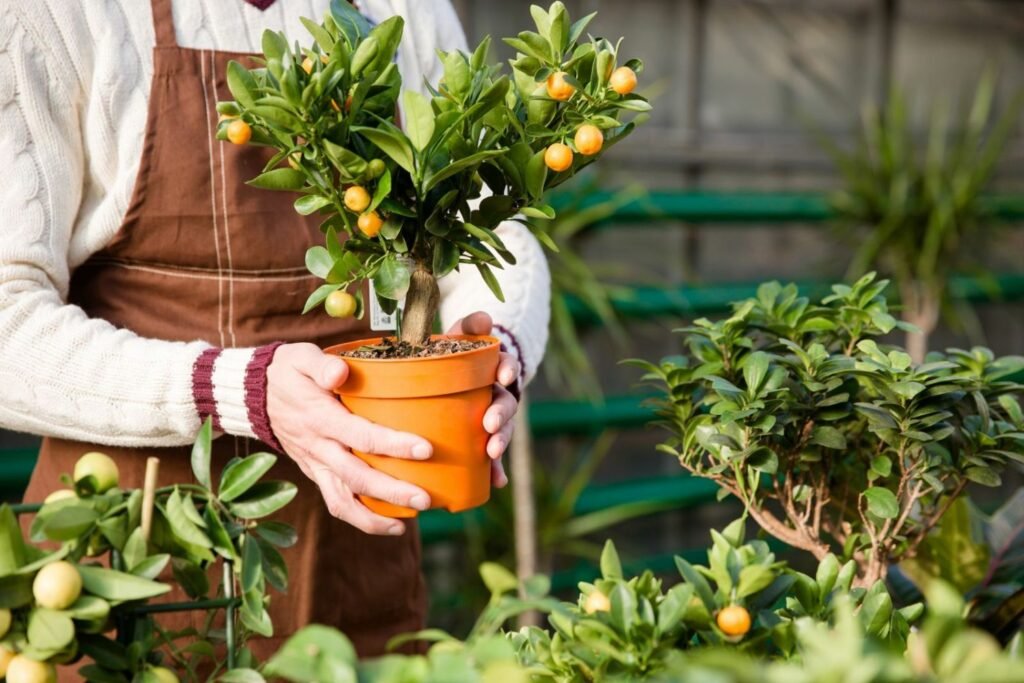
Clementine trees love consistent moisture but dislike sitting in soggy soil. The goal is to keep the soil evenly moist, not wet.
Watering Guidelines:
- Water every 2–3 days in warm weather.
- During winter, reduce watering to once a week.
- Always check the top inch of soil — if it feels dry, it’s time to water.
Avoid overwatering, which causes yellow leaves and root rot. If the leaves droop slightly, that’s a sign the plant needs water.
7. Feeding and Fertilization
To get healthy foliage and sweet fruits, your clementine tree needs regular feeding.
Fertilizer Schedule:
- Spring: Apply a balanced fertilizer (10-10-10 NPK) every 4–6 weeks.
- Summer: Use a citrus fertilizer rich in micronutrients like magnesium, zinc, and iron.
- Fall: Add potassium-rich fertilizer to support fruit development.
Organic options like vermicompost, bone meal, or liquid seaweed extract are also excellent for sustained nutrition.
Tip: Avoid over-fertilizing, as too much nitrogen can encourage leafy growth but reduce fruit yield.
8. Sunlight and Temperature Needs
Clementines are sun-loving plants. Ensure they get at least 6–8 hours of sunlight daily for strong growth and fruiting.
- Ideal Temperature: Between 15°C and 30°C (59°F–86°F).
- Winter Protection: If temperatures drop below 10°C (50°F), bring the pot indoors or cover it with a frost cloth.
If growing indoors, supplement natural light with LED grow lights during short winter days.
9. Pollination Tips
Clementine trees are self-pollinating, meaning they can produce fruit without another tree. However, hand pollination can increase yield, especially for indoor plants.
To Hand Pollinate:
- Use a soft brush or cotton swab.
- Gently collect pollen from one flower and brush it onto another.
- Repeat this for several flowers to boost fruit set.
If your tree is outdoors, bees and other pollinators will handle this naturally.
10. Pruning and Maintenance
Pruning keeps your tree healthy, compact, and full of fruit.
When to Prune:
- Early spring, before new growth begins.
- After harvesting, to shape the plant and remove old wood.
How to Prune:
- Remove any dead, damaged, or crossing branches.
- Trim off shoots growing from below the graft union.
- Lightly thin out the canopy to improve air circulation.
Regular pruning encourages better light penetration and stronger fruiting.
11. Common Problems and Solutions
Clementine trees are relatively hardy, but they can face a few challenges:
1. Yellow Leaves:
- Caused by overwatering or lack of nutrients.
- Solution: Adjust watering schedule and add a citrus fertilizer.
2. Leaf Drop:
- Often due to sudden temperature changes or low humidity.
- Solution: Mist the leaves regularly and maintain stable indoor conditions.
3. Pests (Aphids, Spider Mites, Whiteflies):
- Spray neem oil or insecticidal soap once a week.
4. No Fruits:
- Caused by insufficient sunlight or nutrients.
- Solution: Move the plant to a sunnier spot and feed with a potassium-rich fertilizer.
12. Harvesting Your Clementines
Clementine trees generally start bearing fruit 2–3 years after planting (if grafted). The fruits typically mature in late autumn to winter.
Signs of Ripeness:
- The peel turns bright orange and feels slightly loose.
- Fruits emit a sweet citrus aroma.
- When gently tugged, the fruit separates easily from the branch.
Harvest with pruning shears or scissors to avoid damaging branches.
Pro Tip: Leave the fruit on the tree a bit longer for sweeter flavor — they don’t continue ripening after picking.
13. Winter Care for Indoor and Outdoor Trees
Clementines are sensitive to frost. Proper winter care is essential to keep your plant healthy through the cold season.
For Outdoor Trees:
- Move pots indoors or into a greenhouse if temperatures drop below 10°C (50°F).
- Wrap pots with burlap or bubble wrap to protect roots.
For Indoor Trees:
- Place near a sunny window or under grow lights.
- Reduce watering frequency.
- Avoid placing near heating vents that can dry out the leaves.
14. Repotting Your Clementine Tree
As your tree grows, repot it every 2–3 years to refresh the soil and allow root expansion.
Steps to Repot:
- Choose a new pot 2–3 inches wider than the previous one.
- Remove the tree gently and trim any circling roots.
- Refill with fresh soil mix and water thoroughly.
Repotting boosts nutrient availability and promotes new growth.
15. Enjoying Your Homegrown Clementines
Once your tree starts fruiting, you’ll enjoy a steady supply of juicy, seedless clementines — perfect for snacking, juicing, or adding to desserts and salads. Homegrown fruits taste richer and fresher than anything you’ll find at the market.
Final Thoughts
Growing clementine trees indoors or outdoors is one of the most rewarding gardening experiences. These cheerful citrus trees add color, fragrance, and freshness to your space while producing delicious fruits with minimal effort.
Remember: give your clementine tree plenty of sunlight, good drainage, consistent watering, and a touch of care, and it will reward you with sweet, fragrant harvests for years to come.

Leave A Comment