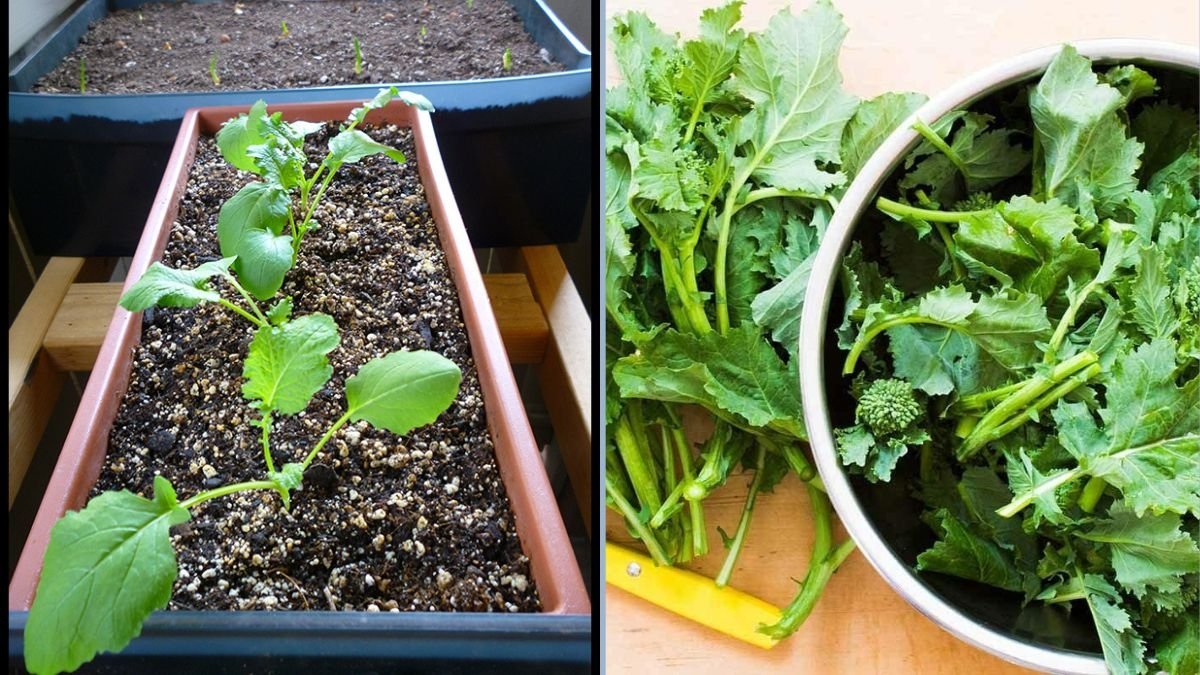
Broccoli Rabe, also known as Rapini, is a flavorful, leafy green vegetable loved for its slightly bitter taste and tender stems. Though it resembles broccoli, it’s actually more closely related to the turnip family. This cool-season vegetable is packed with vitamins A, C, and K, as well as minerals like calcium and iron, making it both a nutritious and delicious addition to any edible garden.
If you’ve been wanting to grow your own Broccoli Rabe at home, this detailed guide will walk you through everything — from sowing seeds to harvesting and enjoying your crop. Whether you have a garden bed, raised bed, or containers, Broccoli Rabe is easy to grow and rewarding to harvest.
Understanding Broccoli Rabe (Rapini)
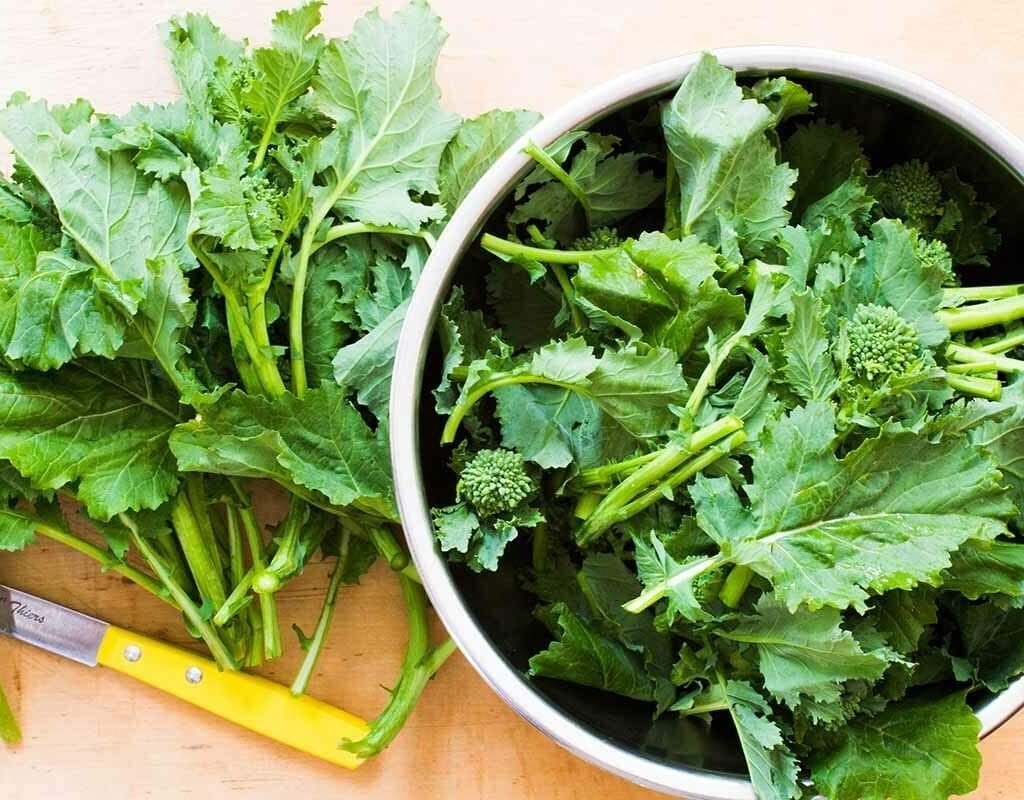
Before planting, it’s important to understand what makes Broccoli Rabe unique. Despite its name, this plant does not form large heads like traditional broccoli. Instead, it produces small florets on leafy stems, which are harvested young and tender. The flavor is earthy, nutty, and slightly peppery — similar to mustard greens or kale, but more delicate.
Broccoli Rabe is a fast-growing, cool-weather crop, typically ready for harvest within 40–60 days of planting. You can grow it in both spring and fall when temperatures are mild, as it tends to bolt (flower prematurely) in hot weather.
Step 1: Choosing the Right Variety
Several varieties of Broccoli Rabe are available, each with slightly different growing times and flavor profiles. Some popular ones include:
- Sessantina Grossa – Early maturing, great for spring planting.
- Spring Raab – Compact and fast-growing, ideal for container gardens.
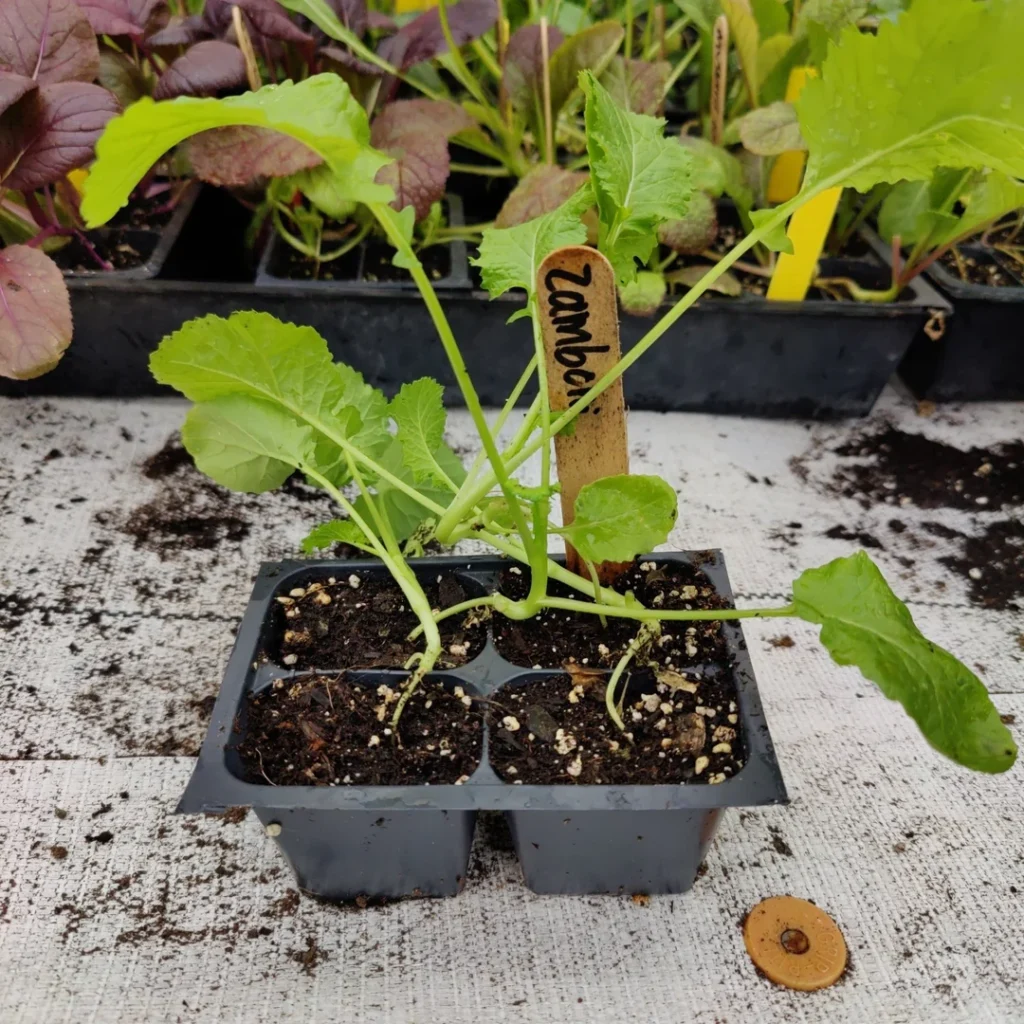
- Zamboni – Produces slightly larger florets and tender stems.
- Novantina – A slower-bolting variety, good for regions with fluctuating temperatures.
When selecting your seeds, consider your local climate and growing season. Early-maturing types work well for quick spring crops, while slower-bolting types are better suited for late-summer sowing for a fall harvest.
Step 2: Preparing the Soil
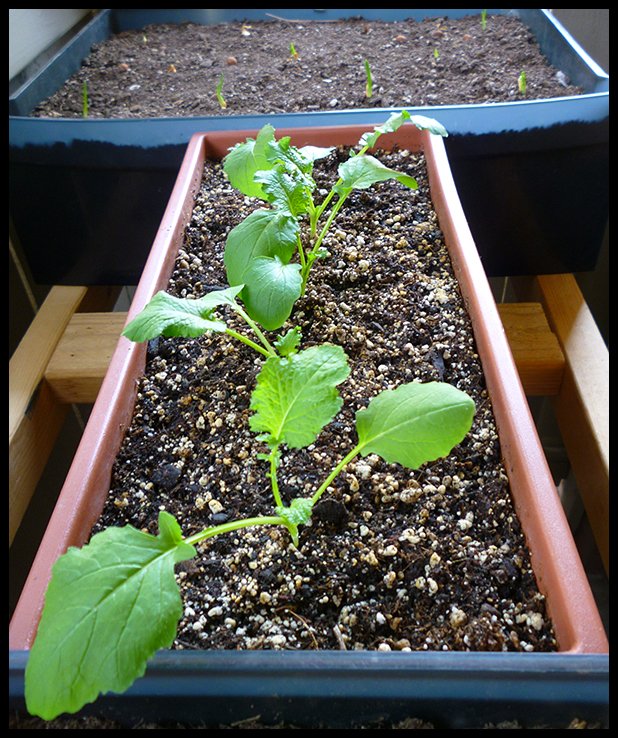
Broccoli Rabe thrives in rich, well-draining soil with a pH between 6.0 and 7.0. To give your plants the best start:
- Loosen the soil to a depth of at least 8–10 inches.
- Incorporate organic matter, such as compost or aged manure, to improve fertility and texture.
- If growing in containers, use a high-quality vegetable potting mix enriched with compost.
Avoid soil that retains too much water, as soggy roots can lead to fungal problems. If your garden tends to stay wet, consider raised beds or large pots to ensure proper drainage.
Step 3: Planting Broccoli Rabe Seeds
You can plant Broccoli Rabe directly in the garden or start it indoors a few weeks before transplanting.
Direct Sowing:
- Sow seeds ¼ to ½ inch deep and space them about 2–3 inches apart in rows 12–18 inches apart.
- Lightly cover with soil and gently water to settle the seeds.
- Keep the soil consistently moist but not waterlogged during germination.
Seeds usually sprout within 5–10 days, depending on the soil temperature.
Transplanting:
If you’re starting indoors, sow seeds in trays about 4–5 weeks before your last frost date. Once seedlings have a few true leaves, transplant them outdoors after hardening off.
Step 4: Watering and Care
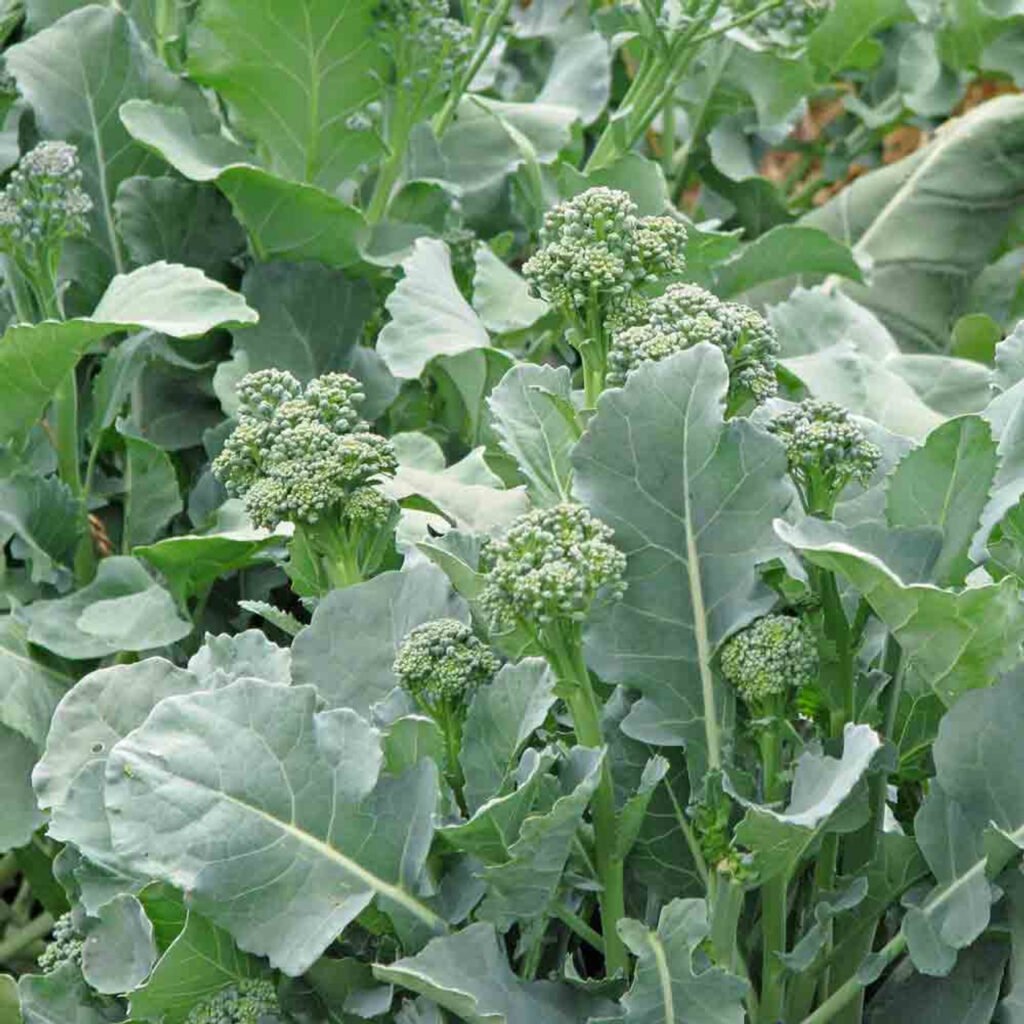
Broccoli Rabe grows quickly, and consistent moisture is key to tender, flavorful greens.
- Water deeply about 1–2 inches per week, depending on the weather.
- Use mulch (like straw or shredded leaves) to retain soil moisture and suppress weeds.
- Avoid overhead watering to reduce the risk of fungal diseases; use soaker hoses or drip irrigation instead.
Keep an eye out for signs of stress, like wilting or yellowing leaves, which can indicate inconsistent watering.
Step 5: Sunlight and Temperature
Broccoli Rabe prefers cool temperatures between 10–20°C (50–68°F). It can tolerate light frosts but will bolt quickly in hot, dry weather.
Plant in a spot that receives full sun to partial shade. In warmer regions, providing afternoon shade can help extend the growing season and delay bolting.
Step 6: Feeding and Fertilizing
Though Broccoli Rabe doesn’t need heavy feeding, it benefits from a steady supply of nutrients for lush growth.
- Before planting, mix in compost or organic fertilizer into the soil.
- Once the plants are 3–4 inches tall, side-dress with a balanced fertilizer (such as 10-10-10) or use liquid seaweed or fish emulsion every 2–3 weeks.
- Avoid over-fertilizing with nitrogen, as this may lead to excessive leaf growth with fewer florets.
Step 7: Managing Pests and Diseases
Like other leafy greens, Broccoli Rabe can attract common garden pests. Keep an eye out for:
- Aphids – Tiny insects that cluster on leaves; spray with neem oil or insecticidal soap.
- Cabbage worms – Small green caterpillars that chew through leaves; handpick or use organic Bt spray.
- Flea beetles – Small, jumping beetles that create holes in leaves; use row covers or diatomaceous earth.
To prevent diseases, rotate crops each season and avoid planting Broccoli Rabe in the same bed as other brassicas (like cabbage, kale, or mustard greens).
Step 8: Harvesting Broccoli Rabe
The best part of growing Broccoli Rabe is the harvest — it’s fast and generous!
You can start harvesting 35–45 days after planting, once the plants are about 6–8 inches tall and before the flower buds fully open.
- Cut the stems about 1 inch above the soil level.
- Harvest frequently to encourage new growth.
- The entire plant — stems, leaves, and small buds — is edible and delicious.
If you wait too long and the buds bloom into yellow flowers, the flavor can become too bitter. The key is to harvest young and tender.
Step 9: Storing and Using Your Harvest
Freshly harvested Broccoli Rabe can be stored in the refrigerator for up to 4–5 days. Wrap it in a damp towel or place it in a perforated plastic bag to keep it crisp.
To enjoy its full flavor, cook it soon after harvest. Popular cooking methods include:
- Sautéing with garlic and olive oil for a classic Italian side dish.
- Blanching and mixing with pasta or beans for a hearty meal.
- Adding to soups, stir-fries, or omelets for extra nutrition.
Broccoli Rabe’s slightly bitter taste pairs beautifully with rich, savory dishes — try combining it with sausages, pasta, or spicy sauces for a delicious balance.
Step 10: Saving Seeds for the Future
If you let a few plants bolt and go to seed, you can easily save seeds for next season. Allow the seed pods to dry on the plant, then harvest and store them in a cool, dry place. Properly stored seeds can remain viable for up to 3 years.
Final Thoughts
Growing Broccoli Rabe (Rapini) from seed is one of the most rewarding experiences for home gardeners. It’s fast-growing, nutritious, and offers a bold, distinctive flavor that sets it apart from other greens. With just a bit of care, you can enjoy multiple harvests throughout the season.
Whether sautéed with olive oil and garlic or tossed into your favorite pasta, fresh Broccoli Rabe brings a taste of traditional Italian gardens right to your kitchen. So grab a packet of seeds, prepare your soil, and get ready to grow, harvest, and enjoy your own Broccoli Rabe bounty!

Leave A Comment