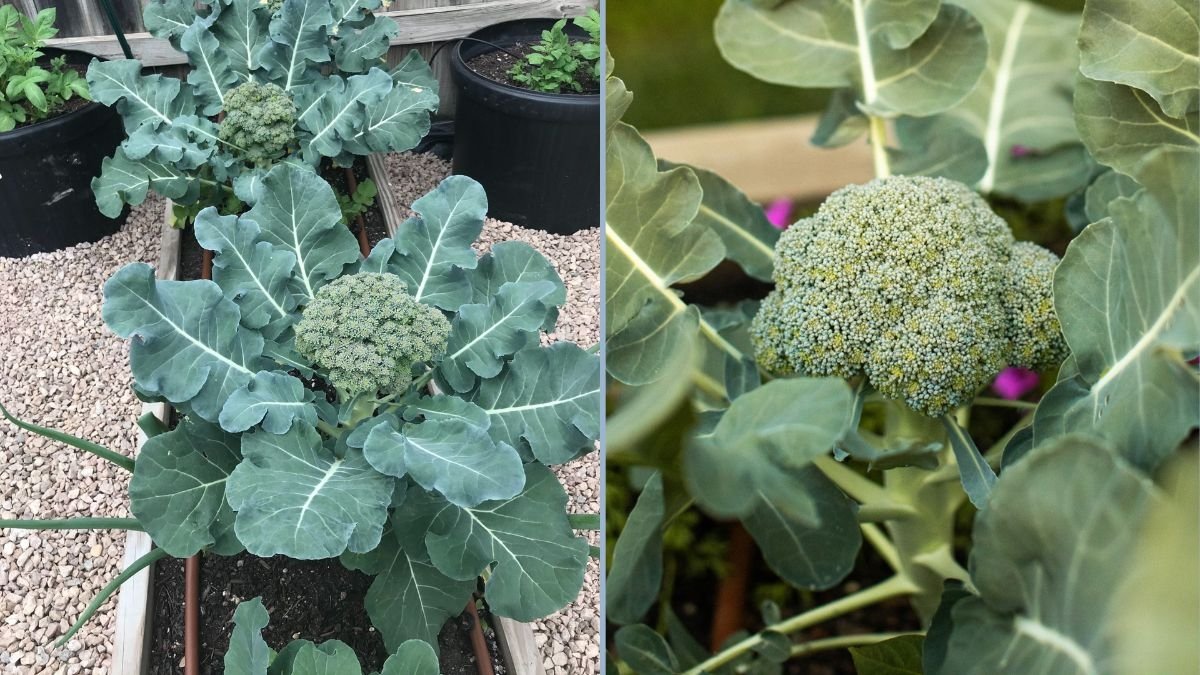
Broccolini is a delightful and nutritious vegetable that deserves a place in every home garden. Often mistaken for baby broccoli, this hybrid plant combines the tenderness of Chinese kale with the flavor of traditional broccoli — resulting in slender stalks, small florets, and a mild, slightly sweet taste. If you love growing your own vegetables and want to add something both gourmet and easy to cultivate, learning how to plant broccolini is the perfect next step.
In this detailed 1200-word guide, we’ll cover everything you need to know about growing broccolini — from seed selection and soil preparation to planting, care, and harvesting. Let’s turn your edible garden into a broccolini paradise.
What Is Broccolini?
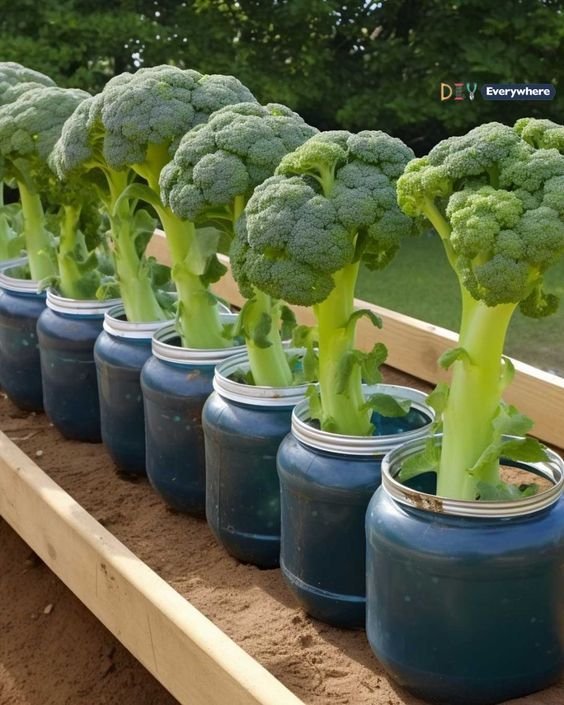
Before diving into planting, let’s understand what broccolini actually is.
Broccolini (Brassica oleracea × Brassica rapa) is a hybrid vegetable developed by crossing broccoli with Chinese kale (gai lan). The result is a plant with long, tender stalks, smaller florets, and edible leaves. It’s milder, sweeter, and more delicate in flavor than regular broccoli.
Unlike standard broccoli, which produces one large head, broccolini produces many smaller florets that continue growing after each harvest — making it a perfect crop for continuous picking.
Broccolini is also rich in vitamins A, C, and K, as well as fiber, calcium, and iron, making it not only delicious but also incredibly nutritious.
Why Grow Broccolini at Home?
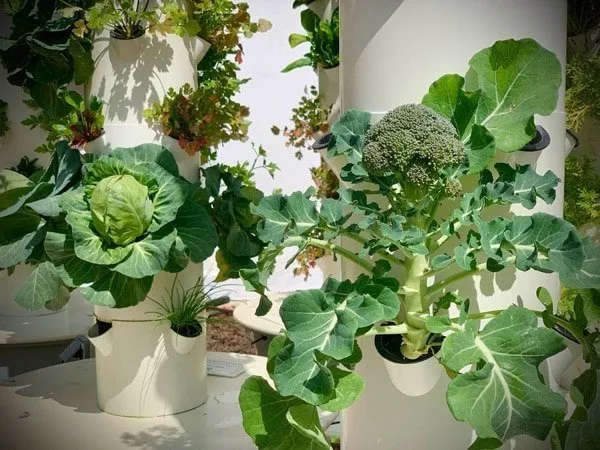
There are plenty of reasons to make broccolini part of your edible garden:
- Extended Harvest: Produces multiple side shoots for weeks after the first cutting.
- Fast Maturity: Ready for harvest in about 60–80 days after planting.
- Cold-Tolerant: Thrives in cool weather, perfect for early spring or fall gardens.
- Compact Growth: Ideal for small gardens or raised beds.
- Gourmet Flavor: Tender, sweet stems that are prized by chefs and home cooks alike.
By growing your own broccolini, you can enjoy fresh, chemical-free produce straight from your garden to your kitchen.
Best Time to Plant Broccolini
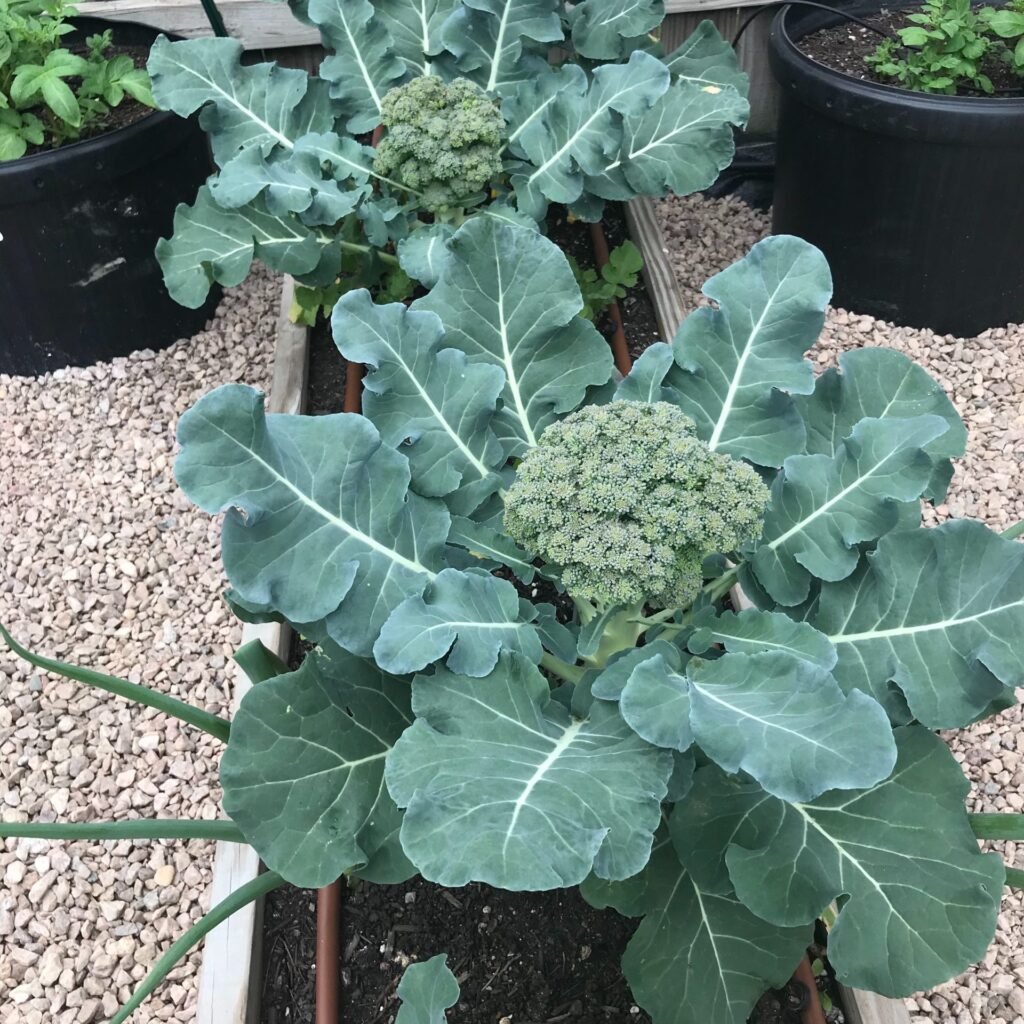
Broccolini is a cool-season crop that grows best in temperatures between 15°C and 22°C (59°F–72°F).
- Spring Planting:
Start seeds indoors 6–8 weeks before your last expected frost date. Transplant them outdoors 2–3 weeks before the last frost. - Fall Planting:
Sow seeds in mid-to-late summer for a fall harvest. This allows the plants to mature as temperatures cool, producing sweeter stalks.
In mild climates, broccolini can even be grown through winter with proper protection from frost using garden cloches or row covers.
Choosing the Right Broccolini Variety
There are a few main broccolini and broccolini-type hybrids available for home gardeners.
- Aspabroc: The most common variety — tender stems and small florets.
- Broccoletti or Baby Broccoli: Similar to Aspabroc, known for sweet flavor.
- Atlantis Broccolini: Heat-tolerant, making it great for warmer regions.
All varieties produce multiple stems rather than one large head, so you can enjoy extended harvests throughout the season.
Preparing the Soil
Healthy soil is the foundation of a productive broccolini crop.
Broccolini grows best in well-draining, fertile soil rich in organic matter. Here’s how to prepare it:
- Loosen the Soil:
Turn the soil to a depth of about 10–12 inches using a garden fork or tiller. - Add Compost or Organic Matter:
Incorporate 2–3 inches of compost, aged manure, or worm castings to boost fertility and improve structure. - Check pH:
Broccolini prefers slightly acidic to neutral soil with a pH between 6.0 and 7.0. Adjust if needed by adding lime (to raise pH) or sulfur (to lower it). - Add Balanced Fertilizer:
Mix in a slow-release organic fertilizer (10-10-10 or similar) before planting to support early growth.
How to Plant Broccolini
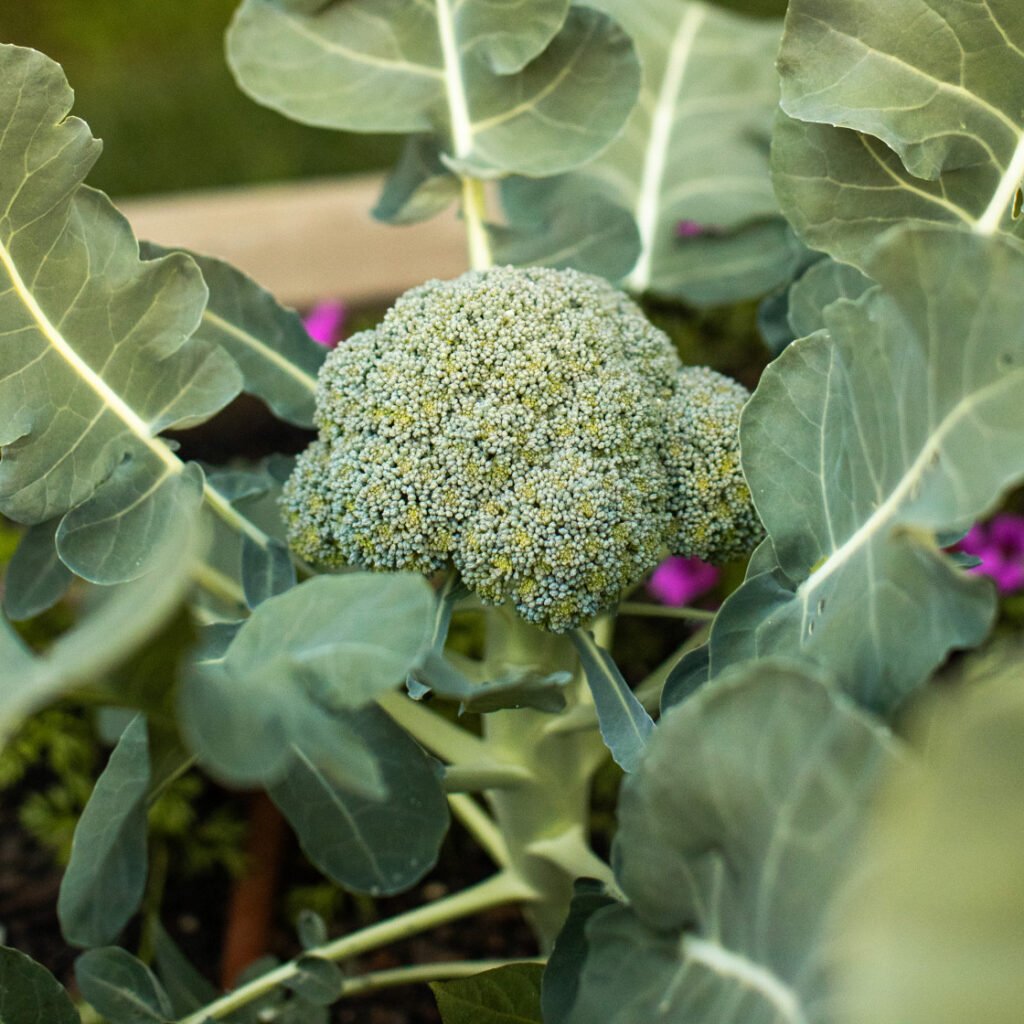
You can start broccolini from seeds or transplants. Both methods are simple and effective.
1. Starting from Seeds (Indoors)
- Fill seed trays or pots with seed-starting mix.
- Sow seeds ¼ inch deep and lightly cover with soil.
- Keep the soil moist and maintain temperatures between 18–22°C (65–72°F).
- Seeds will germinate in about 7–10 days.
- Once seedlings are 4–6 inches tall and have 4–5 true leaves, they’re ready for transplanting outdoors.
2. Transplanting Outdoors
- Harden off seedlings for a few days before transplanting to help them adjust to outdoor conditions.
- Space plants 12–18 inches apart in rows spaced about 24 inches apart.
- Dig holes large enough to accommodate the root ball and plant each seedling at the same depth as it was in the tray.
- Water thoroughly after planting.
3. Direct Sowing (Optional)
If your soil is warm enough (above 10°C / 50°F), you can sow broccolini seeds directly in the garden. Thin seedlings later to 12–18 inches apart once they reach about 3 inches tall.
Caring for Broccolini Plants
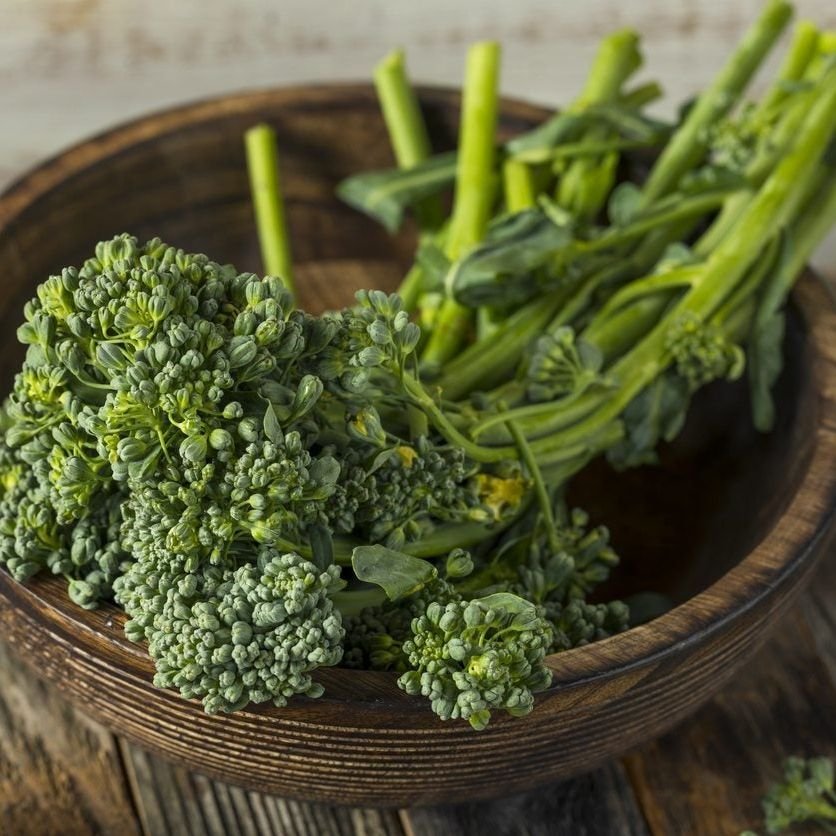
Broccolini is a low-maintenance plant, but consistent care ensures maximum yield and quality.
1. Watering
Keep the soil consistently moist but not waterlogged. Broccolini needs about 1–1.5 inches of water per week. Dry conditions can cause the stems to become woody and bitter.
2. Mulching
Apply a 2–3 inch layer of organic mulch (such as straw or compost) around plants to conserve moisture, suppress weeds, and regulate soil temperature.
3. Fertilizing
Feed plants every 3–4 weeks with a balanced liquid fertilizer or compost tea. For leafy growth, a nitrogen-rich fertilizer can be applied in early stages.
4. Weeding
Keep the area around the plants weed-free to prevent competition for nutrients and water. Hand-pull weeds carefully to avoid disturbing roots.
5. Staking (Optional)
In windy areas, taller broccolini varieties may need gentle support with stakes to prevent bending or breaking.
Managing Pests and Diseases
Broccolini, like other Brassica crops, can attract certain pests and diseases.
Common Pests:
- Aphids: Small green or black insects that cluster under leaves. Spray with neem oil or insecticidal soap.
- Cabbage Worms and Loopers: Green caterpillars that chew holes in leaves. Handpick or use Bacillus thuringiensis (Bt).
- Flea Beetles: Tiny black beetles that create small holes. Use row covers or diatomaceous earth for protection.
Common Diseases:
- Downy Mildew: Appears as yellow spots on leaves. Improve air circulation and avoid overhead watering.
- Clubroot: Causes swollen roots and stunted plants. Practice crop rotation and avoid planting brassicas in the same spot each year.
Keeping your garden clean, rotating crops, and maintaining good airflow will help prevent most issues.
Harvesting Broccolini
Broccolini is typically ready to harvest 60–80 days after transplanting or 90–100 days from seed, depending on the variety and weather conditions.
When to Harvest:
- The main central stem is ready when florets are fully developed but still tightly closed.
- Cut the main stalk about 6–8 inches long with a sharp knife or scissors.
- After cutting the main stem, the plant will produce multiple side shoots, which you can continue to harvest for several weeks.
How to Harvest:
- Harvest early in the morning when the stems are crisp and hydrated.
- Avoid waiting too long — once the florets start to yellow or open, the quality declines.
Continuous Harvest Tip:
After each harvest, feed plants lightly with compost or fertilizer and water well. This encourages new side shoots and prolongs the harvest season.
Storing and Using Broccolini
Freshly harvested broccolini tastes best when eaten right away, but it can be stored for a few days if needed.
Storage Tips:

- Do not wash before storing.
- Wrap broccolini in a damp paper towel and place it in a perforated plastic bag.
- Store in the refrigerator for up to 5–7 days.
Cooking Ideas:
- Sautéed: Lightly cook with olive oil, garlic, and lemon juice for a quick side dish.
- Steamed: Steam until tender-crisp and drizzle with sesame oil or butter.
- Grilled: Toss with olive oil and grill for a smoky, slightly charred flavor.
- Stir-fried: Combine with tofu, mushrooms, or shrimp for a healthy meal.
Broccolini’s mild sweetness pairs perfectly with citrus, soy sauce, garlic, or chili — making it a versatile ingredient in countless recipes.
Common Mistakes to Avoid When Planting Broccolini
- Planting in Hot Weather: Warm temperatures can cause bolting (premature flowering).
- Overcrowding: Poor air circulation increases disease risk. Maintain proper spacing.
- Inconsistent Watering: Fluctuations in moisture make stems tough. Keep soil evenly moist.
- Neglecting Fertilization: Broccolini is a heavy feeder — lack of nutrients can lead to small florets.
- Late Harvesting: Waiting too long can result in open flowers and bitter taste.
Final Thoughts: Grow Broccolini for a Delicious, Nutritious Harvest
Growing broccolini in your edible garden is both rewarding and simple. With just a little care and the right timing, you can enjoy a continuous harvest of tender, sweet, and healthy greens for months.
From preparing nutrient-rich soil and maintaining consistent moisture to harvesting side shoots for extended yields, this vegetable proves that gourmet food doesn’t need to come from the supermarket — it can grow right in your backyard.
So, grab your seeds, prepare your soil, and plant some broccolini this season. Your kitchen — and your health — will thank you for it.

Leave A Comment