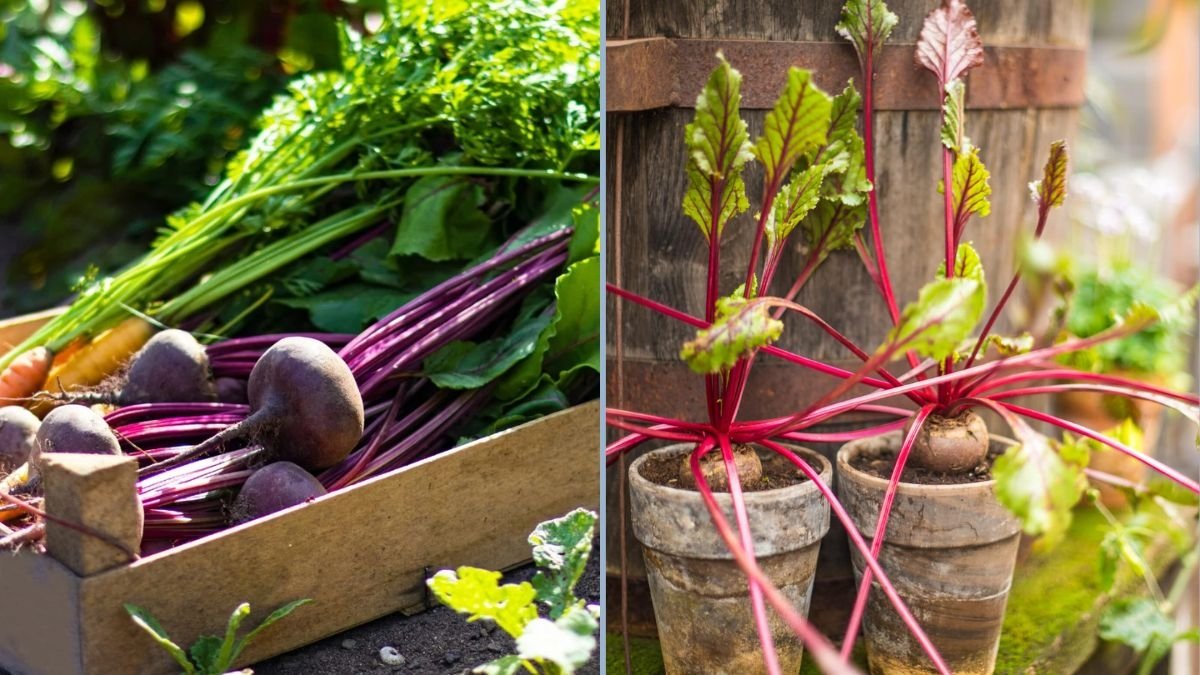
Beet greens are one of the most underrated yet nutritious and delicious parts of the beet plant. While most people focus on the vibrant beetroot, the leafy tops are equally valuable — packed with vitamins, minerals, and flavor. Whether you grow beets in a backyard garden, containers, or raised beds, learning how to harvest beet greens the right way can help you enjoy a steady supply without harming the roots.
In this detailed guide, we’ll explore when and how to harvest beet greens, how to encourage continuous growth, and the best ways to use and store them for maximum freshness.
Why Harvest Beet Greens?
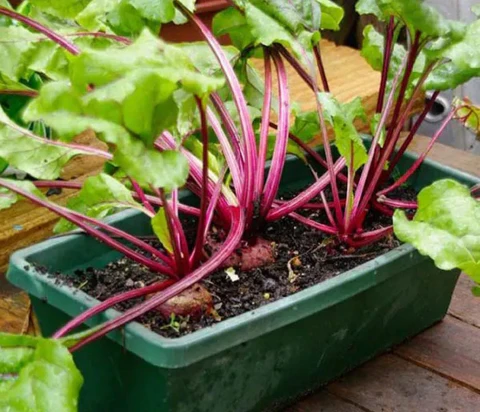
Beet greens are the leafy tops of the beetroot plant, and they’re edible, tender, and full of nutrients. They’re often compared to Swiss chard because both belong to the same plant family — Amaranthaceae.
Harvesting beet greens offers several benefits:
- Nutrient Boost: They’re high in vitamins A, C, and K, as well as calcium, iron, and magnesium.
- Dual Harvest: You get two crops from one plant — the root and the greens.
- Continuous Supply: If harvested correctly, beet greens will regrow, allowing you to enjoy multiple cuttings.
- Culinary Versatility: They can be sautéed, added to soups, smoothies, salads, or used like spinach or kale.
By learning how to harvest beet greens properly, you’ll maximize your plant’s productivity and keep your garden thriving.
When to Harvest Beet Greens
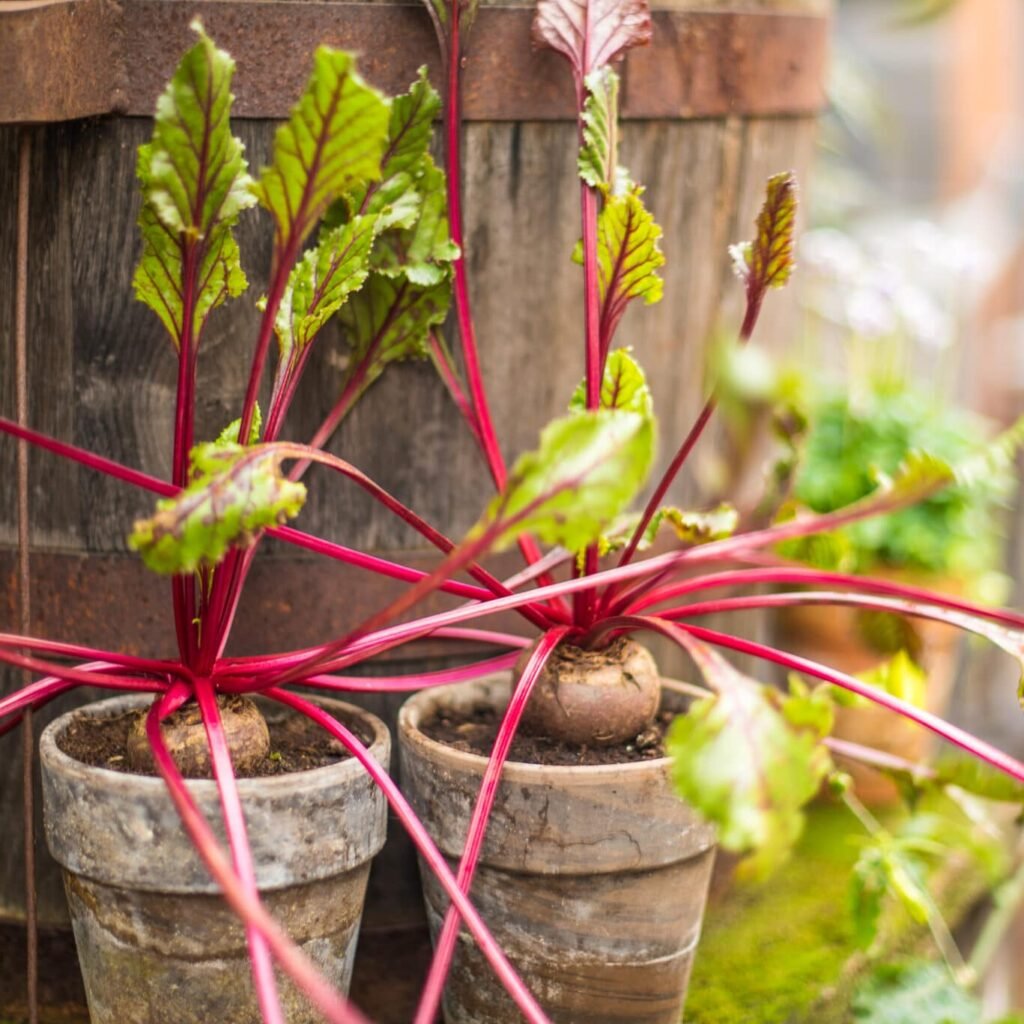
Timing is everything when it comes to harvesting beet greens. Picking them too early or too late can affect both the quality of the greens and the development of the beetroot.
- Early Harvest (Baby Greens):
You can start picking baby beet greens when they’re about 2 to 3 inches tall, usually 3 to 4 weeks after sowing. These young leaves are tender, mild, and perfect for salads. - Mature Greens:
For fuller, more robust leaves, wait until they reach 4 to 6 inches in length. This stage usually occurs 6 to 8 weeks after planting. The flavor becomes more earthy and slightly bitter — ideal for cooking. - Avoid Overharvesting:
Never remove all the leaves at once. The beetroot needs its foliage to continue photosynthesis and grow properly underground.
A good rule of thumb is to leave at least two-thirds of the leaves on each plant to ensure healthy beetroot development.
How to Harvest Beet Greens Correctly
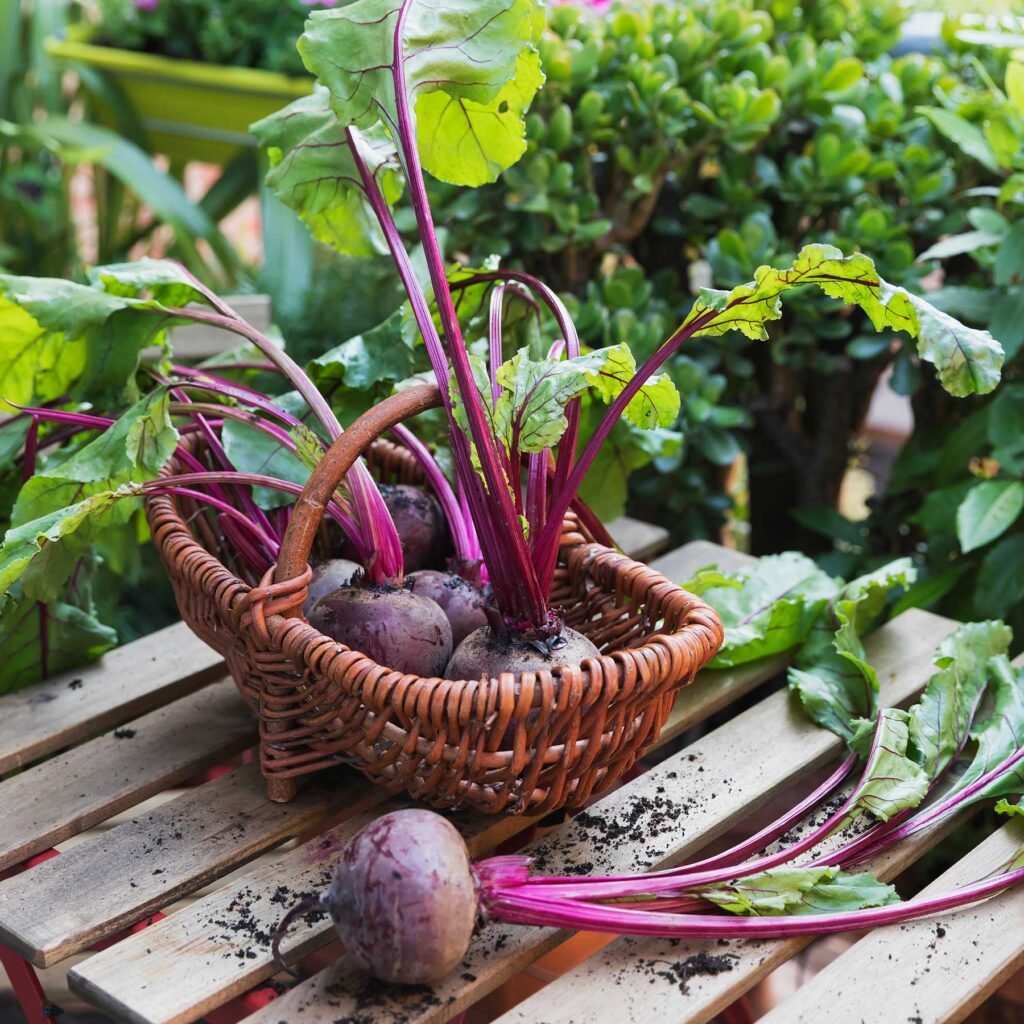
Harvesting beet greens doesn’t require fancy tools — just a gentle touch and clean hands or scissors. Follow these simple steps for best results:
Step 1: Choose the Right Time of Day
The best time to harvest beet greens is in the early morning or late afternoon. During these times, the leaves are crisp and hydrated, which makes them easier to handle and helps them stay fresh longer.
Step 2: Select the Healthiest Leaves
Look for vibrant, green leaves without any yellowing or holes. Healthy leaves provide the best flavor and nutrition. Avoid harvesting damaged or pest-infested foliage.
Step 3: Snip or Pinch the Leaves
Use a pair of clean garden scissors or your fingers to snip the leaves about an inch above the crown of the beet (where the leaves meet the root).
Important:
Never pull or twist the leaves forcefully — this can disturb or damage the root below the soil.
Step 4: Harvest Gradually
If you want to keep enjoying beet greens over several weeks, harvest just a few leaves from each plant at a time.
- Take one or two outer leaves per plant during each harvest.
- Allow at least a week or two before harvesting from the same plant again.
This approach encourages regrowth and supports healthy beetroot development.
How to Harvest Beet Greens Without Killing the Plant
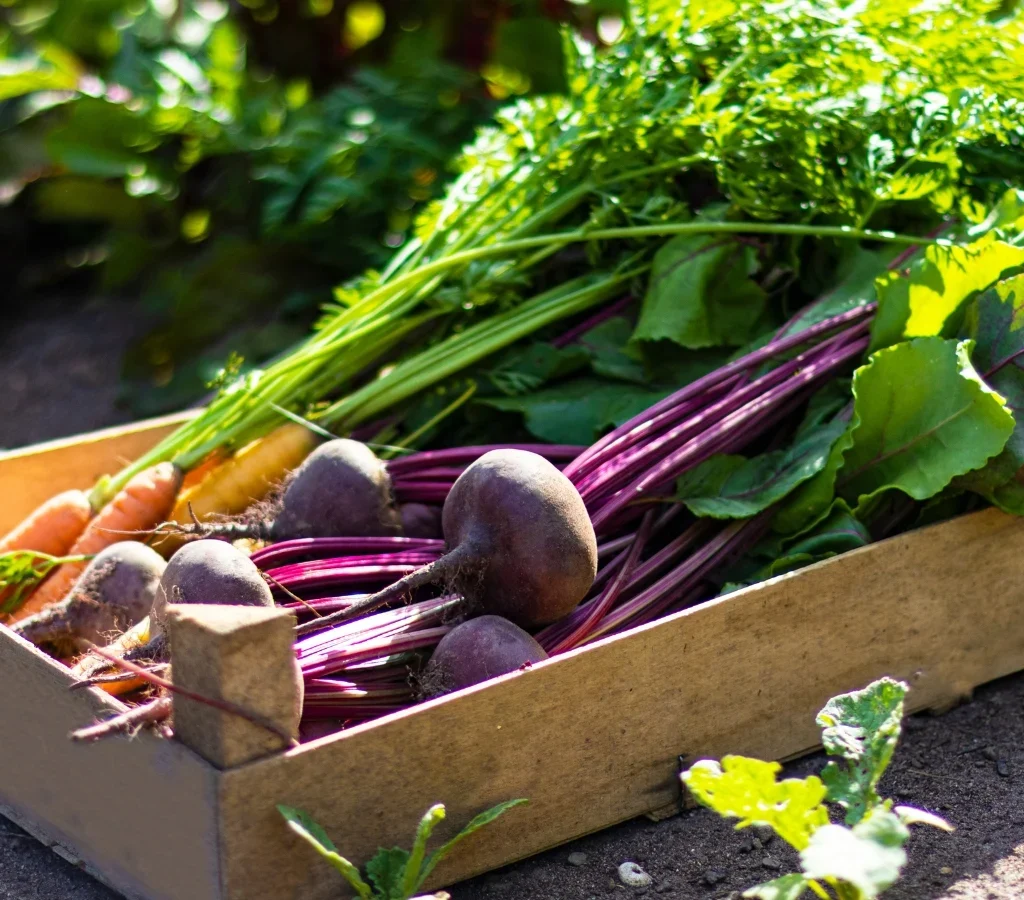
One of the biggest concerns for gardeners is damaging the beet plant when harvesting greens. Luckily, beet greens can be harvested multiple times if done properly.
Here’s how to do it safely:
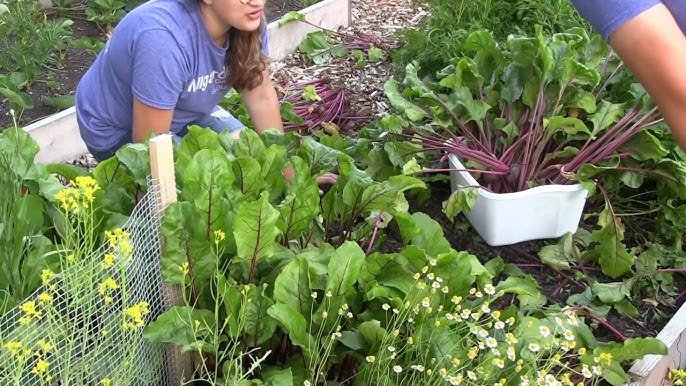
- Always harvest from the outer leaves first. These are mature and ready for picking, while the inner ones continue to grow.
- Keep at least 3–4 inner leaves on each plant so photosynthesis can continue.
- Avoid cutting too close to the crown. Leave about an inch of stem.
- Water the plants well after harvesting to encourage regrowth.
By following these tips, you’ll maintain a healthy balance between leaf and root production.
Can You Eat Beet Greens After the Beets Mature?
Yes — even when your beets are ready for harvest, you can still enjoy their greens! In fact, beet greens remain edible throughout the plant’s life cycle. However, once the plant matures fully, the leaves may become tougher and more bitter.

If you’re planning to harvest the beetroot soon, feel free to take a final cutting of the greens as well. Just don’t remove too many leaves if you still want the roots to continue bulking up for a few more days.
How Often Can You Harvest Beet Greens?
You can harvest beet greens every 2–3 weeks during the growing season, depending on your climate and growing conditions.
Beets grown in fertile, moist soil will regenerate new leaves faster. Make sure they receive consistent sunlight (at least 6 hours daily) and regular watering. This ensures both the greens and roots thrive simultaneously.
For a continuous supply, consider staggered planting — sow new beet seeds every 2–3 weeks so you always have fresh greens available.
How to Store Freshly Harvested Beet Greens
Beet greens are delicate and wilt quickly after harvesting, so proper handling is essential to maintain freshness.
Follow these storage tips:

- Do Not Wash Immediately:
Wait to wash the leaves until you’re ready to use them. Excess moisture can cause them to rot faster. - Trim and Separate:
Cut off any long stems, and separate the leaves from the roots if you’ve harvested both. - Use Paper Towels:
Wrap the unwashed greens in a slightly damp paper towel. This helps maintain humidity and prevent wilting. - Store in a Plastic Bag or Airtight Container:
Place the wrapped greens inside a breathable plastic or perforated bag. Store them in the crisper drawer of your refrigerator.
When stored properly, beet greens can last up to 4–5 days.
How to Use Beet Greens in the Kitchen
Now that you’ve harvested your greens, it’s time to enjoy their earthy, delicious flavor. Beet greens can be prepared in many ways — from simple sautés to refreshing salads.
Here are some tasty ideas:
- Sautéed Beet Greens:
Quickly cook them in olive oil with garlic and a pinch of salt. Add a splash of lemon juice or vinegar for brightness. - Beet Green Smoothies:
Blend them with fruits like banana, pineapple, or apple for a nutritious morning drink. - Beet Green Stir-Fry:
Combine with other vegetables, tofu, or meat for a colorful and healthy dish. - Add to Soups and Stews:
Chop beet greens and add them toward the end of cooking for a boost of flavor and nutrients. - Use as Salad Greens:
Baby beet greens are tender and make a great substitute for spinach or arugula in salads.
Beet greens pair beautifully with flavors like garlic, citrus, olive oil, and nuts, making them versatile in both raw and cooked dishes.
Common Mistakes to Avoid When Harvesting Beet Greens
Even experienced gardeners can make a few mistakes when harvesting beet greens. Here are some to avoid:
- Overharvesting:
Removing too many leaves at once weakens the plant and stunts beetroot growth. - Cutting Too Close to the Crown:
This can damage the growing point and prevent regrowth. - Harvesting Diseased Leaves:
Always inspect leaves before harvesting. Removing infected foliage may spread diseases or attract pests. - Neglecting Watering After Harvest:
Plants need hydration to recover and produce new leaves.
Avoiding these pitfalls will ensure your beets stay strong and productive all season long.

Final Thoughts: Harvesting Beet Greens for Continuous Enjoyment
Learning how to harvest beet greens properly allows you to make the most of your beet crop. With careful picking, you can enjoy a continuous supply of tender, flavorful greens while still growing healthy beetroots beneath the soil.
The key is moderation — take a few leaves at a time, always leave enough for regrowth, and nurture your plants with water and sunlight.
Whether you enjoy beet greens in salads, sautés, or smoothies, you’re not just harvesting leaves — you’re harvesting health, flavor, and sustainability right from your garden.

Leave A Comment