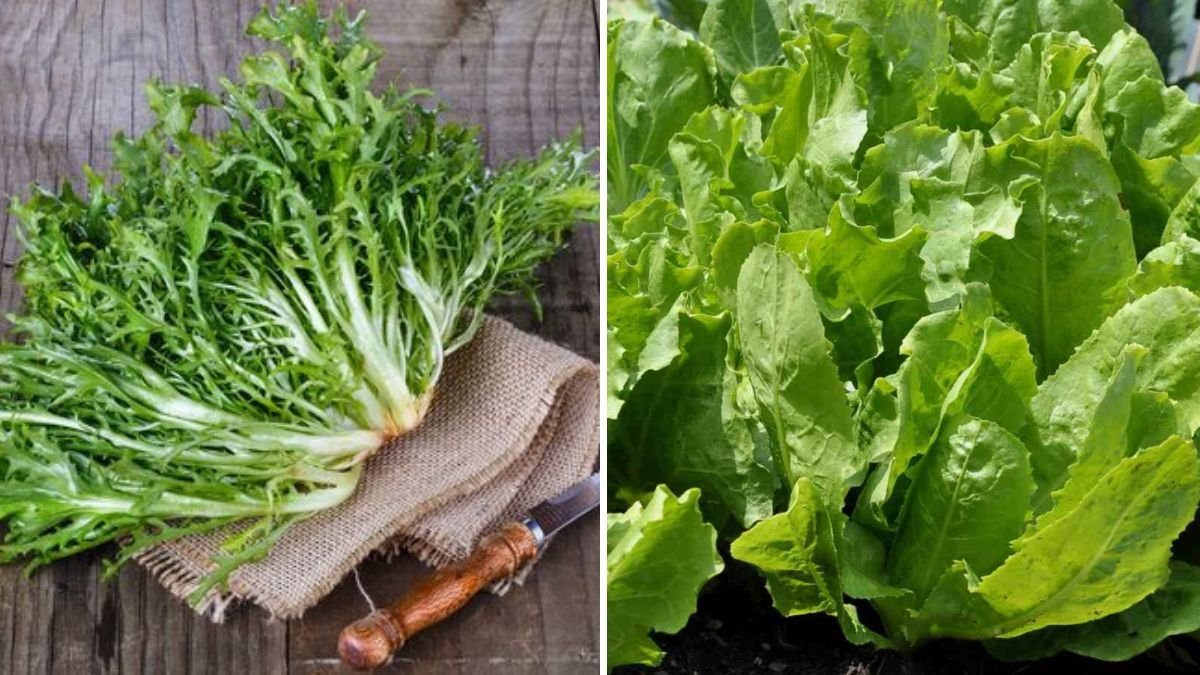
If you’re looking to add a crisp, slightly bitter leafy green to your summer garden, endive (Cichorium endivia) is a perfect choice. Often seen in gourmet salads and Mediterranean dishes, this flavorful green is part of the chicory family and brings both taste and texture to your plate. Growing endive at home is surprisingly easy—it’s adaptable, resilient, and perfect for gardeners who love experimenting with new vegetables.
In this guide inspired by “Planting Endive | Vegetable Garden | Summer Garden Part 3”, you’ll learn everything you need to know to successfully plant, grow, and harvest endive in your summer vegetable garden. Whether you’re new to gardening or a seasoned grower, these simple steps will help you cultivate fresh, organic endive right at home.
What Is Endive and Why Should You Grow It?
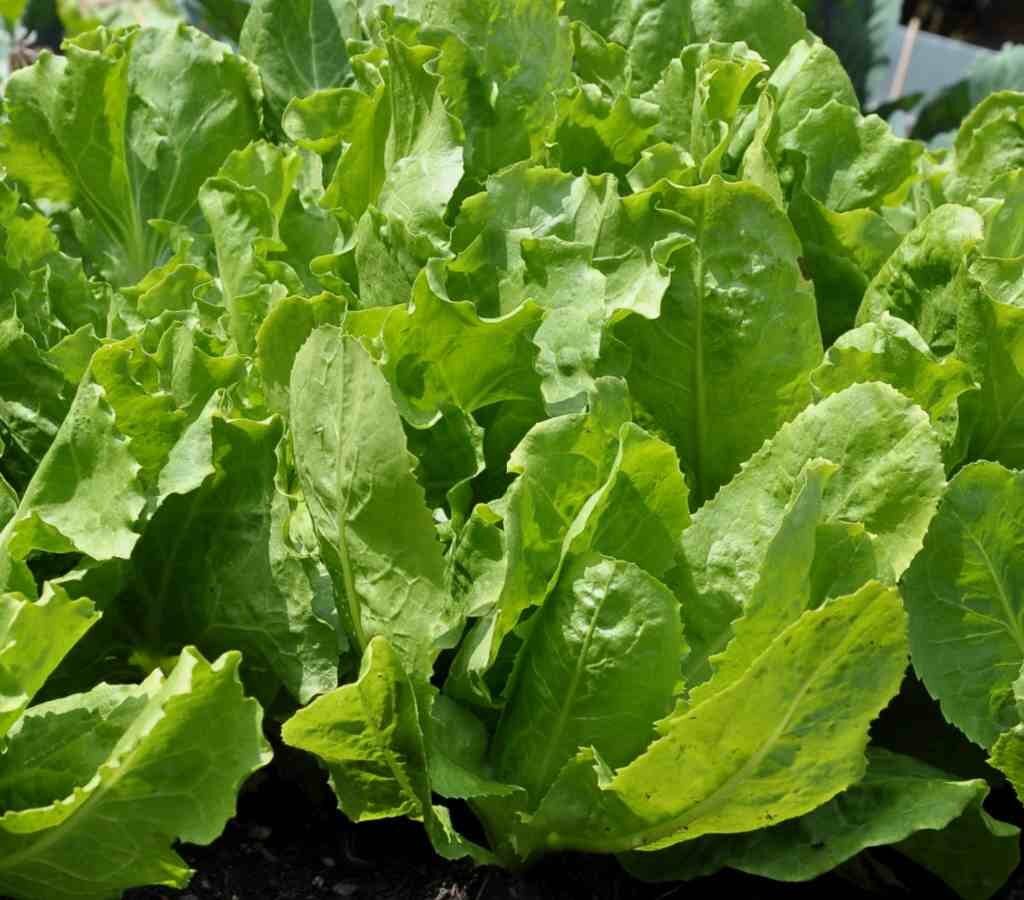
Endive is a leafy green vegetable with a pleasantly bitter flavor that intensifies as it matures. There are two main types:
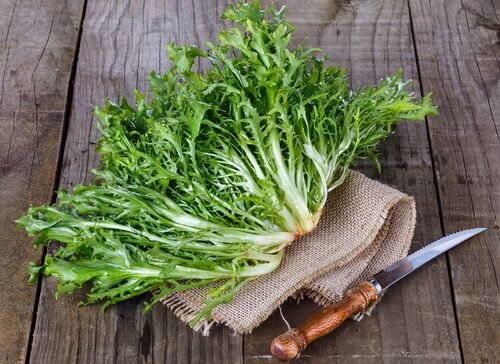
- Curly Endive (Frisée): Features finely cut, frilly leaves and a delicate texture—great for salads.
- Broad-Leaved Endive (Escarole): Has wider, flatter leaves and a milder flavor—ideal for soups, sautés, and stews.
Growing endive at home offers several advantages:
- It’s fast-growing and thrives in both containers and garden beds.
- It’s rich in vitamins A, C, and K, along with minerals like calcium and iron.
- It adds a gourmet touch to your homegrown produce.
- It’s a cool-weather crop that can also adapt to mild summer conditions if well-watered and shaded.
Step 1: Choosing the Right Variety
Before you start planting, decide which type of endive suits your garden and culinary needs:
- Curly Endive (Cichorium endivia var. crispum): Best for fresh salads and decorative garnishes.
- Escarole (Cichorium endivia var. latifolia): Best for cooking, grilling, or braising.
For a summer garden, curly endive often performs better since it tolerates slightly warmer conditions with good moisture.

Step 2: Ideal Growing Conditions for Endive
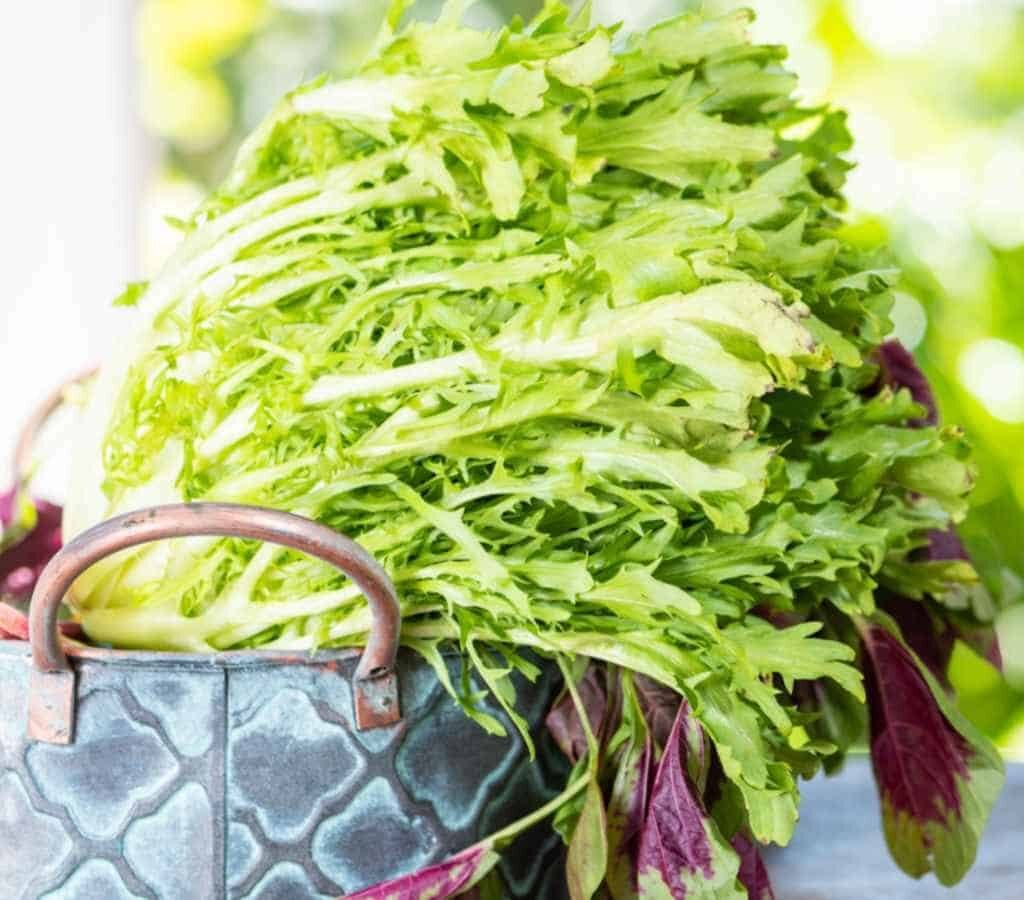
Endive thrives in well-drained, fertile soil with plenty of organic matter. While it prefers cooler temperatures, it can also be grown during summer with the right care.
Requirements for Healthy Growth:
- Sunlight: 4–6 hours of sunlight daily; partial shade is ideal in hot climates.
- Temperature: 15°C to 25°C (59°F to 77°F).
- Soil: Rich, loamy soil with a pH between 6.0 and 7.0.
- Water: Consistent moisture to prevent bitterness and bolting.
If you’re gardening in a region with intense summer heat, grow endive in raised beds or containers where you can easily control water and shade.
Step 3: Preparing the Soil
Soil preparation is key to growing lush and tender endive.
- Loosen the soil to a depth of 10–12 inches to encourage root development.
- Incorporate organic compost or well-rotted manure to enrich the soil and retain moisture.
- If your soil is heavy clay, mix in sand or perlite to improve drainage.
- Level the soil surface before sowing or transplanting.
A well-prepared bed ensures your endive grows evenly and resists common problems like root rot.
Step 4: Planting Endive Seeds
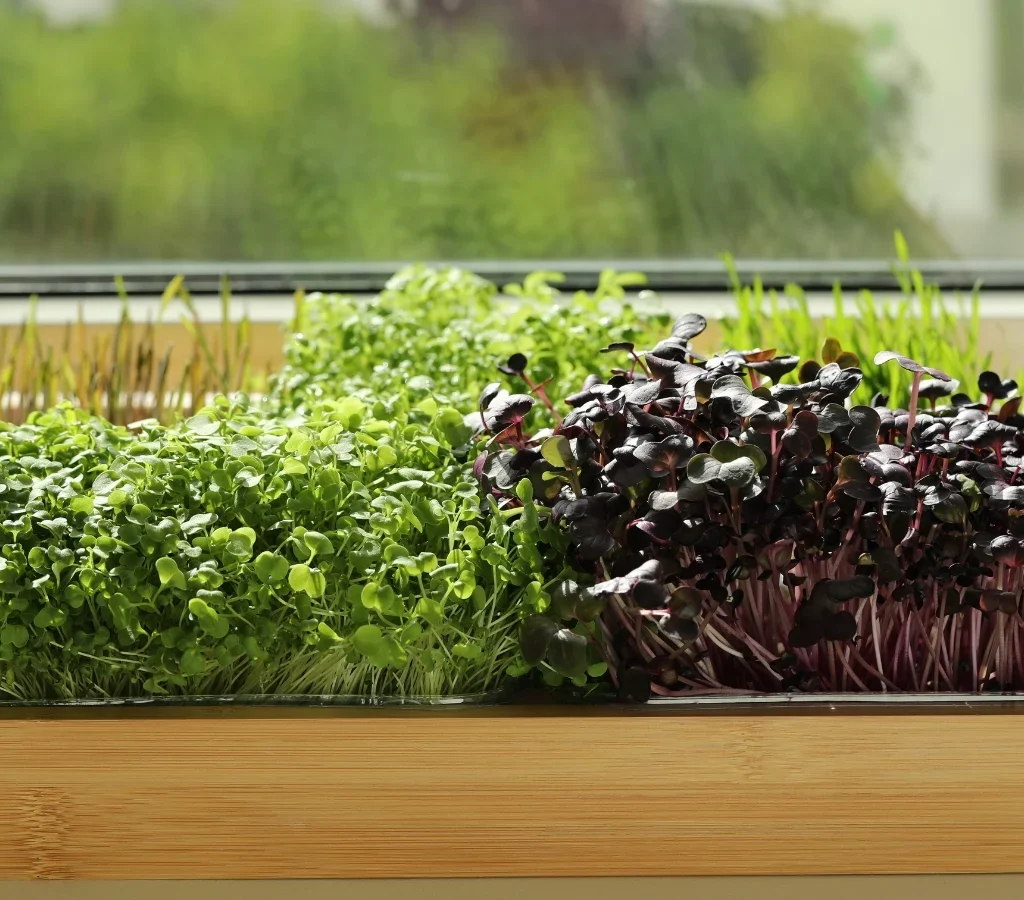
You can start endive from seeds directly in the garden or indoors for early transplanting.

Option 1: Direct Sowing (Best for Summer Gardens)
- Sow seeds ¼ inch deep in rows spaced 12–15 inches apart.
- Lightly cover with soil and mist gently with water.
- Thin seedlings to about 6–8 inches apart once they’re 2–3 inches tall.
Option 2: Starting Indoors
- Plant seeds in small trays or pots about 4–6 weeks before transplanting.
- Keep the soil moist and place trays in a bright, airy spot.
- Transplant seedlings outdoors when they have 3–4 true leaves.
Pro Tip: Transplant in the late afternoon or on a cloudy day to reduce transplant shock.
Step 5: Watering and Feeding
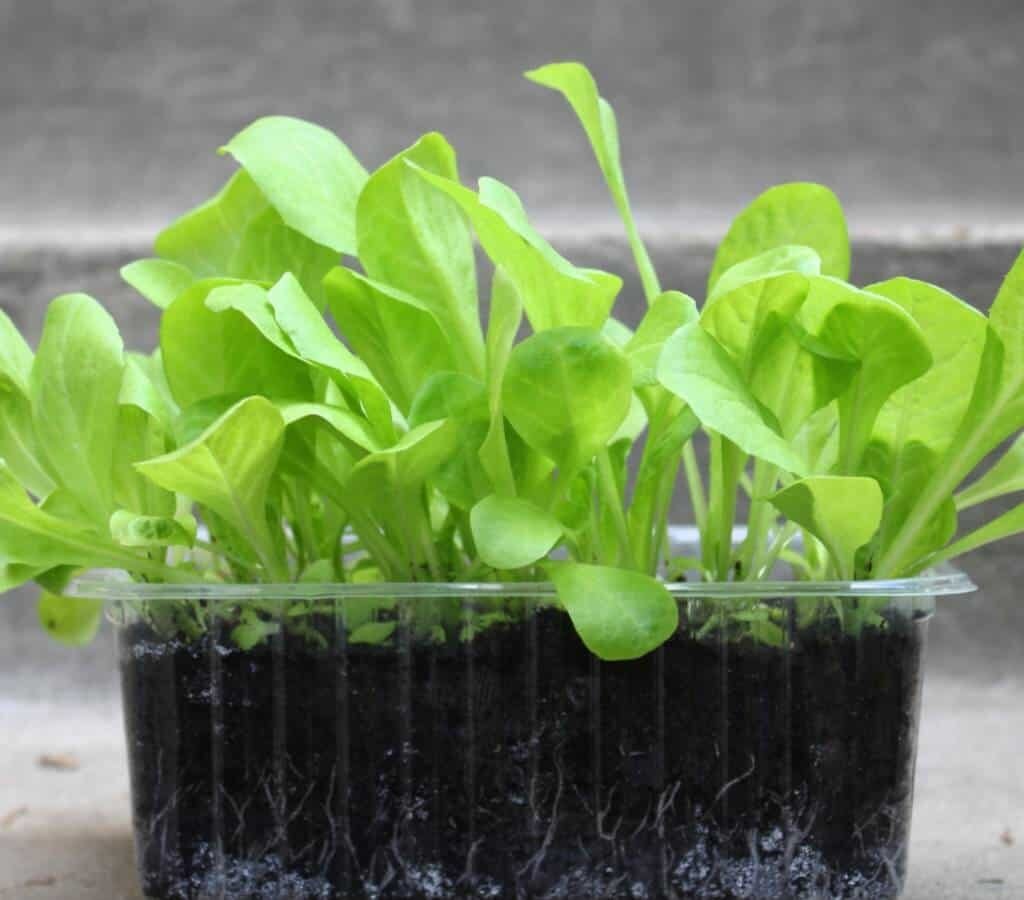
Endive loves consistent moisture. Dry soil can make the leaves tough and overly bitter.
- Water regularly: Keep the soil evenly moist but not waterlogged.
- Mulch around plants: Use straw, compost, or leaves to retain moisture and keep roots cool.
- Feed every 3–4 weeks: Apply a balanced organic fertilizer or liquid seaweed solution to boost growth.
During hot summer days, consider using shade cloth or planting near taller crops (like tomatoes or beans) to provide partial shade.
Step 6: Caring for Growing Plants
Healthy endive plants need a bit of maintenance to ensure steady growth and sweet flavor.
- Weed regularly: Weeds compete for water and nutrients. Remove them gently to avoid disturbing shallow roots.
- Pest control: Watch out for aphids, slugs, and snails. Use neem oil spray or diatomaceous earth as organic protection.
- Avoid bolting: High temperatures or irregular watering can cause plants to flower prematurely. Keep soil moist and harvest on time.
If you notice the leaves getting too bitter, blanching can help (see below).
Step 7: Blanching for Milder Flavor
Endive has a natural bitterness, which can be mellowed through blanching—a simple process that reduces light exposure to the inner leaves.
How to Blanch Endive:
- When the plants are about 10–12 inches tall, gently tie the outer leaves together over the center to form a loose bunch.
- Alternatively, cover the center with a pot or opaque container to block sunlight.
- Leave it covered for 7–10 days before harvesting.
This results in tender, pale-green inner leaves with a milder, less bitter taste—perfect for salads.
Step 8: Harvesting Endive
You can start harvesting endive 45–60 days after planting, depending on the variety.
Harvesting Tips:
- Cut the whole plant about an inch above the soil line for full heads.
- For continuous harvest, pick outer leaves and let the center continue growing.
- Harvest in the morning for the crispest texture and best flavor.
Endive doesn’t store for long, so refrigerate in a damp towel or airtight bag and use within a week.
Step 9: Common Problems and How to Fix Them
Even though endive is relatively easy to grow, it can face a few issues—especially in summer gardens.
| Problem | Likely Cause | Solution |
|---|---|---|
| Bitter leaves | Heat stress or dry soil | Provide shade, keep soil moist |
| Bolting (flowering early) | High temperature | Mulch, water regularly, plant in partial shade |
| Yellow leaves | Nutrient deficiency | Feed with organic compost or liquid fertilizer |
| Pests (aphids, slugs, snails) | Humid conditions | Use neem oil spray or hand-pick pests |
Maintaining a clean garden and consistent care prevents most of these problems naturally.
Step 10: Growing Endive in Containers
If you don’t have garden space, don’t worry—endive grows beautifully in containers too!
Container Requirements:
- Use a 12-inch-deep pot with good drainage holes.
- Fill with organic potting mix and compost.
- Water daily during warm months to keep soil moist.
- Harvest frequently to encourage new growth.
Container-grown endive is perfect for balconies, patios, or kitchen gardens, giving you fresh greens just a few steps away.
Step 11: Delicious Ways to Use Fresh Endive
Once you’ve harvested your homegrown endive, there are endless ways to enjoy it:
- Fresh salads: Combine curly endive with lettuce, radishes, and citrus vinaigrette.
- Sautéed dishes: Lightly cook escarole with olive oil and garlic.
- Soups and stews: Add chopped leaves near the end of cooking for a nutrient boost.
- Grilled endive: Drizzle olive oil and grill for a smoky, savory flavor.
- Wraps and bowls: Use large leaves as wraps for healthy fillings.
Its crisp texture and subtle bitterness pair beautifully with rich, creamy, or tangy ingredients.

Bonus Tips for Summer Success
Growing endive in summer requires a bit of attention but yields abundant greens if managed well. Here are a few extra tips:
- Start seeds early in trays and transplant once the weather stabilizes.
- Use mulch generously to keep roots cool and prevent weeds.
- Harvest frequently to encourage new leaf growth.
- Stagger your planting every 2–3 weeks for a continuous harvest.
- Avoid overwatering, which can cause root rot—aim for consistent moisture instead.
With these techniques, you can enjoy healthy endive greens all summer long.
Final Thoughts
Planting endive in your summer vegetable garden is one of the most rewarding ways to expand your variety of leafy greens. Its bold, slightly bitter flavor and crisp texture make it a standout addition to any meal.
By following the steps from soil preparation to harvesting, you’ll be able to grow lush, flavorful endive even in warm weather. Whether you’re cultivating it in garden beds or pots, endive proves that you don’t need perfect conditions to enjoy gourmet greens at home.
So this summer, grab a few seeds, prepare your soil, and experience the joy of growing your own endive—fresh, healthy, and full of flavor straight from your garden to your plate!

Leave A Comment