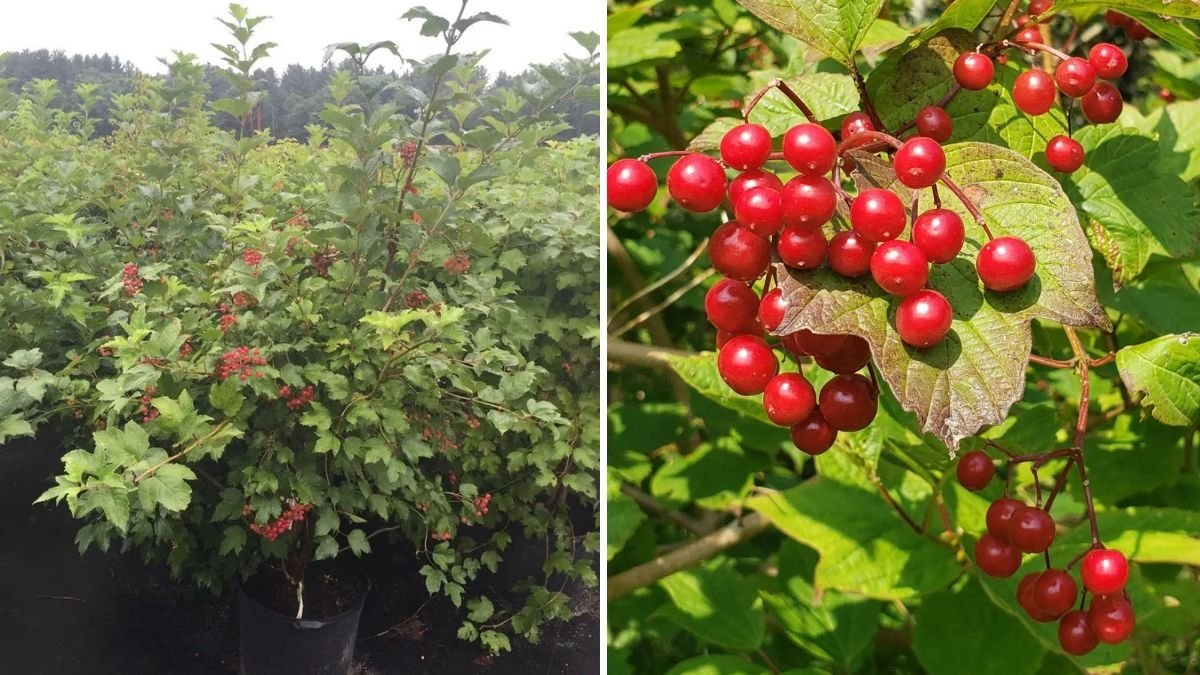
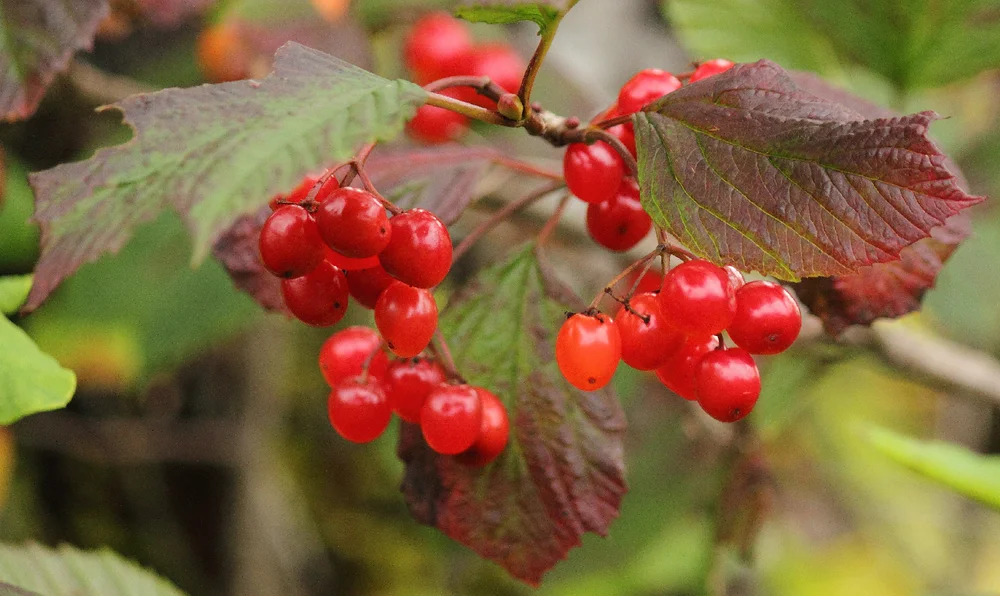
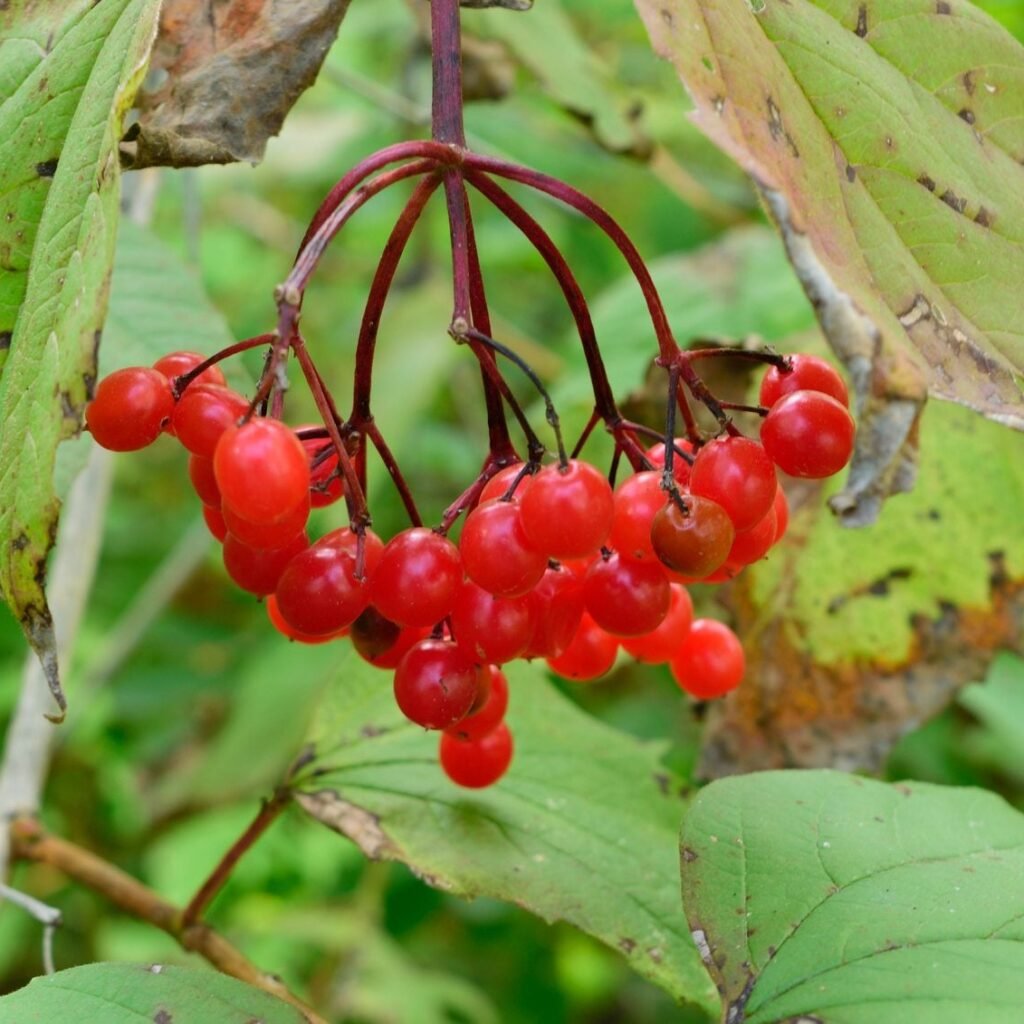
If you’re looking for a stunning ornamental shrub that also offers edible, tart red berries loved by wildlife, the American Cranberry Bush (Viburnum trilobum)—also known as Highbush Cranberry—is a perfect addition to your garden. Despite its name, it’s not a true cranberry but a species of viburnum native to North America. This hardy, low-maintenance shrub is admired for its attractive white spring blossoms, vibrant fall foliage, and clusters of bright red berries that persist well into winter.
Whether you want to plant it for its beauty, wildlife value, or even its jelly-making potential, this guide covers everything you need to know about growing and caring for the American Cranberry Bush in your home garden.
What Is the American Cranberry Bush?
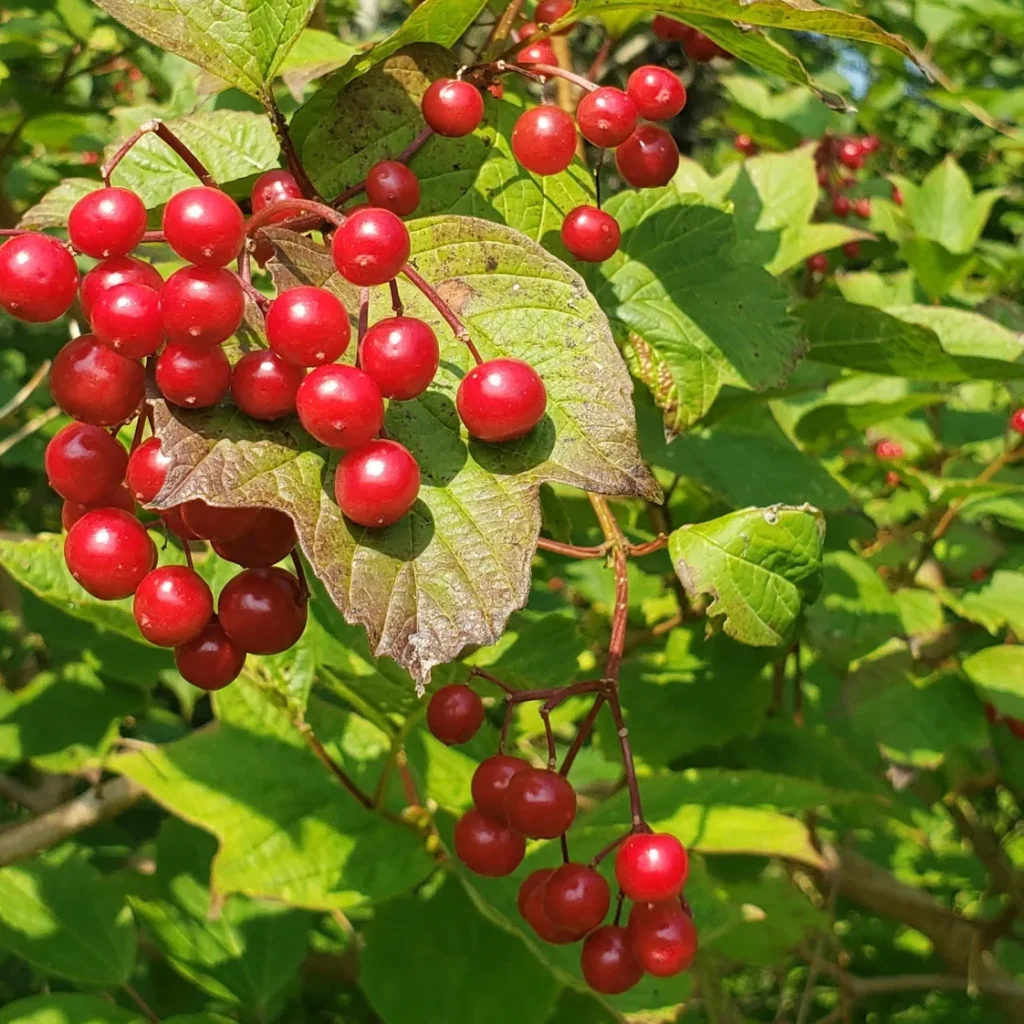
The American Cranberry Bush, scientifically known as Viburnum trilobum, is a deciduous shrub native to the northern United States and Canada. It typically grows between 8 to 12 feet tall with a similar spread, making it ideal for hedges, windbreaks, or as a standout landscape feature.
This plant is often mistaken for its European cousin, Viburnum opulus, but the American variety tends to be more cold-hardy and better adapted to North American climates. It thrives in USDA zones 2 through 7, tolerating chilly northern winters exceptionally well.
Key features include:
- Clusters of white flowers in late spring (May–June).
- Glossy red berries in late summer through winter.
- Brilliant red and orange fall foliage.
- Strong wildlife attraction—berries feed birds, while flowers attract pollinators like bees and butterflies.
Why Grow the American Cranberry Bush?
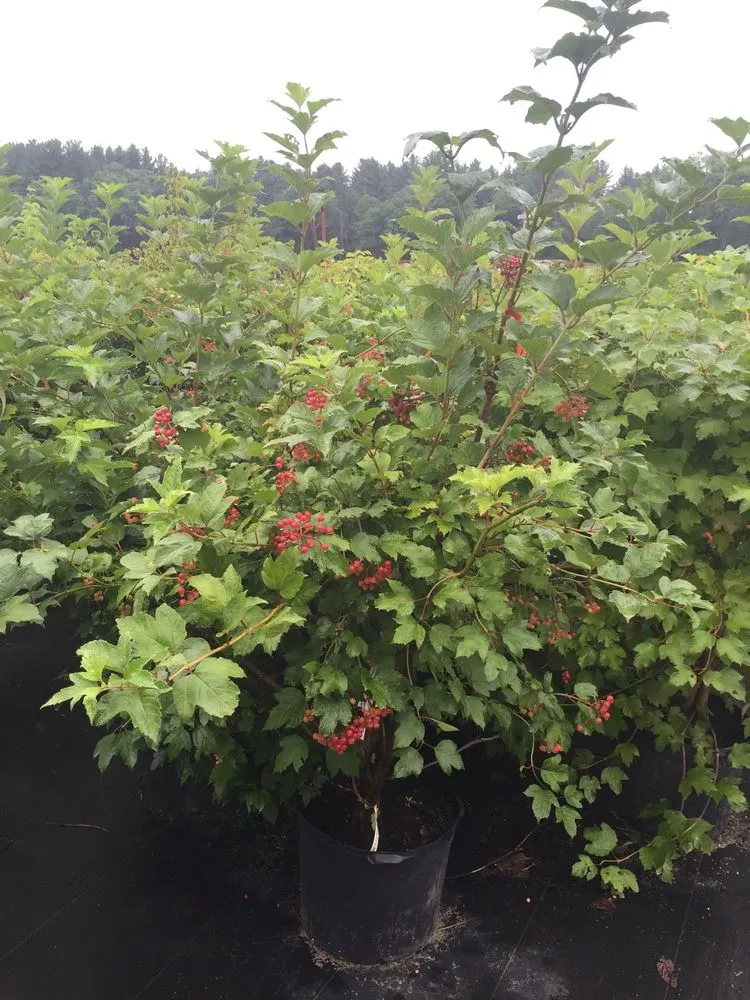
Gardeners love the Highbush Cranberry for both its aesthetic appeal and ecological benefits. Here are a few compelling reasons to add it to your landscape:
- Four-Season Beauty:
The plant looks beautiful year-round. In spring, its delicate white blooms brighten the garden. In summer, lush green foliage provides shade and texture. By fall, the leaves turn a fiery red or orange, and during winter, bright red berries hang like jewels against the snow. - Attracts Birds and Pollinators:
The Highbush Cranberry is a haven for wildlife. Its flowers provide nectar for pollinators, while the berries are an important food source for birds such as cedar waxwings, robins, and grosbeaks. - Edible and Useful Fruits:
Though tart when fresh, the berries can be cooked down into jams, jellies, or sauces that have a pleasant cranberry-like flavor. They are also rich in vitamin C and antioxidants. - Low Maintenance and Hardy:
Once established, this shrub requires minimal care. It’s drought-tolerant, cold-hardy, and adaptable to a variety of soils, making it a great choice for beginner gardeners.
Ideal Growing Conditions
To get the most out of your American Cranberry Bush, plant it in conditions that mimic its natural environment.
1. Sunlight:
The shrub grows best in full sun to partial shade. It will produce more flowers and fruit when it gets at least 6 hours of direct sunlight each day.
2. Soil:
This plant isn’t too fussy but prefers moist, well-drained, loamy soil. It can tolerate slightly acidic to neutral pH levels (5.5–7.0). Avoid overly dry or sandy soils unless you can supplement with organic compost.
3. Watering:
Keep the soil consistently moist, especially during the first year after planting. Once established, it can handle brief dry spells but performs best with regular watering during hot summers.
4. Climate:
The Highbush Cranberry thrives in cooler climates and does best in USDA zones 2–7. It can tolerate cold winters, making it a good fit for northern regions.
Planting Guide
1. Choosing a Location:
Pick a spot that gets plenty of sunlight and has enough space for the mature shrub to spread—about 10 feet in diameter.
2. Preparing the Soil:
Loosen the soil and mix in compost or aged manure to improve fertility and drainage.
3. Planting:
- Dig a hole twice as wide as the root ball and just as deep.
- Place the shrub in the hole, making sure the root crown is level with the soil surface.
- Backfill with soil, tamp it down gently, and water thoroughly.
4. Mulching:
Apply a 2–3 inch layer of mulch (like shredded bark or leaf compost) around the base to retain moisture and suppress weeds.
Watering and Fertilizing
During the first growing season, water regularly to help the roots establish. Afterward, watering once a week during dry spells is sufficient.
As for feeding, apply a balanced slow-release fertilizer in early spring, or top-dress with compost to encourage healthy growth and flowering. Avoid over-fertilizing, as it can promote leafy growth at the expense of blooms and berries.
Pruning and Maintenance
Pruning is simple but essential to keep the American Cranberry Bush looking its best.
- When to Prune: Late winter or early spring before new growth begins.
- How to Prune: Remove dead or crossing branches, and thin out older wood to improve air circulation.
- Shaping: If you want a neat hedge, trim lightly after flowering to maintain its shape.
This shrub generally resists most pests and diseases, but occasionally you might encounter aphids or viburnum beetles. Neem oil or insecticidal soap can help control these problems naturally.
Propagation
You can propagate the American Cranberry Bush through seeds, softwood cuttings, or suckers.
Seed Propagation:
Seeds need a cold stratification period (a simulated winter) to germinate. Collect ripe berries in the fall, extract the seeds, clean them, and store them in moist sand in the refrigerator for about 3 months before planting.
Cuttings:
Take softwood cuttings in late spring or early summer. Dip the cut ends in rooting hormone and plant them in a moist growing medium until roots form.
Common Problems and Solutions
- Viburnum Leaf Beetle:
This pest can defoliate shrubs if left unchecked. Prune off infested twigs and destroy eggs during winter. - Powdery Mildew:
Caused by poor air circulation or damp conditions. Prune to increase airflow and avoid overhead watering. - Fruit Drop or Poor Yield:
This can happen due to lack of sunlight or cross-pollination issues. Plant multiple shrubs to improve fruit production.
Harvesting the Berries
The red berries ripen in late summer or early fall and can remain on the plant into winter. For the best flavor, harvest them after the first frost, which helps reduce their natural tartness.
To use them:
- Rinse the berries thoroughly.
- Boil them with sugar and a bit of lemon juice to make cranberry jelly or syrup.
- They can also be dried or frozen for later use.
Keep in mind that while they are edible, the berries have a strong, tangy flavor—best enjoyed when cooked or sweetened.
Landscape Uses
The American Cranberry Bush fits beautifully into a variety of landscape designs:
- Hedge or Privacy Screen: Its dense growth makes it a natural living fence.
- Wildlife Garden: Provides shelter and food for birds and pollinators.
- Specimen Plant: Use it as a focal point for seasonal color.
- Erosion Control: Its strong root system helps stabilize soil along slopes or stream banks.
Final Thoughts
The American Cranberry Bush (Viburnum trilobum) is a fantastic all-rounder shrub for home gardens. It delivers year-round beauty, supports wildlife, and even provides fruit for homemade jams and jellies. Its hardiness and adaptability make it a reliable choice for both experienced gardeners and beginners alike.
If you’re looking for a plant that combines ornamental value, ecological benefit, and practical use, the Highbush Cranberry is a truly rewarding addition to your landscape. With just a little care and attention, it will reward you with decades of beauty and bounty.

Leave A Comment