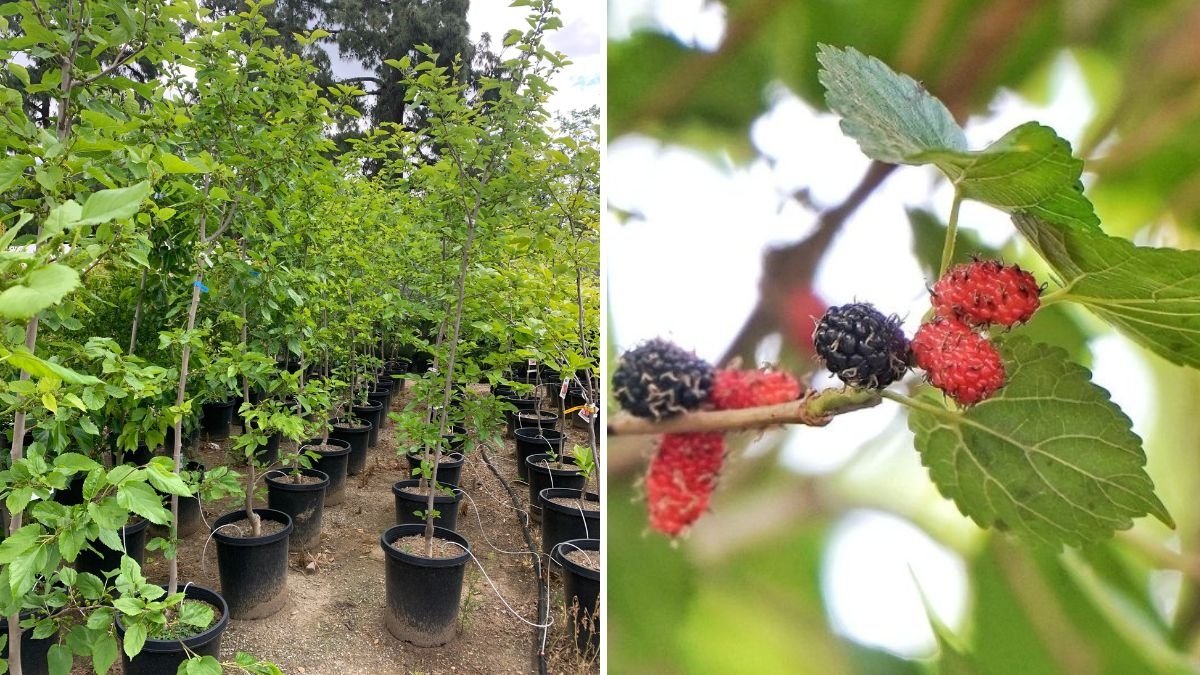
Mulberry trees are among the most rewarding fruit trees to grow — and the Florida Red Mulberry (Morus rubra) stands out as one of the tastiest and most beautiful varieties. Known for its rich red-to-purple berries and fast growth, this native fruit tree thrives in warm climates and rewards gardeners with delicious, antioxidant-rich fruit every year.
If you’ve come across the video “Planting Florida Red Mulberry Tree”, you’ve probably seen how effortlessly this tree can become the centerpiece of your home garden. In this detailed guide, we’ll go step by step through how to plant, grow, and care for the Florida Red Mulberry Tree, ensuring you get bountiful harvests and a healthy, thriving plant for years to come.
What Is the Florida Red Mulberry Tree?
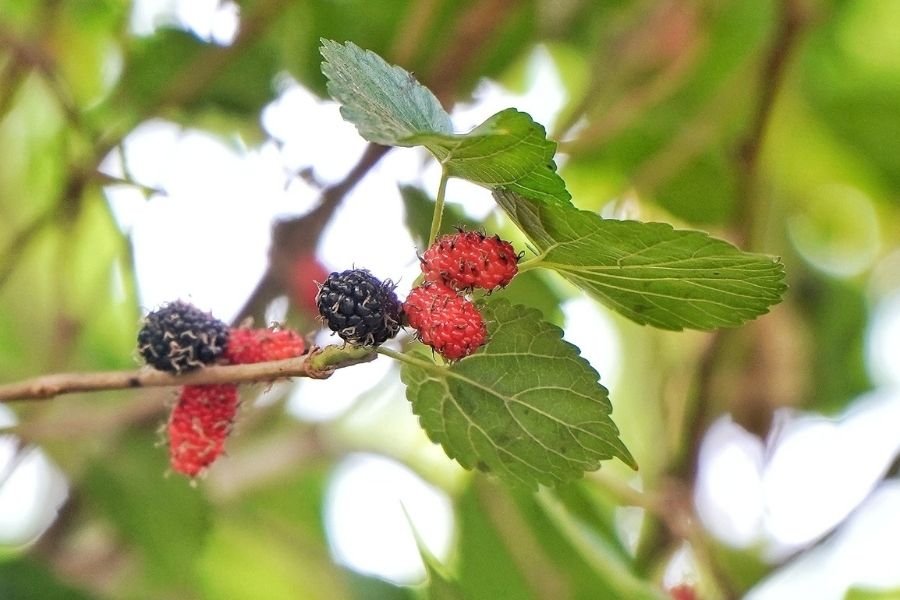
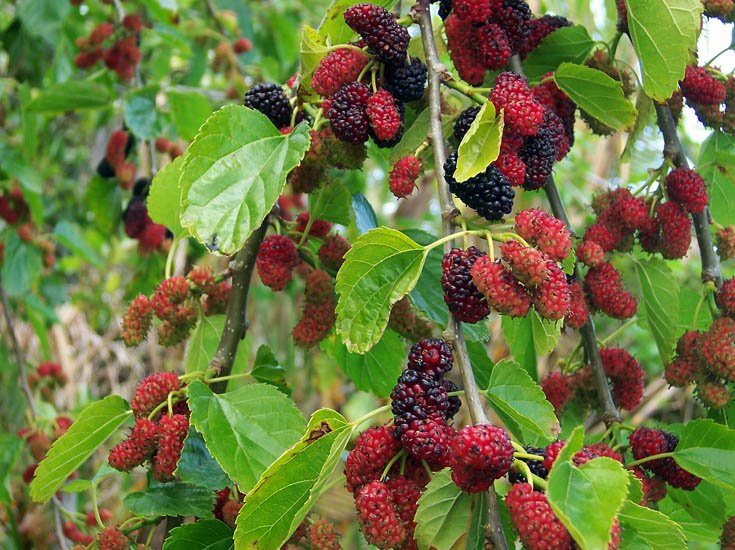
The Florida Red Mulberry (scientific name Morus rubra) is a deciduous fruit tree native to North America, particularly the southeastern United States. It can grow up to 30–50 feet tall under the right conditions and produces sweet, reddish-black berries that resemble elongated blackberries.
What makes this tree special is its adaptability — it can thrive in both urban and rural settings, tolerate heat and humidity, and grow in various soil types. The berries are packed with vitamin C, iron, potassium, and anthocyanins, which give them their deep color and antioxidant power.
Step-by-Step Guide: How to Plant a Florida Red Mulberry Tree
1. Choosing the Right Spot
Mulberry trees love full sunlight, so choose a location that receives at least 6–8 hours of direct sun daily. Make sure the area has well-draining soil — mulberries dislike soggy roots.
Since these trees can grow quite large, give them plenty of space. Ideally, plant them 15–25 feet away from other trees or buildings to allow for proper air circulation and canopy spread.
Tip: Avoid planting mulberries too close to driveways or walkways — their falling berries can create stains when ripe.
2. Preparing the Soil
Mulberries aren’t too picky, but they perform best in loamy or sandy soil that’s slightly acidic to neutral (pH 5.5–7.0).
Before planting:
- Loosen the soil about 2 feet deep and 3 feet wide.
- Mix in organic compost or aged manure to improve fertility.
- Avoid adding chemical fertilizers during planting — young roots are delicate and can burn easily.
3. Planting the Tree
If you’re planting a young nursery tree or a sapling, follow these steps:
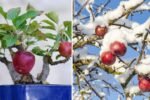
- Dig a hole twice as wide as the root ball and just as deep.
- Gently remove the tree from its container, keeping the root ball intact.
- Place the tree in the center of the hole so that the top of the root ball is level with the soil surface.
- Fill the hole with the soil-compost mix and lightly press to eliminate air pockets.
- Water thoroughly after planting to help settle the soil.
Tip: Mulberry trees establish faster when planted in spring or early summer, as this allows roots to grow vigorously before winter.
4. Watering and Mulching
In the first few months, consistent watering is key. Keep the soil moist but not soggy — about 1 inch of water per week is ideal during the establishment phase. Once mature, the Florida Red Mulberry becomes drought-tolerant, needing only occasional watering during dry spells.
Add a 2–3 inch layer of mulch around the base to retain moisture, regulate temperature, and suppress weeds. Just make sure the mulch doesn’t touch the trunk to prevent rot.
5. Fertilizing for Growth
For the first year, your tree will focus on developing roots rather than producing fruit. Use organic fertilizers such as compost or fish emulsion once every 3–4 months during the growing season.
In later years, you can switch to a balanced fertilizer like 10-10-10 NPK, applied in early spring before new growth begins. Avoid over-fertilizing — too much nitrogen promotes leafy growth instead of fruiting.
Pollination and Fruit Production
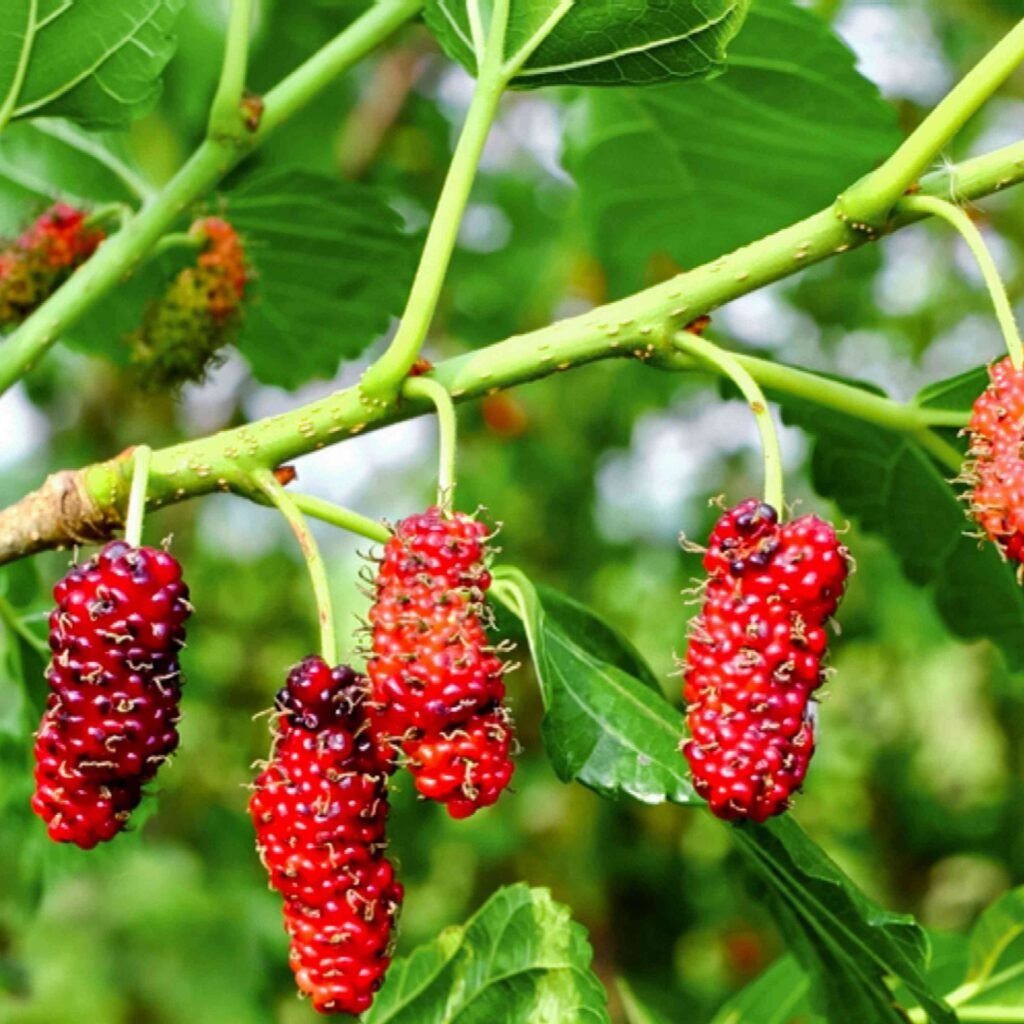
The Florida Red Mulberry is self-fertile, meaning it can produce fruit on its own without a second tree. However, having more than one tree nearby can increase fruit yield and improve pollination efficiency.
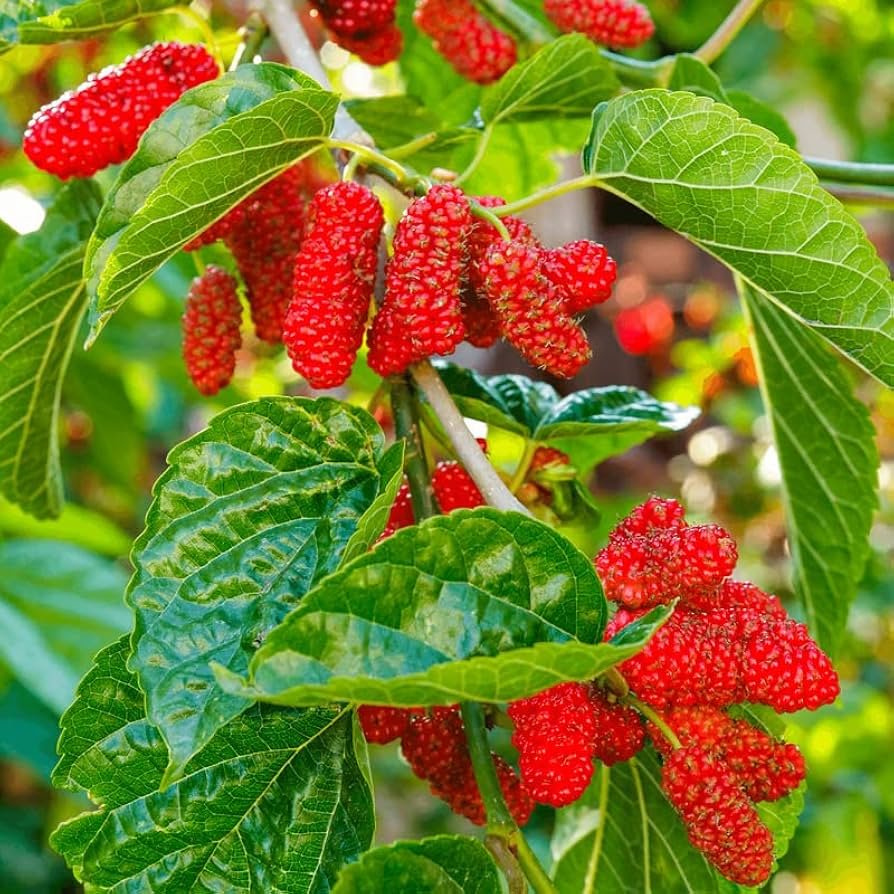
The tree begins fruiting as early as 2–3 years after planting. Its berries start green, turn red as they ripen, and finally become dark purple or nearly black when fully mature. The fruits are soft, juicy, and incredibly sweet — perfect for eating fresh, drying, or using in pies and jams.
Harvesting Florida Red Mulberries
Mulberry fruiting season in Florida typically runs from April to June. You’ll know the berries are ready when they’re deeply colored and easily detach from the branches.
To harvest:
- Gently shake the branches over a tarp or sheet to collect ripe berries.
- Avoid picking unripe ones — they’re sour and can upset your stomach.
Mulberries are best consumed fresh, but you can also freeze or dehydrate them to enjoy year-round.
Fun Fact: Mulberry fruits are excellent for smoothies, jams, cobblers, or even homemade mulberry wine!
Pruning and Maintenance Tips
Regular pruning helps your tree stay productive and healthy.
- When to prune: Late winter or early spring, before new growth starts.
- How to prune: Remove dead or crossing branches, shape the canopy, and thin overcrowded areas to let in more sunlight.
- Avoid heavy pruning in the growing season, as it can reduce fruit production.
If your tree grows too tall for easy harvesting, cut back the top branches to maintain a manageable height of around 10–12 feet.
Pests and Disease Control
While Florida Red Mulberries are generally hardy, a few pests and diseases can occasionally appear:
Common Pests:
- Whiteflies
- Scale insects
- Spider mites
Spray affected areas with neem oil or insecticidal soap to control infestations.
Common Diseases:
- Leaf spot – caused by fungal infections; remove affected leaves and improve air circulation.
- Root rot – due to overwatering; ensure soil drains well.
Pro Tip: Healthy soil and proper watering habits are your best defense against most mulberry diseases.
Seasonal Care Guide
Here’s a quick seasonal breakdown for growing a strong, fruitful Florida Red Mulberry tree:
Spring
- Fertilize and prune lightly.
- Watch for early pest activity.
- Begin watering more frequently as growth starts.
Summer
- Maintain consistent moisture.
- Harvest ripe berries regularly to encourage more fruiting.
Fall
- Reduce watering slightly.
- Clean up fallen leaves and fruits to prevent pest buildup.
Winter
- Minimal care needed.
- Protect young trees from frost by mulching heavily around the base.
Why Grow a Florida Red Mulberry Tree?
- Delicious, nutritious fruit – Packed with vitamins, fiber, and antioxidants.
- Low-maintenance – Drought-tolerant and adaptable once established.
- Fast-growing – Provides shade and fruit in just a few years.
- Wildlife-friendly – Birds and pollinators love the berries.
- Beautiful tree – Adds charm with its broad canopy and glossy leaves.
Final Thoughts
Planting a Florida Red Mulberry Tree is one of the most rewarding choices for home gardeners in warm climates. With just a little care in the early stages — proper planting, regular watering, and occasional pruning — this tree can reward you with decades of shade, beauty, and delicious fruit.
Whether you’re growing it for personal harvests, wildlife, or ornamental beauty, the Florida Red Mulberry truly deserves a spot in your backyard. Once it starts producing those sweet, ruby-colored berries, you’ll understand why this native tree is such a cherished gem in Southern gardens.

Leave A Comment