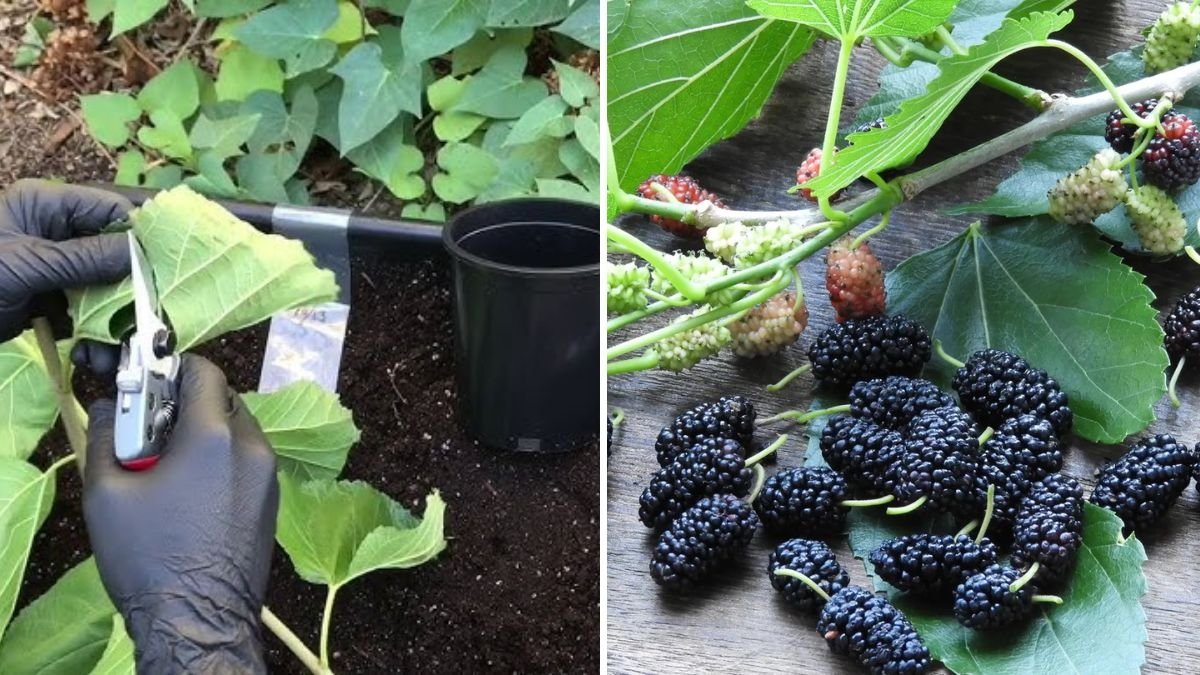
If you’re a fruit lover and garden enthusiast, there’s something special about planting a mulberry tree—especially one as rich and flavorful as the Black Beauty Mulberry. This incredible fruit tree is known for its dark, luscious berries that are not only delicious but also packed with nutrients. In this post, we’ll dive into how to successfully plant and care for a Black Beauty Mulberry and explore the secret boost provided by millipede castings—a natural, organic soil enhancer that promotes vigorous growth and sweeter fruits.
Understanding the Black Beauty Mulberry
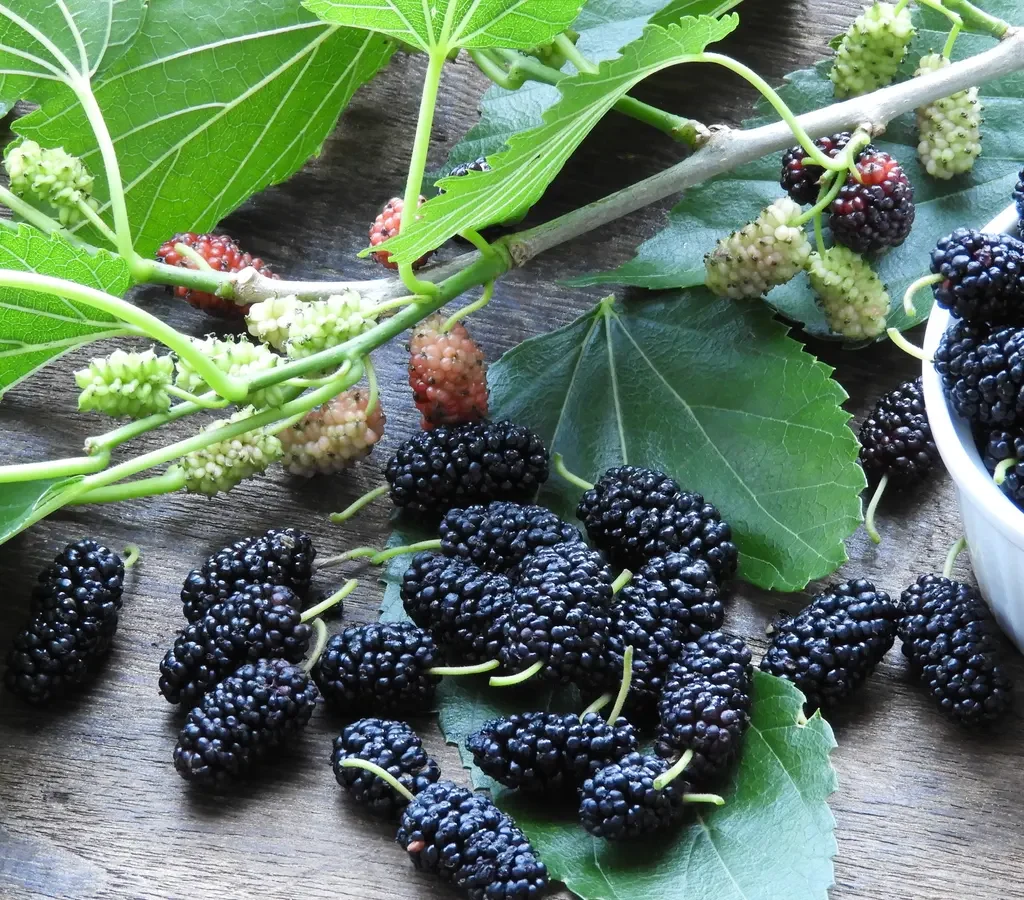
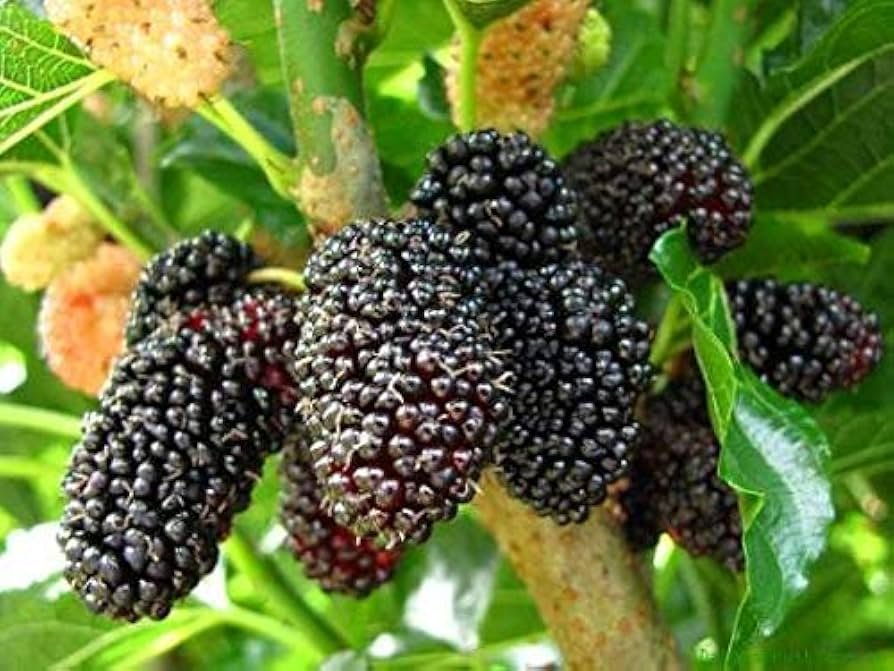
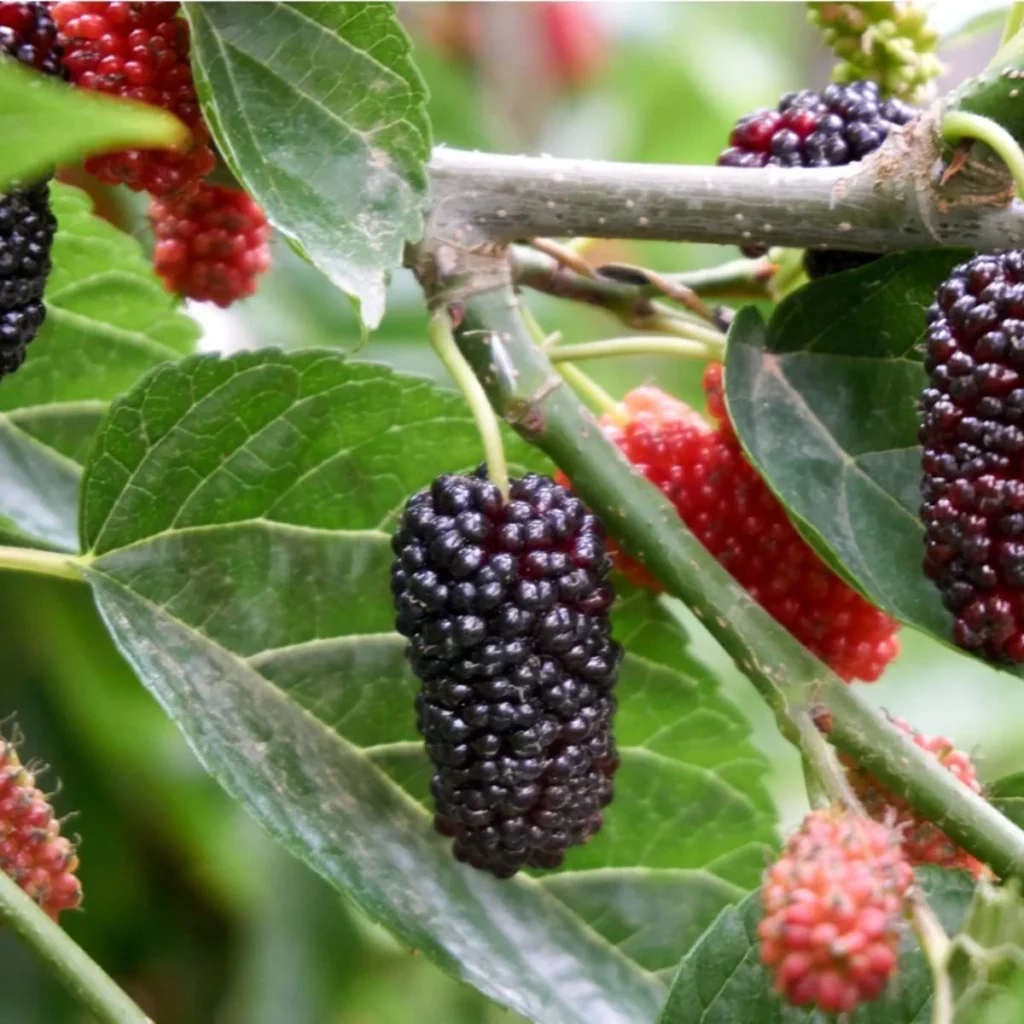
The Black Beauty Mulberry (Morus nigra) is one of the most sought-after varieties among fruit growers. It produces deep purple to black berries that are incredibly sweet, slightly tart, and bursting with juice. Unlike the fast-growing White or Red Mulberry, the Black Beauty is a more compact tree, making it ideal for home gardens and small spaces.
Key characteristics:
- Height: 10–15 feet when mature (manageable size)
- Fruit flavor: Deep, rich, and sweet with a hint of blackberry-like tang
- Harvest season: Late spring to early summer
- Hardiness zones: 7–10
- Sunlight requirement: Full sun (at least 6–8 hours per day)
This tree isn’t just a fruit producer—it’s also an ornamental beauty. Its broad leaves, spreading branches, and seasonal fruit make it a showpiece in any edible landscape.
Step-by-Step Guide to Planting a Black Beauty Mulberry
1. Choosing the Right Location
Mulberries thrive in full sunlight, so pick a spot that gets plenty of direct sun. The soil should be well-draining but rich in organic matter. Although mulberries can tolerate poor soil, they produce the best fruit in fertile conditions.

Avoid planting too close to driveways or patios—the ripe berries can stain concrete and other surfaces when they fall.
2. Preparing the Soil
Before planting, loosen the soil and mix in some organic compost or well-rotted manure. The goal is to create a nutrient-rich environment that encourages root establishment.
This is where millipede castings come into play.
The Magic of Millipede Castings in Mulberry Planting
Millipede castings are often overlooked in the gardening world, but they’re a natural powerhouse of nutrients and beneficial microorganisms. Similar to worm castings, these decomposed organic particles help improve soil fertility, moisture retention, and aeration.
Benefits of using millipede castings:
- Enhanced nutrient content: Packed with nitrogen, phosphorus, and potassium.
- Better soil structure: Helps create a loamy, crumbly texture perfect for root growth.
- Moisture retention: Reduces the need for frequent watering.
- Natural pest resistance: The microbial life in the castings helps deter soil-borne pests.
To use them effectively:
- Mix about 2–3 handfuls of castings into the planting hole.
- Blend them with native soil and compost.
- Sprinkle a thin layer on top as mulch after planting.
The result? Stronger roots, greener leaves, and faster growth.
Planting Process
- Dig the hole:
Make it twice as wide and just as deep as the tree’s root ball. - Amend the soil:
Mix your native soil with compost and millipede castings. - Set the tree:
Place the Black Beauty Mulberry in the center of the hole. Ensure that the top of the root ball is level with the ground. - Backfill and firm:
Gently fill the hole with the soil mix and press down lightly to remove air pockets. - Water thoroughly:
Give the tree a deep watering right after planting to help it settle and establish roots. - Mulch the base:
Add a 2–3 inch layer of mulch (wood chips, straw, or shredded leaves) around the base to retain moisture.
Watering and Early Care
In the first few weeks after planting, keep the soil evenly moist but not waterlogged. Once established, mulberries are relatively drought-tolerant, but consistent watering during dry spells promotes better fruit quality.
Pro Tip:
Water deeply once or twice a week instead of shallow, frequent watering. This encourages deep root growth and resilience.
Fertilizing Your Black Beauty Mulberry
For the first year, avoid heavy fertilization. The millipede castings and compost will supply enough nutrients. After that, apply a balanced organic fertilizer (such as 10-10-10) once a year in early spring to promote new growth.
You can also top-dress with more millipede or worm castings annually. These act as a slow-release fertilizer and help sustain soil health long-term.
Pruning and Maintenance
The Black Beauty Mulberry grows into a small, spreading tree with a natural rounded canopy. However, light pruning helps maintain shape and fruiting efficiency.
Pruning tips:
- Remove any dead or crossing branches.
- Thin out crowded areas to improve airflow.
- After fruiting season, trim lightly to encourage fresh shoots.
Avoid excessive pruning—it can reduce next year’s fruit yield.
Harvesting Your Mulberries
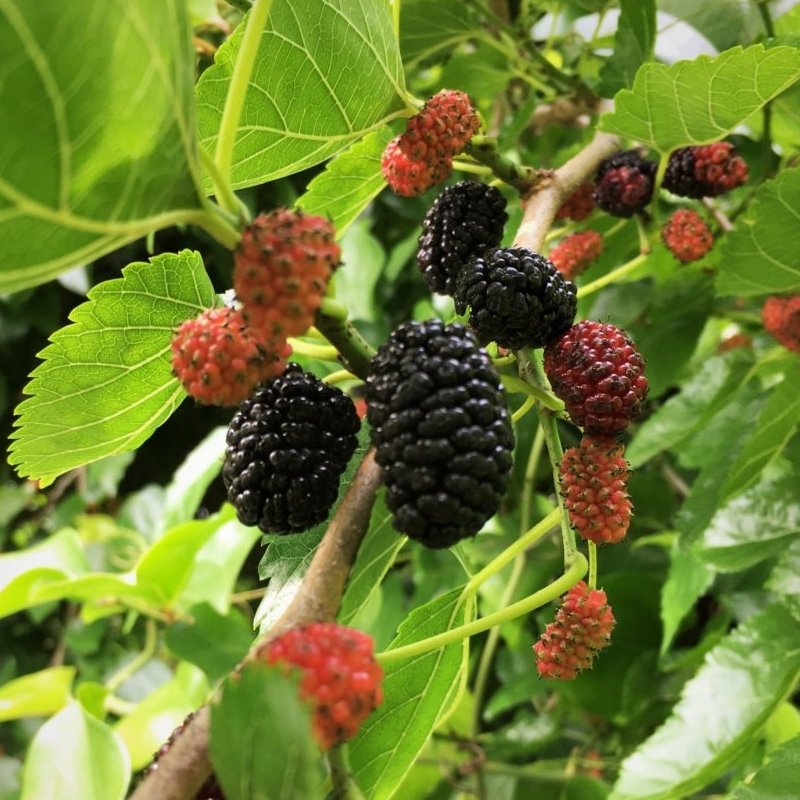
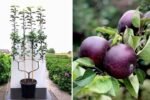
You can expect your tree to start producing fruit within 2–3 years if grown from a young sapling. The berries ripen gradually, so harvest them as they turn deep purple-black.
To collect the fruit easily:
- Lay a tarp or sheet under the tree.
- Gently shake the branches—the ripe berries will fall naturally.
Fresh mulberries are delightful eaten straight from the tree, but they can also be used in smoothies, pies, jams, jellies, or even fermented into homemade wine.
Common Problems and Natural Solutions
Although the Black Beauty Mulberry is generally hardy, here are a few things to watch for:
- Leaf yellowing: Often due to overwatering or poor drainage. Fix by improving soil aeration.
- Pests (aphids, spider mites): Use neem oil or insecticidal soap sprays.
- Birds: They love ripe mulberries. Consider using bird netting during harvest season.
Using millipede castings from the start also helps strengthen the plant’s immune system, making it less prone to pests and diseases.
Why Grow a Black Beauty Mulberry?
There’s a special joy in growing your own fruit tree—and the Black Beauty Mulberry rewards you in more ways than one:
- Abundant harvests of sweet, antioxidant-rich fruit
- Low maintenance once established
- Adaptable growth, perfect for small yards or large containers
- Wildlife attraction, bringing bees, butterflies, and songbirds to your garden
This tree offers beauty, bounty, and biodiversity all in one.
Final Thoughts
Planting a Black Beauty Mulberry is an easy and rewarding gardening project—especially when you give your soil an organic boost with millipede castings. From planting and watering to harvesting your first handful of sweet, glossy berries, the process is a deeply satisfying experience for any gardener.
So if you’ve ever dreamed of enjoying fresh mulberries straight from your backyard, there’s no better time to start. With the right care and a little natural help from millipede castings, your Black Beauty Mulberry will thrive and bring delicious harvests for years to come.

Leave A Comment