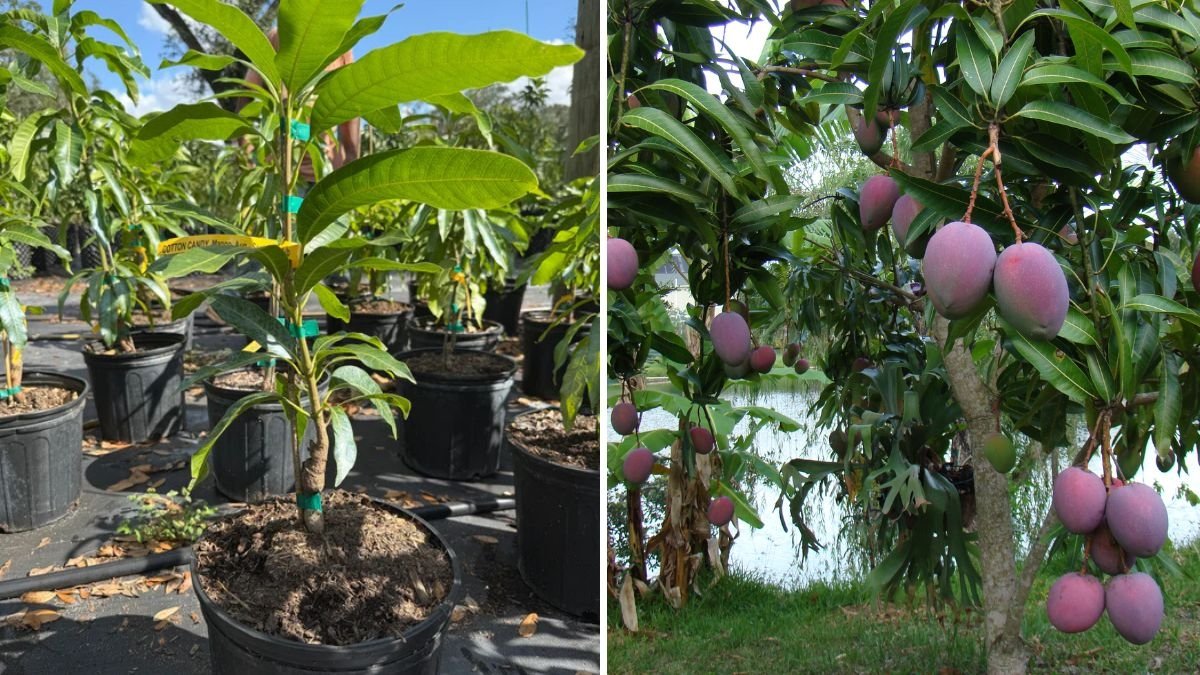
If you’ve ever dreamed of harvesting ripe, juicy mangoes right from your backyard, the Tommy Atkins mango tree is one of the best ways to make that dream come true. Known for its vibrant red-and-yellow color, firm texture, and excellent shelf life, the Tommy Atkins mango has become one of the most popular varieties grown across Florida and other tropical regions of the world.
In this blog post, inspired by the video “Homegrown Fruits on the Tree: Tommy Atkins Mangoes | GardenQ 00247 20170919U Florida Tropical Fruits,” we’ll take a deep dive into how you can grow, care for, and enjoy this tropical fruit tree in your own garden. Whether you’re a Florida gardener or simply a fruit enthusiast living in a warm climate, this step-by-step guide will show you everything you need to know about cultivating delicious Tommy Atkins mangoes at home.
1. Meet the Tommy Atkins Mango: Florida’s Pride
The Tommy Atkins mango is one of the most widely grown mango varieties in the United States, particularly in Florida. It was first selected in the 1920s and became commercially popular because of its attractive color, firmness, and long shelf life.
Unlike softer mangoes like Kent or Keitt, Tommy Atkins mangoes are known for their fibrous texture, making them ideal for slicing, smoothies, and fruit salads. Their sweet, mildly tangy flavor makes them perfect for both fresh eating and culinary use.
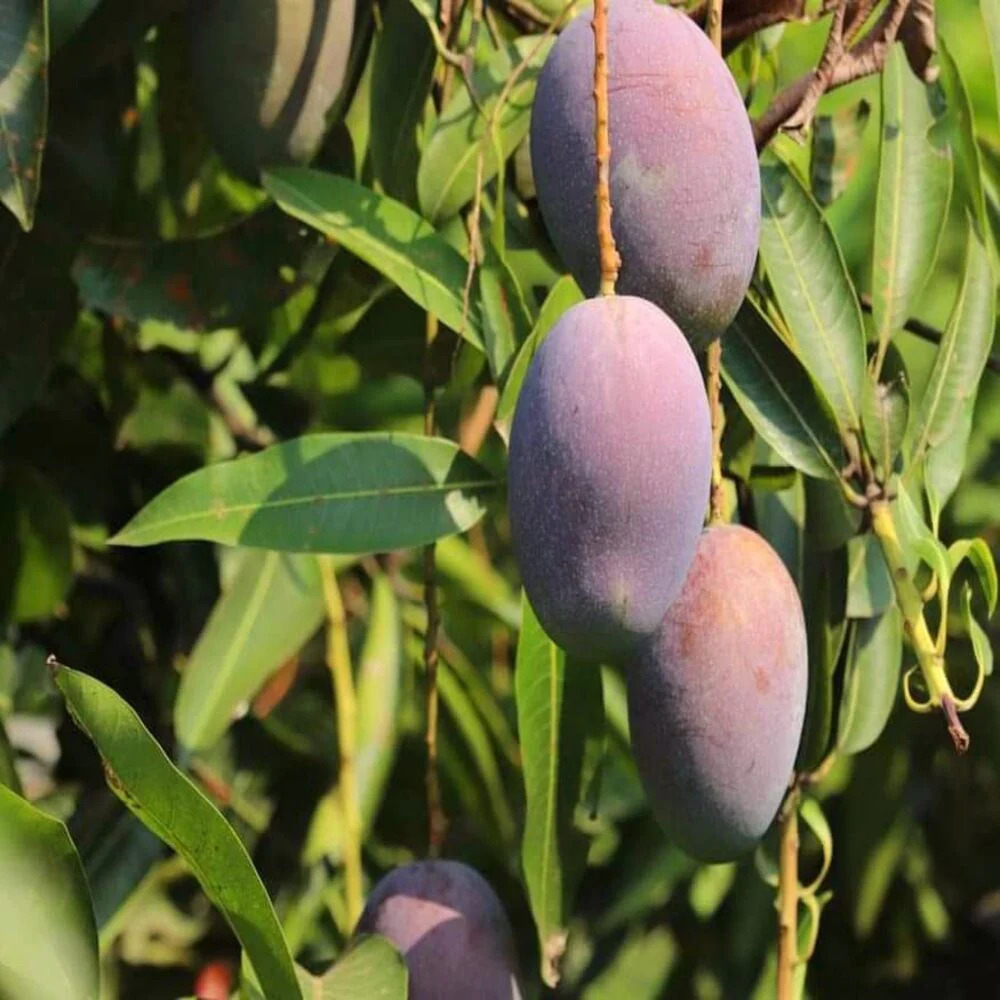
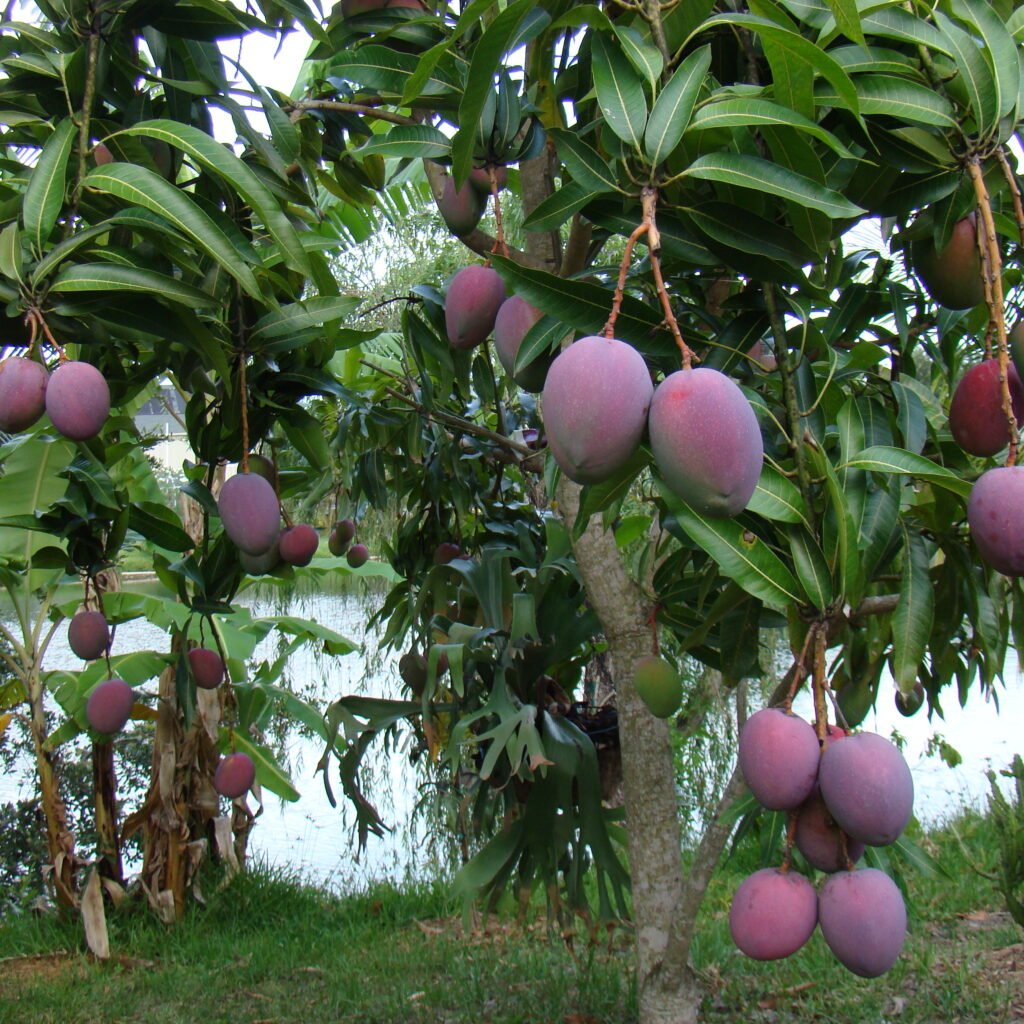
When fully ripe, these mangoes feature a beautiful red blush over a golden-yellow base, making them as ornamental as they are delicious.
2. Why Grow Mangoes at Home?
Homegrown mangoes have an unmatched flavor that simply can’t be compared to store-bought fruit. The fragrance, sweetness, and juiciness of freshly picked mangoes are something every tropical fruit lover should experience.

Here are a few key reasons why gardeners in Florida and similar climates choose to grow mango trees at home:
- Fresh, organic produce: You control how your mangoes are grown — free from synthetic pesticides or chemicals.
- Decorative value: Mango trees are evergreen and provide lush shade and beauty all year round.
- Sustainability: Growing your own fruit reduces carbon footprint and food transportation costs.
- Satisfaction: Harvesting a basket of mangoes from your own backyard is one of the most rewarding gardening experiences.
3. Choosing the Right Spot for Your Mango Tree
Location is everything when it comes to growing mango trees successfully. Mangoes thrive in full sunlight — at least 8 hours of direct sun daily — and prefer a warm, frost-free climate.
If you live in Florida, southern Texas, or coastal California, your garden likely offers suitable conditions. However, even in slightly cooler regions, mango trees can be grown in large containers and moved indoors during cold spells.
Ideal growing conditions include:
- Temperature: Mango trees prefer warm weather between 70°F–90°F (21°C–32°C).
- Sunlight: At least 8 hours of direct sunlight each day.
- Soil: Well-drained sandy or loamy soil with a pH between 5.5 and 7.5.
- Drainage: Avoid planting in areas with standing water; mango roots dislike “wet feet.”
4. Planting a Tommy Atkins Mango Tree
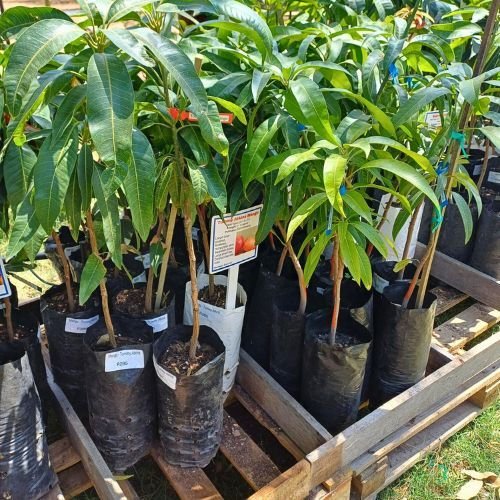
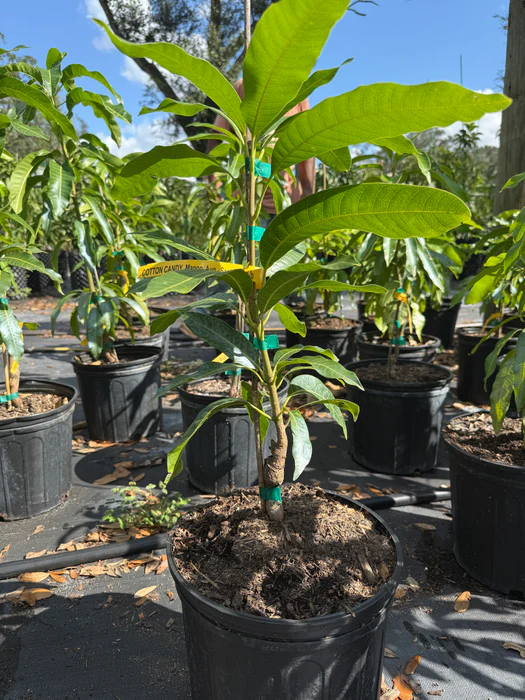
You can start with either a grafted tree from a nursery or grow your own from seed. Grafted mango trees are recommended because they produce fruit faster (in 2–4 years) and maintain the characteristics of the parent plant.
Planting Steps:

- Prepare the site: Dig a hole that’s about twice as wide as the root ball and slightly deeper.
- Amend the soil: Mix in compost or aged manure to enrich the planting area.
- Position the tree: Place the tree so the top of the root ball is level with the ground surface.
- Backfill and water: Fill the hole with soil, gently firm it down, and water thoroughly.
- Mulch: Apply a 2–3 inch layer of mulch around the base, keeping it away from the trunk to retain moisture and suppress weeds.
5. Caring for Your Mango Tree
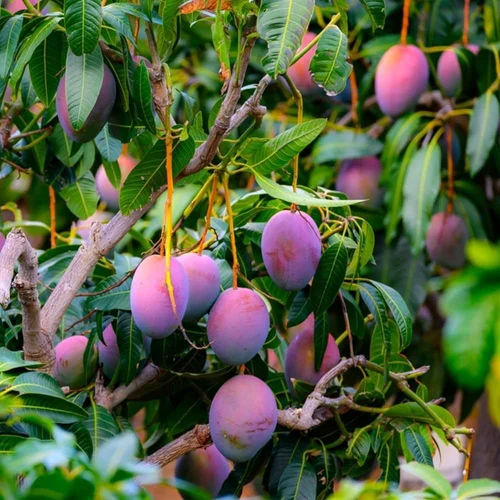
Mango trees are relatively low-maintenance once established, but young trees do require some attention.
Watering
During the first year, water your mango tree deeply once or twice a week. Once mature, mango trees become drought-tolerant and only need watering during prolonged dry spells. Overwatering can lead to root rot, so ensure good drainage.
Fertilizing
Fertilize mango trees three times a year — in spring, summer, and early fall — using a balanced fertilizer (such as 10-10-10) enriched with micronutrients like magnesium and zinc. Avoid over-fertilizing as this can reduce fruit quality.
Pruning
Prune your mango tree lightly to maintain shape and improve sunlight penetration. Remove dead or crossing branches and trim any excessive vertical growth. The best time to prune is right after harvest.
Pest and Disease Control
Mango trees are fairly resilient, but keep an eye out for common issues like:
- Anthracnose: A fungal disease causing black spots on leaves and fruit. Prevent by improving airflow and applying copper fungicide when necessary.
- Mango hoppers and scale insects: Manage with neem oil or horticultural soap sprays.
6. Flowering and Fruit Development
Tommy Atkins mango trees typically bloom in late winter to early spring. The small yellowish flowers form in large clusters, attracting bees and other pollinators.
Once pollinated, the flowers turn into small fruits that gradually mature over several months. Depending on your region, Tommy Atkins mangoes are usually ready to harvest between May and August.
A mature mango tree can produce hundreds of fruits per season under ideal conditions.
7. Harvesting Ripe Mangoes
Knowing when to pick your mangoes is key to getting the best flavor. Tommy Atkins mangoes are usually harvested when they start to change color — from green to a mix of red, orange, and yellow.
Here are a few signs of ripeness:
- The fruit gives slightly when gently squeezed.
- The skin develops a vibrant blush of red and gold.
- A sweet aroma is noticeable near the stem end.
Once picked, allow mangoes to ripen at room temperature for a few days before refrigerating or eating.
8. Storing and Using Your Mangoes
Fresh mangoes can be enjoyed in countless ways — from smoothies and salsas to desserts and salads. If you have a bumper harvest, consider preserving them for later use:

- Freezing: Slice mangoes and freeze them for smoothies or desserts.
- Drying: Dehydrate slices to make chewy mango snacks.
- Canning or pureeing: Turn mango pulp into sauces or jams.
Ripe Tommy Atkins mangoes can last up to a week at room temperature or up to two weeks when refrigerated.
9. Growing Mangoes in Containers
Don’t have much space? No problem! Mango trees can thrive in large containers with proper care.
Choose a 25–30 gallon pot with good drainage and use a well-draining potting mix. Keep the tree in full sun and prune annually to maintain a manageable size. Container mango trees may need more frequent watering and fertilization compared to those planted in the ground.
When temperatures drop below 40°F (4°C), move the plant indoors or to a sheltered area to protect it from frost damage.
10. The Joy of Homegrown Tropical Fruits
Watching your Tommy Atkins mango tree bloom, fruit, and finally offer you sweet, sun-ripened mangoes is a deeply rewarding experience. It’s not just about growing food — it’s about nurturing life, connecting with nature, and enjoying the fruits of your effort (literally!).
For Florida gardeners, this variety is a top choice because it combines beauty, productivity, and resilience. Even if you’re new to tropical fruit gardening, Tommy Atkins mangoes are forgiving and easy to manage once established.

Final Thoughts
Growing Tommy Atkins mangoes at home lets you bring a piece of tropical paradise right to your backyard. From selecting the right spot to nurturing your tree through its growth stages, the journey is filled with learning and joy.
Whether you enjoy your mangoes fresh off the tree or turned into sweet treats, one thing is certain — there’s nothing quite like the taste of a sun-warmed, homegrown mango from your own garden.

Leave A Comment