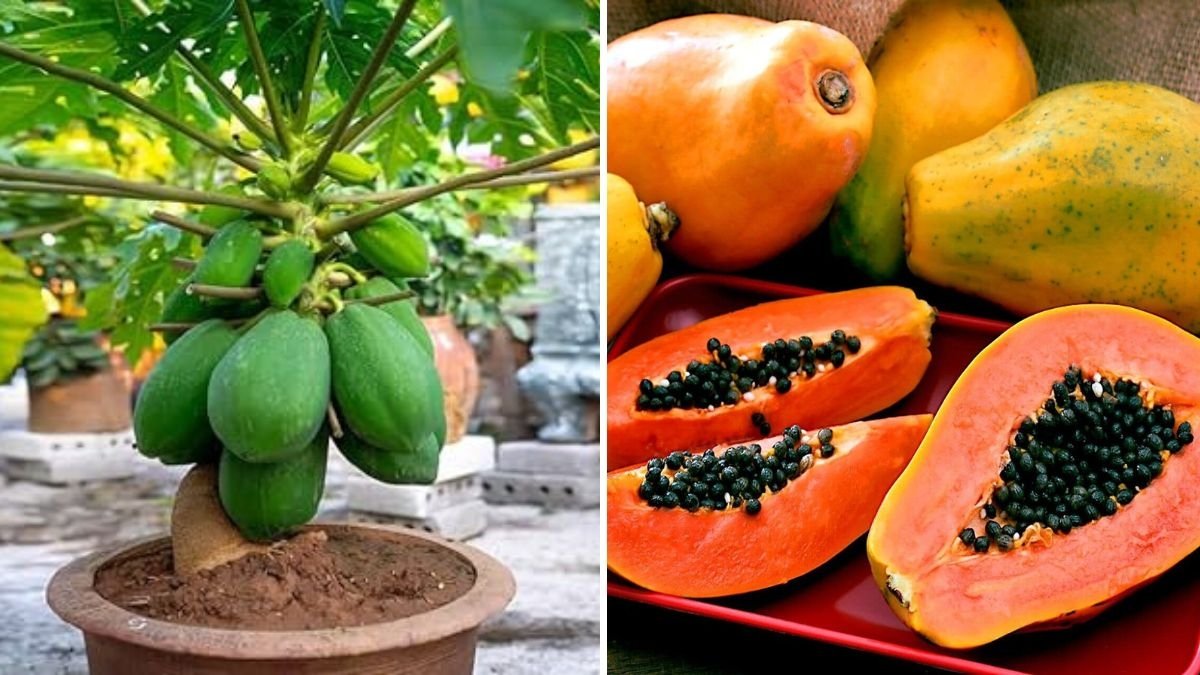
If you’ve ever dreamed of harvesting sweet, tropical papayas right from your backyard in Southern California, the Hawaiian Solo “Sunrise” variety might be your perfect match. Known for its luscious flavor, deep orange-red flesh, and compact growth habit, this tropical fruit can surprisingly thrive in the warm microclimates of Southern California—with the right care and attention.
In this comprehensive guide, we’ll walk through everything you need to know about growing Hawaiian Solo “Sunrise” papaya, from planting and soil preparation to watering, fertilizing, and harvesting. Whether you’re an experienced gardener or a curious beginner, this tropical gem can become a rewarding addition to your home garden.
What Makes Hawaiian Solo “Sunrise” Papaya Special?
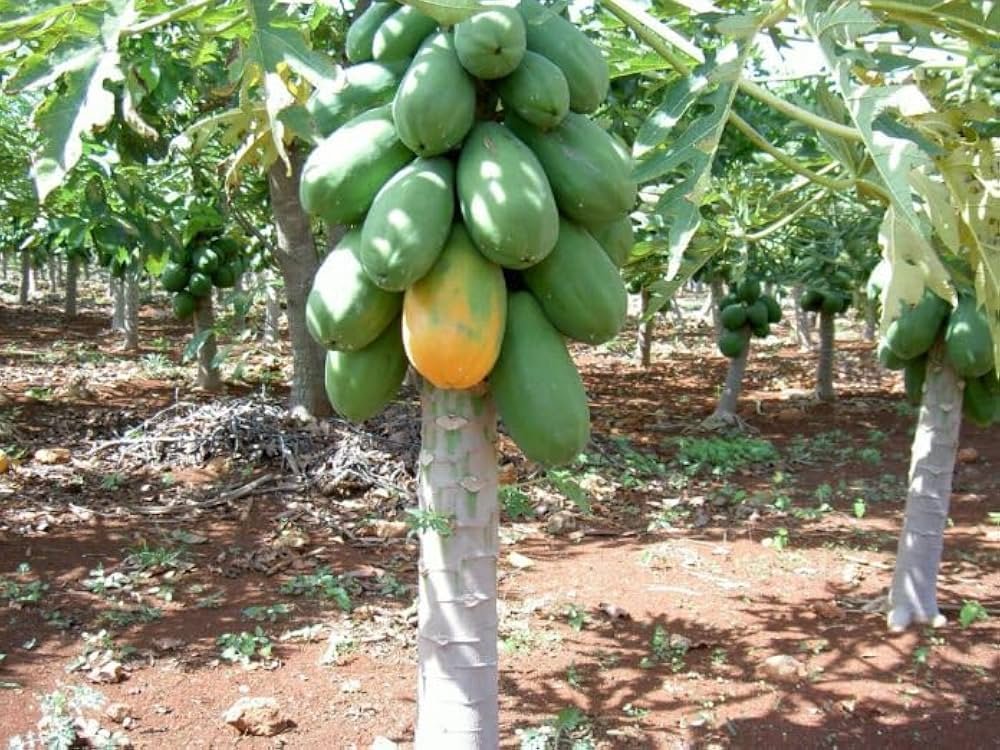
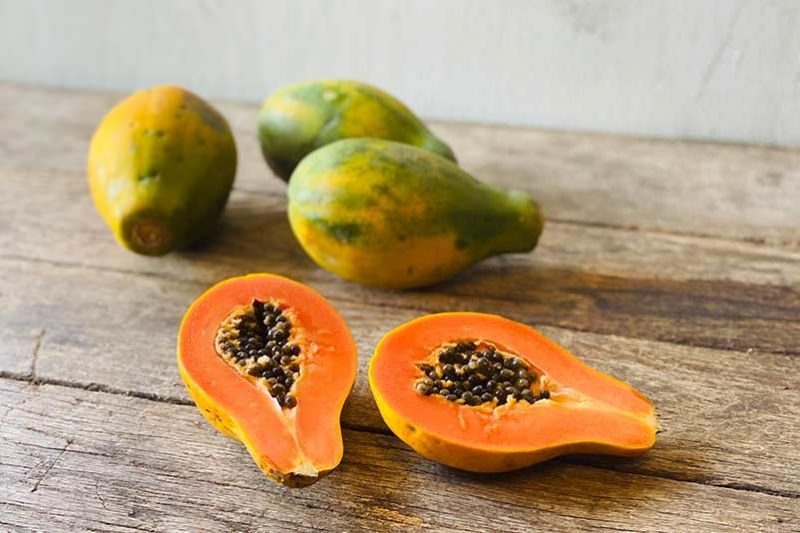
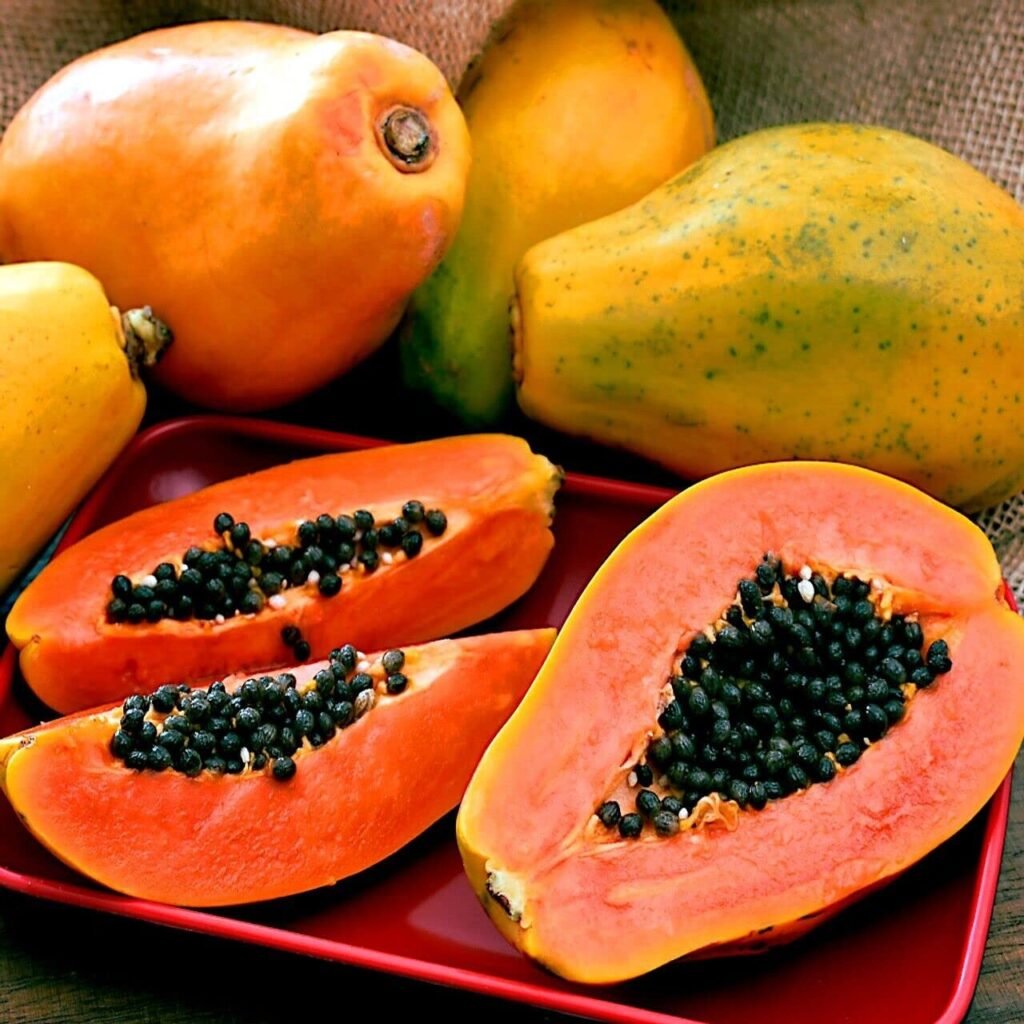
The Hawaiian Solo “Sunrise” papaya is one of the most popular papaya varieties worldwide—and for good reason. Developed in Hawaii, this variety produces medium-sized, pear-shaped fruits weighing around 16–24 ounces. Its skin turns a beautiful golden yellow when ripe, and the flesh inside glows a deep salmon-red, with a rich, sweet, and slightly musky flavor.
Here’s why it’s ideal for home gardeners in Southern California:
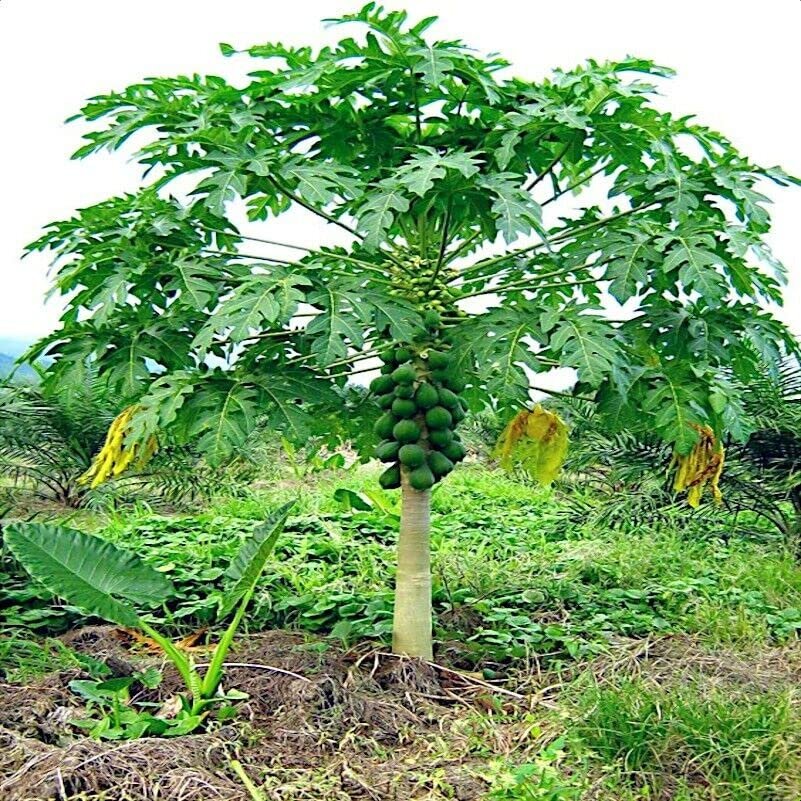
- Compact size: The “Sunrise” papaya tree usually grows between 6 to 10 feet tall, perfect for small yards or even large containers.
- Early fruiting: It can start producing fruit as early as 9–12 months after planting.
- Self-pollinating types available: Hermaphrodite plants can produce fruit on their own without the need for a separate male tree.
- Heat-tolerant: It loves the warmth and sun typical of Southern California’s coastal and inland valleys.
Can You Really Grow Papaya in Southern California?
Yes, you can—if you pick the right variety and create the right conditions. Papayas are tropical by nature, but Southern California’s Mediterranean climate—with its warm summers and mild winters—can be suitable for papaya growth when protected from frost and cold winds.
The Hawaiian Solo “Sunrise” variety performs particularly well in coastal and inland zones where temperatures stay above 60°F most of the year. With extra care during cooler months, you can enjoy year-round growth and even multiple harvests.
Key requirements for success:
- Plenty of sunlight (6–8 hours daily)
- Well-draining soil (papayas hate soggy roots)
- Protection from frost and strong winds
- Regular watering and feeding during the growing season
Step-by-Step Guide to Growing Hawaiian Solo “Sunrise” Papaya
1. Choosing the Right Location
Select the warmest, sunniest spot in your garden. Papayas love heat and thrive in full sun. Choose a south-facing area that gets sunlight all day. If you live near the coast, that’s ideal—the ocean moderates temperature swings and reduces frost risk.
If you’re growing in a container, choose a pot that’s at least 20–25 gallons in size and made of a heat-retaining material like black plastic or ceramic. Place it against a warm wall for added protection.
2. Preparing the Soil
Papayas prefer light, well-drained soil with a slightly acidic to neutral pH (around 6.0–7.0). They dislike clay-heavy or waterlogged soil. To create the perfect growing medium:
- Mix garden soil, compost, and perlite or sand in equal parts.
- Add organic matter such as composted manure or worm castings to boost fertility.
- If planting in the ground, make a raised mound (1–2 feet high) to ensure proper drainage.
3. Planting the Papaya
You can start papayas from seeds or nursery plants. If starting from seed, make sure the seeds come from a ripe Hawaiian Solo “Sunrise” fruit.
To start from seed:
- Wash the seeds and let them dry for a day or two.
- Plant 3–4 seeds about ½ inch deep in a pot or directly in the garden.
- Keep the soil consistently moist but not soggy.
- Thin out the seedlings once they’re about 6 inches tall, keeping the strongest one.
If using a nursery-grown papaya, plant it at the same depth as its original container. Be careful not to damage the roots—they’re quite sensitive.
4. Watering and Mulching
Papayas need regular watering, especially during dry spells. Keep the soil evenly moist but never waterlogged, as too much moisture can lead to root rot.
- Water deeply 2–3 times a week during summer.
- In cooler months, reduce watering but don’t let the soil dry completely.
- Add a 3-inch layer of mulch (such as straw or shredded leaves) around the base to retain moisture and regulate soil temperature.
5. Feeding and Fertilization
Papayas are heavy feeders. They need a steady supply of nutrients to support their fast growth and constant fruiting.
Feeding schedule:
- Every 2 weeks: Apply a balanced liquid fertilizer (such as 10-10-10 or organic compost tea).
- Every 2–3 months: Add slow-release fertilizer or organic compost around the base.
- During flowering and fruiting: Switch to a high-potassium fertilizer (like 5-10-10) to promote fruit sweetness and size.
6. Temperature and Frost Protection
While papayas love warmth, they’re sensitive to cold. Temperatures below 50°F can slow growth, and frost can kill young plants.
To protect your Hawaiian Solo “Sunrise” papaya in winter:
- Cover it with frost cloth or plastic sheeting during cold nights.
- Wrap the trunk with burlap or old blankets for insulation.
- Move container plants indoors or into a greenhouse if temperatures drop below 45°F.
7. Pollination and Flowering
The Hawaiian Solo “Sunrise” is typically hermaphroditic, meaning it has both male and female parts in the same flower. That makes it self-pollinating, though bees and wind can enhance fruit set.
If you grow papayas from seed, you may get male, female, or hermaphrodite plants. Only the hermaphrodite and female plants bear fruit, so once flowers appear, you can identify and keep those.
8. Common Pests and Diseases
Papayas are relatively low-maintenance but can attract a few common pests.
Watch out for:
- Aphids and whiteflies: These can be managed with neem oil or insecticidal soap.
- Spider mites: Regular misting helps, as they thrive in dry air.
- Root rot: Avoid overwatering and ensure good drainage.
- Anthracnose or powdery mildew: Prune for airflow and apply copper fungicide if needed.
9. Harvesting Hawaiian Solo “Sunrise” Papaya
You’ll know your papayas are ready when their skin turns yellow-orange and the fruit softens slightly to the touch.
Harvest by cutting the fruit with a sharp knife, leaving a small stem attached to prevent rot.
Each papaya tree can produce 30–100 fruits per year, depending on its health and growing conditions. After a few years, fruiting slows down, and it’s best to start new plants to maintain production.
10. Storing and Enjoying Your Harvest
Freshly harvested “Sunrise” papayas can ripen at room temperature within a few days. Once ripe, store them in the refrigerator for up to a week.
These papayas are delicious fresh, but you can also:
- Blend them into smoothies or tropical juices
- Add to fruit salads or salsas
- Use in papaya chutney, jams, or desserts
- Even enjoy them with a squeeze of lime for a refreshing snack
Growing in Containers: Perfect for Patio or Balcony Gardens
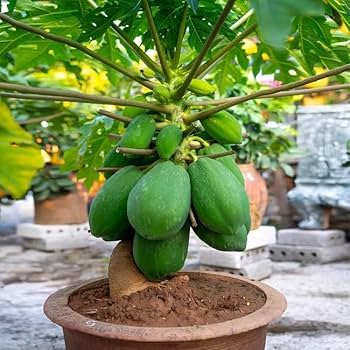
If space is limited, growing Hawaiian Solo “Sunrise” papaya in a container is an excellent option. Use a large 25-gallon pot with good drainage holes and fill it with a light potting mix. Keep it on a sunny patio or balcony where it receives at least six hours of sunlight daily.
Container papayas might be slightly smaller but often produce sweeter fruit due to the controlled environment.
Final Tips for Success
- Prune lightly to remove dead or yellowing leaves for better airflow.
- Rotate your plants every few years to maintain productivity.
- Avoid transplanting mature papayas—their roots are delicate and don’t recover well from disturbance.
- Grow multiple plants together to increase pollination and ensure a steady supply of fruit.
Conclusion
Growing Hawaiian Solo “Sunrise” papaya in Southern California is not only possible—it’s an incredibly rewarding experience. With the region’s abundant sunshine and mild climate, this tropical beauty can thrive and produce mouthwatering fruit right in your backyard or patio.
By providing the right care—warmth, good soil, regular feeding, and a bit of frost protection—you’ll be rewarded with an abundant harvest of delicious, sweet papayas. Whether enjoyed fresh, juiced, or in tropical desserts, your homegrown “Sunrise” papayas will bring a taste of Hawaii straight to your Southern California garden.

Leave A Comment