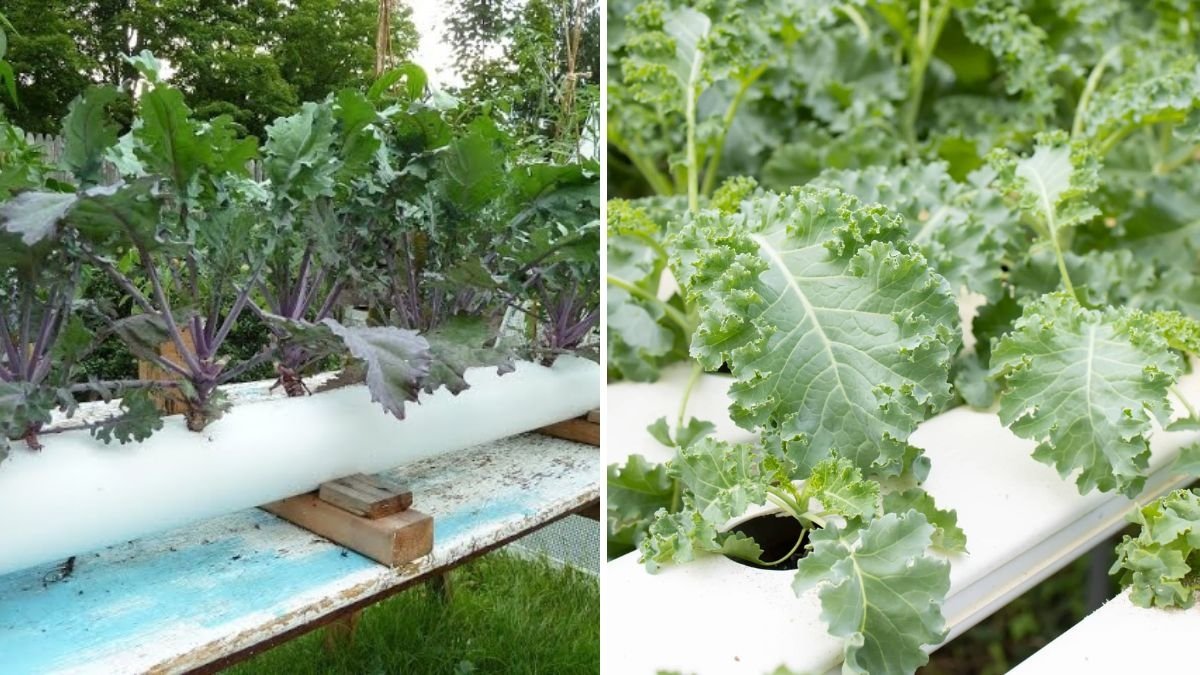
Agriculture is undergoing a digital transformation, and kale cultivation is one of the most fascinating examples of how technology is reshaping the way we grow and process food. Once a humble leafy green found in kitchen gardens, kale has now become a global superfood — celebrated for its high nutritional value and powerful health benefits. But what’s even more exciting is how modern agricultural technology has taken kale farming to a completely new level of efficiency, productivity, and sustainability.
From automated harvesting machines and AI-based crop monitoring systems to hydroponic farming and automated processing units, the new wave of innovation is revolutionizing how kale is grown, managed, and delivered to consumers.
In this article, we’ll take you on a journey through technological kale cultivation — exploring smart farming methods, advanced harvesting techniques, and innovative post-harvest processing systems that define the future of sustainable agriculture.
The Rise of Kale: A Modern Superfood
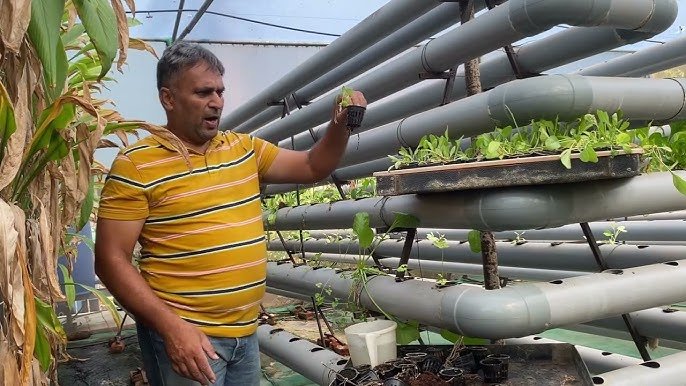
Kale, a member of the cabbage family (Brassica oleracea), has earned a reputation as one of the most nutrient-rich vegetables on Earth. Packed with vitamin A, C, K, calcium, iron, and antioxidants, it supports heart health, boosts immunity, and aids in detoxification.
Its growing popularity among health-conscious consumers and the increasing demand for organic and fresh produce have made kale an ideal crop for technological cultivation systems that focus on efficiency and sustainability.
But what does it mean to cultivate kale with technology? Let’s explore.
What Is Technological Kale Cultivation?
Technological kale cultivation integrates advanced farming tools, smart sensors, data analytics, and automation to improve every stage of the crop cycle — from seed germination to harvest and post-processing.

In simple terms, it’s a smart farm setup where machines and computers assist farmers in making precise decisions, ensuring high-quality yields with minimal waste.
Core Elements of Technological Kale Farming:
- Automated Seeding and Transplanting Systems
- IoT and Sensor-Based Monitoring
- Precision Irrigation and Fertilization
- Hydroponic and Vertical Farming Systems
- Automated Harvesting Machines
- AI-Based Crop Analysis and Disease Detection
- Automated Washing, Sorting, and Packaging Systems
By combining these innovations, farmers can produce kale that is fresher, more nutritious, and more sustainably grown than ever before.
Step 1: Smart Seeding and Nursery Management
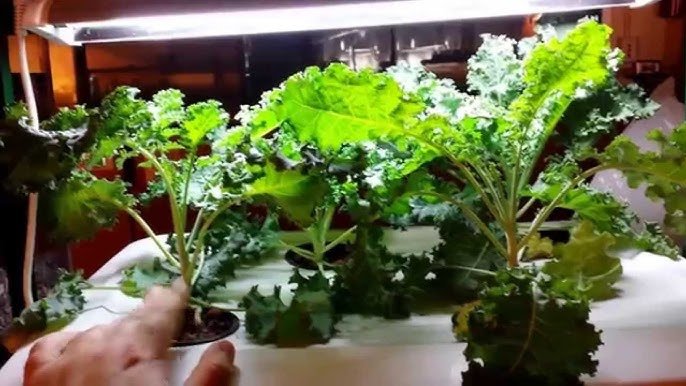
The process begins with automated seed sowing and germination systems. These machines can plant thousands of kale seeds in trays with precise spacing, ensuring uniform growth and minimal seed waste.
Key Technologies:
- Seed Dispensers and Robotic Planters: They ensure consistent depth and spacing.
- Climate-Controlled Greenhouses: Sensors regulate temperature, humidity, and CO₂ levels for optimal seedling growth.
- LED Grow Lights: Simulate sunlight, allowing seedlings to grow even in indoor environments.
Using technology at this stage improves germination rates and ensures that only healthy seedlings move to the next stage — planting.
Step 2: Automated Transplanting and Growth Management
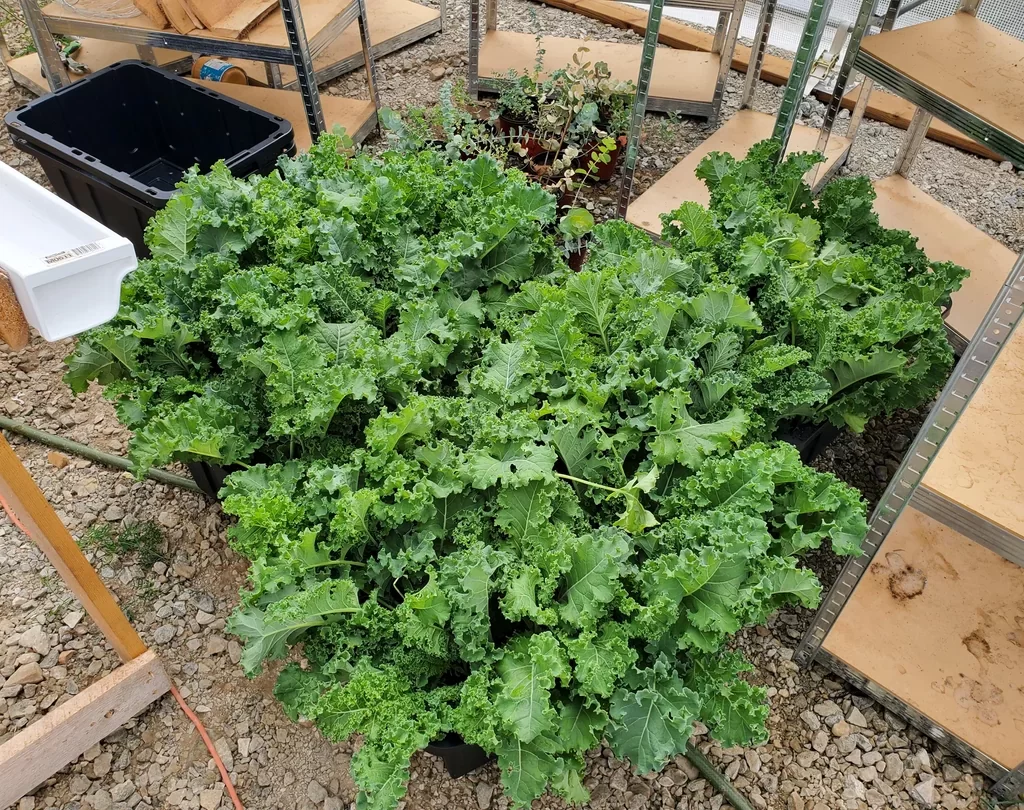
Once seedlings are ready, automatic transplanters move them from trays to soil or hydroponic systems. This mechanized process saves time and labor, particularly in large-scale farms.
Growth Management Through Technology:
- Soil Sensors: Measure moisture, pH, and nutrient levels in real time.
- Drones: Monitor plant health and detect early signs of nutrient deficiencies or pest infestations.
- Data Analytics Platforms: Collect and process sensor data to guide irrigation and fertilization decisions.
Farmers receive real-time alerts on their smartphones or dashboards, allowing them to make data-driven adjustments instantly.

The result? Stronger, healthier kale plants with uniform growth across the entire farm.
Step 3: Precision Irrigation and Fertilization
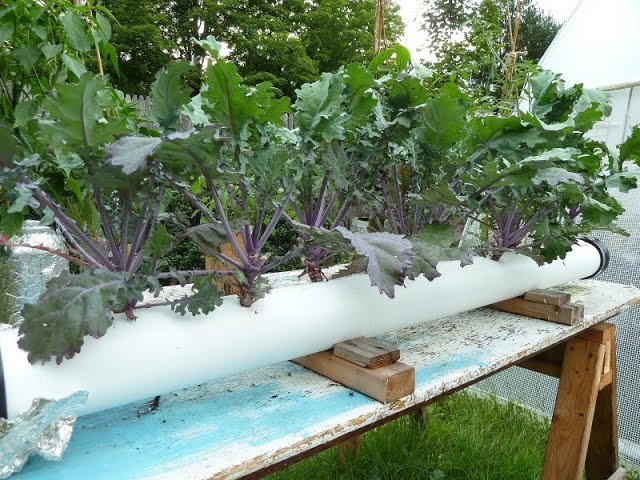
Kale requires consistent moisture and nutrient balance. Overwatering or undernourishment can lead to poor leaf quality or stunted growth. Precision agriculture technology solves this problem.
Key Systems:
- Drip Irrigation with Smart Valves: Supplies water directly to the root zone, reducing waste.
- Nutrient Dosing Systems (Fertigation): Automatically mix and deliver nutrients based on real-time sensor feedback.
- Moisture and pH Sensors: Continuously monitor soil health and adjust irrigation accordingly.
These systems can reduce water usage by up to 60% while maintaining perfect soil conditions — a massive improvement over traditional farming.
Step 4: Hydroponic Kale Farming — Soil-Free and Sustainable
One of the most exciting advancements in kale cultivation is hydroponic technology — growing plants without soil, using nutrient-enriched water solutions.
Advantages of Hydroponic Kale:
- Faster Growth: Kale grows 30–50% faster compared to soil farming.
- Year-Round Cultivation: Indoor systems allow continuous production regardless of season.
- Minimal Water Use: Uses up to 90% less water than traditional farming.
- No Weeds or Soil-Borne Diseases: Cleaner, healthier plants.
Hydroponic kale farms are often built vertically, allowing farmers to grow thousands of plants in stacked layers — a major space-saving innovation ideal for urban agriculture.
Step 5: AI-Powered Monitoring and Crop Health Analysis
Artificial intelligence (AI) plays a huge role in modern kale farming. AI systems use data from cameras, drones, and sensors to monitor every aspect of the crop’s growth.
What AI Monitors:
- Leaf color and shape for nutrient deficiencies.
- Signs of pests or fungal infections.
- Weather patterns and environmental conditions.
- Growth rate and predicted harvest time.
AI can detect subtle changes invisible to the human eye, enabling early intervention and preventing crop loss. This means healthier kale plants, less chemical use, and higher-quality produce.

Step 6: Automated Kale Harvesting
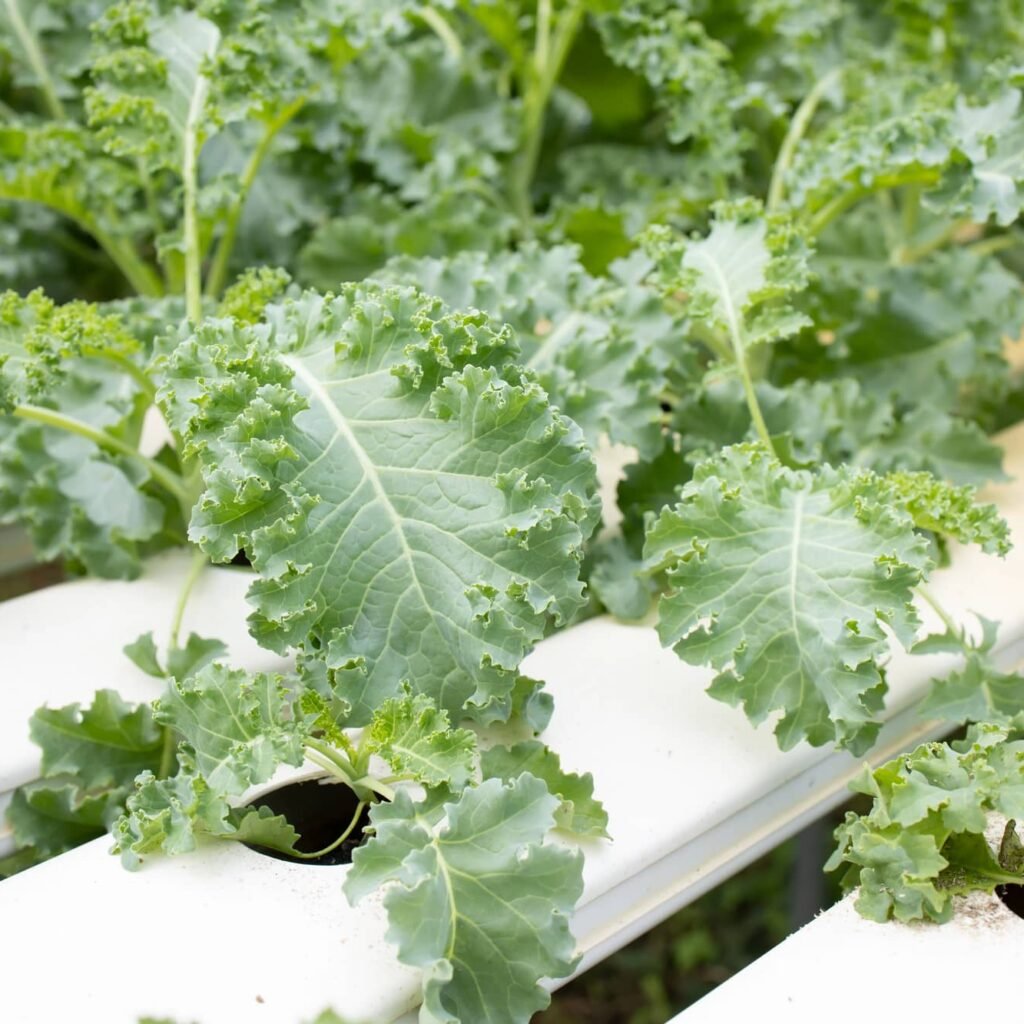
Traditional kale harvesting is labor-intensive and time-consuming. Thanks to technological innovation, farms now use automatic kale harvesting machines that can identify, cut, and collect mature leaves without damaging younger growth.
Features of Modern Harvesting Machines:
- Vision Systems: Cameras identify mature kale leaves.
- Precision Blades: Cut leaves cleanly to encourage regrowth.
- Conveyor Systems: Collect and transport harvested leaves automatically.
This technology allows large farms to harvest several acres in a single day, drastically reducing labor costs and maintaining freshness.
Step 7: Automatic Washing, Sorting, and Processing
After harvesting, the next crucial step is post-harvest processing — an area where automation truly shines.
Advanced Post-Harvest Systems:
- Automatic Washing Lines: Gently clean kale leaves without damaging them.
- Air-Drying Tunnels: Remove excess moisture while preserving freshness.
- Optical Sorting Machines: Use cameras and sensors to detect color, size, and defects.
- Packaging Units: Automatically weigh, pack, and seal kale for market delivery.
These systems maintain the highest hygiene standards and ensure consistent quality — essential for export markets and large retailers.
Step 8: Smart Storage and Distribution
After processing, kale must be stored in controlled environments to maintain its nutritional value and freshness.
Smart Cold Storage Technology:
- Automated Temperature and Humidity Control: Prevents wilting and spoilage.
- IoT-Enabled Tracking: Monitors product conditions during transport.
- Blockchain-Based Traceability: Ensures transparency from farm to table.
This digital chain of custody helps consumers trace their food’s journey — a growing demand in modern food systems.
Benefits of Technological Kale Cultivation
The integration of technology in kale farming provides a wide range of benefits that go beyond yield improvement.

For Farmers:
- Reduced Labor Costs: Automation minimizes manual effort.
- Higher Productivity: Precision farming ensures maximum yield per square meter.
- Data-Driven Decisions: Reduces guesswork in irrigation and fertilization.
- Sustainability: Cuts down water, energy, and fertilizer usage.
For Consumers:
- Fresher and Cleaner Produce: Grown under controlled, pesticide-free environments.
- Year-Round Availability: Consistent supply regardless of season.
- Better Nutrition: Optimized growth ensures higher vitamin and mineral content.
For the Environment:
- Less Land Use: Vertical and hydroponic systems grow more in less space.
- Reduced Carbon Footprint: Lower transportation and resource waste.
- Waste Recycling: Many systems reuse water and organic matter.
Technological kale farming is truly a win-win solution — for people, profit, and the planet.
Challenges and Future Prospects
While kale farming technology has tremendous potential, it also faces some challenges.
Key Challenges:
- High Initial Investment: Smart systems, sensors, and automation can be expensive.
- Technical Expertise: Requires skilled operators and training.
- Energy Dependency: Automated systems need reliable power sources.
However, the future looks incredibly promising. With ongoing innovation and government support for smart agriculture, these technologies are becoming more affordable and accessible.
The next frontier includes:
- AI-driven autonomous farms
- Robotic harvesting arms for delicate crops
- Solar-powered hydroponic systems
- Machine learning algorithms for predictive crop analysis
Soon, these tools will make high-tech kale cultivation the global standard — feeding a growing population sustainably.
Conclusion
Kale farming has come a long way from traditional soil-based methods. Today, with the help of advanced technology, automation, and smart systems, farmers can produce cleaner, healthier, and more sustainable kale than ever before.
From precision seeding and hydroponic cultivation to AI-based monitoring, automated harvesting, and smart processing, every stage of the process is optimized for efficiency and quality.

This transformation isn’t just about growing more kale — it’s about reshaping the future of agriculture. As farms adopt more intelligent and eco-friendly systems, they pave the way for a world where technology and nature work in perfect harmony.

Leave A Comment